
Swallowing Saltwater While Snorkeling Oahu: What to Do
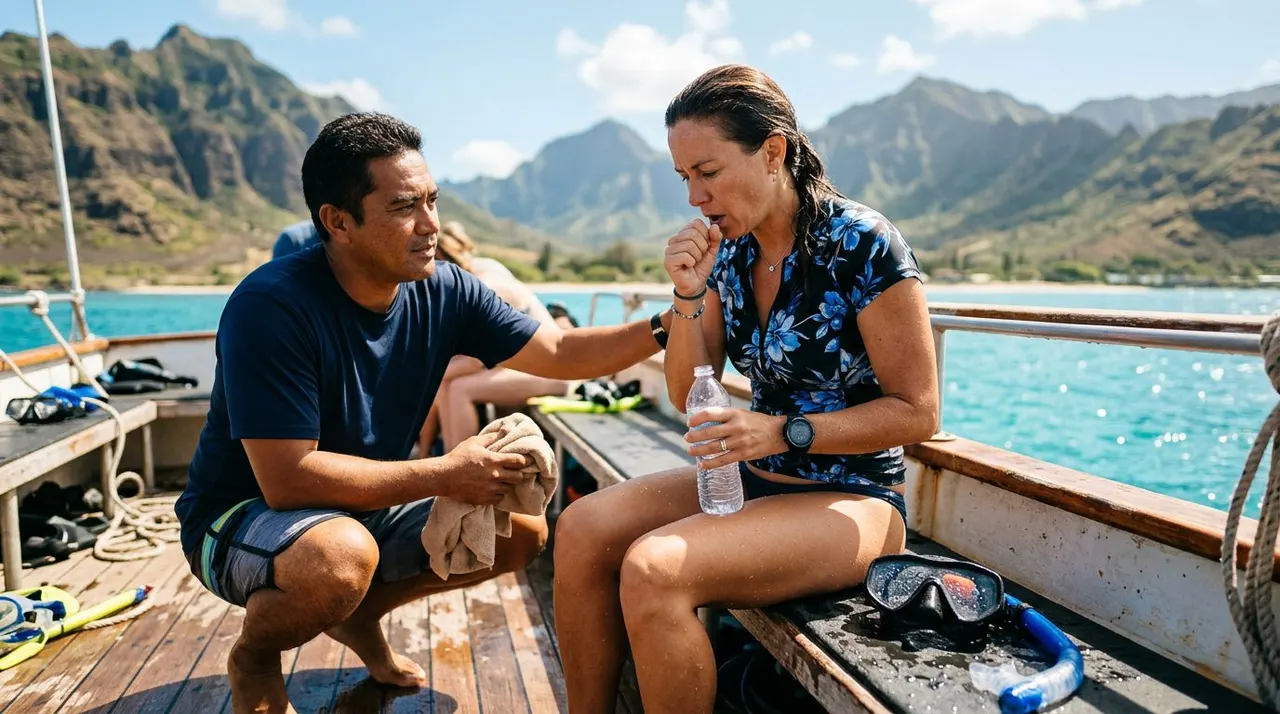
One unexpected gulp can turn a beautiful Oahu snorkel into a moment of panic. Swallowing saltwater usually causes brief coughing, throat irritation, or an unsettled stomach, but inhaling water raises a different concern.
If you’re snorkeling Oahu with Living Ocean Tours, signal the crew, leave the water, and take a breath on deck. Clear your airway, sip fresh water if you feel well, and watch for breathing symptoms before you consider going back in.
Swallowing Saltwater While Snorkeling Oahu: First Steps
When seawater enters your mouth, stop kicking and remove the snorkel. Hold the boat ladder, move toward the vessel, or ask your buddy or guide for help. Staying still makes it easier to cough safely and regain control of your breathing.
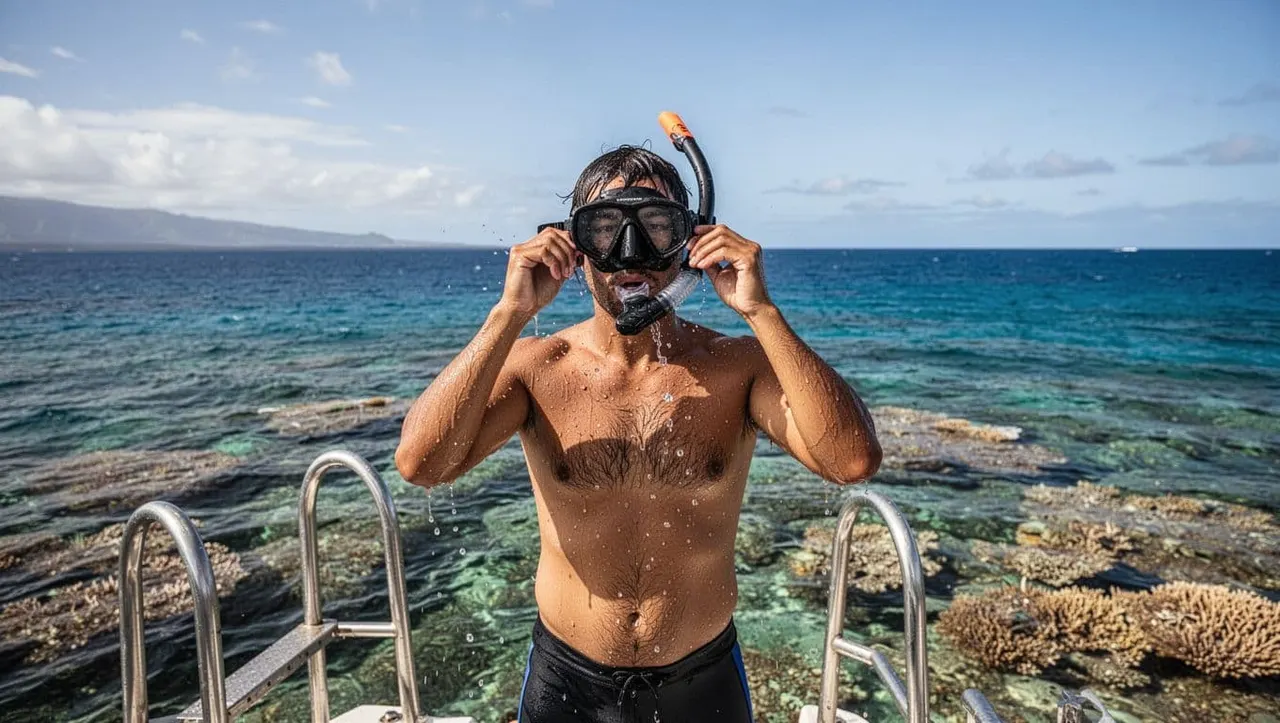
Use these steps after a minor gulp:
- Cough and spit out the water instead of forcing yourself to swallow.
- Move to the boat or shore, then sit upright in a comfortable position.
- Rinse your mouth with fresh water if it’s available.
- Take small sips of fresh water once you’re breathing normally.
A short cough often settles within a few minutes. You may also notice a salty throat, mild nausea, or a temporary burning sensation. Rest in the shade and give yourself time before deciding whether to continue.
Don’t jump back into the water because the symptoms seem embarrassing or inconvenient. A short break is safer than trying to snorkel while distracted, breathless, or anxious.
A Gulp of Seawater Is Not the Same as Drinking It
A mouthful of seawater during snorkeling is very different from intentionally drinking ocean water. The body can usually handle a small accidental amount, while consuming large quantities creates a serious salt and dehydration problem. NOAA explains why seawater isn’t safe to drink, even though a brief gulp during swimming usually doesn’t create the same risk.
The salt itself is rarely the main concern after one accidental swallow. The more important question is whether water entered your airway. That event is called aspiration, and it can cause ongoing coughing, wheezing, chest tightness, or shortness of breath.
Pay attention to what happens after you leave the water. If you can speak normally, breathe comfortably, and walk without dizziness, continue resting and monitor yourself. Sip fresh water slowly, but don’t force large amounts or try to make yourself vomit.
Children deserve close attention because they may not describe breathing discomfort clearly. Keep a child seated with an adult nearby, and tell the crew immediately if the child continues coughing or seems unusually tired.
The important detail isn’t how salty the water tasted. It’s whether your breathing returns to normal after the incident.
When a Snorkel Cough Needs Medical Attention
A cough that fades while you rest is different from a cough that grows deeper, harsher, or more frequent. Don’t return to snorkeling if you develop any breathing problem.
Seek urgent medical help for:
- Coughing that won’t settle after leaving the water.
- Wheezing, noisy breathing, or chest tightness.
- Shortness of breath, rapid breathing, or trouble speaking.
- Blue or gray lips, confusion, faintness, or unusual drowsiness.
- Chest pain, repeated vomiting, or worsening weakness.
- A seizure, loss of consciousness, or inability to wake normally.
Call 911 in Oahu for severe breathing trouble, a seizure, collapse, or an unconscious person who isn’t breathing normally. Tell the dispatcher that the person had a water incident and may have inhaled seawater.
For a salt exposure question that isn’t immediately life-threatening, Poison Control provides case-specific guidance at 1-800-222-1222. If the person is unconscious, having a seizure, or struggling to breathe, call 911 first.
You may hear people use the terms “dry drowning” or “secondary drowning.” These phrases can create unnecessary fear because they aren’t standard diagnoses. The American Red Cross explains that brief sputtering or coughing can occur after swallowing water, while ongoing or worsening breathing symptoms need medical attention. Read its guidance on dry and delayed drowning for more detail.
The safest approach is practical. Don’t wait for a dramatic label. If your breathing changes, your cough worsens, or you feel confused, stop the activity and get evaluated.
Before You Re-enter the Water
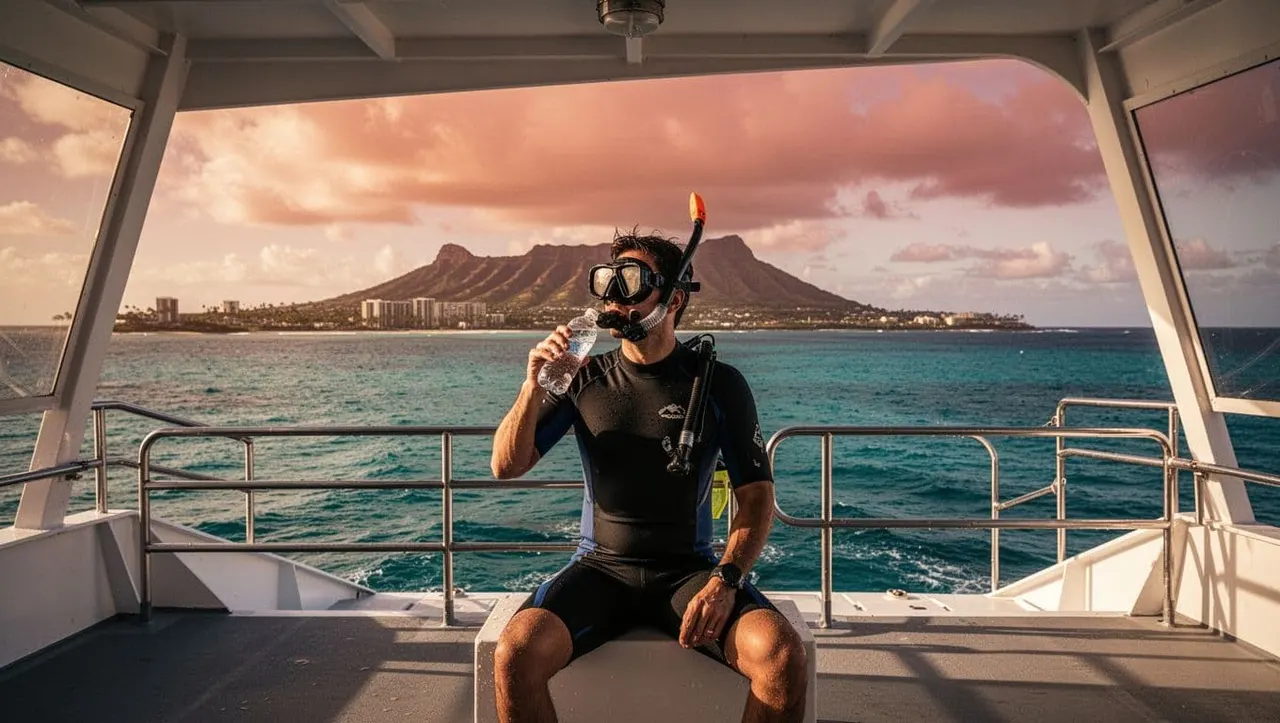
Only consider going back after your cough has stopped and you feel fully steady. You should be able to breathe, speak, and walk comfortably without chest discomfort or dizziness.
First, explain what happened to your buddy and guide. A professional crew member can help you check your mask and snorkel, adjust your position, and decide whether continuing makes sense. If waves pushed water into your mouth, wait for calmer conditions instead of immediately trying the same spot again.
A few equipment adjustments can prevent another gulp:
- Make sure the mask seal sits comfortably without pulling your hair or pressing against your eyes.
- Keep the snorkel upright when you turn your head.
- Practice clearing the snorkel before swimming away from the boat.
- Breathe slowly and avoid trying to talk through the mouthpiece.
- Stay close enough to the boat or guide for an easy exit.
If you feel nervous after the incident, choose a deck-based activity for the rest of the day. You can still enjoy the coastline without proving anything to the ocean.
Why Guided Snorkeling Helps Beginners on Oahu
Living Ocean Tours departs from Kewalo Basin Boat Harbor, just minutes from Waikiki Beach. The company is the only tour company with professional snorkel guides, and its crew works with first-time swimmers, families, and experienced snorkelers.
That support matters after swallowing saltwater. You don’t have to find your way back alone or guess whether your equipment is working correctly. Guides can help you leave the water, get comfortable on deck, and decide when the activity should end.
The Turtle Canyon Snorkel Excursion focuses on Hawaiian green sea turtles at a natural underwater cleaning station. Living Ocean Tours reports a 95% success rate for turtle sightings, although wildlife encounters always depend on nature. Guests receive gear and guidance, and the right behavior is simple: observe marine life without touching, chasing, or blocking its path.
You can learn more about Waikiki snorkeling and ocean tours before choosing the experience that suits your group.
For families and active guests, the Deluxe Waikiki Snorkeling and Wildlife Cruise visits a less-crowded reef and adds a boat-mounted waterslide, water trampoline, and floating lily pad. The Lokahi also has a SeaKeeper stabilization system, shaded seating, restrooms, dry storage, and sturdy ladders for entering and exiting the water.
Living Ocean Tours also operates the Coral Kai, a Coast Guard-inspected double-decker vessel with open deck space and comfortable viewing areas. These features give you options if you need a longer break after a salty gulp.
Pack for a Comfortable Snorkel Day
Bring a reusable bottle with fresh water, reef-safe sun protection, a towel, and a dry change of clothes. Fresh water is useful after any swim, especially when you’ve spent time talking, coughing, or breathing through a snorkel.
Eat a light meal before boarding if you tend to feel queasy. Avoid heavy food and alcohol before snorkeling, and tell the crew about motion sickness or health concerns before entering the water.
Stay with your buddy and keep track of your energy. Sun, wind, waves, and excitement can make you feel tired before you notice it. Taking a break early is a smart part of enjoying Oahu’s ocean.
Final Thoughts
A small accidental gulp usually passes with rest, coughing, and a few sips of fresh water. The key is to leave the water and watch your breathing instead of pushing through discomfort.
If coughing continues or you develop wheezing, chest tightness, confusion, blue lips, or shortness of breath, get medical help immediately. With professional guidance, the right equipment, and respect for your limits, you can enjoy snorkeling Oahu safely while protecting the marine life that makes the experience special.


