
Stranded Honu Oahu: What to Do Near Turtle Canyon
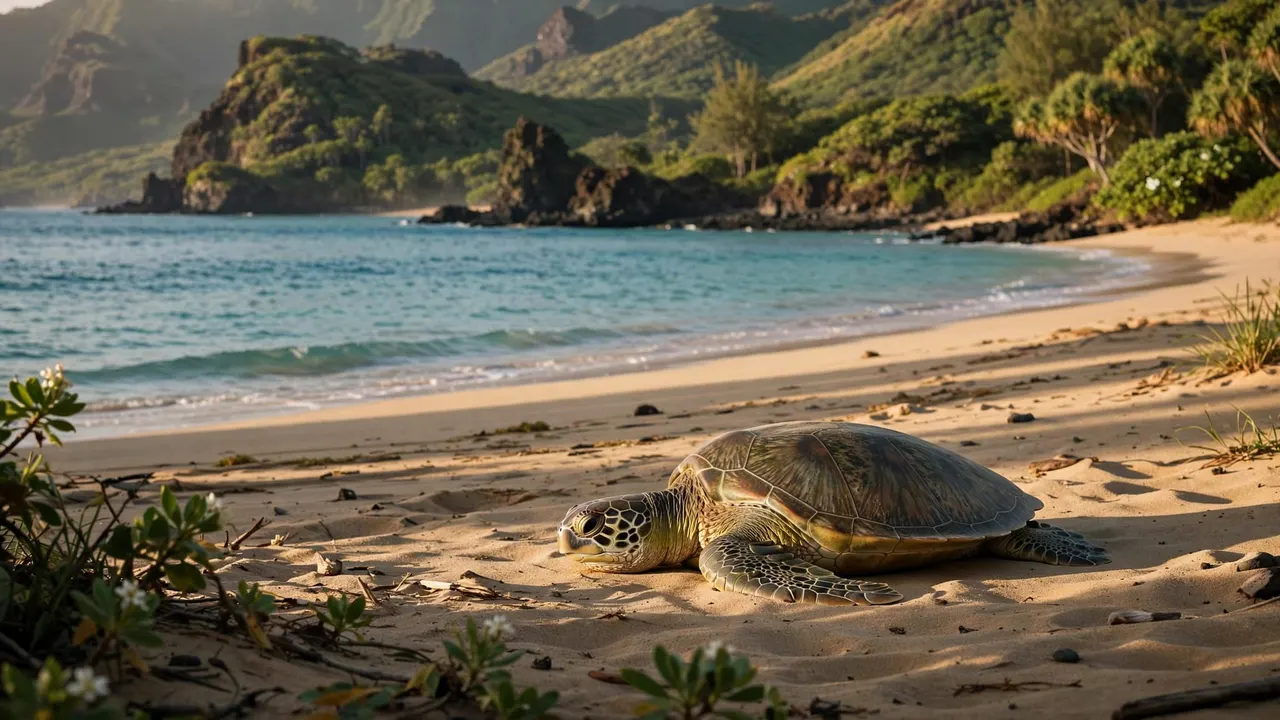
A stranded honu Oahu visitors encounter needs space and trained help, not an improvised rescue. If a turtle looks injured, tangled, or unwell, step back and call Hawaii’s marine wildlife hotline at 1-888-256-9840.
At Living Ocean Tours, we encourage you to observe turtles without touching them, whether you’re snorkeling at Turtle Canyon or walking along the beach. However, a turtle resting on sand isn’t automatically in trouble.
Your first task is to recognize possible distress without approaching, then give responders useful information.
Key Takeaways
- Call 1-888-256-9840 for an injured, entangled, sick, or dead sea turtle.
- Keep people and pets at least 50 yards (150 feet) from a suspected stranded animal.
- Don’t move the turtle, pull fishing line, feed it, or pour water over it.
- A healthy honu can rest on land. Beach presence alone doesn’t mean it needs rescuing.
Resting or Stranded? Observe Before You Approach
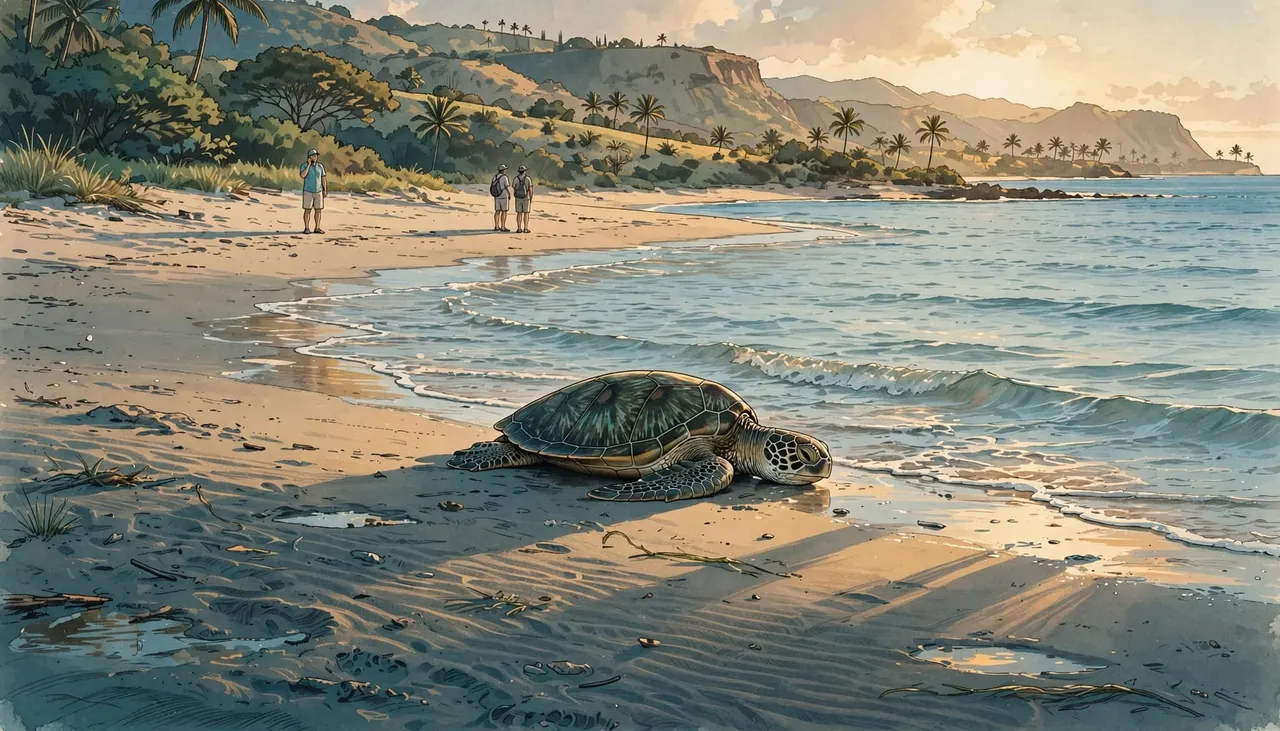
Honu are Hawaiian green sea turtles. Although you often see them swimming around reefs, they also come ashore to rest.
A resting turtle may be behaving normally
A turtle lying still on a beach can be basking rather than stranded. Closed eyes and limited movement don’t prove that it’s injured.
Keep your distance and leave its route to the water open. Don’t clap, prod it, or try to make it move for reassurance.
NOAA’s guidance on keeping honu safe explains how respectful viewing protects these animals. If a turtle remains in the same location for more than 48 hours, report it even without an obvious injury.
Visible injuries or entanglement need reporting
A stranded honu Oahu beachgoers discover may be injured, entangled, or dead. Visible fishing line, a damaged shell, bleeding, or difficulty moving are reasons to call promptly.
You don’t need to diagnose the problem. Describe what you can see without moving closer or disturbing the animal.
If you’re uncertain whether it’s resting or in distress, tell the hotline that. Don’t wait 48 hours when you already see an injury or entanglement.
Call the Hawaii Marine Wildlife Hotline
For a suspected stranding on Oahu, call 1-888-256-9840, Hawaii’s statewide marine animal reporting hotline. It’s available 24 hours a day.
NOAA’s stranded-animal reporting guidance directs you toward trained response teams. Calling gives those teams the information they need to assess the situation.
Give a location responders can find
For a stranded honu Oahu responders must locate, precise directions matter. Share the beach name, nearest access point, and a recognizable landmark.
A phone map pin or GPS coordinates can help, especially along a long shoreline. Also explain whether the turtle is on sand, rocks, or in the water.
If you spotted it from a boat, tell the captain immediately. The crew can provide the vessel’s location and describe offshore conditions without sending you closer to the animal.
Describe observations without guessing
Report when you first saw the turtle and whether it appears alive, injured, or tangled. Mention visible hooks, line, netting, or bleeding.
Photos taken with zoom from a safe distance can help if responders request them. However, don’t approach for a sharper image.
Give your callback number and explain whether you can safely remain nearby. If the turtle moves or conditions change, relay that update. You don’t need to follow it into the surf.
Avoid Hands-On Rescues, Even With Good Intentions
Your instinct may be to push the turtle into the ocean or remove something caught around a flipper. Resist that urge.
Don’t move or treat the turtle
Don’t try to carry a stranded honu Oahu residents or visitors have found. Handling an injured animal can worsen its condition and put you at risk.
Leave it where it is unless authorized responders give you direct instructions. Don’t feed it, cover it with towels, build a shade structure over it, or pour water on it.
A turtle on land doesn’t automatically need help returning to the ocean. Moving it can interrupt normal resting behavior or interfere with a response.
Leave hooks, line, and nets alone
Fishing gear can cause injuries you can’t see. Pulling line may tighten it, while tugging on a hook can damage tissue.
Report the entanglement and keep your hands away. Don’t attempt an unassisted disentanglement, even when the gear looks easy to remove.
If the turtle is in the water, don’t swim after it or hold it at the surface. Give the captain or hotline its location and let trained responders decide what happens next.
You can report an entangled turtle without freeing it yourself. A clear location and description are useful help.
Keep a Quiet Perimeter While Help Is on the Way
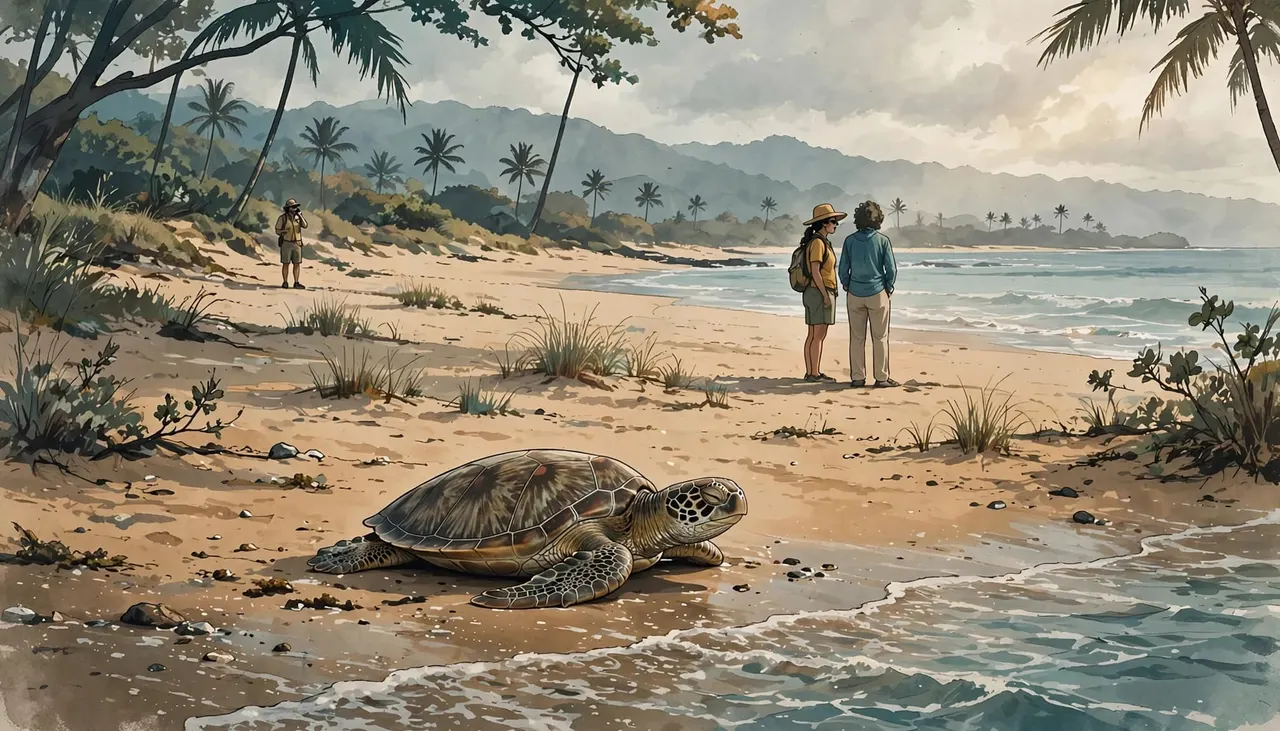
Keep pets away from a stranded honu Oahu responders are coming to assess. Ask nearby beachgoers to step back without starting an argument.
For a suspected stranding, maintain at least 50 yards (150 feet) of separation. That’s different from the general turtle-viewing guidance of 10 feet (3 meters).
Hawaii DLNR’s sea-turtle guidance also explains protections for honu. The ordinary viewing distance isn’t a reason to crowd an injured animal.
Stay nearby only when it’s safe. Keep children with an adult, avoid slippery rocks, and don’t enter rough surf to watch more closely.
Leave room for responders to reach the turtle. If someone wants a photograph, suggest using zoom instead of approaching.
Avoid posting a live location that could attract a crowd. Send useful information directly to the response team instead.
If You Notice Trouble While Snorkeling at Turtle Canyon
Turtle Canyon is offshore reef habitat near Waikiki, not a beach stranding site. Nevertheless, you could notice a turtle with fishing line or an apparent injury while snorkeling.
At its natural cleaning stations, small reef fish remove algae and other material from turtles’ shells and skin. A turtle hovering near cleaner fish can be behaving normally.
Because that behavior involves staying in one area, don’t assume a slow-moving turtle needs help. Observe without surrounding it or interrupting the cleaner fish.
If you see an apparent injury, signal your guide and explain what you noticed. Point out the turtle’s direction rather than chasing it for another look.
Keep its route to the surface clear. Sea turtles breathe air, so don’t position yourself directly above one or block its path.
Your guide and captain can coordinate a report. Meanwhile, follow their instructions and remain with your group. Don’t attempt a rescue swim or separate from the boat to track the animal.
Report Harassment Without Confrontation
Touching, grabbing, chasing, or deliberately disturbing a honu can violate wildlife protections. Hawaiian green sea turtles receive protection under federal and state law.
If you witness a troubling interaction, maintain your own safe distance. Note the location, time, and what happened.
You can report suspected violations to NOAA’s Office of Law Enforcement at 1-800-853-1964 or Hawaii DLNR DOCARE at 808-643-3567.
NOAA’s wildlife-harassment reporting guidance explains how observations and available evidence support a report.
Don’t confront someone aggressively or place yourself between them and the turtle. If you already have photos or video taken safely, preserve them without moving closer.
A factual description is more useful than an argument about someone’s intentions. Describe the interaction you observed and whether the turtle appeared injured.
Experience Turtle Canyon With Wildlife-First Guidance
Respectful observation is central to our approach at Living Ocean Tours. We’re Oahu’s only tour company with professional snorkel guides, so you receive in-water support alongside your safety briefing.
Our Turtle Canyons Snorkel Excursion includes snorkeling equipment and flotation support. You reach the offshore reef by boat from Kewalo Basin Boat Harbor instead of attempting a long swim from Waikiki.
That guidance helps you recognize ordinary turtle behavior and maintain space around wildlife. For families and first-time snorkelers, it also means you can ask for help with equipment before entering the water.
You can explore our guided snorkeling and ocean tours for a future outing focused on observing, never touching, marine life.
Our crew provides snorkeling guidance, while authorized wildlife responders handle stranded-animal assessments and rescues. If you’re planning a Turtle Canyon trip, CHECK AVAILABILITY for departures.
Frequently Asked Questions About Stranded Honu
Should you report a dead sea turtle?
Yes. Call 1-888-256-9840 and describe the location and condition. Don’t touch, move, bury, or remove any part of the animal.
A report gives responders the opportunity to assess it. You don’t need to determine how it died before calling.
Should you stay until responders arrive?
Remain nearby only if it’s safe and practical. Give the hotline your callback number and explain whether you can wait.
If you need to leave, provide a precise location before departing. Don’t stay on exposed rocks, enter dangerous surf, or leave children unattended to watch the turtle.
If the animal moves while you’re safely observing, share that update without pursuing it.
Give Honu Space and Get the Right Help
The best help for a stranded honu Oahu visitors encounter is distance and a prompt report. Call 1-888-256-9840, share the location, and leave handling to authorized responders.
A turtle resting peacefully may need nothing more than an undisturbed beach. An injured or entangled turtle needs trained assessment.
Whether you’re beside the shoreline or snorkeling at Turtle Canyon, give honu room to behave naturally. Your calm response protects the animal without putting you or your family at risk.


