
Snorkeling With Sunburn: Can You Snorkel Oahu?
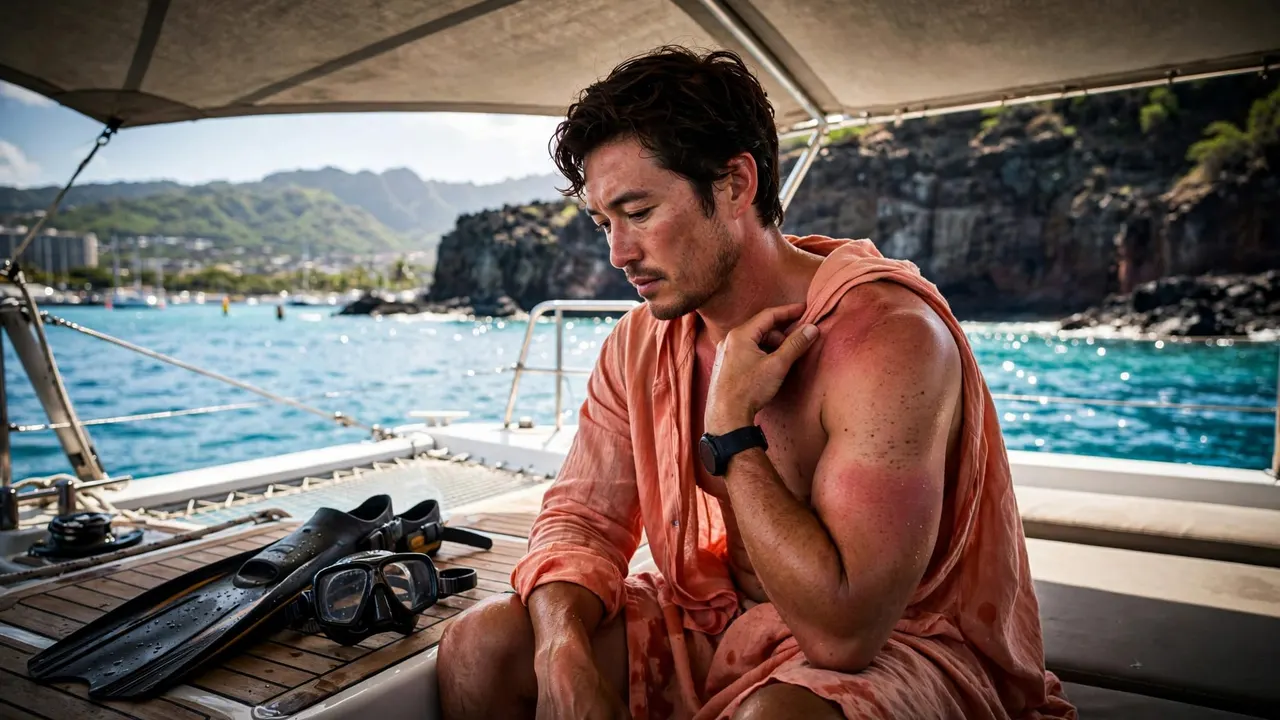
Living Ocean Tours offers guided ocean experiences from Kewalo Basin Boat Harbor, minutes from Waikiki. If you wake up red and sore after a beach day, though, comfort and safety need to come before a reef swim.
In most cases, snorkeling with sunburn is a poor choice because water, sun exposure, gear friction, and dehydration can make irritated skin feel worse. A mild pink patch and a blistering burn require very different decisions.
Your best Oahu day may include staying shaded on deck, enjoying the coastline, and saving your snorkel session for when your skin feels normal again.
Can You Go Snorkeling With Sunburn?

You can physically enter the water with mild redness, but that doesn’t make snorkeling with sunburn a smart plan. Sunburn is UV damage that causes inflammation, so pressure from a mask strap, vest, or fin strap can quickly become painful.
Saltwater doesn’t heal a burn. It may sting, especially around rubbed areas, and drying in the wind can leave your skin feeling tight. WebMD’s sunburn overview also describes sunburn as skin damage, not a harmless vacation inconvenience.
Mild redness still calls for caution
A mild sunburn usually means warm, tender, pink skin without blisters or swelling. Even then, you should skip a long, exposed snorkel session if touching the area hurts or your skin feels hot.
A loose rash guard may reduce fresh sun exposure, but it can also rub raw skin under a flotation vest. Test it while dry. If it bunches at your shoulders, waist, or back, choose shade and rest instead of forcing snorkeling with sunburn.
Water magnifies the sun problem
You remain exposed to UV rays while floating face-down over the reef. Reflected sunlight reaches your back, shoulders, calves, and the backs of your legs. Clouds don’t give you a free pass, either.
A water-resistant sunscreen helps protect unburned skin, but it can’t undo damage already done. Reapply it after swimming, sweating, or towel drying, then use a long-sleeve swim shirt, hat, and shade to reduce further exposure.
If the idea of pulling on your vest makes you wince, your skin needs recovery time more than it needs another swim.
Why the Ocean Can Make a Burn Feel Worse
The Pacific can look calm from shore, yet your skin may react badly after even a short period in the water. Salt, sand, wet fabric, and a breezy boat ride can each add irritation.
Salt, sand, and rubbing add up
Saltwater can sting on inflamed skin. Sand catches under swimsuit seams and rash guards, while wet fabric shifts against your body as you kick. A mask strap across burned cheeks or a vest against sore shoulders can turn a manageable burn into a miserable session.
Avoid using the reef or boat ladder as a place to struggle with equipment. Tell the crew as soon as a strap pinches or rubs. A gear adjustment is easy before you enter and much harder after discomfort has built.
Heat and dehydration can change the decision
Sunburn pulls fluid toward damaged skin, and warm weather adds to your hydration needs. If you have spent hours on Waikiki Beach, you may already feel tired before boarding.
Drink water regularly, eat a light meal that agrees with you, and stay in the shade when possible. Canada’s sun-safety basics advise avoiding peak sun and heat between 11 a.m. and 3 p.m. when you can.
Skip the Water for These Sunburn Symptoms
Some burns are clear no-swim situations. Don’t treat a vacation booking as a reason to push through severe pain, open skin, or symptoms that make you feel unwell.
Blisters, swelling, and broken skin
Do not go snorkeling with sunburn if you have blisters, swelling, severe pain, or areas of broken skin. Keep blisters intact. Popping them raises the chance of infection and leaves a sensitive wound exposed to saltwater and sand.
Wait until the skin heals before returning to the ocean. If a clinician has told you to protect a particular area, follow that advice rather than relying on a swimsuit or a quick dip to cover it.
Fever, nausea, dizziness, or confusion
A sunburn that comes with fever, chills, headache, nausea, dizziness, weakness, fainting, confusion, a rapid pulse, or rapid breathing needs more attention than after-sun lotion. Get out of the heat and seek medical advice promptly.
Health Canada’s first-aid guidance for sunburn and heat illness recommends cooling the body with a cool, not cold, shower, bath, or compress. Drink fluids, rest in a cool place, and don’t return to the sun until you feel better.
Help Your Skin Recover Before Your Next Snorkel
A quiet recovery day can protect the rest of your trip. Oahu still offers plenty of reasons to be outside without baking on a beach or putting irritated skin into the ocean.
Cool the skin without shocking it
Take a cool shower or use cool compresses. Pat your skin dry rather than rubbing it with a towel. Then wear loose, soft clothing that doesn’t scrape sensitive areas.
Avoid direct ice on a burn. Also skip products with benzocaine or lidocaine unless a medical professional has advised them, since they can irritate some skin. Over-the-counter pain relief may help if it is safe for you, but follow the label and your clinician’s advice.
Cover up for the return ride
Bring a towel, sunglasses, drinking water, and a dry cover-up. A lightweight rash guard can work well after the tenderness fades, especially if it fits smoothly beneath a flotation vest.
Before you return to snorkeling with sunburn that has improved, check your gear on clean, dry skin. Your mask should seal without excessive strap pressure. Fins should feel snug without rubbing your toes or heels. Small comfort issues can turn into raw spots fast.
If You Feel Uncomfortable in the Water
You don’t need to stay in the ocean to prove you can handle it. Your safest choice is to signal early and return to the boat while you still have energy.
Hawaii Ocean Safety says that if you become uncomfortable, you should remain calm, remove your snorkel equipment, and find a safe way out of the water. Read the state’s Hawaii snorkeling safety guidance before any shore or boat-based outing.
Tell your guide if you feel cold, dizzy, tired, nervous, cramped, or sore. Keep your flotation support on if it helps you stay calm, and remain close enough to hear instructions. You can rest in shaded seating, drink water, and enjoy views of Diamond Head and the Waikiki coast without another water entry.
Protect Your Skin and Oahu’s Reef

When your burn has healed, prepare for a more comfortable reef day. Good coverage, properly fitted equipment, and patient in-water support let you focus on fish, coral, and Hawaiian green sea turtles.
Choose sun coverage that works with your gear
A fitted long-sleeve rash guard can cover shoulders and back without the bulk of a wetsuit. Pair it with sunscreen on exposed areas, but don’t rely on broad marketing claims alone. Use products you know your skin tolerates.
Move your arms, twist your torso, and take a few deep breaths while wearing your swim layers and flotation vest. Nothing should pinch, bunch, or restrict your breathing. A dry layer for the ride home also makes a breezy afternoon more comfortable.
Let professional guides set the pace
Living Ocean Tours is the only Honolulu tour company with professional snorkel guides in the water with you. That support is valuable for first-time snorkelers, families, and anyone returning after an uncomfortable sunburn.
The Turtle Canyon snorkel tour in Waikiki visits a natural cleaning-station area where Hawaiian green sea turtles may gather. The crew reports turtle sightings on most outings, yet wildlife is never guaranteed. Give honu room to surface and swim, never touch coral, and let your guide help with any gear issue.
When you are fully recovered, you can CHECK AVAILABILITY for a Turtle Canyon outing.
Key Takeaways for Snorkeling Oahu
- Snorkeling with sunburn is usually best postponed, even when the redness seems mild.
- Blisters, broken skin, swelling, severe pain, fever, nausea, dizziness, or confusion mean you should stay out of the water and get medical advice when needed.
- Cool showers, hydration, loose clothing, shade, and rest support recovery better than another day of sun exposure.
- A rash guard should fit comfortably under flotation gear and should never rub tender skin.
- Once you are healed, choose a guided outing, stay close to support, and observe turtles and coral without touching them.
FAQ About Snorkeling With Sunburn
Can you snorkel with a mild sunburn? You may be able to, but it is generally discouraged. Mild sunburn can still sting in saltwater and become more painful under a vest, mask, or wet rash guard. Resting in shade is usually the better call.
Does saltwater help a sunburn heal? No. Saltwater may sting or irritate burned skin. It doesn’t replace cool compresses, hydration, shade, and time out of the sun.
Can you wear a rash guard over sunburned skin? You can, but only if the fabric feels smooth and doesn’t trap heat or rub. If the shirt hurts to pull on, skip the water and wear loose, breathable clothing instead.
Should you snorkel with peeling skin? Wait if the area is raw, tender, blistered, or open. Peeling alone can still be sensitive, so judge your comfort honestly and avoid prolonged sun exposure.
Can beginners join a guided Oahu snorkel after a sunburn heals? Yes, if you have basic swimming ability, feel comfortable entering the water, and follow the crew’s safety direction. Flotation support and professional guides can help you settle in near the boat.
Give Your Skin the Same Respect as the Reef
The reef will still be there after your skin recovers. A missed swim is far better than turning a mild burn into several painful vacation days.
When you return to the water, prioritize comfort, shade, hydration, secure gear, and respectful wildlife viewing. That approach gives you a better chance to enjoy Oahu’s underwater world without pain getting in the way.


