
Snorkeling with a Stoma: Honolulu Booking Questions
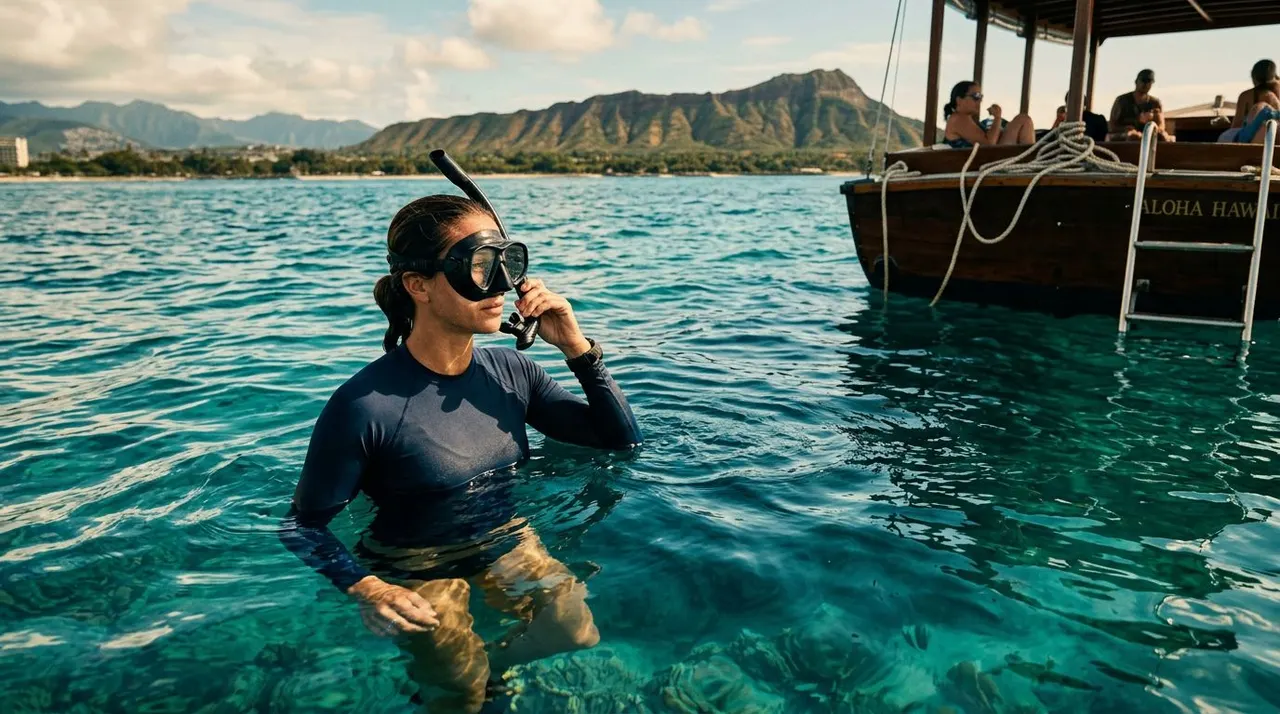
The first few minutes of a Honolulu snorkel can feel uncertain when you have a stoma. You may be wondering about leaks, ladders, restroom access, and whether your pouch will stay secure in salt water.
Snorkeling with a stoma can be comfortable when your surgical site has healed and your pouching system has a reliable seal. Snorkeling with a stoma in Honolulu also requires a tour operator that answers practical questions clearly before you pay.
Use the checklist below to choose an excursion that matches your health, comfort, and confidence in the water.
Get medical clearance before booking
A tour operator can explain the boat and schedule, but your surgeon or ostomy nurse should guide decisions about your body. Ask for medical advice before booking if your surgery was recent or your pouching system has been difficult to manage.
Confirm that your stoma is ready for salt water
You should wait until your incision has healed and your skin around the stoma is stable. Unexplained bleeding, open skin, painful irritation, or repeated leaks are reasons to postpone a snorkel and contact your care team.
The United Ostomy Associations of America explains that a pouching system is water-resistant when properly sealed, and water won’t harm or enter the stoma. You can review its guidance on swimming with an ostomy before speaking with your medical provider.
Ask whether your doctor recommends a support belt, barrier strips, or a different appliance for ocean activity. A belt may provide comfort, but some support belts don’t keep the pouch or wafer dry.
Test your setup before your vacation
Try your planned swimwear and pouching system at home before you board a boat in Hawaii. A bath or shower can show whether the garment pulls on the appliance, whether the pouch stays flat, and whether the edges begin to lift.
High-waisted swimwear, a snug swim shirt, or water-resistant shorts can hold the pouch close to your body. You don’t need to hide your appliance, but a secure fit can reduce movement and help you feel more relaxed.
If you’re nervous, take a short swim in a familiar setting first. That test can reveal problems while you still have easy access to your supplies and bathroom.
Questions for snorkeling with a stoma in Honolulu
Once your medical team approves water activity, speak directly with the tour company. Don’t rely only on a booking page. Ask about the exact vessel, entry method, trip length, and facilities available during the excursion.
How do you enter and leave the water?
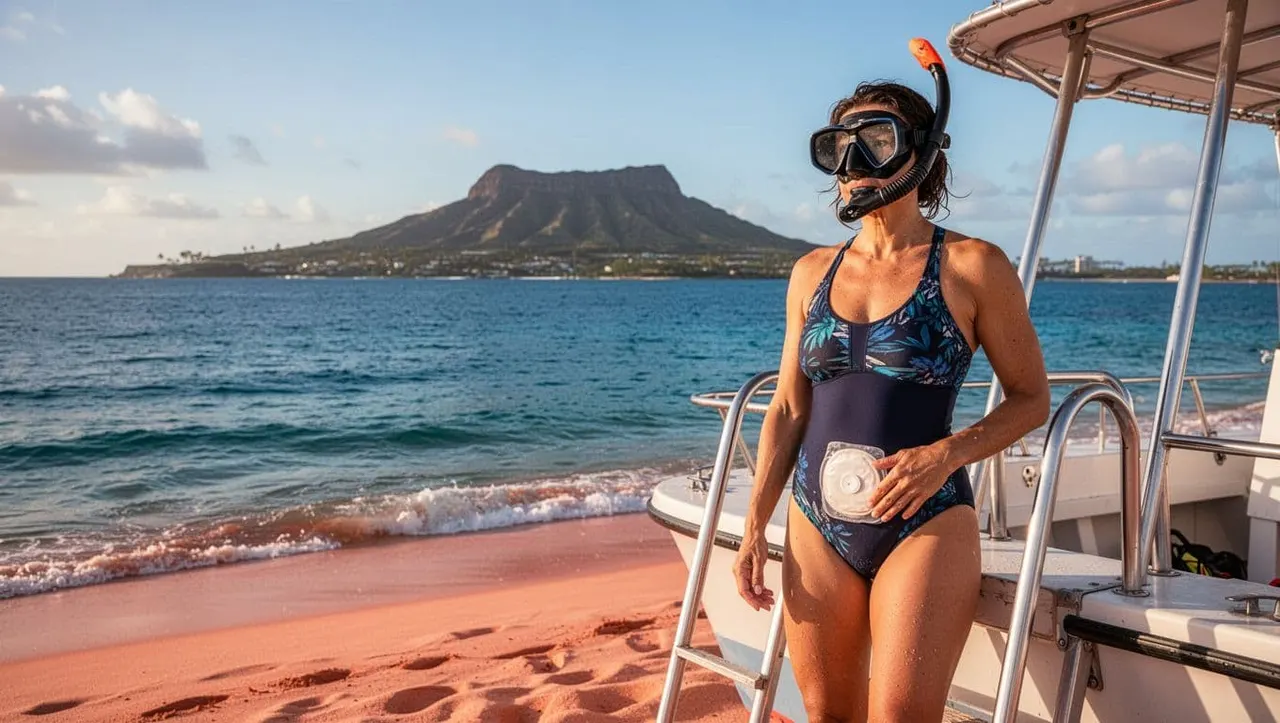
A boat snorkel usually requires you to climb a ladder into the ocean and climb back aboard. Ask whether the ladder has wide steps, secure handrails, and enough room for you to move without twisting or pulling at your pouch.
You should also ask whether the crew provides assistance at the ladder. Professional guidance matters if you feel tired, the boat moves with the swell, or you need to keep one hand near your appliance.
Find out whether the tour includes a beach entry, a platform entry, or a jump from the boat. If your pouching system is a concern, avoid jumping or diving. A controlled ladder entry gives you more time to check your clothing and equipment.
Is there an accessible restroom and private space?
Ask whether the specific boat has an onboard restroom, sometimes called a marine head. Then ask whether you can reach it safely while the vessel is moving and whether it provides enough room for ostomy care.
You should also confirm whether the crew can store a dry change kit and whether a private changing area exists. A restroom may be suitable for ordinary use but too small for replacing an appliance.
Trip length matters here. A short reef excursion creates a different planning need than a longer wildlife cruise. Request the total time away from the harbor, including transport, safety instructions, snorkeling, and the return trip.
Prepare your pouch for the water
Good preparation reduces stress, but it can’t replace a secure appliance. Build your plan around the system that already works for you instead of trying an unfamiliar product on tour day.
Give the wafer time to bond
Apply a new wafer or barrier well before you enter the water. Guidance varies, so ask your ostomy nurse about the bonding time for your specific product. The WOCN Society is cited in ostomy guidance that recommends allowing up to 12 hours for proper adhesion.
Empty your pouch immediately before swimming. If output is a concern, the UOAA recommends eating a few hours before the activity instead of eating right before you get into the water. Its swimming tips for ostomy users cover these small steps in practical detail.
Check the edges of your wafer before leaving your hotel. If you use a filter, cover its vent with the supplied sticker before getting wet. Remove the cover after swimming so the filter can work normally again.
Waterproof tape, barrier strips, or flange extenders can add reassurance around the edges. Use only products you have already tested, since adhesive changes can irritate sensitive skin.
Pack a complete backup kit
Keep supplies in a waterproof pouch inside your carry-on or day bag. Bring more than you expect to use, especially if you plan to spend several hours away from your hotel.
Your kit should include:
- One or two spare pouching systems that match your usual appliance.
- Skin wipes, barrier products, and any tape or strips you routinely use.
- Filter covers, disposal bags, and clean paper towels.
- A spare swimsuit or swim shirt.
- A sealable plastic bag for wet clothing or used supplies.
- Drinking water and any oral rehydration product approved by your provider.
After swimming, rinse salt, sand, and sunscreen from the skin around the baseplate. Pat the appliance dry, then check for lifting edges, softened adhesive, or irritation.
Choose a Honolulu tour that fits your needs
The right tour gives you a clear plan before you leave the dock. Look for a company that answers accessibility questions without treating them as an inconvenience.
Consider a guided Turtle Canyon excursion
Living Ocean Tours departs from Kewalo Basin Boat Harbor, a short distance from Waikiki Beach. Its Turtle Canyon Snorkel Excursion travels along the Waikiki coast to a natural Hawaiian green sea turtle cleaning station.
The company reports a 95% success rate for turtle sightings, although wildlife encounters can never be guaranteed. The experience includes snorkeling gear, professional guidance, light snacks, and beverages after you finish in the water.
Living Ocean Tours is the only tour company with professional snorkel guides. That matters when you want help with water entry, equipment, pacing, and respectful wildlife viewing. You should still discuss your stoma needs with the crew before booking.
The fleet includes Coast Guard-inspected, custom-built double-decker vessels with shaded seating, restrooms, dry storage, and heavy-duty ladders. Ask which boat operates on your date and whether its facilities match your needs.
You can review the Turtle Canyon snorkel excursion details before contacting the company.
Check the vessel’s comfort features
Boat movement can affect your comfort, especially when you need to manage an appliance or climb a ladder. Living Ocean Tours operates the Coral Kai and Lokahi. The Lokahi includes a SeaKeeper stabilization system designed to reduce rolling.
Ask whether the stabilized vessel is scheduled for your departure. Also confirm how long you’ll remain offshore, where dry supplies can stay, and whether shaded seating is available between snorkel sessions.
If you prefer an ocean outing without entering the water, ask about other cruise options. A sunset or sightseeing trip may suit you better while your skin heals or if you don’t yet trust your seal.
For current departure choices across the company’s Honolulu ocean tours, check the schedule and then call with your specific questions.
Plan around heat, hydration, and sea conditions
Honolulu’s sun can feel intense on an open boat, even when a steady breeze makes the air comfortable. Drink regularly, use reef-conscious sun protection, and spend time in shaded seating when you’re not snorkeling.
Ask about timing and total time aboard
Request the exact check-in time, departure time, snorkeling window, and expected return. Then plan your pouch change, meal, and bathroom visit around that schedule.
A fresh appliance shouldn’t be applied immediately before entering the ocean unless your medical provider says it’s appropriate for your product. Leave enough time for the seal to bond, and empty the pouch before boarding or entering the water.
Confirm the cancellation policy for poor weather and rough seas. Wind, visibility, and swell can change the comfort of a Honolulu snorkel. Check conditions again on the morning of your tour.
Protect your skin and energy
Salt water, sand, and wet fabric can irritate skin around the wafer. Rinse your body and appliance after swimming, then change into dry clothing when possible.
Bring water even if the boat provides beverages. Dehydration can affect anyone, and ostomy output can make fluid planning more important. Ask your healthcare provider whether you need an oral rehydration solution for a hot day on the water.
The most useful booking question is often simple: “What happens if I need private ostomy care during the trip?”
A clear answer tells you whether the operator understands the practical side of your outing.
What to ask the crew before departure
Call before booking and explain only the information needed to plan safely. You can say that you have a stoma and need to confirm ladder access, restroom use, privacy, dry storage, and assistance entering the water.
Ask these questions:
- Which vessel is scheduled for my date?
- Does the boat have a restroom, and can guests use it while underway?
- Does the swim ladder have wide steps and handrails?
- Can a crew member assist me at the ladder?
- Where can I keep a waterproof backup kit?
- Is there a private area for changing or appliance care?
- How long will the boat stay away from the harbor?
- What happens if the sea becomes too rough for comfortable snorkeling?
The answers should be specific. If a staff member can’t confirm basic details, contact the operator again or choose a tour with clearer support.
Remember that you control your participation. You can remain aboard, shorten your time in the water, or leave the water early if your appliance feels loose or your skin becomes uncomfortable.
Conclusion
Snorkeling with a stoma is possible when your surgical site has healed, your pouch seal is dependable, and your tour plan covers entry, restroom access, supplies, hydration, and weather.
Ask your medical team first, then ask the operator detailed questions about the exact boat and schedule. With the right preparation and professional support, you can focus on Hawaii’s clear water and reef life instead of wondering what might go wrong.


