
Snorkeling with ear tubes: Questions to Ask Before Swimming
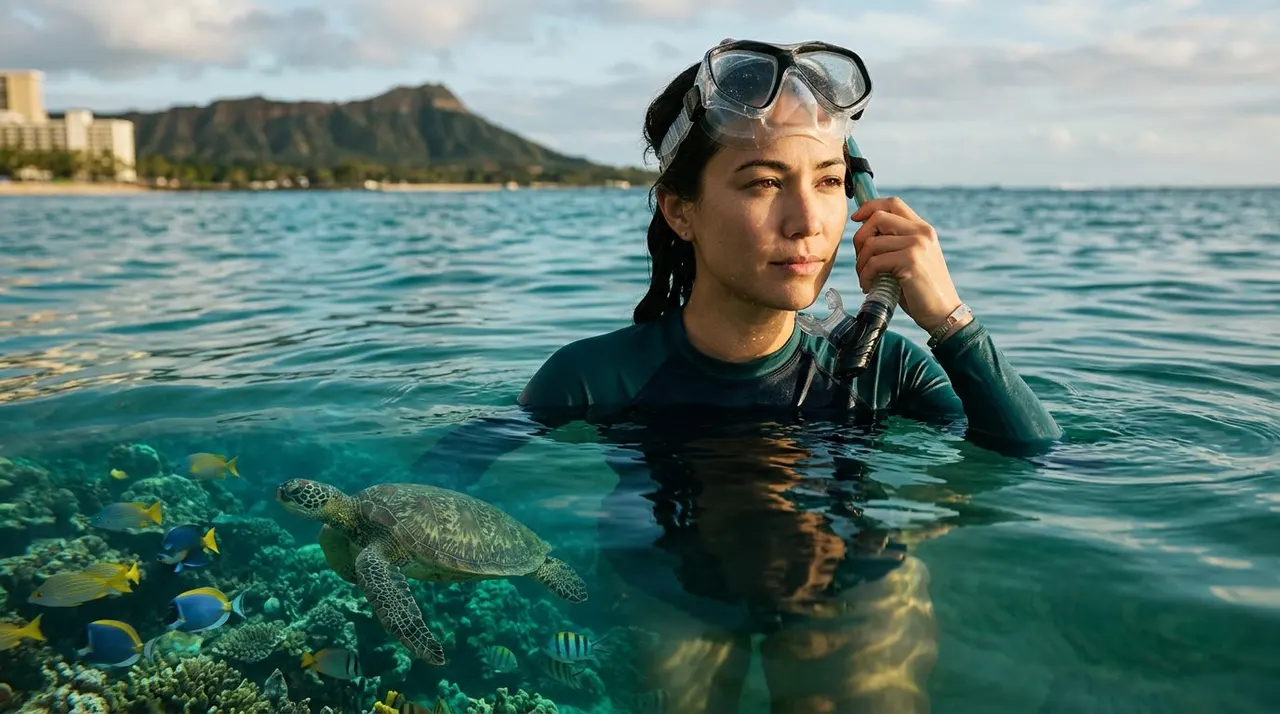
Honolulu’s clear water can make a snorkel trip hard to pass up, especially when sea turtles and reef fish are close to Waikiki. Still, snorkeling with ear tubes calls for a plan that fits your own medical history, not a quick assumption that all water is the same.
Surface snorkeling may be acceptable for many people with tympanostomy tubes, but ocean conditions, recent surgery, ear drainage, and underwater pressure all matter. Ask the right questions before you board, then choose a trip that lets you stay within your ENT’s advice.
Why snorkeling with ear tubes needs individual guidance
Ear tubes create a tiny opening through the eardrum to ventilate the middle ear. That can reduce pressure problems from recurring fluid, but it also changes how you should consider water exposure.
The American Academy of Otolaryngology, Head and Neck Surgery Foundation does not recommend blanket water restrictions for every child with tubes. However, its 2026 summary on swimming and ear tubes draws an important line between treated pools and untreated natural water.
Surface floating is different from diving
A relaxed snorkel at the surface is not the same activity as diving beneath the water. When you duck-dive, jump into waves, or swim several feet down, pressure increases around your ears.
Many ENT offices advise patients with tubes to avoid underwater swimming and diving. Therefore, ask whether you should remain fully at the surface, even if you feel comfortable in the water.
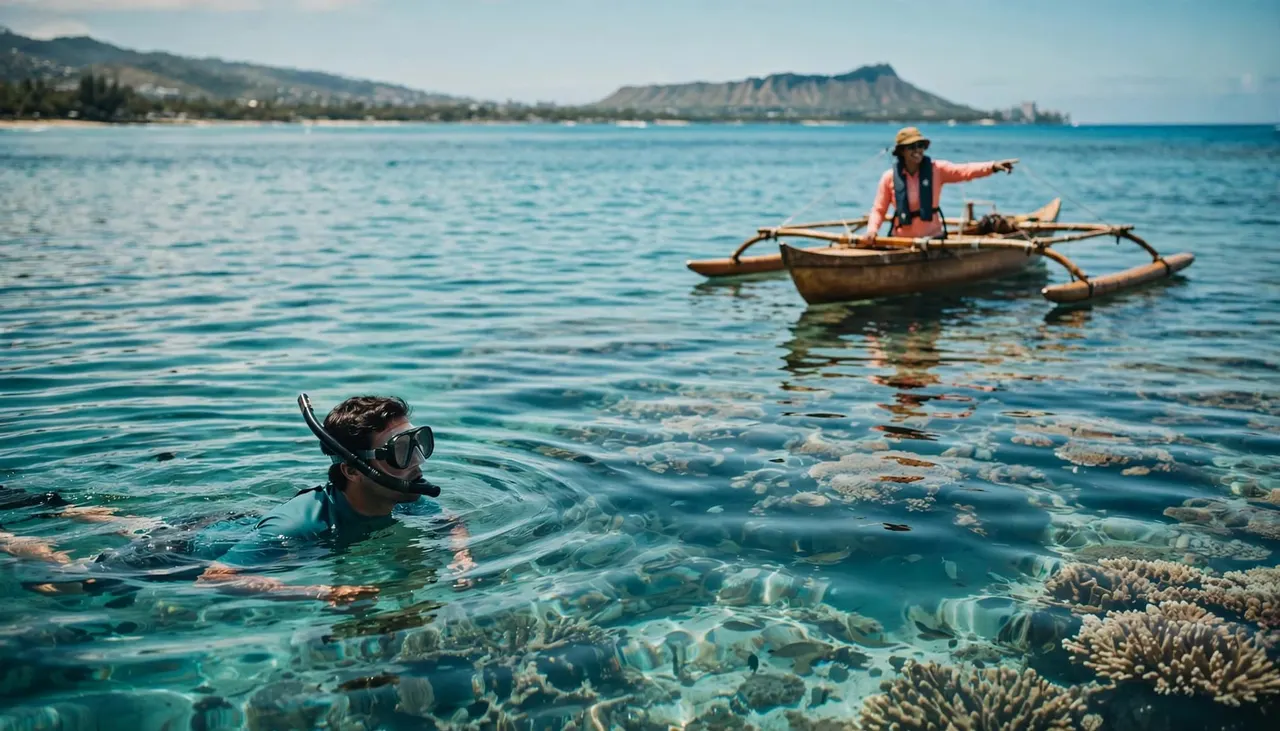
A snorkel does not require you to descend. You can float face-down, watch the reef below, and keep your ears out of deeper pressure changes.
Ocean water deserves a separate question
Treated pools have controlled chemistry. Ocean water is natural water, and its quality can change with runoff, surf, harbor activity, and weather.
The AAO-HNSF’s 2026 report found that natural-water exposure was linked with higher odds of recurrent ear drainage in children with tubes. This does not mean every ocean swim causes an infection. It does mean you should ask your ENT about Honolulu snorkeling rather than relying on pool advice.
A medical green light for pool swimming does not automatically mean your ENT recommends ocean snorkeling, underwater play, or diving.
Questions to ask your ENT before snorkeling with ear tubes
Bring up your trip before you travel if possible. Your ENT can tailor advice to the type of tube, your healing progress, and any history of ear infections or drainage.
Ask when water exposure is allowed
Start with timing. Some patients can swim after a short recovery period, while others must wait until a follow-up confirms the ear is dry and healing well.
Ask your ENT:
- What date can I safely enter ocean water after tube placement or removal?
- Does my ear need a post-operative check before I snorkel?
- Does a past ear infection, active drainage, or ear canal eczema change the recommendation?
- Should I avoid snorkeling if I have a cold, congestion, allergies, or sinus pressure?
The American Academy of Pediatrics guidance on ear tube surgery says most children do not need broad swimming or bathing restrictions. Your own surgeon’s instructions still come first, especially after a recent procedure.
Ask about depth, ear protection, and treatment
Be plain about what you plan to do. Tell your ENT you expect to snorkel in the Pacific, float at the surface, ride a boat, and possibly encounter gentle swells.
Ask whether you should use fitted swim plugs, ear putty, a neoprene headband, or no protection at all. Routine plugs are not required for every person with tubes, but they may make sense if you get repeat drainage, discomfort in water, or have another condition that raises infection risk.
Also ask what to do if symptoms appear. You should know whether to stop swimming, use prescribed drops, or seek an exam if you develop pain or discharge.
Know the signs that mean you should skip the water
A perfect beach day isn’t a reason to ignore a problem that needs care. If you have active symptoms, keep the snorkel gear dry and speak with your clinician.
Ear drainage is a clear stop sign
Fluid, pus, blood, or foul-smelling discharge can point to an infection or irritation. Don’t try to solve it with earplugs and a shorter swim.
Pain, new muffled hearing, dizziness, fever, or a spinning sensation also deserve attention. In addition, stop immediately if ocean water enters your ear and causes sharp discomfort.
Research on water precautions and tympanostomy tubes explains why clinicians focus on preventing ear drainage, also called otorrhea. The goal is not to take the fun out of a trip. It is to avoid turning a vacation swim into a painful infection.
Do not test your limits in the surf
Avoid duck-diving to get a closer reef view. Skip cannonballs, wave jumping, and any activity that repeatedly forces your head underwater.
If the day brings strong wind or choppy seas, stay on the boat or choose a dry sightseeing option. You can still enjoy the coast without pushing past your medical plan.
Questions to ask a Honolulu snorkel operator
Your medical provider decides whether you can snorkel. A tour crew cannot replace that advice. Still, a good operator can explain the route, water-entry process, supervision, and conditions that affect your comfort.
Ask about the water plan, not only the destination
Before booking, ask whether the tour allows you to remain at the surface and close to the boat. Find out how long swimmers usually spend in the water and whether the crew can point out a calmer area.
You should also ask:
- Is snorkeling guided, and will someone help you adjust a leaking mask or uncomfortable fins?
- Does the crew assess swell, wind, currents, and boat traffic before guests enter?
- Is there a ladder with room to reboard slowly if you tire?
- Can you stay aboard if the water feels wrong once you arrive?
A clear answer matters more than a flashy promise. You need a crew that respects a conservative plan.
Choose a crew that supports safe entry and exit
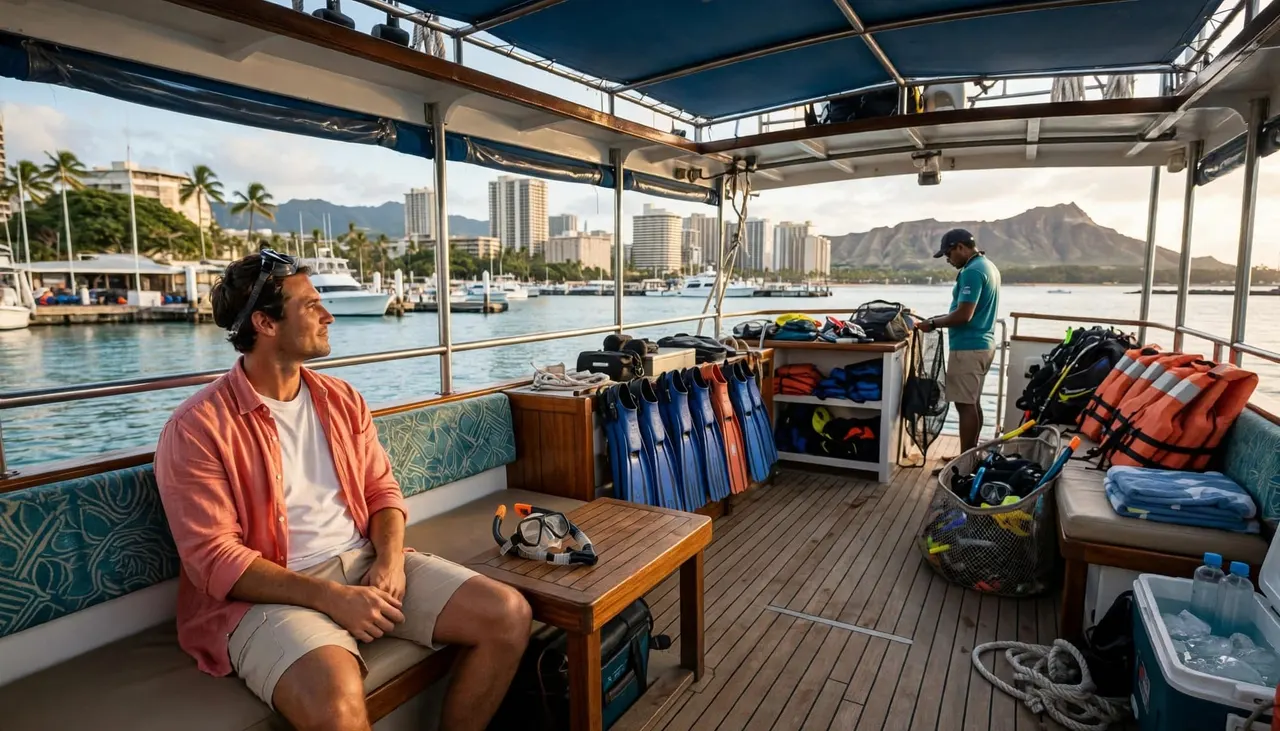
Wet steps and loose gear can create problems before you reach the reef. On a double-decker boat, deckhands should keep pathways clear, direct you safely between decks, and help you move carefully when conditions change.
Living Ocean Tours departs from Kewalo Basin Boat Harbor, minutes from Waikiki, with family-friendly Honolulu ocean tours. The company uses Coast Guard-inspected double-decker vessels with shaded seating, onboard restrooms, dry storage, and heavy-duty ladders. It is also the only tour company with professional snorkel guides.
Their crew can help fit your mask and fins, watch the swim step, and guide a measured return to the boat when your legs feel tired.
Prepare for a more comfortable Waikiki snorkel day
Good preparation lets you focus on the reef instead of small problems that grow once you’re offshore. Pack lightly and keep your medical needs easy to reach.
Bring gear that does not distract you
Wear a secure swimsuit and footwear with grip for boarding. Bring reef-safe sunscreen, sunglasses, a hat, drinking water if your operator allows it, and a light cover-up for the ride home.
Tell the crew before departure that you have ear tubes and that your ENT has limited you to surface snorkeling. You do not need to share private medical details beyond what helps the team support you.
If you use earplugs or a headband, test them in a shower or calm pool before your trip. A new product that slips, leaks, or causes pain should not get its first test in open water.
Plan for motion and fatigue
Ocean swells can feel stronger than they look from shore. Eat a light meal, drink water, and ask your doctor or pharmacist about motion-sickness options if you are prone to nausea.
Once aboard, choose a stable seat and keep walkways open. If conditions change, listen to the captain and deckhands. They monitor wind, swell, vessel traffic, and guest comfort throughout the outing.
Arrive early enough to board without rushing. Living Ocean Tours lists its harbor location at 1125 Ala Moana Boulevard, Slip B-01, and you should confirm check-in instructions in your booking email.
Make a family plan before anyone gets in
If your child has tubes, set the rules before the excitement of a turtle sighting takes over. Children can easily forget a no-diving rule when friends splash nearby.
Give kids one clear boundary
Use direct language: stay on the surface, keep the mask on, and do not dive under the water. If their ear hurts, they should signal an adult and return to the boat.
A snug flotation device can help a younger swimmer relax without needing to bob underwater. It also saves energy for the ladder climb back aboard.
Respect the reef and its wildlife, too. You may see Hawaiian green sea turtles at cleaning stations, but you should observe without touching, chasing, or blocking their path.
Select the right tour after medical clearance
After your ENT approves your plan, a guided Turtle Canyons outing can suit families who want a monitored surface snorkel near Waikiki. Living Ocean Tours reports a 95% turtle-sighting rate at the natural cleaning station, though wildlife encounters can never be guaranteed.
If you receive clearance and the day’s conditions fit your limits, you can CHECK AVAILABILITY for a guided Honolulu snorkel experience.
A safer way to enjoy Honolulu’s reef
Snorkeling with ear tubes can be possible, but the safest version of the experience is the one your ENT approves. Surface-only swimming, dry ears before departure, and a plan for symptoms can make your decision much clearer.
You do not need to chase depth to see Oahu’s marine life. With calm conditions, a capable crew, and clear medical guidance, you can enjoy the colors and movement of the reef while respecting your ears and the ocean.


