
Snorkeling With Dentures: Oahu Mouthpiece Comfort Tips
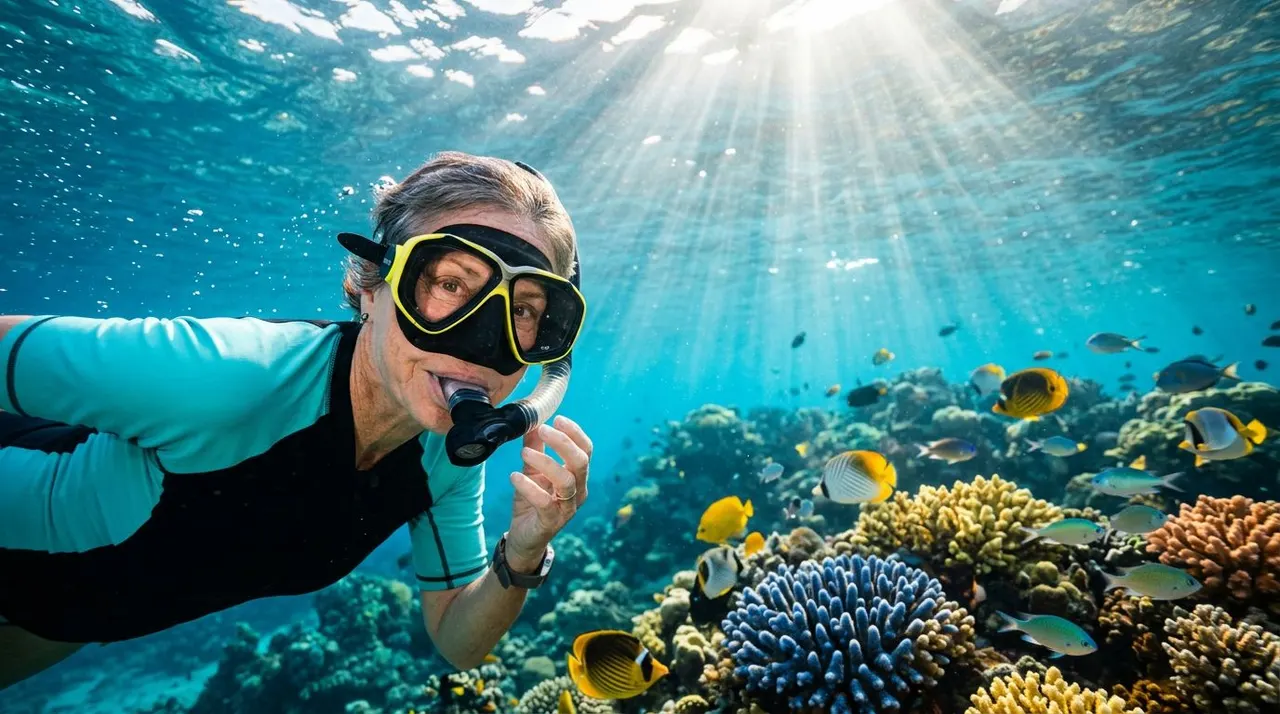
Snorkeling with dentures can feel uncertain, especially when you picture waves, a tight mouthpiece, and the possibility of losing your teeth in the Pacific. The good news is that you can enjoy Oahu’s clear water with the right preparation, a comfortable snorkel, and a calm approach.
Your dentures need to stay secure before you enter the water. You also need to choose equipment that doesn’t force your jaw into an awkward position. These practical tips can help you explore Hawaii’s reefs with more confidence and comfort.
Can You Go Snorkeling With Dentures?
Yes, many people can go snorkeling with dentures. However, you should treat your dentures as a medical and comfort concern, not as ordinary gear. A snorkel mouthpiece rests between your teeth and gums, so a poor fit may create pressure, soreness, or movement.
Full dentures can shift more easily than natural teeth, especially on the lower jaw. Partial dentures may feel more stable, but metal clasps or acrylic edges can still become uncomfortable against a mouthpiece. Adhesive may improve stability, but it doesn’t guarantee that your dentures will stay in place during every movement.
Before your Oahu vacation, speak with your dentist. Ask whether your dentures fit securely enough for swimming and snorkeling. Your dentist can also recommend an adhesive or explain whether a custom mouthguard or modified mouthpiece would help.
Your first test should happen in a calm, familiar setting, not on a boat in open water.
Try your mask and snorkel at home first. A clean bathtub, shallow pool, or calm beach lets you check whether you can breathe comfortably without clenching your jaw. Practice removing the mouthpiece, replacing it, and breathing slowly through your mouth.
If your dentures already move while you eat or speak, snorkeling may be uncomfortable without professional advice. Strong waves, repeated jaw movement, and water entry can make that movement more noticeable.
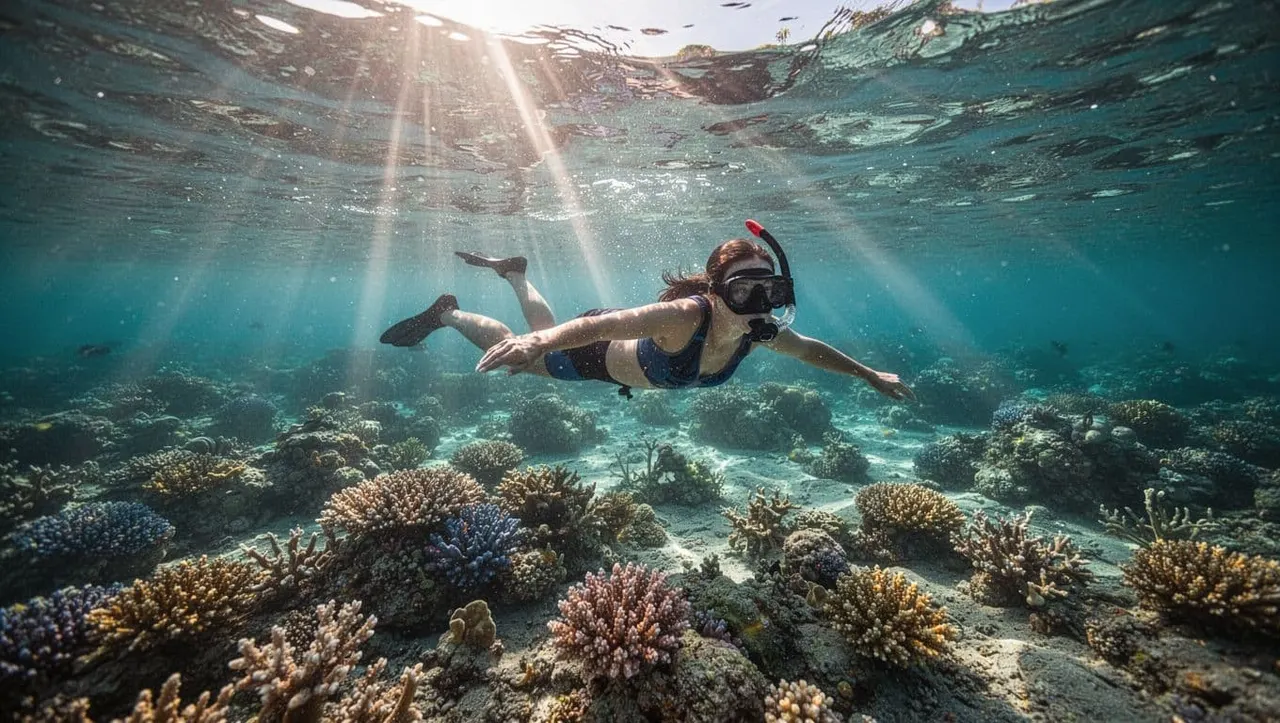
Choose a Comfortable Snorkel Mouthpiece
The mouthpiece is the part of the snorkel that affects your dentures most. Standard rental equipment often has a one-size-fits-most design. That may work well for one guest and feel painful for another.
Look for a soft silicone mouthpiece with shorter bite tabs and a shape that doesn’t require heavy pressure. A mouthpiece that feels too large may push against your gums. A stiff design can encourage you to bite down, which may increase discomfort and loosen a denture.
A dry-top snorkel can also help. Its valve reduces the amount of water entering the tube when a wave passes over you. A purge valve at the bottom makes it easier to clear small amounts of water without removing the snorkel.
You can review features such as dry-top valves, purge systems, and flexible tubes in this snorkel buying guide. Even when you use a tour operator’s gear, knowing these features helps you request a better-fitting snorkel.
Ask the crew for another mouthpiece if the first one feels wrong. You shouldn’t need to bite hard to keep the tube in place. Your lips should create the seal, while your teeth provide gentle support.
Try a Full-Face Mask Carefully
A full-face snorkel mask may seem attractive because it doesn’t require you to hold a mouthpiece between your teeth. However, you need to check the design and follow the manufacturer’s instructions carefully.
Some full-face masks have raised breathing channels, limited visibility, or poor seals around facial hair. They may also make it harder for a guide to see your mouth or communicate with you. Never use a full-face mask if you feel short of breath or uncomfortable.
For many guests with dentures, a traditional mask and snorkel remain easier to control. You can remove the mouthpiece quickly, communicate with the crew, and adjust your breathing without lifting the entire mask.
Secure Your Dentures Before Entering the Water
If your dentist approves adhesive, apply it according to the product instructions. Use only the amount recommended. Excess adhesive can spread around your gums and make the mouthpiece feel slippery.
Allow enough time for the adhesive to set before you leave your hotel. Do not apply it for the first time at the harbor. You need to know how it feels and whether it causes irritation.
Pack a small denture care kit in your day bag. Include:
- Your denture case
- A clean towel or soft cloth
- Approved denture adhesive
- A small container of clean water
- Your dentist’s contact information
- A spare set of essential medications, if needed
Never wrap dentures in a napkin. On a busy boat, a crew member or family member could mistake the bundle for trash. Use a clearly marked case and keep it in dry storage.
Rinse your dentures with fresh water after the tour. Saltwater can leave residue around the denture surface and mouth. Follow your normal cleaning routine when you return to your accommodations.
You can also ask whether the boat has a secure place for personal items. Living Ocean Tours operates out of Kewalo Basin Boat Harbor, minutes from Waikiki, and its Coast Guard-inspected vessels include dry storage and onboard restrooms. Those details make it easier to manage personal care needs during a water excursion.
Practice Breathing Without Clenching
Many new snorkelers bite the mouthpiece because they feel nervous. With dentures, that habit can create extra pressure and cause fatigue around your jaw.
Place the mouthpiece gently between your teeth. Close your lips around it without pulling your cheeks inward. Then breathe in and out slowly through your mouth. Your jaw should stay relaxed.
Start on land, then practice in shallow water with a companion nearby. Keep your face above water until the breathing pattern feels natural. After that, place your face in the water for short periods.
When you need to speak, remove the mouthpiece first. Don’t try to talk around it. If you feel coughing, jaw pain, or denture movement, lift your head and tell the guide.
Professional snorkel guides can help you adjust your position and equipment. Living Ocean Tours is the only tour company with professional snorkel guides, giving beginners and guests with special comfort concerns direct support in the water.
Hawaii’s official snorkeling safety guidance recommends preparing your equipment and avoiding poor visibility conditions. Follow the same principle with dentures: test every part of your setup before you depend on it offshore.
Plan Your Oahu Snorkeling Trip Around Comfort
The calmest conditions usually make snorkeling easier. Ask about the day’s water conditions before boarding. Wind, current, and boat movement can affect how much effort you use to keep your face in the water.
A stable boat also helps. Living Ocean Tours uses the Coral Kai and Lokahi, custom-built double-decker vessels with shaded seating, restrooms, dry storage, and heavy-duty ladders. The Lokahi includes a SeaKeeper stabilization system designed to reduce rolling and improve comfort while underway.
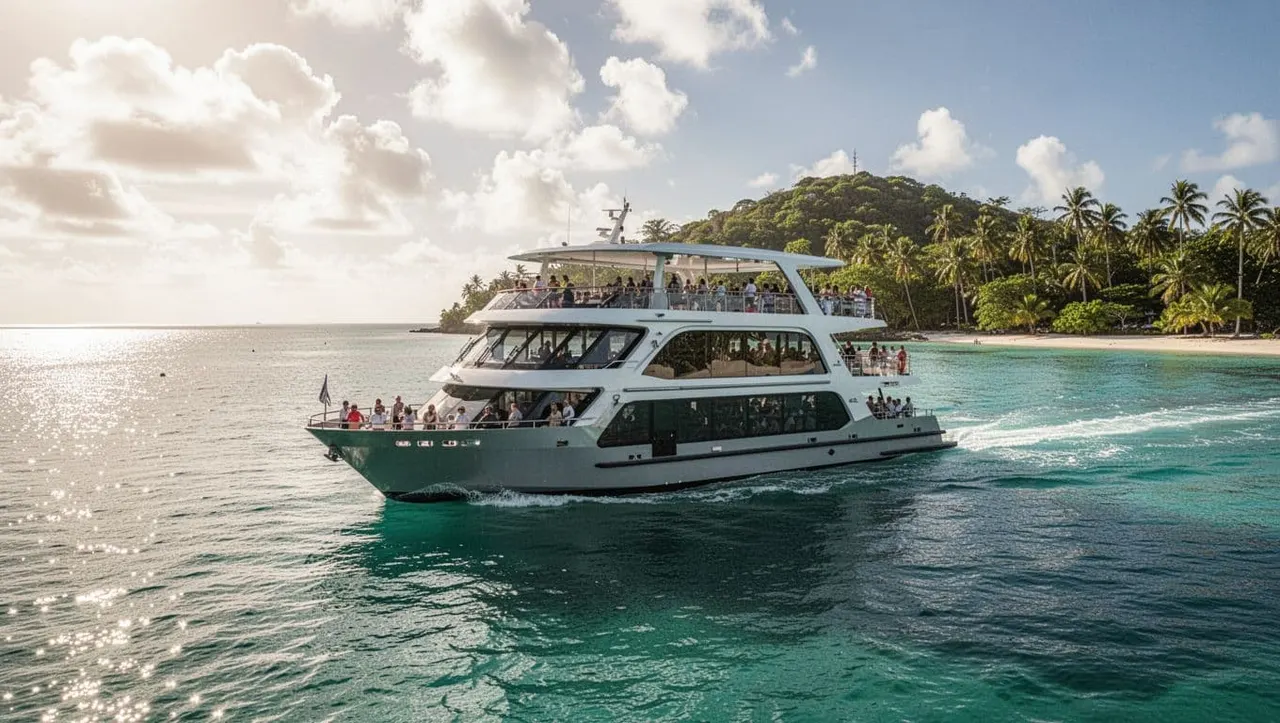
Choose a tour with a clear safety briefing and enough time to practice. You don’t need to rush into the water. Enter using the ladder, secure your mask, and place the snorkel in your mouth after you’re stable.
A guided Turtle Canyons Snorkel Excursion can be a good option when you want assistance close by. The crew can help you select equipment and explain how to enter and exit safely. Living Ocean Tours reports a 95% success rate for spotting Hawaiian green sea turtles at a natural underwater cleaning station, although wildlife sightings remain subject to nature.
You can learn more about the Turtle Canyons snorkel excursion before choosing your trip. Remember to observe turtles and reef life without touching, feeding, or chasing them.
When You Should Skip Snorkeling With Dentures
You should postpone the activity if your dentures are loose, your gums are sore, or you recently had dental work. Pain can distract you from breathing and water awareness.
Skip the water if adhesive causes burning, swelling, or a rash. You should also stop immediately if your dentures shift and you cannot reseat them comfortably. Signal the guide, return to the boat, and use your denture case.
Strong anxiety deserves attention too. A private swim in a pool or a shallow-water practice session may help you build confidence before taking an ocean tour. You can still enjoy Oahu if snorkeling doesn’t feel right. A sunset cruise, wildlife cruise, or whale-watching trip lets you experience the coast without putting a mouthpiece between your teeth.
During whale season, Living Ocean Tours offers seasonal Humpback Whale Watching trips from January through March. Guests can also choose a Waikiki sunset cruise or Friday night fireworks cruise. These options keep the ocean experience enjoyable while allowing you to avoid a snorkeling mouthpiece.
The right choice depends on your dental comfort, swimming ability, and the day’s conditions. No reef encounter is worth ignoring pain or safety concerns.
Caring for Dentures During an Ocean Tour
Before boarding, tell the crew that you wear dentures if you need extra help. You don’t need to share private medical details. A simple request for a secure storage area or a spare mouthpiece is enough.
Keep your case closed when it’s not in use. Don’t place dentures on a boat rail, seat, or towel. A sudden wave or gust of wind can move small items quickly.
After snorkeling, rinse your mouth with fresh water if available. Check your dentures before eating snacks or lunch. Remove any sand or grit that may have entered the mouthpiece or settled along the gumline.
Avoid using hot water on dentures because heat can distort some materials. Follow the cleaning directions supplied by your dentist or denture-care product. If you lose a denture, notify the crew right away. Searching on your own can put you at risk and may damage coral.
Respecting the reef is part of responsible snorkeling. Stay above coral, keep your fins away from the bottom, and leave Hawaiian green sea turtles undisturbed. A careful approach protects the place you came to enjoy.
Conclusion
Snorkeling with dentures can work when your dentures fit well, your mouthpiece feels soft, and you practice before reaching the ocean. Use adhesive only with your dentist’s approval, keep a secure case nearby, and tell the professional snorkel guides when you need equipment help.
Start slowly, choose calm conditions, and stop if pain or movement develops. With thoughtful preparation, you can enjoy Oahu’s reefs comfortably while observing Hawaii’s marine life with care.


