
Snorkeling With Contact Lenses: Oahu Comfort Tips
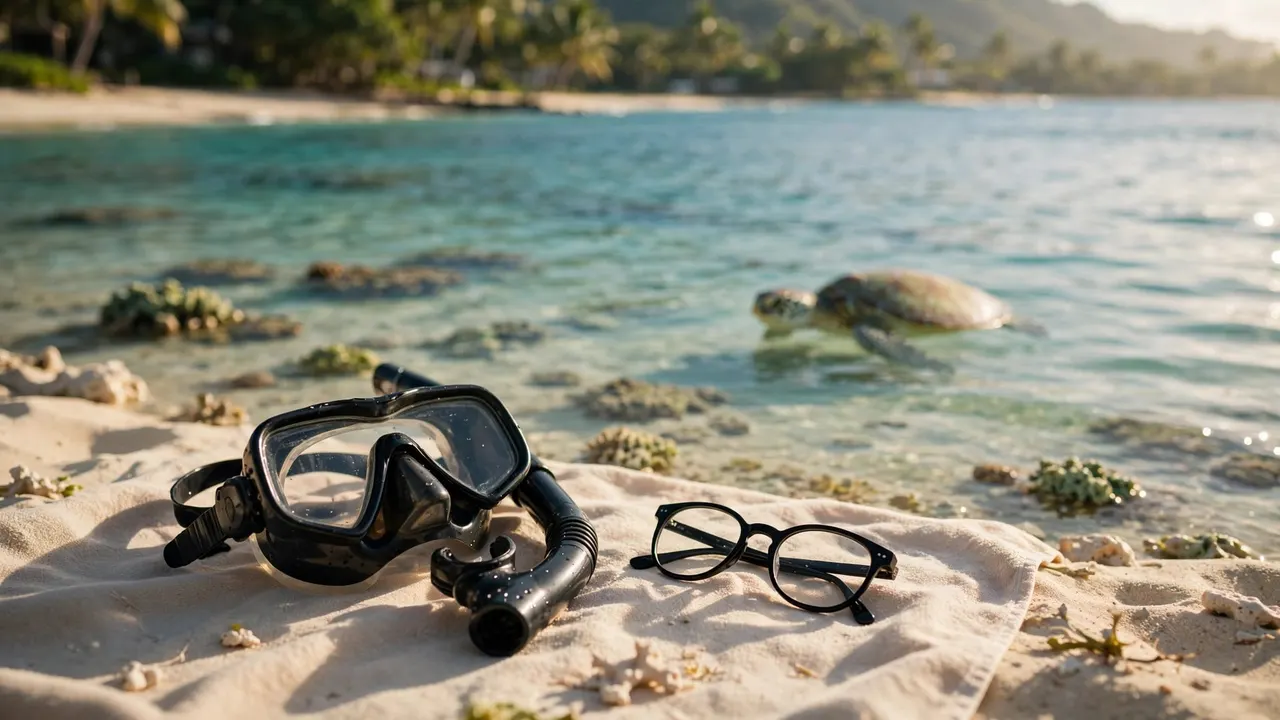
Your Living Ocean Tours snorkel day should be about turtle sightings, not sore eyes. If you’re planning snorkeling with contact lenses on Oahu, your first decision is how to see clearly without exposing your lenses to seawater.
A prescription snorkel mask is the safer option because eye-health guidance recommends removing contacts before water activities. Even a well-fitting mask can leak, so comfort starts with a backup plan.
Before you head toward Waikiki’s reefs, choose your vision correction, check your mask, and prepare for an unexpected splash.
Key Takeaways Before You Enter the Water
Your clearest reef view starts with protecting your eyes, rather than relying on a mask to stay completely dry.
- Remove contact lenses before snorkeling; ask about a prescription mask instead.
- A snug mask reduces leaks but doesn’t eliminate water exposure or infection risk.
- Pack glasses, spare lenses, and the proper supplies for your usual lens-care routine.
- If seawater reaches your contacts, leave the water and remove them with clean, dry hands.
- Seek prompt eye care for pain, redness, light sensitivity, or changes in vision.
Snorkeling With Contact Lenses: Understand the Risk
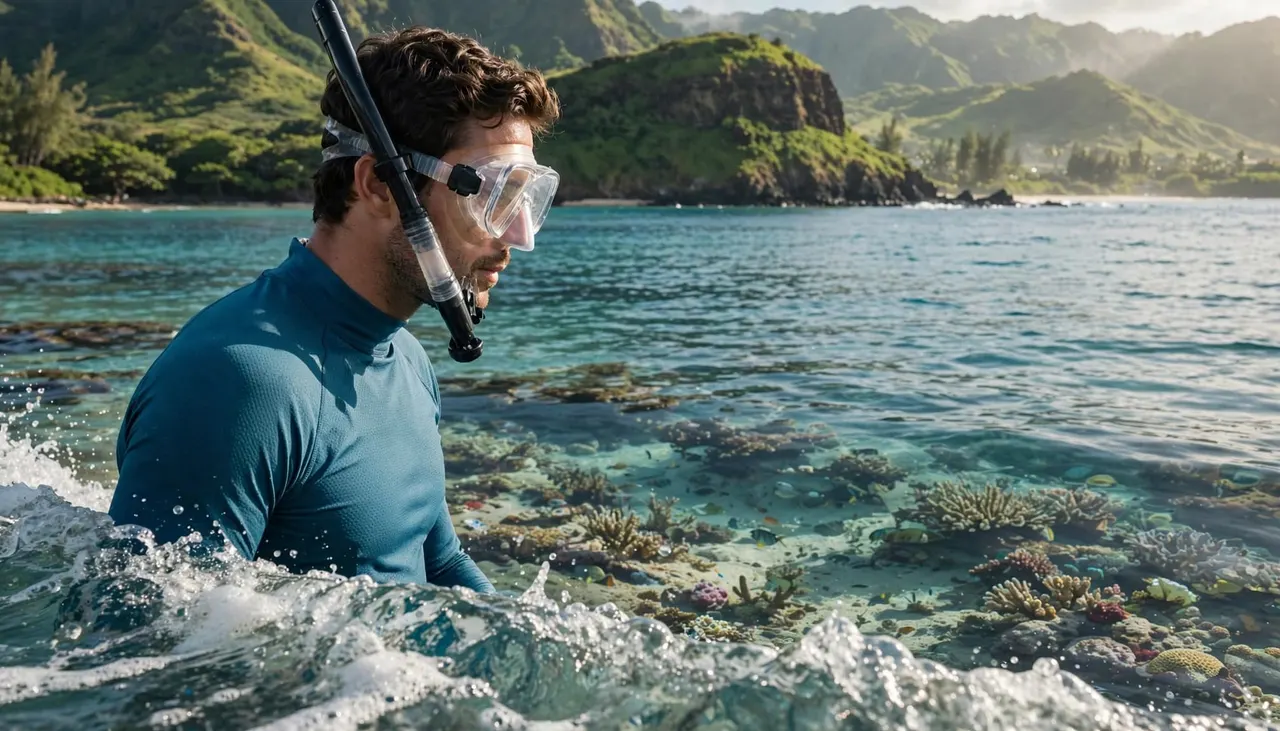
Ocean Water Isn’t Sterile
Clear turquoise water can still contain microorganisms. The CDC and FDA recommend keeping contact lenses away from water, including during swimming and snorkeling.
Water can change the shape of soft lenses or make them stick to your eyes. That can cause irritation or scratches, which may give germs an easier route into the cornea.
One concern is Acanthamoeba, an organism that can cause a rare but severe eye infection. Treatment can be lengthy, and serious cases can threaten vision.
A study of contact-lens water exposure documents risky water contact among both soft-lens and gas-permeable-lens wearers. Switching lens types doesn’t remove the need to keep water away.
A Good Seal Has Limits
Your mask creates an air space around your eyes and nose. However, hair, movement, or a poor fit can let seawater inside.
Closing your eyes during a flood may help prevent a lens from washing out. It doesn’t make exposed lenses safe to keep wearing.
Similarly, disposable contacts offer a convenient way to discard contaminated lenses. They don’t prevent infection during exposure. Treat the mask as snorkeling equipment, not a guarantee that your contacts will stay dry.
Choose Your Vision Correction Before Boarding
Prescription Masks Avoid the Contact-Lens Problem
Regular eyeglasses don’t fit properly beneath a standard snorkel mask. Their arms cross the sealing edge and create gaps where water can enter.
A prescription snorkel mask corrects your view without putting contact lenses in your eyes. You still need a comfortable fit, but a leak won’t expose a contact lens to seawater.
Living Ocean Tours lists onboard prescription-mask rentals at $10. Confirm availability and available correction strengths before departure, especially if your eyes have different prescriptions.
Rental lenses may not match complex prescriptions or astigmatism precisely. If your correction is unusual, ask your eye-care provider about a suitable mask before your trip.
Disposable Lenses Are a Backup Consideration
Living Ocean Tours permits contacts and suggests disposable lenses. That operating policy doesn’t replace the medical recommendation to remove contacts before entering the water.
If you ordinarily wear daily disposables, packing unopened replacements is useful for your travel day. Discard any pair exposed to water rather than trying to clean and reuse daily lenses.
Before snorkeling with contact lenses, discuss your plans with your eye-care provider. This matters even more if you have dry eyes, recent eye surgery, or previous corneal problems.
Avoid trying an unfamiliar lens brand for the first time on vacation.
Fit Your Mask Without Overtightening It
Test the Seal on Dry Skin
Start with clean skin and move loose hair away from your forehead and temples. Sand, excess sunscreen, and facial hair can interrupt the silicone skirt’s contact with your face.
Hold the mask against your face without using the strap. Gently inhale through your nose. It should stay briefly with light suction, without pinching or painful pressure.
Next, position the strap flat around the back of your head. Tighten it only enough to keep the mask comfortably in place.
Overtightening can distort the skirt and create a leak. If the mask needs constant pressure to stay sealed, ask for another size or shape.
Make Your First Minute a Gear Check
After entering, remain near the boat’s swim step and your guide. Float calmly, breathe through the snorkel, and notice whether water enters around your cheeks or forehead.
Tell the crew immediately if the mask leaks repeatedly. A different fit often helps more than another pull on the strap.
Small-faced adults and children may need smaller masks. Don’t assume the standard adult rental fits everyone.
Also, ask the crew to prepare the mask against fogging before entry. Keep defogging products away from your eyes and follow the product’s instructions.
Pack a Dry Backup Kit
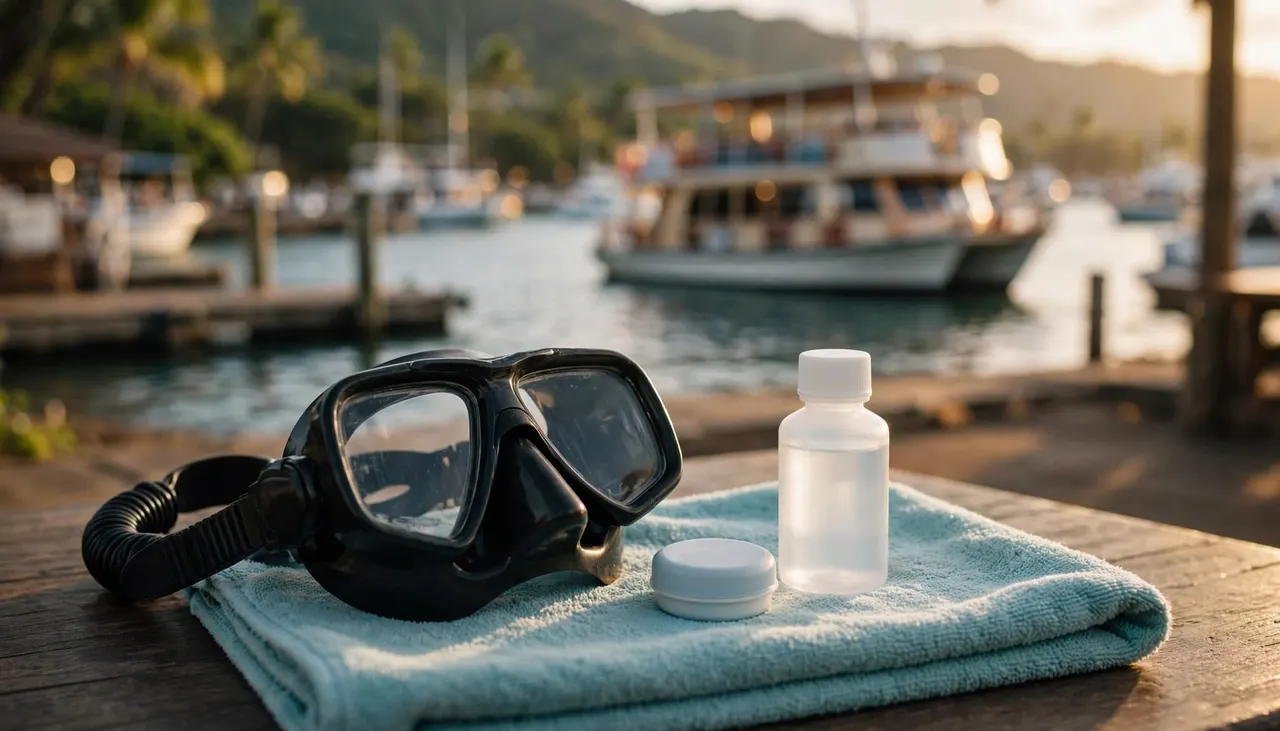
Packing for snorkeling with contact lenses means planning for the ride back as carefully as the swim. If you remove a lens, you still need usable vision around a wet deck and boat ladder.
Keep these supplies together in a waterproof pouch:
- Bring your glasses in a protective case, even if you usually wear contacts all day.
- Pack unopened spare lenses in your prescribed type and strength.
- For reusable lenses, carry a clean case and your recommended disinfecting solution.
- Include contact-lens-compatible lubricating drops recommended by your eye-care provider and a clean towel.
Saline doesn’t disinfect lenses. Neither does bottled drinking water, and seawater should never go into a lens case.
Keep supplies away from direct sun and follow their storage instructions. Don’t leave spare contacts loose in a beach bag.
For families, give each contact wearer their own supplies. Your prescription, solution requirements, and replacement schedule may differ from your partner’s or teenager’s.
What to Do If Your Mask Floods
A flooded mask requires a calm exit plan. If seawater reaches your contacts, stop the swim rather than continuing because the sting has faded.
- Signal your buddy or guide, keep your eyes closed while clearing the mask, and follow the crew’s directions.
- Return to the boat with assistance if your vision is blurred or you feel uncomfortable.
- Wash and thoroughly dry your hands before removing your lenses.
- Discard daily disposables. For reusable lenses, follow the recommended cleaning and overnight disinfection process before wearing them again.
- Put on your glasses and monitor your eyes for symptoms.
If a lens feels stuck, don’t scrape at it or force removal. Your eye-care provider may recommend compatible lubricating drops to help loosen it.
Replacing a wet lens with a fresh one doesn’t resolve pain or redness. Symptoms need attention before you resume contact wear.
Never rinse lenses with tap water or handle them with salty, sandy hands. Also, don’t stand on coral while adjusting equipment.
Snorkeling with contact lenses shouldn’t mean pushing through discomfort. You can end your water time whenever you need to.
Plan Your Oahu Snorkel With Crew Support
Living Ocean Tours departs from Kewalo Basin Boat Harbor near Waikiki. Its double-decker boats offer shaded seating, restrooms, dry storage, and ladders for water entry and exit.
The company describes itself as Oahu’s only tour operator with professional snorkel guides. You can ask those guides for help checking your mask, practicing basic skills, and adjusting equipment before swimming away from the boat.
Tell the crew about your vision needs early. For snorkeling with contact lenses, guide support helps with equipment and a calm exit, but it doesn’t remove the medical risks of water exposure.
Choose from Living Ocean Tours’ family-friendly Oahu ocean tours and confirm prescription-mask availability before booking.
The Turtle Canyon Snorkel Tour visits a natural turtle-cleaning area off Waikiki. Once your gear feels comfortable, float with your group and watch without touching wildlife or pursuing turtles.
Keep your buddy within sight, and tell your guide if you feel tired, nervous, or unable to see clearly.
Frequently Asked Questions
Can You Wear Glasses Under a Snorkel Mask?
Standard eyeglasses interfere with the mask’s seal. Use a prescription snorkel mask instead, and keep your glasses protected for use on deck.
Ask about corrective-mask options before departure rather than waiting until everyone is entering the water. Bring your prescription details if you’re unsure what correction you need.
Should You Remove Contacts Before Showering Afterward?
Yes. The recommendation to keep contacts away from water includes showers and hotel pools, not only the ocean.
Remove them with washed, dry hands first. If reusable lenses were exposed during snorkeling, follow their complete disinfection instructions. Never shorten the required soaking time because you’re heading out to dinner.
When Does Eye Irritation Need Medical Attention?
Pain, persistent redness, blurred vision, light sensitivity, unusual tearing, or discharge require prompt contact with an eye-care provider. Don’t assume the problem is only salt or sunscreen.
In Honolulu, Ala Moana Eye Center is at 1150 S King St., Suite 201. Call about appointment availability rather than assuming walk-in care.
For severe symptoms, seek urgent evaluation. Don’t postpone care until your flight home or put contacts back into an irritated eye.
Enjoy the Reef With a Clear Backup Plan
Your most useful preparation is a vision option that keeps contacts away from water. A prescription mask, comfortable seal, and accessible glasses let you focus on the reef without depending on dry lenses.
If water reaches your contacts, end the swim and follow proper removal and lens-care steps. Ask for crew help early, respect the wildlife, and give eye symptoms prompt attention.


