
Waikiki Snorkeling: How to Snorkel Comfortably With Braces
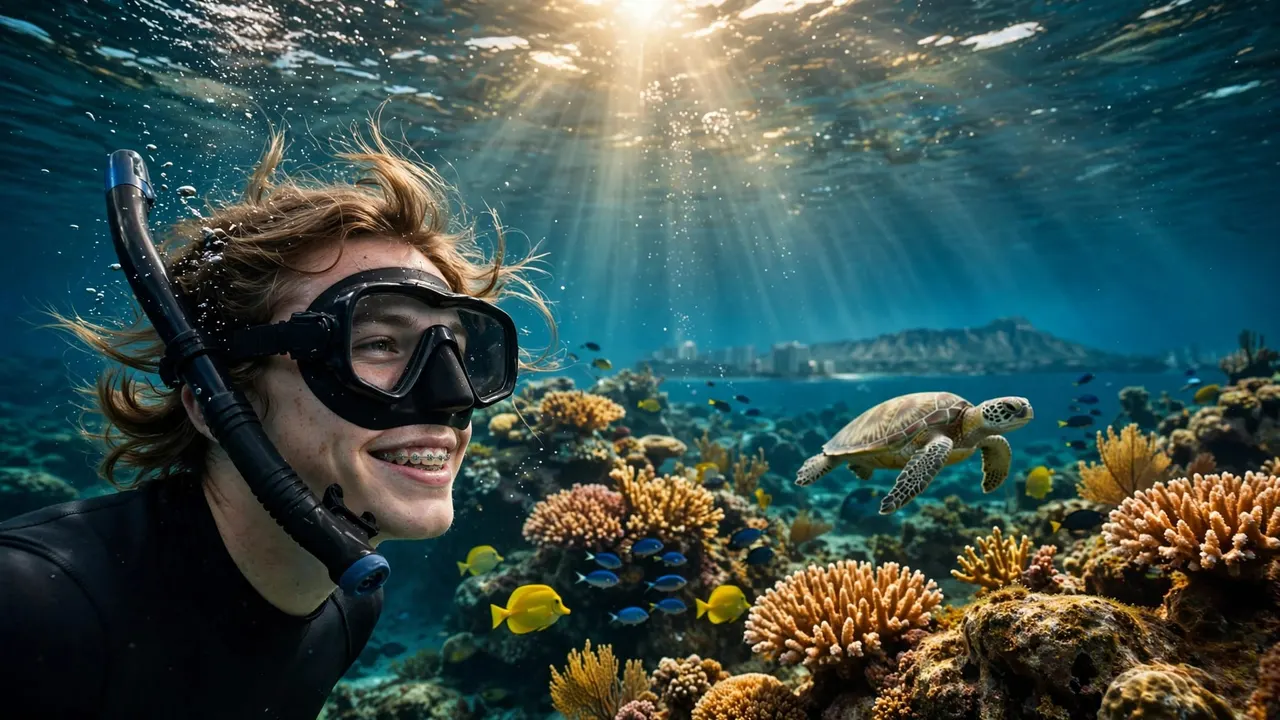
Braces shouldn’t keep you on the boat while everyone else heads for Waikiki’s blue water. Snorkeling with braces is usually comfortable when your brackets feel secure, your gear fits properly, and you give yourself a few minutes to settle into the water.
The biggest adjustment is often the snorkel mouthpiece, not the ocean. With a little preparation and a guided route suited to your comfort level, you can focus on coral, reef fish, and Hawaiian green sea turtles instead of your orthodontic treatment.
Can You Go Snorkeling With Braces?
Fixed braces generally don’t prevent you from swimming or snorkeling. The American Dental Association’s braces guidance explains how orthodontic treatment corrects crowded or misaligned teeth, while routine water activities remain a practical part of everyday life.
Salt water does not rust or damage brackets and wires. Still, inspect your braces before leaving your hotel. A loose bracket or wire can become more irritating once you are offshore.
Snorkeling Is a Low-Impact Water Activity
You are floating, breathing steadily, and kicking at an easy pace. Unlike basketball, surfing close to shore, or any collision sport, snorkeling does not normally put your mouth at risk of impact.
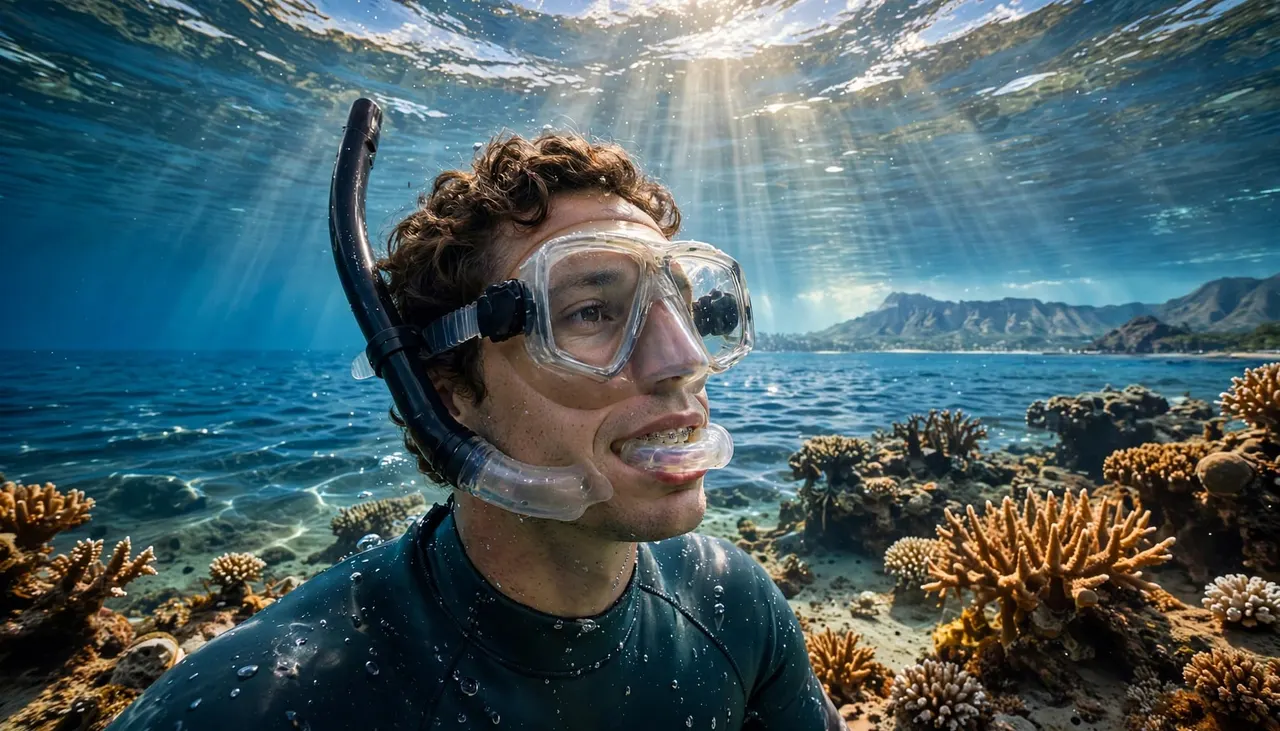
The mouthpiece may press against your lips at first. However, most snorkels have enough room for braces. Keep your jaw relaxed rather than biting down hard, because clenching creates soreness and makes breathing feel less natural.
Delay Your Swim if Your Mouth Is Sore
A fresh adjustment can leave your teeth and gums tender for a few days. If your orthodontist tightened your braces yesterday, a long snorkel may feel less pleasant than expected.
Wait until that sensitivity settles when your schedule allows. You should also skip the water if you have bleeding gums, a loose wire, significant pain, or an appliance that needs repair.
Prepare Your Braces Before You Board
A few small items can make your snorkel trip far more comfortable. Pack orthodontic wax, a travel toothbrush, toothpaste, and a small bottle of drinking water. Keep them in a dry pouch with your phone and sunscreen.
Eat a light meal before departure, then drink water throughout the morning. You will breathe through your mouth more than usual with a snorkel, so hydration helps your lips and mouth feel better.
Check for Rough Edges and Loose Parts
Run your tongue gently along your braces before boarding. If a wire has shifted or a bracket feels sharp, cover the area with orthodontic wax before you put on a snorkel mouthpiece.
Don’t attempt to cut or bend a wire yourself on the boat. Tell the crew if discomfort makes you unsure about entering the water, then enjoy the ride and coastline while you decide whether swimming feels right.
Test Your Mask and Snorkel on Dry Land
Hold the mask lightly to your face and inhale through your nose. A good seal should stay in place without an overly tight strap. Next, put the snorkel mouthpiece in gently and take a few slow breaths.
If you can, practice in calm, shallow water before an open-ocean excursion. Float face-down, breathe slowly, lift your head for a break, and clear a little water from the mask. This practice helps you avoid biting the mouthpiece once you reach the reef.
How to Snorkel Comfortably With Braces in Waikiki
Your first few minutes in the water set the tone for the entire swim. Stay near your guide or buddy, float on the surface, and give yourself time to find a breathing rhythm.
Comfort matters more than distance. You can see plenty of reef life while moving slowly through a small area.
Keep Your Jaw Loose and Your Breathing Slow
Place the mouthpiece between your lips and teeth without squeezing it. Your lips should create the seal, while your teeth rest naturally around the bite tabs.
Breathe in and out through the snorkel at an even pace. If water splashes into the tube, lift your head, clear it, and reset. Rushing your breathing can make any mouthpiece feel awkward, especially during your first session with braces.
Use Flotation When You Need It
A flotation belt or pool noodle lets you relax your body position without treading water. That support is useful if you are learning to breathe through a snorkel or returning to the water after an orthodontic adjustment.
You will see more when you stop fighting your equipment. Pause, float, and ask for a gear adjustment before you swim farther from the boat.
Couples can remain close together, and families can move at the pace of the least confident swimmer. Return to the boat before your legs feel tired, not after you have pushed past your comfort zone.
Do You Need a Mouthguard for Snorkeling With Braces?
For ordinary snorkeling, you usually do not need a mouthguard. The activity has little impact risk, and a bulky guard can make a standard snorkel mouthpiece harder to hold comfortably.
The decision changes when you participate in contact or collision sports. The American Association of Orthodontists’ mouthguard advice supports orthodontic mouthguards for sports where an elbow, board, ball, or another person could strike your face.
When an Orthodontic Mouthguard Makes Sense
Bring a properly fitted orthodontic guard for activities with a real chance of facial impact. It is designed to fit over brackets and wires, which helps prevent cuts to your lips and cheeks.
For a calm Waikiki snorkel, your focus should be on mask fit, a relaxed jaw, and safe boat entry. If you are unsure whether a special oral appliance is appropriate for your treatment, ask your orthodontist before your trip.
Avoid Improvised Solutions
Don’t cram wax, tissue, or an ill-fitting sports guard into a snorkel mouthpiece. Those fixes can interfere with a secure seal and make breathing more difficult.
Orthodontic wax belongs on an irritating bracket or wire, not between your teeth and the mouthpiece. If the braces remain uncomfortable after you use wax, staying dry is the smarter choice.
Care for Your Braces After Salt Water
Once you are back on deck, rinse your mouth with fresh drinking water. You don’t need a complicated routine, but removing salt and food particles helps you feel fresher until you can brush properly.
The practical tips in this guide to diving and snorkeling with braces also recommend giving yourself time to adjust to the mouthpiece and rinsing after ocean exposure.
Brush When You Return to Your Hotel
Brush thoroughly after your trip, including around brackets and along the gumline. Flossing tools or an interdental brush can help remove particles that settle around wires.
If you use elastics, bring a clean set. Store them in a small sealed case rather than leaving them loose in a wet beach bag.
Follow Your Orthodontist’s Advice for Aligners
Clear aligners need a different plan. Some providers prefer you to remove them before snorkeling and store them safely in their case. Others may give different instructions based on your wear-time plan.
Ask your orthodontist before traveling, especially if you are in the middle of a tight treatment schedule. Never wrap aligners in a napkin, because they are easy to lose on a boat.
Choose a Guided Waikiki Snorkel Tour That Fits Your Comfort
A guided trip gives you time to adjust your mask, fins, and snorkel before you enter the ocean. Living Ocean Tours departs from Kewalo Basin Boat Harbor, minutes from Waikiki, with Coast Guard-inspected double-decker vessels, shaded seating, onboard restrooms, dry storage, and heavy-duty ladders.
Living Ocean Tours is the only tour company with professional snorkel guides. You get in-water support, gear help, and clear instruction, which is especially useful when braces make you more aware of your mouthpiece.
Turtle Canyons for Reef Life and Guided Support
The Waikiki snorkeling tours include a Turtle Canyon snorkeling adventure at Waikiki’s well-known turtle cleaning station. Living Ocean Tours reports a 95% turtle-sighting success rate, although wildlife sightings always depend on conditions and the animals’ behavior.
The tour listing includes one hour of in-water snorkeling, with gear and professional guidance included. Your guide can help you practice breathing, choose a comfortable route, and observe turtles without crowding them. When turtles are your priority, you can CHECK AVAILABILITY.
A Longer Family Cruise With Extra Water Time
The Deluxe Waikiki Snorkeling and Wildlife Cruise is a strong option when your group wants a less-crowded reef plus time to play on the water. The 2.5-hour trip includes a boat-mounted waterslide, water trampoline, and floating lily pad.
The Lokahi has a SeaKeeper stabilization system that helps reduce boat roll, which can feel better if you are prone to motion sickness. You can CHECK AVAILABILITY when a longer family outing fits your Waikiki plans.
Respect the Reef and Your Own Limits
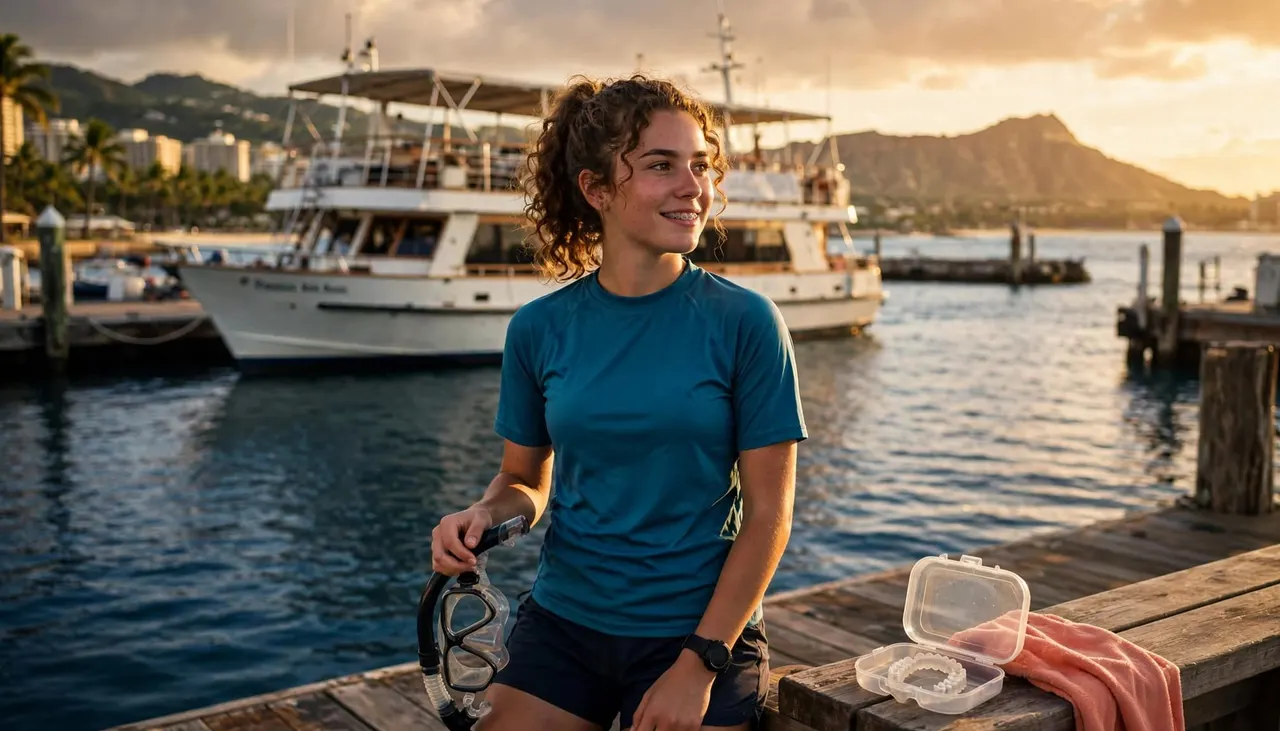
Comfortable snorkeling means staying within your ability. Tell a guide if you feel nervous, dizzy, chilled, or tired. You can return to the boat, rest in the shade, and still enjoy views of Diamond Head and the Waikiki coastline.
Keep your fins clear of coral. Never stand on the reef, touch a turtle, feed fish, or block an animal’s path to the surface. A respectful distance gives you a better chance to watch natural behavior.
Key Takeaways
- Fixed braces usually do not stop you from enjoying a calm snorkel session.
- Check brackets and wires before you enter the water, and use orthodontic wax for minor irritation.
- Keep your jaw relaxed around the mouthpiece instead of biting down hard.
- Wait a few days after a painful adjustment when possible.
- Rinse with fresh water after snorkeling, then brush when you return.
- Choose a guided trip when you want help with gear, water entry, and reef etiquette.
Frequently Asked Questions
Can salt water damage braces?
Salt water is not known to damage fixed braces. Rinse your mouth with fresh water afterward, then brush when you have access to your usual dental supplies.
Can you wear braces while using a full-face snorkel mask?
You can, but test the fit before heading offshore. The mouth area should feel comfortable, and you should be able to breathe naturally. A traditional mask and separate snorkel often gives you more control if you are new to snorkeling.
What should you do if a wire comes loose on vacation?
Skip snorkeling if the wire is painful, sharp, or moving freely. Use orthodontic wax for temporary comfort, then contact your orthodontist for guidance or find local dental care if the issue needs prompt treatment.
Can children snorkel with braces?
Children with braces can snorkel when they feel comfortable with their equipment and have close supervision. Start in calm water, keep the first swim short, and stay near a professional guide or attentive adult.
Your Braces Don’t Have to Keep You Ashore
Snorkeling with braces can feel easy when you prepare your gear, avoid biting the mouthpiece, and listen to your body. A calm start, fresh-water rinse, and supportive crew make the experience more comfortable.
With the right pace and respectful wildlife habits, you can spend your Waikiki day watching the reef rather than worrying about your smile.


