
Oahu snorkeling with a period: Comfort and Supplies
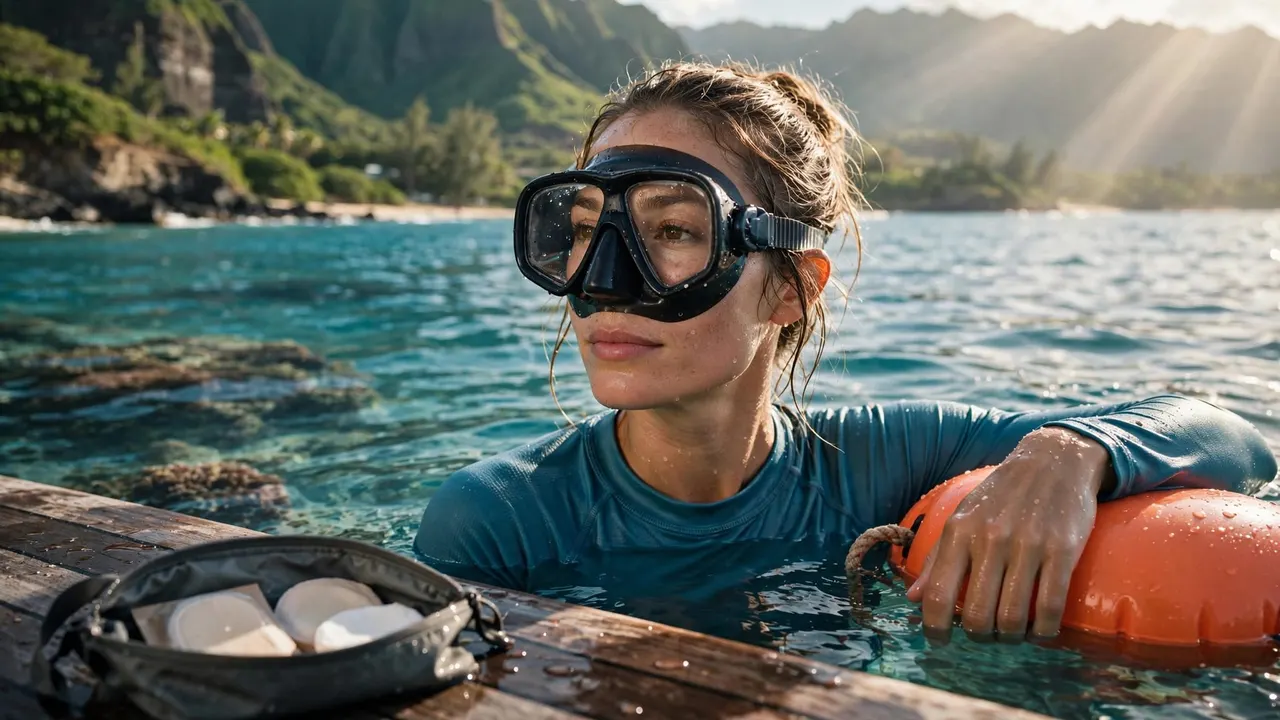
Your period doesn’t have to cancel your Oahu ocean plans. If you’re joining Living Ocean Tours, snorkeling with a period is usually manageable when you feel well and use protection you’re comfortable with.
A little preparation gives you more control over your comfort, especially when you’re away from your hotel bathroom. Start with your symptoms, choose a familiar menstrual product, and pack enough supplies for the whole outing.
Is snorkeling with a period safe?
When you feel well
You can generally swim during menstruation. As Clue’s swimming guidance explains, tampons and menstrual cups are suitable options for swimming.
However, water doesn’t switch off your period. You may notice less visible flow while submerged, but bleeding can continue, including when you climb out.
Choose your swim based on how you feel that morning. Mild, familiar cramps may leave you comfortable enough for a relaxed float. Start near your guide and keep your first session short.
When to skip the swim
Stay out of the water if you feel dizzy, faint, unusually weak, or distracted by significant pain. Those symptoms deserve attention before you enter open water.
If bleeding is unusually heavy for you, or pain is severe or new, seek medical advice. Don’t assume every symptom comes from your period.
You can also change your plans without having a medical emergency. Resting aboard or postponing your outing is a reasonable choice when you don’t feel ready.
Choose menstrual protection you’ve already practiced using
For snorkeling with a period, familiarity matters. A boat trip is an inconvenient place to learn how to insert, remove, or troubleshoot a new product.
Tampons: plan your changes around the outing
Use the lowest tampon absorbency that manages your flow. According to FDA tampon safety guidance, you should change tampons every four to eight hours and never wear one longer than eight hours.
Insert a fresh tampon before your swim when practical, using clean hands. Afterward, change it when you have suitable bathroom access, particularly if it feels wet or uncomfortable.
Count the entire wear time, including your hotel-to-harbor journey. Don’t choose a higher absorbency simply to avoid changing during the day. Bring extras even if you expect a short swim.
Menstrual cups: check fit and empty before departure
A cup collects menstrual fluid rather than absorbing it. If you already use one comfortably, empty it before leaving your hotel and check that it sits correctly.
The FDA’s menstrual cup guidance says cups may stay in place for up to 12 hours. Your product instructions and flow determine when you need to empty yours.
Don’t treat the maximum wear time as a promise on a heavy-flow day. Plan for clean hands, appropriate cleaning, and somewhere private if you need a change. Practice those steps before your vacation.
Understand the limits of pads and period swimwear
Regular pads absorb water, become bulky, and don’t work well for swimming. WebMD’s period swimming advice recommends tampons or menstrual cups instead of pads in the water.
You can still pack pads for the dry portion of your day. Change into dry underwear first so the adhesive has a suitable surface.
If you prefer an external option, look for purpose-made period swimwear, not ordinary period underwear. Check its stated flow capacity and whether the manufacturer recommends backup protection.
Try the swimwear before your Oahu outing. Secure coverage can help you feel comfortable, but dark fabric alone doesn’t prevent leaks. If your flow exceeds the garment’s capacity, choose another familiar option or keep your plans on land.
Pack a small, reachable swim-day kit
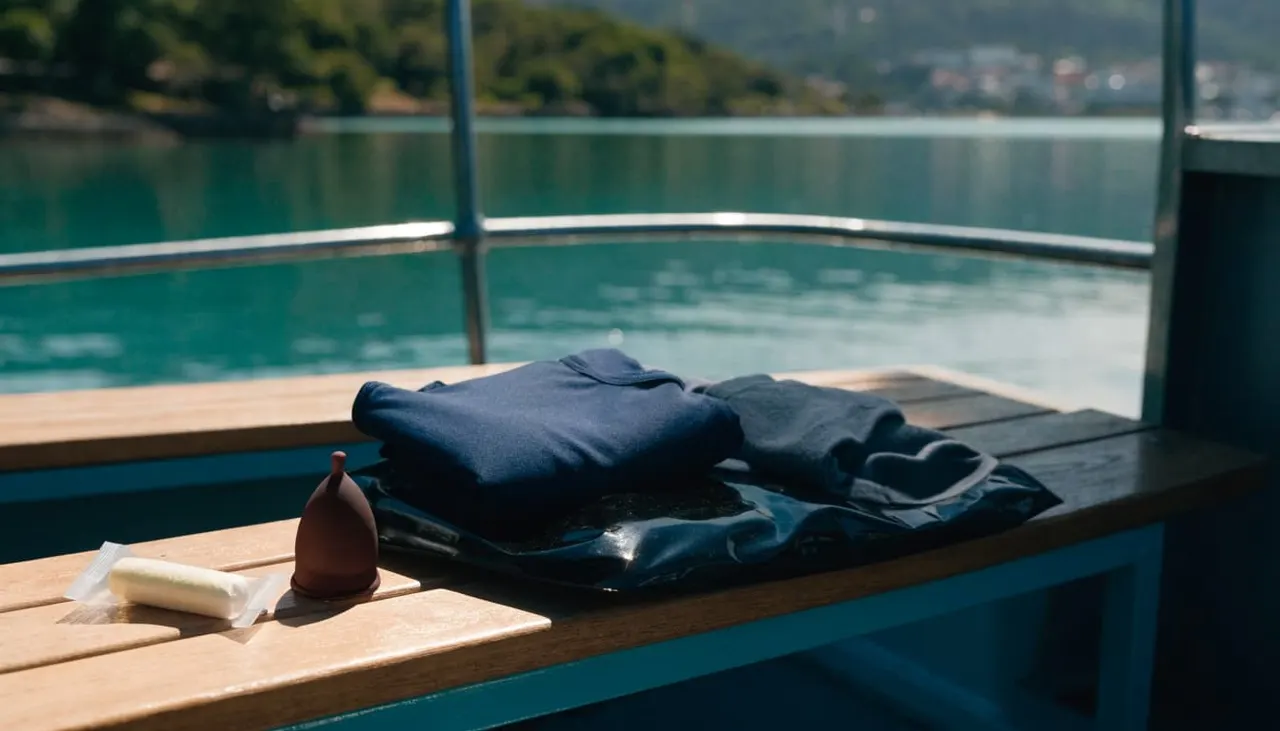
Keep your supplies for snorkeling with a period together in a waterproof pouch. Place it near the top of your bag, separate from wet towels.
Bring enough for the outing and the trip back to your accommodation:
- Pack extra tampons or your usual menstrual product, allowing for an unexpected change.
- Include dry underwear, a pad for afterward if you use one, and a comfortable cover-up.
- Bring a towel and a separate bag for wet swimwear.
- Add sealable disposal bags in case a suitable trash bin isn’t immediately available.
- Carry your usual medication in its packaging, plus drinking water and sun protection.
Don’t assume the crew stocks menstrual supplies. A compact personal kit keeps you independent without adding much weight.
Wash your hands before handling internal products. Wipes can help clean your skin, but they don’t replace proper hand hygiene. Dispose of tampons, applicators, and pads in an appropriate bin, never in the ocean or a toilet.
Time your routine before and after swimming
Before you leave for the harbor
A calm hotel bathroom routine makes the rest of the morning easier. Check your flow, change or empty your product, and note the time.
Wear your swimsuit under your clothes if that feels comfortable. Then put spare products somewhere you can reach without unpacking your entire bag.
Eat a light meal and drink water before departure. If you use pain relief, follow its label and your clinician’s advice. Don’t try an unfamiliar medication or menstrual product immediately before boarding.
Check your booking’s arrival instructions, too. Rushing through traffic leaves less time for a bathroom stop or a conversation with the crew.
After you return from the water
Dry off, check for discomfort, and change your tampon when suitable facilities are available. Empty your cup according to your flow and its instructions.
Your product’s wear time starts when you insert it, not when the boat leaves the harbor.
After swimming, change out of wet clothing when practical. Dry underwear and a loose cover-up can make the return journey more comfortable.
Before a second swim, reassess your energy and protection. You don’t need to use every available minute in the water.
Choose a Turtle Canyon outing with practical support
Living Ocean Tours departs from Kewalo Basin Boat Harbor near Waikiki. Its Turtle Canyon Snorkel Tour includes snorkeling equipment, in-water snorkel guides, water, cold drinks, and light snacks.
That support helps you concentrate on breathing comfortably and watching the reef. You can ask a professional snorkel guide about mask fit, flotation, and the return-to-boat procedure before entering.
Before booking, confirm bathroom and changing arrangements directly. Ask about onboard toilets, handwashing, disposal rules, and privacy. Don’t assume a boat bathroom has the space or supplies you use at home.
Guest feedback can also help you assess whether the outing suits your group.
At Turtle Canyons, you have a chance to observe Hawaiian green sea turtles at a natural cleaning station. Sightings aren’t guaranteed, so enjoy the fish and reef without making one encounter the measure of your day.
If snorkeling with a period feels manageable, you can CHECK AVAILABILITY for your preferred Turtle Canyon departure. Confirm your comfort questions before finalizing plans.
Keep your water session comfortable and reef-conscious
Comfort during snorkeling with a period also depends on ordinary snorkeling basics. Test your mask before entering, move hair away from the seal, and ask for help if it leaks.
Choose swimwear that stays secure when you use a ladder. A rash guard adds coverage and sun protection without the weight of regular cotton clothing.
Use the provided flotation equipment as instructed. You still need to consider your swimming ability, currents, and fatigue. For shore snorkeling, choose a lifeguarded location and ask about conditions before entering.
Stay with your buddy or guided group. If cramps intensify or you feel lightheaded, signal for help and return early rather than swimming farther.
Meanwhile, keep your fins above coral and give turtles room to surface. Never touch, chase, or block wildlife. You don’t need to follow a turtle to have a worthwhile encounter.
Once aboard, take a shaded break where available and sip water. Tell the crew promptly if symptoms persist or worsen.
Key takeaways for your Oahu swim day
- Choose familiar menstrual protection and follow its wear-time instructions.
- Pack spare products, dry underwear, a towel, and disposal bags where you can reach them.
- Confirm bathroom, handwashing, and changing arrangements before booking.
- Let symptoms and ocean conditions determine whether you enter or leave the water.
A successful outing leaves you comfortable enough to enjoy what you see.
Frequently asked questions
Can you snorkel on a heavy-flow day?
You can consider it if you feel well and have protection that manages your flow. However, plan more frequent checks and reliable bathroom access.
If your bleeding is unusually heavy or you feel weak, faint, or unwell, skip the swim and seek medical advice.
Do you need to tell the crew you’re menstruating?
You don’t need to disclose private menstrual details. You can simply ask where the bathroom is, explain that you may need a break, or request help returning aboard.
However, tell the crew immediately if you feel dizzy or sick. That information affects your safety.
Can you swim without a tampon or cup?
Internal products aren’t mandatory. Purpose-made period swimwear may suit your needs when used within its stated capacity.
If you don’t have an option that feels dependable, stay aboard or reschedule. Don’t rely on water to stop your flow.
Make comfort the measure of your day
Snorkeling with a period can fit into your Oahu vacation when you feel well and prepare for changes. Familiar protection, reachable supplies, and confirmed facilities give you a practical plan.
Let your comfort set the pace. A shorter swim with an easy return is a better memory than pushing through pain to stay in the water.


