
Oahu snorkeling with a beard: Get a Better Mask Seal
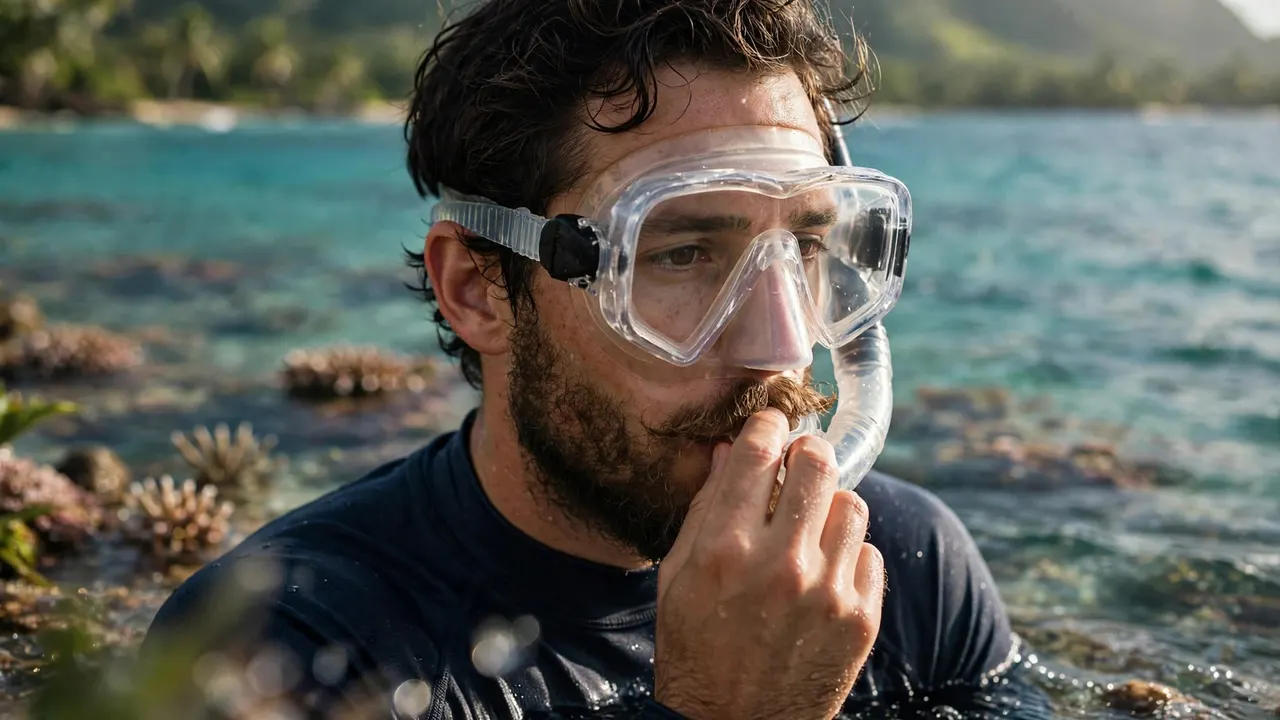
Your beard doesn’t have to turn an Oahu reef swim into constant mask adjustments. For snorkeling with a beard, the most useful fixes are better fit and clean contact along your upper lip.
At Living Ocean Tours, you can ask our professional snorkel guides for help before entering the water. Start with the small adjustments that keep facial hair from interrupting your mask’s seal.
Key Takeaways for a Better Beard-Friendly Seal
- Focus on the mustache beneath your nose, where a conventional mask usually meets facial hair.
- Try a different mask shape before pulling the strap tighter.
- Keep beard oil, loose hair, and excess sunscreen away from the sealing edge.
- Test with the snorkel mouthpiece in place, then practice near support before swimming farther.
A comfortable seal should hold without painful pressure. If water keeps entering, pause with your buddy or guide rather than repeatedly draining the mask while swimming.
Why Snorkeling With a Beard Can Cause Leaks
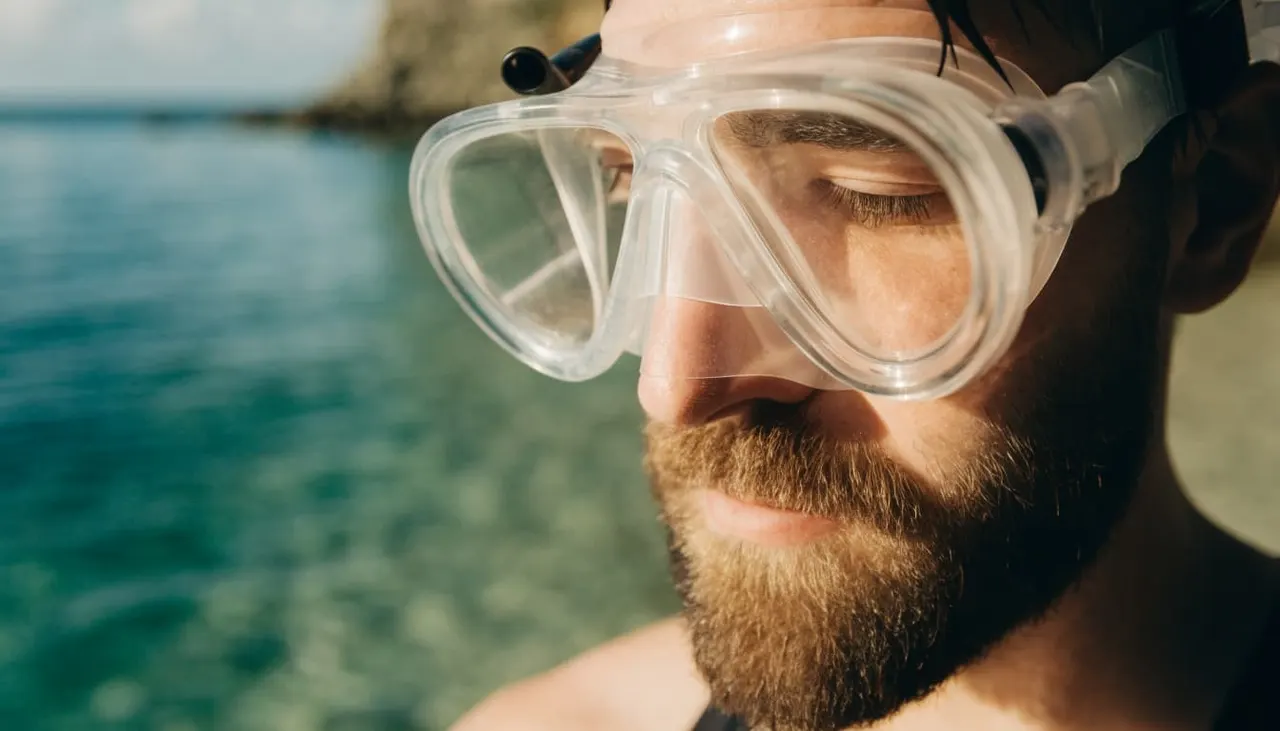
A conventional snorkel mask seals around your eyes and nose. Its flexible skirt needs continuous contact with your skin, but hair can create small channels for water.
When you’re snorkeling with a beard, the location of that hair matters more than the beard’s overall length.
Your mustache is often the problem area
The lower skirt usually rests between your nose and upper lip. Consequently, a thick mustache can interrupt the seal even when your forehead and cheeks fit perfectly.
Your chin beard may sit entirely outside the mask. Shaving it won’t necessarily solve a leak beneath your nose. Instead, notice where water first appears, then concentrate your adjustments there.
Facial expressions matter, too. Smiling broadly can change the contact around your cheeks and upper lip.
Some leaks have nothing to do with your beard
A folded skirt, trapped head hair, or poorly positioned strap can cause the same steady trickle. Sunscreen residue and sand can also interfere with contact.
If water enters near your temple or forehead, inspect that area before trimming facial hair. Meanwhile, pressure beneath your eyes or pinching around your nose suggests a fit problem.
Your goal is an even, comfortable seal around the entire skirt.
Choose a Mask That Fits Your Face
Price and appearance won’t tell you whether a mask suits your nose, cheeks, and upper lip. A soft silicone skirt helps accommodate facial contours, but its shape still has to match yours.
Compare skirt shapes, not strap tension
Look at where the lower edge lands against your mustache. One mask may cross a dense patch of hair, while another sits closer to exposed skin.
Also, notice whether the frame presses against your nose bridge. If the mask feels uncomfortable while you’re dry, more strap tension won’t improve your swim.
A low-volume design describes the amount of air inside the mask. It doesn’t automatically mean a better fit for your beard, so prioritize contact over labels.
Test with your snorkel mouthpiece in place
Your face changes slightly when your lips seal around a mouthpiece. Therefore, a mask that feels good without the snorkel may leak once you start breathing through it.
Hold the bite tabs gently instead of clenching your jaw. Then relax your cheeks and notice whether the mask shifts.
For snorkeling with a beard, testing the whole setup is more useful than judging the mask alone. The snorkel attachment shouldn’t pull the strap sideways or disturb the skirt.
Prepare Your Facial Hair Without Shaving Everything
Start with clean skin and facial hair. Beard oil or balm near the contact area can make the mask slide, so remove excess product before fitting it.
Apply sunscreen ahead of time, then wipe excess residue from the sealing area without abandoning sun protection elsewhere.
Adjust only the hair beneath the skirt
Smooth your mustache so loose hairs aren’t curled beneath the silicone edge. If you’re comfortable trimming, concentrate on the narrow contact area directly beneath your nose.
You don’t need to remove your entire beard. However, trimming won’t rescue a mask that leaves gaps elsewhere.
Make grooming changes before your outing, rather than rushing through them at the boat. Then test the mask again, because a cleaner contact area still needs the right skirt shape.
Use a mask-specific seal aid sparingly
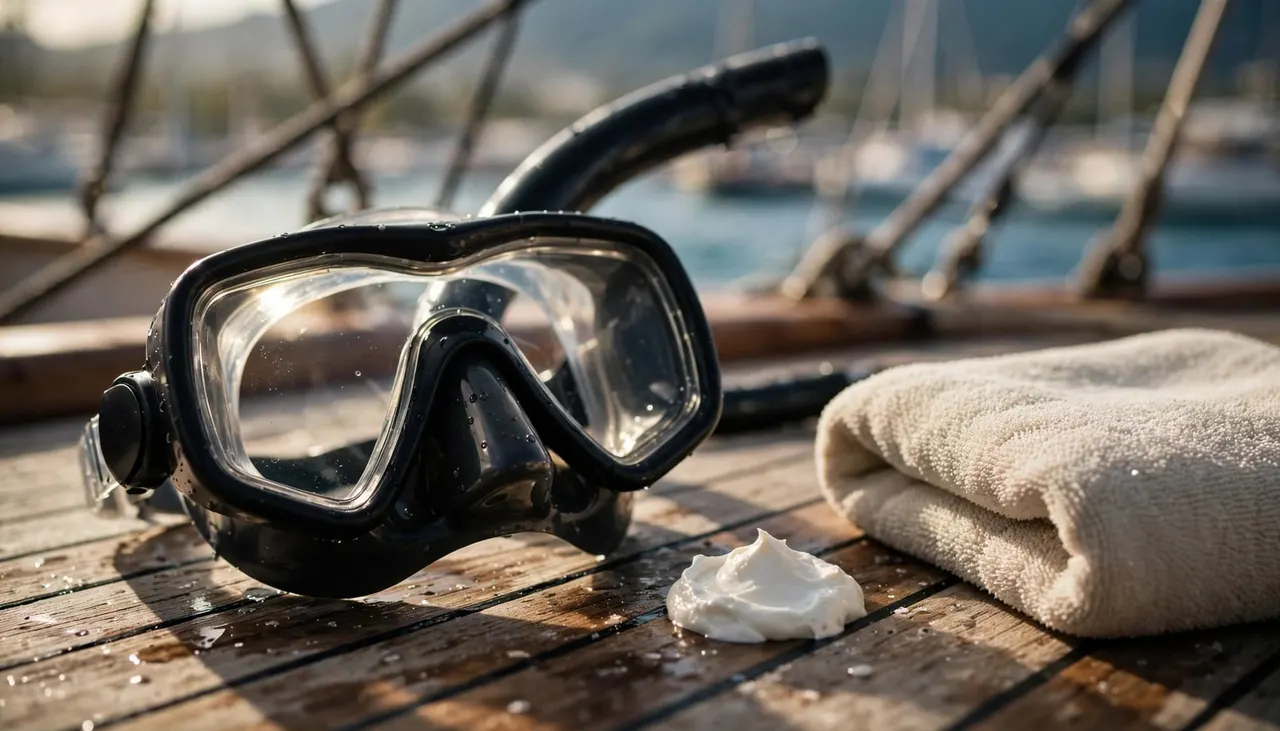
PADI’s mustache mask-seal tips recommend silicone mask seal on the skirt where it touches facial hair. Treat this as a backup after addressing fit.
Use a thin amount rather than coating your face or the whole mask. Avoid getting it on the lenses.
Also, avoid petroleum jelly on silicone skirts. Tropical Snorkeling’s guidance warns about petroleum products and silicone masks.
When snorkeling with a beard, a seal aid may reduce seepage, but it can’t close a large gap caused by the wrong mask.
Test Your Seal Before Swimming Away
A dry fit gives you a useful starting point. However, snorkeling with a beard also requires a water test because mouth movement and swimming can reveal leaks.
Follow this sequence before heading toward the reef:
- Move head hair away from your forehead and temples, then place the mask evenly against clean skin.
- Leave the strap off and inhale gently through your nose. The mask should hold briefly without forceful suction.
- Set the strap flat around the back of your head. Keep it snug enough to hold position without compressing your face.
- Put the mouthpiece in, relax your jaw, and test your breathing before entering.
- Near the boat’s swim step or in suitable shallow water, lower your face and take several comfortable breaths.
If water enters immediately, return to a supported position and adjust one thing at a time. Otherwise, you won’t know which change helped.
A mask that holds during a dry suction test can still leak with the mouthpiece in place. Always test both together.
Stay close to your buddy during this first float. Once your breathing and visibility feel comfortable, continue at an unhurried pace.
Fix Repeated Leaks Without Losing Your Calm
A little water doesn’t mean your snorkeling day is over. Still, repeated flooding deserves a pause before it distracts you from breathing or staying with your group.
Drain and reseat the mask at the surface
First, stop moving forward and signal your buddy or guide. Use appropriate flotation support, keep your mouth and nose above water, and remove the mouthpiece when speaking.
With your face clear of the water, gently lift the lower edge to drain the mask. Hold onto it, then move trapped hair and smooth the skirt before reseating it.
Test again while your companion stays nearby. If the same leak returns, ask for another mask rather than tightening the strap repeatedly.
Separate mask leaks from snorkel problems
Water around your eyes comes from the mask. Water entering your mouth through the tube is a different problem, so draining one doesn’t clear the other.
At the surface, breathe normally through the snorkel. You don’t need to blow air into your mask continuously; forceful nose exhalations can lift the seal.
Although snorkeling with a beard sometimes involves minor seepage, you shouldn’t accept constant flooding. Return to the boat if adjustments don’t help or you feel anxious.
Unusual breathlessness, chest discomfort, or persistent coughing requires immediate help. Gear troubleshooting can wait until you’re breathing comfortably.
Get Guided Support for Your Oahu Reef Swim
Our guided snorkeling experiences depart from Kewalo Basin Boat Harbor, minutes from Waikiki. We supply snorkeling gear, and you can raise fit concerns before entering the ocean.
We’re the only Oahu tour company with professional snorkel guides in the water with you. That support gives you someone to alert when your mask leaks or you need a break.
Tell your guide where the leak starts. “Water comes in beneath my nose” is more useful than repeatedly tugging at the strap without explaining the problem.
Once your gear feels comfortable, enjoy the wildlife without approaching or touching it. NOAA’s marine life viewing guidelines call for respectful distance. Never stand on coral while adjusting your equipment.
For a turtle-focused outing near Waikiki, CHECK AVAILABILITY and plan time for your gear fitting before the swim.
Enjoy the Reef Without Fighting Your Mask
Snorkeling with a beard works better when you address the contact area beneath your nose and choose a mask that fits. Comfort comes before strap tension, and a supported water test catches problems early.
You can keep your beard while making practical changes to your setup. If a leak returns, pause with your buddy or guide so your Oahu reef swim stays focused on the wildlife.
FAQ About Beards and Snorkel Masks
Do you need to shave before snorkeling?
Usually, you can start by changing the mask fit and smoothing your mustache. If dense hair prevents contact beneath your nose, trimming that small area may help.
Shaving your chin beard is unlikely to fix a leak at your forehead, temples, or upper lip.
Will a full-face mask solve beard leaks?
A full-face mask still needs its sealing edge to contact your face. Because that edge extends around more of your face, a beard can interfere with it too.
Don’t treat it as an automatic solution. A conventional mask and separate snorkel let you assess mask fit and mouthpiece comfort individually.
Can you keep swimming with a small leak?
You can continue after clearing a minor leak if you’re calm, breathing comfortably, and staying with your buddy. However, repeated filling, eye irritation, or anxiety means you should stop.
Persistent eye pain or changes in vision require leaving the water and seeking medical advice.


