
Snorkeling Waikiki Wall: A Smart Entry and Conditions Guide
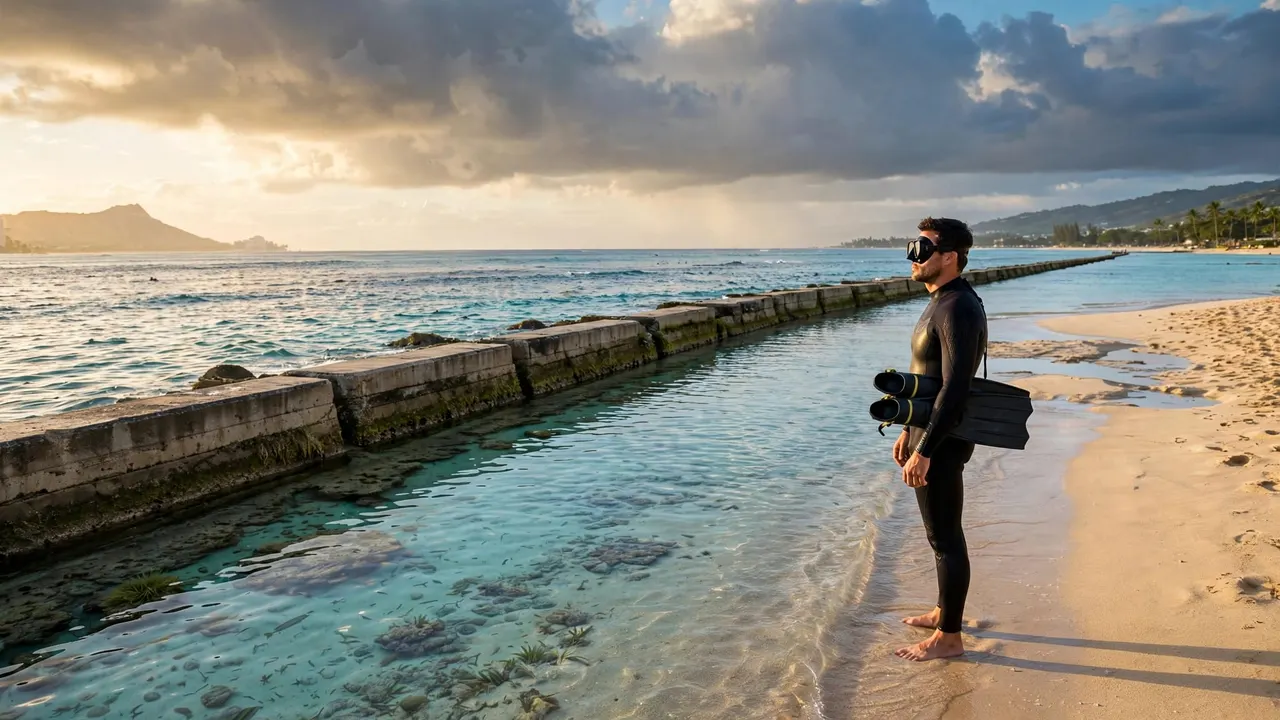
Waikiki Wall can look calm from the beach, yet the conditions beside it can change quickly. For snorkeling Waikiki Wall, your safest plan starts with one simple choice: enter from the nearby sandy shoreline, never from the wall itself.
Living Ocean Tours is based at Kewalo Basin Boat Harbor, minutes from Waikiki, and offers guided ocean experiences for couples, families, and first-time snorkelers. A shore snorkel near the wall can be rewarding on the right morning, but it asks you to make smart calls about water clarity, surge, and your own comfort level.
Use the wall as a landmark, watch the ocean before you gear up, and treat calm conditions as a requirement rather than a bonus.
What Waikiki Wall Actually Is
Waikiki Wall, also called the Kapahulu Groin, is the concrete structure at Waikiki’s Diamond Head end near Queen’s Surf Beach, Kapiʻolani Park, and the Honolulu Zoo. It extends from shore into the ocean and draws walkers, wave-watchers, fishers, and bodyboarders.
It is not a jump platform or a dedicated snorkel entry. The better nearshore snorkeling water sits off the beach near Queen’s Surf, the Waikiki Aquarium seawall, and the Sans Souci side when surf is low.
Waikiki Wall is not Turtle Canyon
The names can confuse visitors, but these are different places. Waikiki Wall is a shore-side structure with adjacent reef pockets. Turtle Canyon is an offshore reef area that you reach by boat.
That distinction matters when you plan your day. Shore snorkeling gives you flexibility, while a boat trip gives you crew support, ocean-ready gear, and a more controlled route to an offshore site.
What you may see near the wall
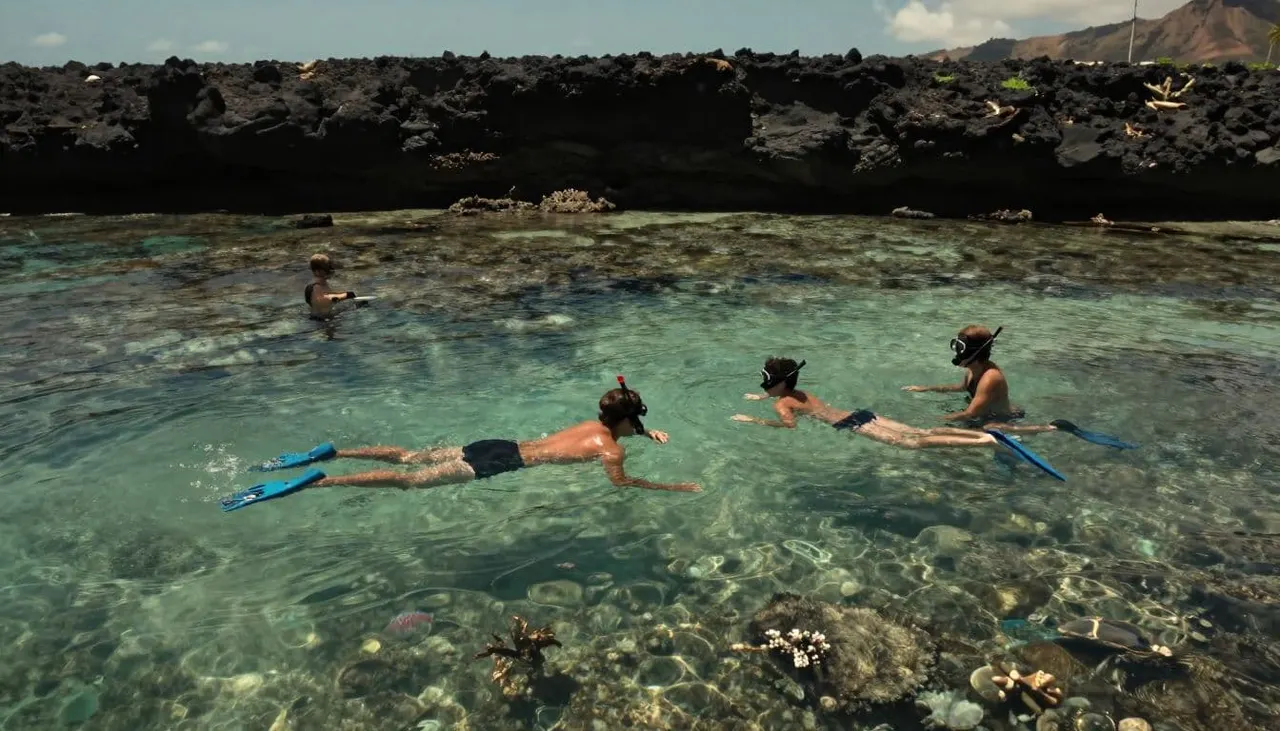
On a clear, quiet morning, you may spot surgeonfish, butterflyfish, small wrasses, sea urchins, and occasional reef fish moving through coral and rock. Visibility varies widely. Calm, dry days often offer the clearest views, while wind, wave action, and runoff can turn the water cloudy.
Where to Enter for Snorkeling Waikiki Wall
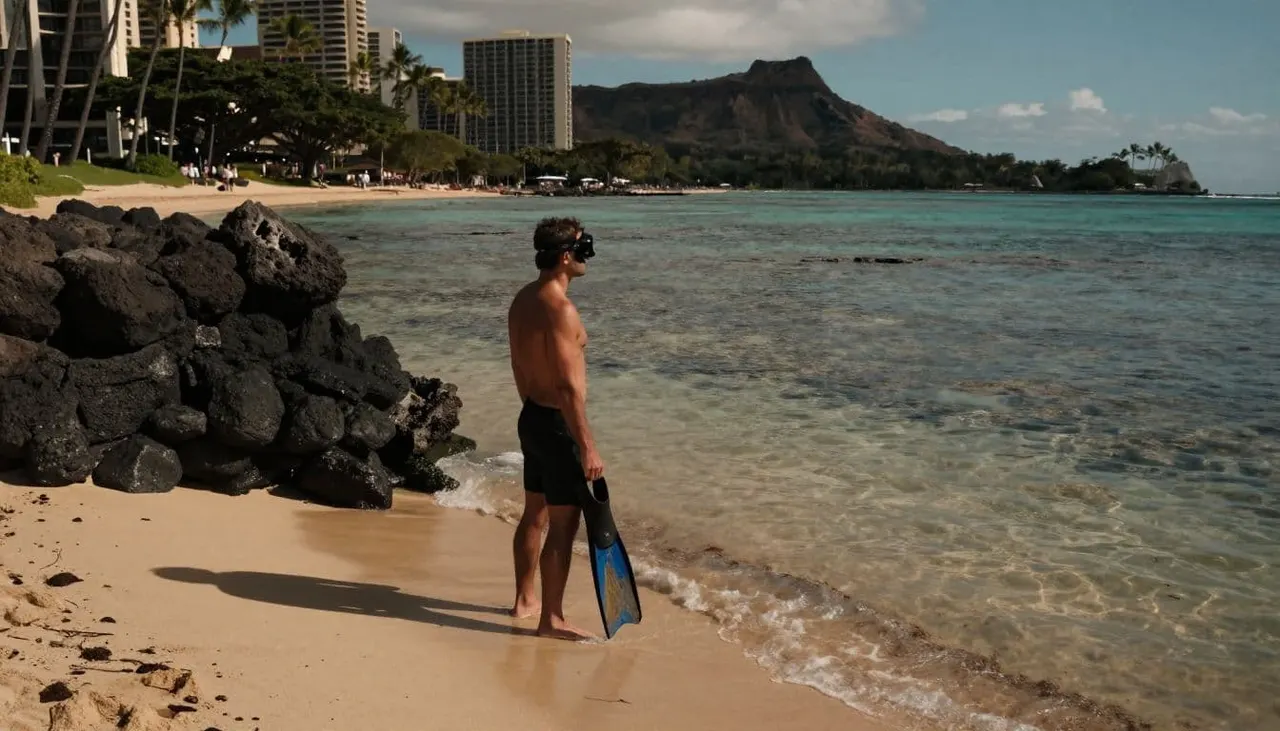
Approach the area from the sand around Queen’s Surf Beach, rather than climbing down the wall. Walk the shoreline first and look for a sandy, low-surge entry away from breaking waves, fishing lines, and board traffic.
The reef is shallow in places, so take your time. Put your fins on in knee-deep water if the surface is calm enough. Then float out carefully instead of standing on coral or scraping across rocks.
Stay off the wall itself
The wall is built for walking, not diving. Water depth beside it can be hard to judge, and wave surge can push you into concrete or sharp rock. A calm-looking surface does not show every submerged ledge.
Keep distance from the outer, breaking-surf side. That is where waves hit the structure hardest, and where bodyboarders may be moving fast through the lineup.
The safest Waikiki Wall entry is a sandy shoreline entry made only after you have watched the water for several minutes.
Choose your exit before you swim out
Before getting in, pick the exact stretch of beach where you will return. If you drift beyond your planned exit, do not fight hard against the current. Stay calm, signal your buddy, and move back toward a safe sandy section when possible.
A shore snorkel works best with a buddy. If you are traveling with children or weak swimmers, keep the session short and stay in water where everyone can stand comfortably.
Check Waikiki Conditions Before You Go In
For snorkeling Waikiki Wall, early morning often brings the smoothest surface. Arriving before 9 a.m. can also give you more time to assess the beach before crowds, afternoon winds, and surf activity build.
Still, a clear sky does not guarantee safe water. Watch for whitewater wrapping around the wall, choppy surface texture, a strong sideways pull, or brown water near shore. Any one of those signs is a reason to skip the swim.
Rain changes more than visibility
Avoid snorkeling after heavy rain. Runoff can reduce visibility and affect water quality, particularly near the Ala Wai Canal watershed. Give the ocean time to clear, and do not enter water that looks brown or murky.
Check Hawaii Ocean Safety’s current beach guidance before leaving your hotel. You can also review Oʻahu ocean conditions and lifeguard updates for a wider view of weather and hazards.
Let lifeguards make the final call
Waikiki’s lifeguarded beaches give you a major safety advantage, but a lifeguard’s warning should end the debate. If conditions shift while you are in the water, get out early rather than trying to squeeze in more time.
Honolulu also shares practical advice on staying safe at Oʻahu beaches, including rip-current awareness and beach warning signs. Read the conditions, not only the forecast.
Bring the Right Gear for a Nearshore Reef
Your gear should make the swim easier, not turn it into a struggle. A well-fitting mask, snorkel, fins, and a rash guard cover the basics. If you are nervous in open water, a snorkel vest adds buoyancy and helps you float above the reef.
Test your mask seal on the beach. Hair caught under the skirt creates a slow leak that becomes frustrating once you are offshore. Spit or defog solution also helps keep your view clear.
Keep your setup simple
Pack light for this location. Carry a small mesh bag, drinking water, reef-safe sun protection, and a dry place for valuables. Avoid bringing loose items that can wash away or distract you while entering.
If you use a full-face snorkel mask, choose a model that fits correctly and practice breathing in shallow water first. A traditional mask and snorkel are often easier to clear if water gets inside.
Swim with the water, not against it
Start close to shore and check how your body moves. If you feel an unexpected current, turn back while you still have plenty of energy. Slow fin kicks and a relaxed float preserve energy far better than rushed movements.
A short, happy snorkel is better than a long swim that leaves you tired before you reach the beach.
Protect the Reef and Wildlife
The reef near Waikiki is living habitat, not a place to stand, chase fish, or grab shells. Float horizontally and keep your fins high enough to avoid coral. Even a small kick can break delicate coral or stir up sand that ruins visibility for everyone.
Hawaiian green sea turtles sometimes appear along the Waikiki coast. Give them room to surface, rest, and move freely. Hawaii guidance recommends staying at least 10 feet from sea turtles.
Observe, do not touch
Never touch a turtle, reef fish, coral, or monk seal. Wildlife approaches should always happen on the animal’s terms. If a turtle swims near you, stay still and let it pass.
Keep your group small and quiet. Fish behave more naturally when snorkelers avoid splashing and crowding the reef.
Skip feeding and souvenir collecting
Feeding fish disrupts normal behavior and can draw animals too close to people. Taking coral, shells, or marine life also damages the place you came to enjoy.
Leave with photos, not pieces of the reef. Your best underwater memories should not cost the ocean anything.
When a Guided Boat Tour Is the Better Choice
A calm-day shoreline session near the wall suits confident swimmers who are comfortable reading conditions. However, a guided boat experience may be the better fit if you want help with gear, a more sheltered entry, or a better chance of seeing turtles away from shore crowds.
Living Ocean Tours offers Honolulu snorkeling and wildlife cruises from Kewalo Basin Boat Harbor. The company is the only tour company with professional snorkel guides, so you can enter the water with instruction and active support rather than figuring it out alone.
A boat trip gives beginners more support
The Turtle Canyons Snorkel Excursion visits an offshore turtle-cleaning area and includes snorkeling gear and guidance. Living Ocean Tours reports a 95% turtle-sighting success rate at this natural site. You also board a Coast Guard-inspected double-decker vessel with shaded seating, restrooms, dry storage, and sturdy water-entry ladders.
For families who want more time on the water, the Deluxe Waikiki Snorkeling and Wildlife Cruise adds a boat-mounted waterslide, water trampoline, and floating lily pad. The Lokahi also has a SeaKeeper stabilization system designed to reduce boat roll.
If an offshore turtle snorkel sounds like your better match, you can CHECK AVAILABILITY before your preferred day fills.
A Simple Plan for Your Waikiki Wall Snorkel
A little preparation keeps the outing pleasant. Arrive early, scan the surface, and only enter if the water is clear, calm, and free of heavy board traffic. Choose a sandy entry point near Queen’s Surf, and stay away from the outer wall.
Use this quick sequence before you get wet:
- Check posted flags, lifeguard guidance, and local ocean conditions.
- Watch wave direction and surface movement for at least five minutes.
- Set a short turnaround time, especially if you are new to ocean snorkeling.
- Wear your flotation device if it helps you stay relaxed.
- Exit immediately if the water becomes choppy, cloudy, or crowded.
You do not need to force a snorkeling day. Waikiki has beaches, walks, and boat experiences that can fill your day when the ocean says no.
Final Thoughts on Waikiki Wall Snorkeling
Snorkeling Waikiki Wall can be a memorable shore adventure when you treat the ocean with patience. Enter from the beach, stay off the concrete wall, and save your swim for clear, low-surge conditions.
The strongest choice is the one that matches your skill level that day. Calm water, a careful entry, and respect for the reef give you the best chance of leaving Waikiki with a great ocean memory.


