
Oahu Snorkeling Tour: Best Spots & Tips for 2026
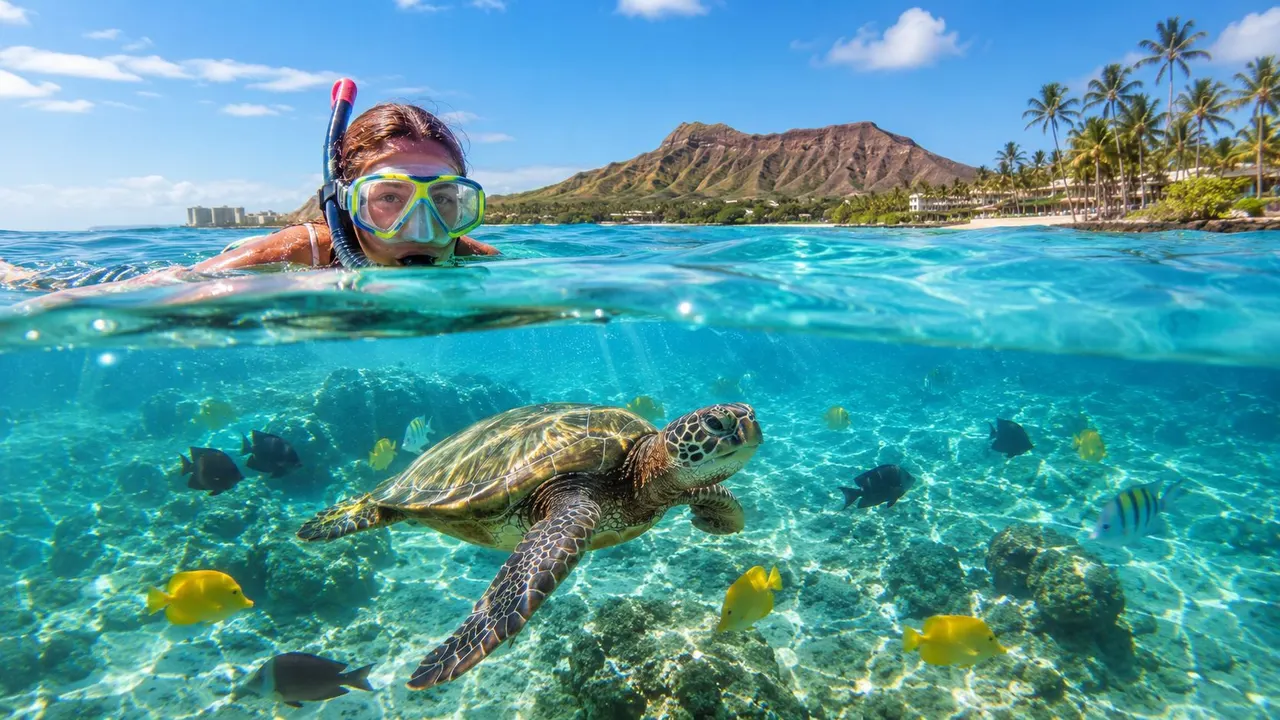
You're probably in the same spot a lot of Waikiki visitors find themselves in. You've got a few open tabs, a short list of vacation priorities, and one big picture in your head: warm blue water, a mask that doesn't leak, fish moving below you, and maybe a sea turtle gliding past without a crowd ruining the moment.
That's the fun part. The less fun part is sorting through vague tour descriptions that all say “great for beginners” without telling you what that really means. Can you join if you're not a strong swimmer? Will your kids enjoy it? What if someone in your group has mobility limits or can't handle a boat ladder? Those are the questions that matter once you move past the glossy photos.
Oahu gives you excellent options for a snorkeling tour, especially around Waikiki and Honolulu, but the right fit depends on more than price or a pretty boat. The details decide whether the day feels relaxed or stressful.
Your Guide to the Perfect Snorkeling Tour
A good snorkeling tour should feel simple from the guest side. You show up, get oriented, put on gear that fits, listen to a clear safety briefing, and spend your energy looking at marine life instead of worrying about what happens next. That's the standard you want.
For families, the biggest mistake is choosing a trip based only on the headline attraction. Turtles matter. Clear water matters. But comfort matters just as much. A tour can have a beautiful destination and still be a poor fit if the instructions are rushed, the entry is awkward, or the crew assumes every guest is already comfortable in open water.
What separates a smooth trip from a stressful one
The strongest operators make a few things obvious before you even board:
- Swimming expectations: They explain whether you need to swim independently or whether flotation support makes the tour suitable for casual swimmers.
- Access details: They tell you how guests get in and out of the water, which is especially important for older travelers and anyone with mobility limitations.
- Time in the water: They make it clear whether the trip is mostly a boat ride or a real snorkel session.
- Guide involvement: They don't just hand out fins and point at the ocean. They actively supervise.
Practical rule: If a tour page sounds exciting but leaves out the basics about swimming ability, flotation, or access, ask before you book.
Oahu is especially good for first-timers because you can pair a scenic boat ride with guided reef snorkeling close to Waikiki. That keeps the day convenient. It also helps multi-generational groups who don't want a long transfer just to reach the harbor.
The questions beginners should ask first
Before booking any snorkeling tour, ask these in plain language:
- Do I need to be a confident swimmer?
- Are flotation vests included?
- Will the crew help with mask fitting and snorkel setup?
- How do guests reboard the boat?
- Is this trip better for wildlife viewing, family fun, or relaxed cruising?
Those answers will tell you more than any marketing slogan. They also help you choose a day on the water that feels welcoming instead of intimidating.
What to Expect on a Typical Snorkeling Tour
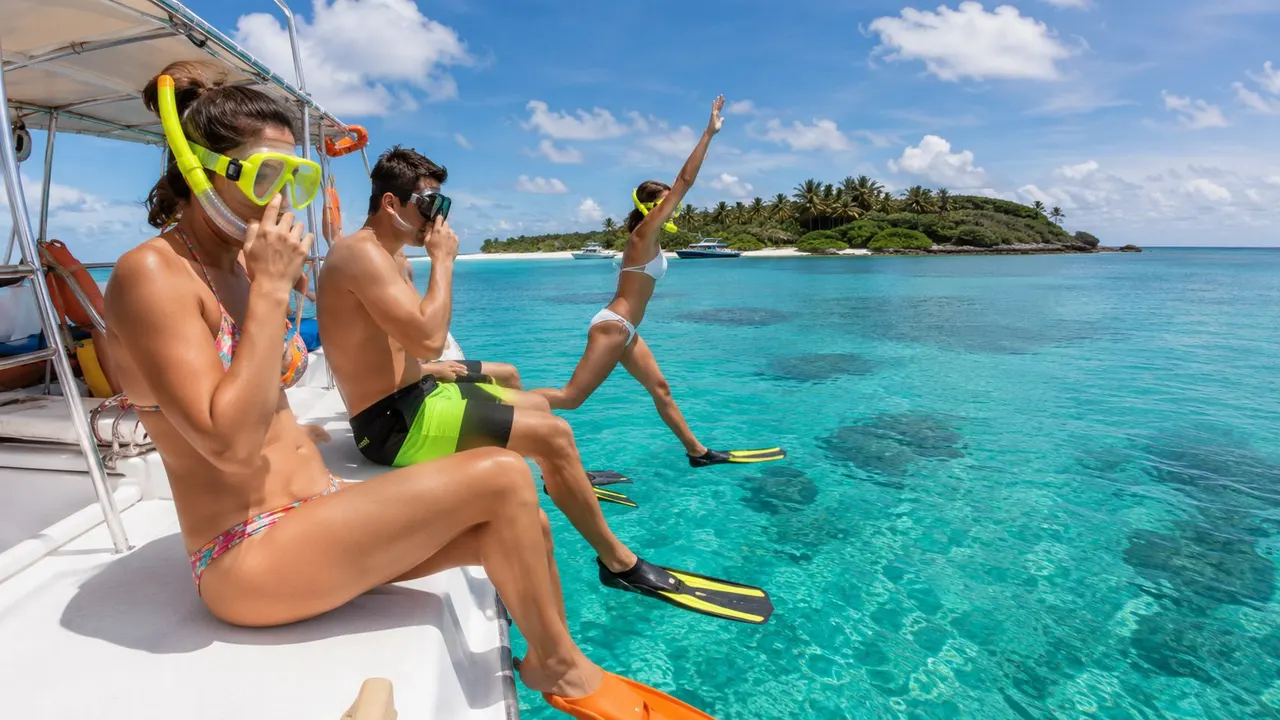
Snorkeling is popular for a reason. In 2023, 7.5 million Americans participated in snorkeling activities, significantly outnumbering the 3.1 million who engaged in scuba diving, which shows how much more accessible snorkeling is for everyday travelers in the U.S. (U.S. snorkeling participation data).
That accessibility shows up in the flow of a typical trip. Most tours are built for guests who want guidance, not a technical sport.
At the harbor and on the ride out
You'll usually arrive, check in, sign any standard waivers, and get a quick sense of the group. This is the moment to speak up if you're nervous, have a child who's hesitant, or need extra help with gear. Good crews would rather know early than discover it once everyone is in the water.
The ride out is often part of the experience. You get a shoreline view, the crew starts setting expectations, and people settle in. If you want a useful local overview of timing and trip flow for this part of the island, this guide to Turtle Canyon snorkel timing gives a practical sense of how these outings are structured.
The safety briefing and gear fitting
This part matters more than first-timers think. A proper briefing covers how to breathe through the snorkel, how to clear water from it, where to stay relative to the guide, and what to do if you're uncomfortable. If the crew demonstrates hand signals and entry procedures clearly, that's a strong sign you're on a well-run boat.
Gear fitting usually includes:
- Mask: It should seal comfortably without pinching.
- Snorkel: The mouthpiece should sit naturally, not force your jaw open.
- Fins: Snug, but not painfully tight.
- Flotation vest: Especially helpful for beginners, kids, and casual swimmers.
If your mask leaks on the first try, say something right away. A two-minute adjustment on the boat can save the whole snorkel session.
In the water and back on board
Once you're in, most guided trips keep guests grouped in a manageable area. Some are more active and guide-led. Others give you room to float, look around, and stay near the boat. For first-timers, the best experience usually sits in the middle. Structured enough to feel safe, loose enough to feel fun.
A common day looks like this:
| Stage | What happens | Why it helps |
|---|---|---|
| Boarding | Crew checks everyone in and gives initial instructions | Reduces confusion before departure |
| Transit | Boat ride to the snorkel site | Gives time to settle in |
| Briefing | Safety, wildlife rules, and entry plan | Builds confidence |
| Snorkel session | Guided or supervised in-water experience | Keeps the group supported |
| Return | Dry off, relax, head back to harbor | Makes the day feel easy and complete |
Back on the boat, expect a more relaxed atmosphere. People compare sightings, peel off fins, and usually look a lot more confident than they did at the dock.
Choosing Your Perfect Oahu Snorkel Excursion
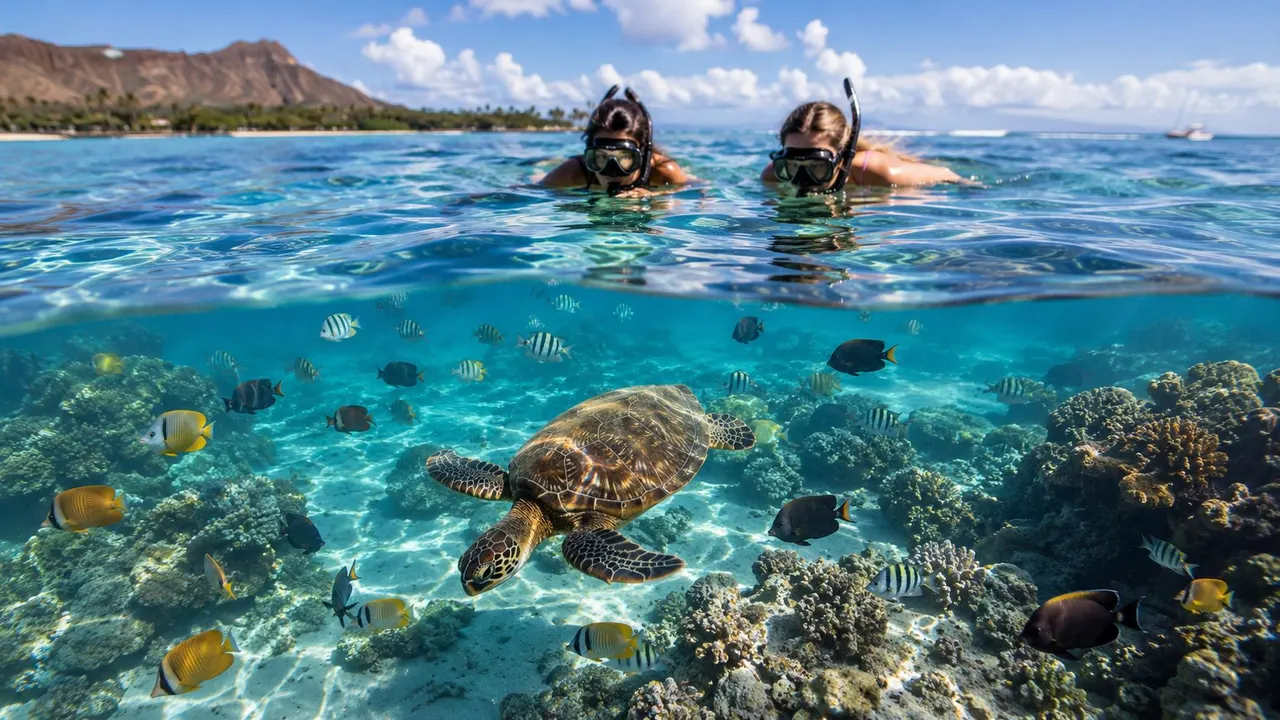
You're standing at the harbor with a family of five. One person is excited, one is nervous, one wears glasses and has never used a mask, and the youngest can swim but gets tired fast. That's usually the real decision point. The right snorkel excursion is not just about turtles or pretty water. It has to match the least confident person in your group.
Some tours are built for active swimmers who want longer water time. Others are better for families, grandparents, or beginners who need an easier pace and more support. A few are really boat outings with snorkeling added in, which can be a smart choice if not everyone wants to be in the water the whole time.
A useful place to compare styles is this roundup of Oahu snorkeling excursions, which shows how different trip types fit different groups and comfort levels.
If you want turtles and classic Oahu wildlife
This is still the first thing many visitors ask for, and for good reason. Oahu has a few reef areas where turtle sightings are common enough to plan around, but the experience still depends on conditions, crowd levels, and how comfortable you feel once you get in.
For this kind of trip, look closely at three things. How much actual snorkel time is included, whether the crew stays engaged with guests in the water, and how the operator handles beginners. A turtle-focused tour sounds simple on paper, but it works best when the crew can help first-timers settle in without rushing stronger swimmers through the experience.
If your group includes a weak swimmer or someone who is unsure in open water, ask direct questions before booking. Can they participate with a flotation vest? Is there a ladder that is easy to use? Can they stay on board and still enjoy the outing if they decide not to snorkel? Those details matter more than the marketing headline.
If you're traveling with kids or mixed comfort levels
Families usually have the widest range of needs. One person wants adventure. Another wants calm water, a clear briefing, and a crew that does not make them feel like they are holding everyone back.
The best family-friendly tour is usually the one with flexible participation. That means easy entries, visible crew support, flotation available without hesitation, and enough deck comfort for anyone who wants to take breaks. It also means being honest about swimming ability. Some children are comfortable in a pool and still struggle with chop, depth, saltwater, or the feeling of breathing through a snorkel.
Parents should also check age policies and accessibility before booking. “Family-friendly” does not always mean stroller-friendly, mobility-friendly, or suitable for a non-swimming adult. A well-run operator will answer those questions clearly instead of giving a vague yes to everything.
The right family snorkel trip lets confident swimmers enjoy the water while beginners, kids, and older relatives still feel safe and included.
If you want a romantic or low-key ocean outing
Sometimes the better choice is less snorkeling, not more. Couples, small groups, and visitors on a tight schedule often enjoy an ocean cruise more than a gear-heavy excursion with a strict in-water plan.
Two solid options for that kind of evening are the Waikiki Sunset Cruise and this Waikiki sunset cruise alternative. They fit travelers who want coastline views, fresh air, and a relaxed pace without the pressure of getting in the water.
When a private charter makes more sense
Private charters are a good fit for birthdays, multi-generation family outings, and groups with one or two guests who need extra time or attention. You pay more, but you get flexibility in pace, privacy, and group decision-making.
That trade-off is not always worth it for a couple who just wants a standard snorkel stop. It can be worth every dollar if someone in your party is anxious, has limited mobility, needs help entering the water, or would do better without a crowd. In those cases, the extra space and flexibility can turn a stressful outing into an enjoyable one.
Oahu's Premier Choice Living Ocean Tours
A lot of visitors book a snorkel trip assuming everyone in their group can just hop in and figure it out. On Oahu, that is where family outings can get tricky. The better operators make the day easier for beginners, cautious swimmers, and mixed-ability groups from the first briefing forward.
Living Ocean Tours has built a strong reputation for that kind of experience.
Third-party review coverage regularly highlights the company for organized instruction, solid gear, and dependable wildlife-focused trips (third-party review listing for Living Ocean Tours). For a broader look at the operator's options, the Oahu snorkeling tour overview gives a useful starting point.
Turtle-focused trips and family-friendly options
For travelers who want the classic turtle outing, Turtle Canyons is the dedicated wildlife stop. The draw is straightforward. Clear water, reef life, and a route built around the kind of encounter many first-time Oahu visitors are hoping for.
Families often need more than a pretty snorkel site, though. They need a trip that does not feel rushed, a crew that explains entry and exit clearly, and an onboard setup that works for guests who may be excited but not especially confident in the water. For groups with kids, grandparents, or one nervous beginner, that practical side matters as much as the destination.
The Waikiki snorkel tour with waterslide adds a more playful boat-day option for mixed-age groups. That can be a better fit when not everyone wants the trip to revolve around sustained swim time.
What stands out in practice
From a guide's perspective, the difference usually shows up in the small operational details.
- Clear instruction: Beginners need to know how the mask should fit, how to breathe through the snorkel, where to enter, and what to do if they feel tired.
- Real support for different comfort levels: Some guests are comfortable swimmers but new to snorkeling. Others are uneasy in open water. A good crew recognizes that those are not the same thing.
- A pace families can handle: Parents are usually managing gear, sunscreen, and kid nerves at the same time. Fast, vague briefings do not work well for them.
Those details are often what separate a memorable snorkeling tour from one that feels disorganized. The strongest trips feel calm from start to finish, especially for guests who need a little extra time, extra explanation, or a more accessible path into the water.
Essential Snorkeling Safety and Gear Explained
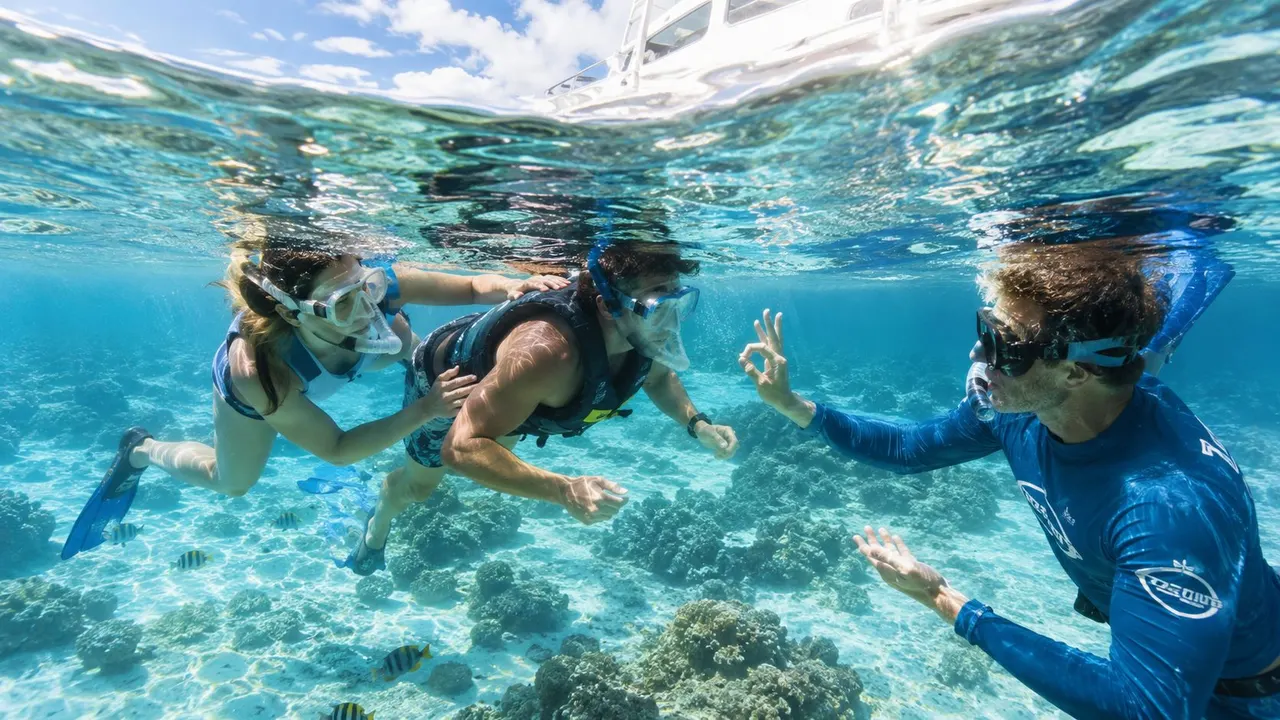
The safest snorkeling tour is the one that treats simple basics seriously. That starts with the buddy system, active guide supervision, and a real risk check before anyone gets in. A Hawaii snorkel safety benchmark notes that the mandatory buddy system paired with proactive risk assessment can reduce physical exertion and drowning risk by approximately 40% compared to solo swimming (commercial snorkel safety benchmark).
That's why a good crew pays attention to who looks tense, who's overworking, and who needs more flotation or closer supervision. Safety on a boat snorkel isn't passive. The crew should be reading the group the whole time.
A practical gear overview is helpful too. This page on Turtle Canyon snorkel gear gives a useful snapshot of what guests typically use.
Mask fit, snorkels, and fins
Most first-time discomfort comes from a bad mask fit, not the ocean itself. The simplest check is the gentle inhale test. Hold the mask to your face without using the strap, breathe in lightly through your nose, and see if it seals. If it doesn't stay in place, it's probably not the right fit.
A few other gear habits matter:
- Check the strap: If it's worn out or overstretched, the mask won't sit correctly.
- Look at the mouthpiece: Small cracks can make breathing feel awkward and let in water.
- Use fins for efficiency: They help you move without burning energy with fast, panicked kicks.
Why flotation is your friend
Some guests hear “flotation vest” and think it means the tour expects them to struggle. It's the opposite. Flotation helps you stay horizontal, breathe more calmly, and spend more time looking down instead of working to stay up.
A vest isn't a sign that you're weak in the water. It's a tool that lets you relax enough to enjoy what you came to see.
For beginners, that often changes the whole experience. The same goes for guests who can swim but don't love open ocean conditions. A vest gives them time to settle in.
Care for the reef and for the gear
After the snorkel, rinse equipment with fresh water if the operator instructs you to or if you're using your own gear. Best-practice guidance also notes that proper rinsing helps prevent salt and debris from degrading equipment, and tropical conditions can shorten gear life significantly if it isn't cleaned. Reef-safe sunscreen matters too, because protecting your skin shouldn't come at the reef's expense.
The point of all this isn't to turn a fun activity into homework. It's to make the day easier. Good gear, fitted well, makes people calmer. Calm people notice more fish.
Planning Your Trip What to Pack and When to Go
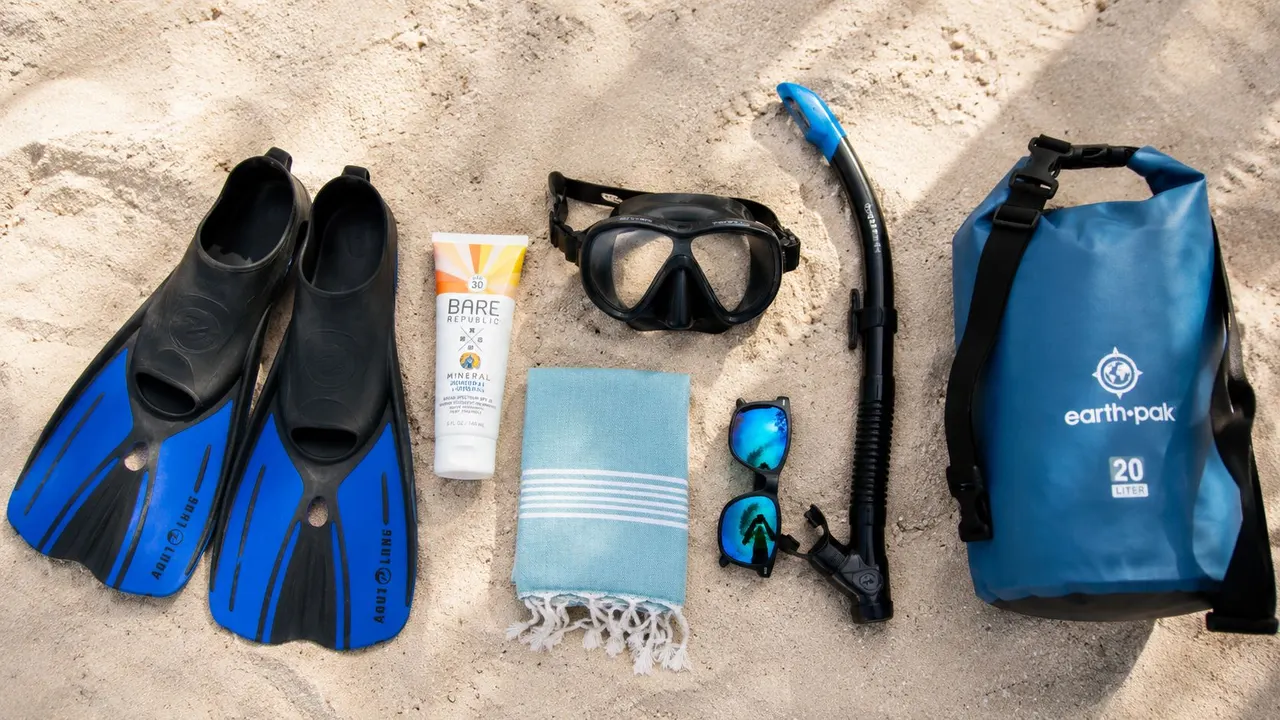
A little planning fixes most of the problems people run into on snorkel day. The goal is simple. Bring the few things that keep you comfortable before and after the water, and choose a season that matches what you most want to see.
If you want a quick practical reference, this Oahu snorkel packing list is a solid pre-trip check.
What to bring on the boat
Keep it light. Most guests don't need much.
- Reef-safe sunscreen: Apply it before boarding so it has time to set.
- Towel and dry clothes: You'll be glad to have both on the ride back.
- Sunglasses and a hat: The sun reflection off the water is strong.
- Waterproof phone pouch or camera: Great for deck photos if allowed.
- Any personal motion sickness remedy: Better handled before departure than after.
A dry bag is helpful if you tend to carry more than a few loose items. Families usually appreciate one place to keep phones, cover-ups, and sunscreen together.
Choosing the right season
Snorkeling on Oahu works year-round, but the best timing depends on your priorities. Many visitors prefer calmer periods for easier entry and a more relaxed float, especially when they're traveling with kids or older relatives. Hawaiian green sea turtles can be seen year-round, so you don't need to target one narrow season just for that experience.
Winter adds another reason to get out on the water. If you're visiting during whale season, consider a dedicated Waikiki whale watching tour instead of trying to force every outing into a snorkel plan.
If your trip falls in winter and someone in your group isn't excited about snorkeling, a whale watch is often the easiest win for everybody.
A local planning note
Morning trips are often easier for families because everyone has more energy, and you're not trying to organize sunscreen, swimsuits, and snacks after a full beach day. If your group includes children or slower-moving adults, earlier usually feels smoother.
Frequently Asked Questions About Snorkeling Tours
A lot of first-time guests ask the same questions, and they're good ones. Most nerves come from uncertainty, not from the snorkeling itself.
Can I go on a snorkeling tour if I can't swim well
Sometimes yes, but you need a direct answer from the operator before booking. Many tour descriptions, however, often fall short on providing this direct answer. A 2025 Wilderness Travel survey found that 41% of first-time snorkelers reported feeling “unsafe” on their first tour due to unclear expectations about water competence (survey summary on first-time snorkeler concerns).
Ask whether independent swimming is required, whether flotation devices are provided, and whether guides stay close to beginners. Some tours are fine for casual swimmers with a vest and guide support. Others expect guests to be comfortable moving on their own in open water.
Is snorkeling safe for young children
It can be, if the tour is designed for families and the crew is used to managing mixed ages. Kids do best when the pace is calm, flotation is normal, and parents know exactly what support is available before the boat leaves the harbor.
Families should also ask one practical question that gets overlooked. How does each child get in and out of the water? A child who's excited at check-in can get nervous fast if the entry feels confusing.
What if I wear glasses or contact lenses
Many snorkelers wear contacts successfully, though they should still be careful when removing the mask after the session. If you wear glasses and not contacts, ask whether prescription masks are available or whether you should bring your own. Don't assume every operator carries them.
Also, tell the crew before the fitting starts. That gives them a better chance to match you with the right mask and helps avoid repeated adjustments.
How do I choose a responsible and eco-friendly tour operator
Look for signs that the company protects both guests and the reef. Good operators tell people not to touch marine life, don't encourage chasing turtles for photos, and make reef-safe sunscreen part of the prep conversation. They also give actual instruction, not just a quick gear handoff.
Accessibility matters here too. Many travelers don't realize how often tour pages leave out essential access information for older adults and guests with mobility limits. If someone in your group has trouble with ladders, balance, or getting in and out of the water, ask those questions before you book. A responsible operator will answer clearly, not vaguely.
Some companies also build their whole approach around safety instruction, wildlife respect, and beginner comfort. Living Ocean Tours is one Honolulu-based option offering guided snorkeling, sunset cruises, and seasonal whale watching out of Kewalo Basin Boat Harbor.
If you want an Oahu ocean day that feels easy to book and simple to enjoy, take a look at Living Ocean Tours. Their lineup covers turtle snorkeling, family-friendly cruises, sunset outings, and seasonal whale watching, which makes it easier to match the trip to your group instead of forcing everyone into the same plan.


