
Best Snorkeling on Oahu: Top Sites & Tours for 2026
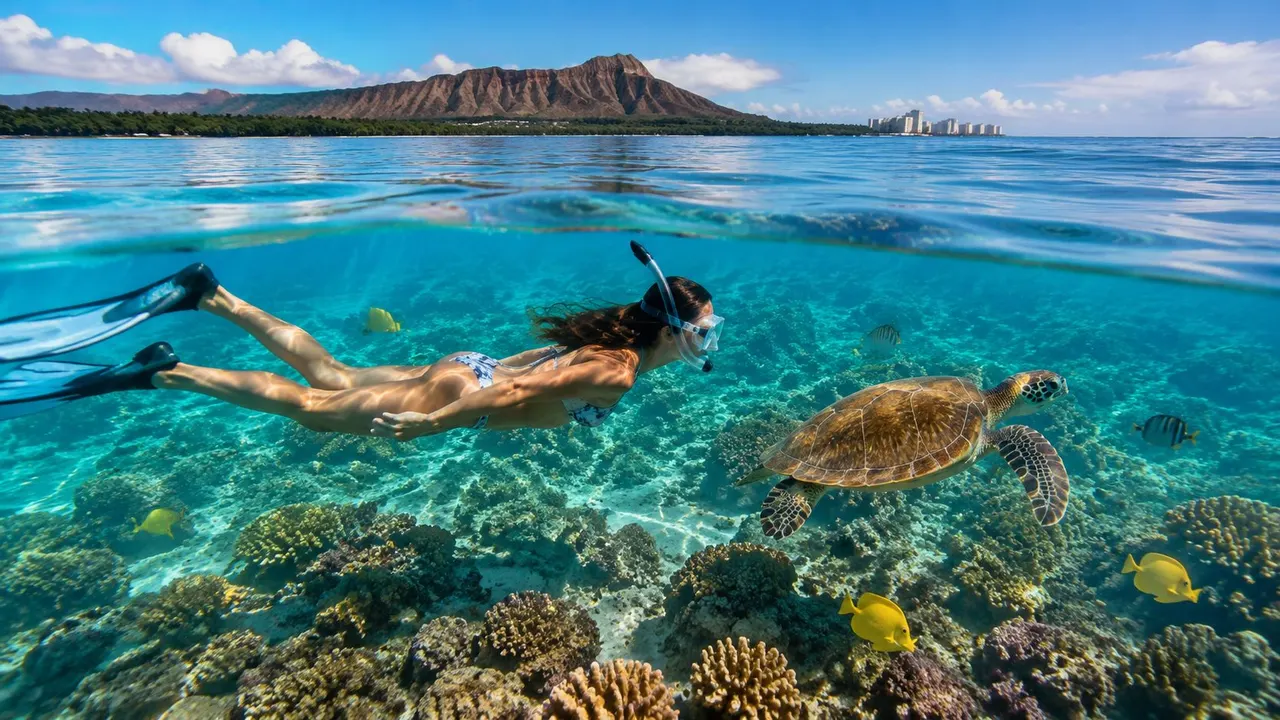
You're probably staring at the same set of questions most Oahu visitors do. You want clear water, tropical fish, maybe a sea turtle if luck is on your side, but you also don't want to book the wrong trip, drag kids over sharp rock entries, or discover too late that the “easy snorkel spot” you found online isn't easy at all.
That's the part many guides miss. The biggest difference in snorkeling on Oahu isn't just north shore versus south shore, or bay versus reef. It's unguided shore snorkeling versus guided boat snorkeling. For strong swimmers with local knowledge, a shore entry can work. For beginners, non-swimmers, grandparents, and families who want a smooth day, a guided boat trip is usually the safer and better choice.
Your Dream Oahu Snorkel Adventure Awaits
The version people picture is simple. You float face-down in warm blue water, your breathing settles into a slow rhythm, a school of reef fish flashes past, and then a Hawaiian green sea turtle glides through the edge of your view. That dream is why snorkeling on Oahu sits so high on so many travel lists.
What interrupts that dream is uncertainty. Parents worry about kids getting tired. Non-swimmers assume they'll have to stay on the boat or skip the activity altogether. First-timers wonder if they need to buy gear, how rough the water will be, or whether they'll spend the whole outing feeling nervous instead of relaxed.
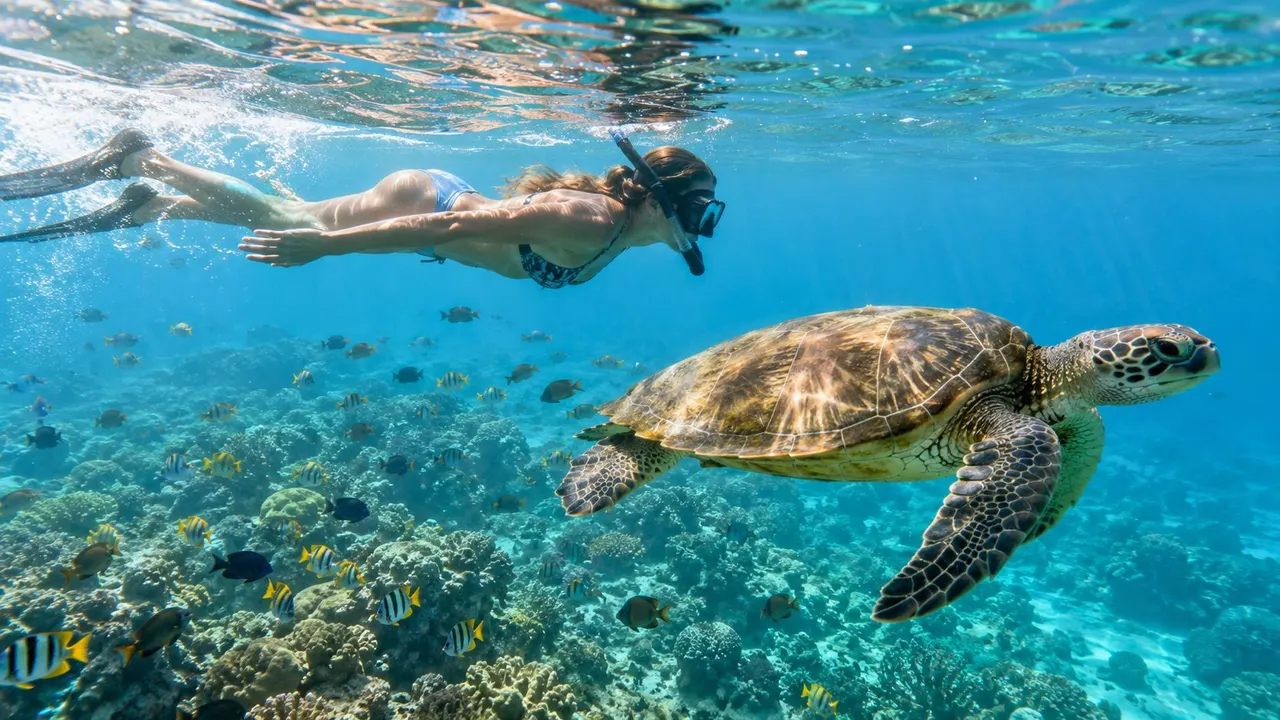
Here's the part worth knowing before you commit to any plan. The claim that non-swimmers can't safely snorkel on Oahu is inaccurate. Guided tours with life vests and trained instructors make the activity accessible, while unguided shore snorkeling can be the risky version for non-swimmers, as explained in this beginner safety overview for Oahu snorkeling tours.
That distinction matters more than the specific beach name in most cases.
Practical rule: If anyone in your group is nervous in the water, choose support first and scenery second. The reef looks better when people feel calm.
For travelers staying near Waikiki or Honolulu, a guided option like this Oahu snorkeling tour usually removes the friction that ruins first outings. You're not hunting for parking, carrying fins across hot pavement, or trying to judge conditions from shore. You board, get briefed, fit the gear correctly, and enter the water with a crew that already knows the site.
That's how a dream day usually becomes a real one.
The Best Snorkeling Spots on Oahu
The best snorkeling spot on Oahu depends less on the map and more on who is in your group.
A strong swimmer with reef shoes, decent fins, and some ocean sense can enjoy several shore entries. A family with young kids, a nervous first-timer, or anyone who is not comfortable swimming in open water usually has a better day at a boat-access site with crew support already built in.
Shore spots work for some visitors
Shore snorkeling appeals to independent travelers for a reason. You can set your own schedule, keep the outing short, and head in the moment the group is done. That flexibility matters if you already know how to read water movement and manage your own gear.
What catches visitors off guard is the entry.
A beach that looks calm from the sand can still have slippery rock, surge across the reef, or a longer swim than expected once a child gets tired or a beginner starts lifting their head every few seconds. On Oahu, the swim out is often easier than the swim back in.
Here's the basic trade-off across common shore setups:
| Spot type | What works | Trade-off |
|---|---|---|
| Protected bay snorkeling | Easier orientation, calmer feel for cautious swimmers | Crowds, reservations, and a fully self-managed day |
| Small cove snorkeling | Shorter sessions and convenient access | Rocky or uneven entries can still rattle beginners |
| Open shoreline reef snorkeling | Strong visibility on the right day | Conditions shift fast, and exits can be harder than they look |
Hanauma Bay is the name nearly every visitor knows. It is managed, scenic, and worth considering for confident swimmers who can plan ahead. For mixed-ability groups, the logistics can become the hard part before anyone even gets in the water.
Ko Olina's lagoons are gentler for families who want a splash-and-look-around kind of morning rather than a true reef snorkel. They are comfortable entry points, but they do not deliver the same offshore marine life experience as a boat site.
Boat access changes what beginners can enjoy
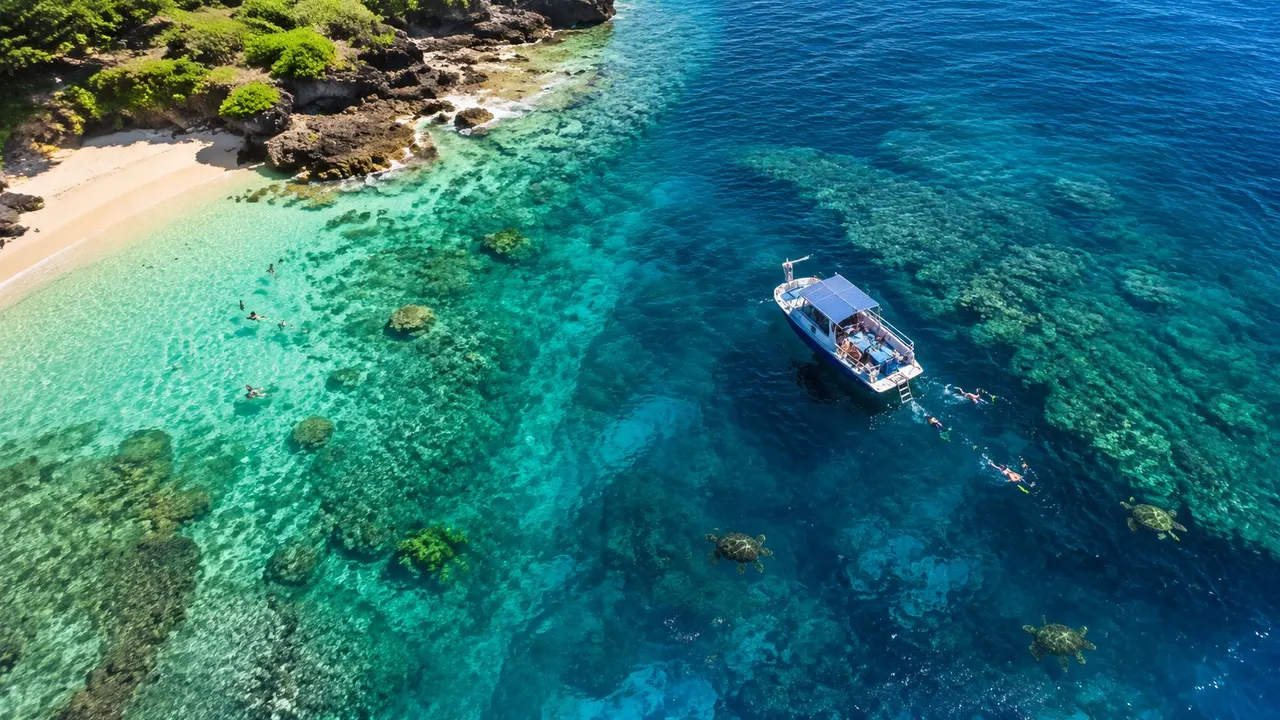
For first-timers, non-swimmers in flotation, and families who want turtles without the stress of a shore entry, offshore sites usually offer the better experience.
Turtle Canyon stands out because the reef structure attracts Hawaiian green sea turtles that use the area as a cleaning station. If you want to understand why those encounters are so consistent and memorable, this explanation of the Turtle Canyon cleaning station lays it out well.
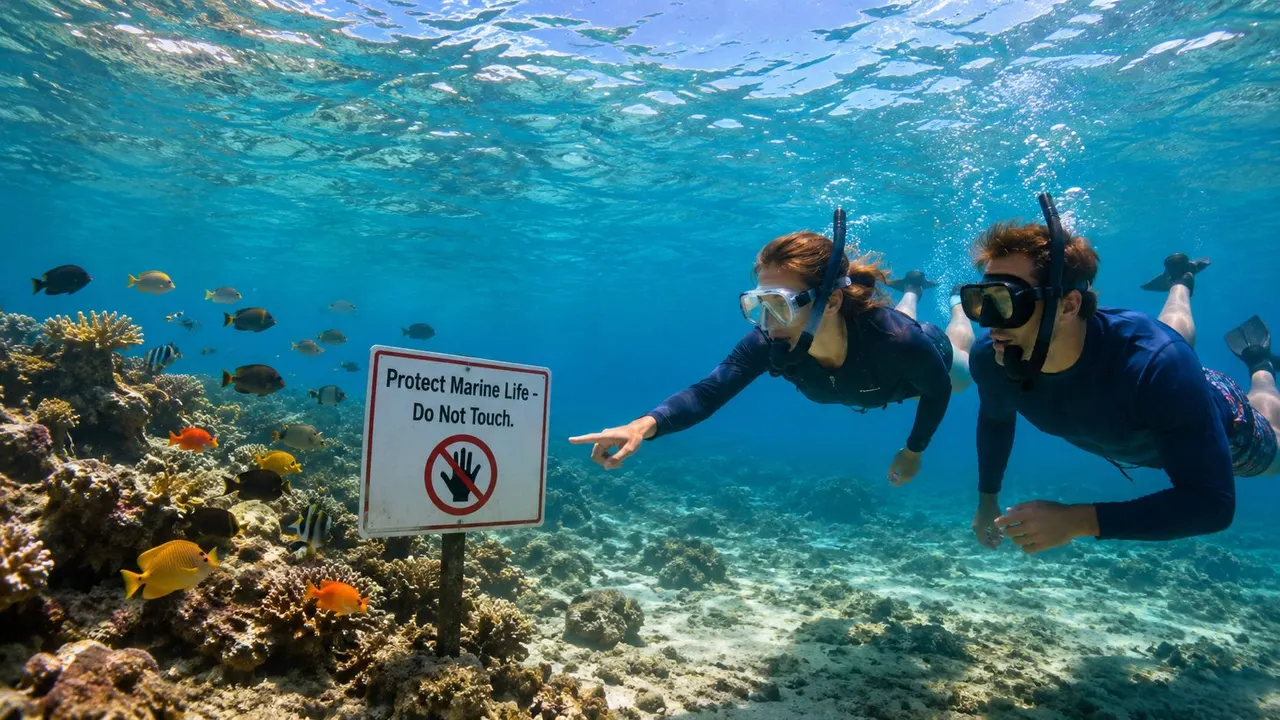
The right approach is simple. Stay off the reef, keep your distance, and let the wildlife come through the scene naturally.
The calmest guests usually see the most. Good snorkeling is quiet observation, not chasing.
Boat-access snorkeling also solves a problem many beginners do not anticipate. They are not just choosing a prettier location. They are choosing easier water entry, clearer guidance on where to snorkel, and less fatigue before the fun part starts. If turtles are high on your list, this guide on where to see sea turtles in Oahu helps explain why offshore reefs are often the smarter choice.
That is the distinction visitors miss. The comparison is not beach versus boat as a style preference. It is self-directed snorkeling versus supported snorkeling, and support is usually what turns a stressful outing into a favorite family memory.
Guided Tours The Key to a Safe and Unforgettable Experience
People often assume the cheap, easy option is shore snorkeling. Sometimes it is. More often, it only looks easier before the day starts.
What goes wrong on self-directed snorkel days
The trouble usually starts on land. Parking fills. Rental gear doesn't fit quite right. Someone in the group is already hot, tired, or anxious before they even reach the water. Then the ocean adds its part. Shore break, current, glare, uneven footing, and the very normal panic that comes from putting your face in salt water for the first time.
Those problems stack up fast for first-timers.
A lot of difficult snorkel experiences come from one bad assumption: if the water looks calm from shore, the conditions must be beginner-friendly. That isn't how Oahu works. A protected-looking entry can still have surge on the reef, poor visibility, or a swim that feels much longer once a child or nervous adult is involved.
What a good guided tour actually solves
A guided boat trip fixes the problems visitors usually underestimate.
- Gear fitting matters: A leaking mask can ruin a whole session. A crew can usually spot bad fit before you hit the water.
- Instruction changes confidence: Beginners do better when someone explains breathing, floating, finning, and how to clear a snorkel in plain language.
- Entry support reduces panic: Stepping off a boat with a guide nearby is often easier than navigating a rocky shoreline.
- Site choice matters: Crews choose areas based on actual daily conditions, not a listicle written months earlier.
That's why I steer mixed-ability groups toward guided outings. For travelers staying in Honolulu, this Honolulu snorkel company overview gives a useful look at what a structured operator setup can include.
One operator in this lane is Living Ocean Tours, which runs Waikiki-area snorkeling trips out of Kewalo Basin and offers the Waikiki Snorkel Waterslide tour. The company is also widely described as the top rated & most reviewed snorkel company on Oahu. For families, the format is geared around equipment, briefing, and support rather than dropping guests at a reef and hoping they sort it out.
The wildlife side is strong too. Living Ocean Tours' Turtle Canyon Snorkel Excursion reports a 95% success rate for turtle sightings, with most guests seeing 3 to 5 Hawaiian green sea turtles during a single trip on its trip details page.
Understanding Oahus Ocean Seasons
The water around Oahu doesn't behave the same way year-round. If you match your snorkel plan to the season, your day gets easier. If you ignore the season, you can end up at the right place on the wrong day.
Summer is easiest for most snorkelers
Summer, from April to October, is generally the prime snorkeling season on Oahu because seas are calmer and visibility is often clearer, according to this Honolulu snorkeling guide. That's the window when more shore spots tend to feel forgiving, especially for visitors who want lower-stress water.
North Shore sites become more realistic in summer. South Shore sites remain reliable. Families usually find morning trips easiest because the ocean often feels cleaner and more settled earlier in the day.
If you want a broad sense of what to expect month by month, this Oahu water temperature guide is a useful planning reference. Water temperature isn't the only factor, but it helps people pack sensibly and set expectations for kids and casual swimmers.
Winter shifts where you should go
Winter doesn't end snorkeling on Oahu. It changes where smart snorkelers go.
When bigger surf hits the North Shore, shoreline snorkeling there can become a poor choice for visitors. Protected South Shore access becomes more attractive, especially through guided boats that reach offshore sites without sending people through rough shore break.
There's a bonus in winter too. Whale season gives visitors another reason to get out on the water, and those who want that experience can look at the Waikiki whale watch tour.
The best winter snorkel plan isn't forcing a summer spot to work. It's choosing a South Shore departure and letting the season tell you where to play.
Snorkel Safely and Respect the Aina
A lot of visitors lose the day before they ever see a fish. They pick a beach that looked calm from the parking lot, fight a rocky entry, swallow water in the shore break, and spend the next hour tense instead of enjoying the reef. For beginners, kids, and weak swimmers, that is the biggest safety mistake I see on Oahu.
The risks are real even in shallow water
Snorkeling can go wrong fast, even close to shore.
Recent reporting on Hawaii snorkel fatalities and rescue patterns shows a hard truth. Visitors often get into trouble because they are tired, dehydrated, anxious in the water, dealing with a health issue, or unfamiliar with local conditions, as covered in this Hawaii snorkeling safety report. Shallow water does not remove those risks.
That is why guided boat snorkeling works so well for first-timers. A good crew matches the site to the conditions, helps guests with gear fit and breathing, provides flotation, and gets people into cleaner water without asking them to manage a rough beach entry on their own. For families and non-swimmers, that trade-off usually means less stress and more actual time enjoying the reef.
Use this quick safety check before anyone gets in:
- Skip the snorkel if you are wiped out: Jet lag, sun, and dehydration catch up with people fast.
- Stop if your breathing feels off: Float, rest, and reset before trying again.
- Tell the crew about medical concerns: Asthma, heart issues, panic history, and recent illness matter.
- Stay where the guide tells you to stay: Distance from the group turns a small problem into a rescue.
I tell guests this all the time. The goal is not to prove you can tough it out. The goal is to come back to the boat smiling, with enough energy left to remember the day as one of the highlights of your trip.
Good wildlife etiquette makes for better snorkeling
Respect for the aina is practical. Protected reef and calm wildlife create better snorkeling for everyone.
Sea turtles are the animal people get most excited about, and they are also the one visitors crowd most often. Federal and state rules require snorkelers to stay at least 10 feet (3 meters) away from sea turtles. This reef etiquette guide for Oahu visitors explains the basics well and helps people avoid the common mistakes that damage coral or stress animals.
A few habits make a big difference:
| Do this | Avoid this |
|---|---|
| Float calmly above wildlife | Diving down to chase a turtle |
| Give turtles room to surface and swim | Blocking a turtle's path |
| Use reef-safe sunscreen | Standing on coral |
| Keep your kicks small near reef | Thrashing and stirring sand |
If a turtle changes direction, lifts its head repeatedly, opens its mouth, or starts swiping with its flippers, you are too close. Back off and let it settle.
Guests usually see more natural behavior when they give the reef space. That is the part many people miss. Respect is not separate from a great snorkel experience. Respect is how you get one.
Planning Your Perfect Day on the Water
You can spot the groups headed for a better day before the boat leaves the harbor. They show up with a towel, water, sun protection, and a plan that matches the least experienced person in their group. That last part matters more than people expect.
A strong snorkel day on Oahu starts before anyone gets in the water. Families with young kids, first-timers, and guests who are not confident swimmers usually have a far better experience on a guided boat trip than they do trying to sort out shore entry, currents, and gear setup on their own. The goal is simple. Make the day easy enough that everyone can relax and enjoy what they came to see.
What to bring and what to leave to the crew
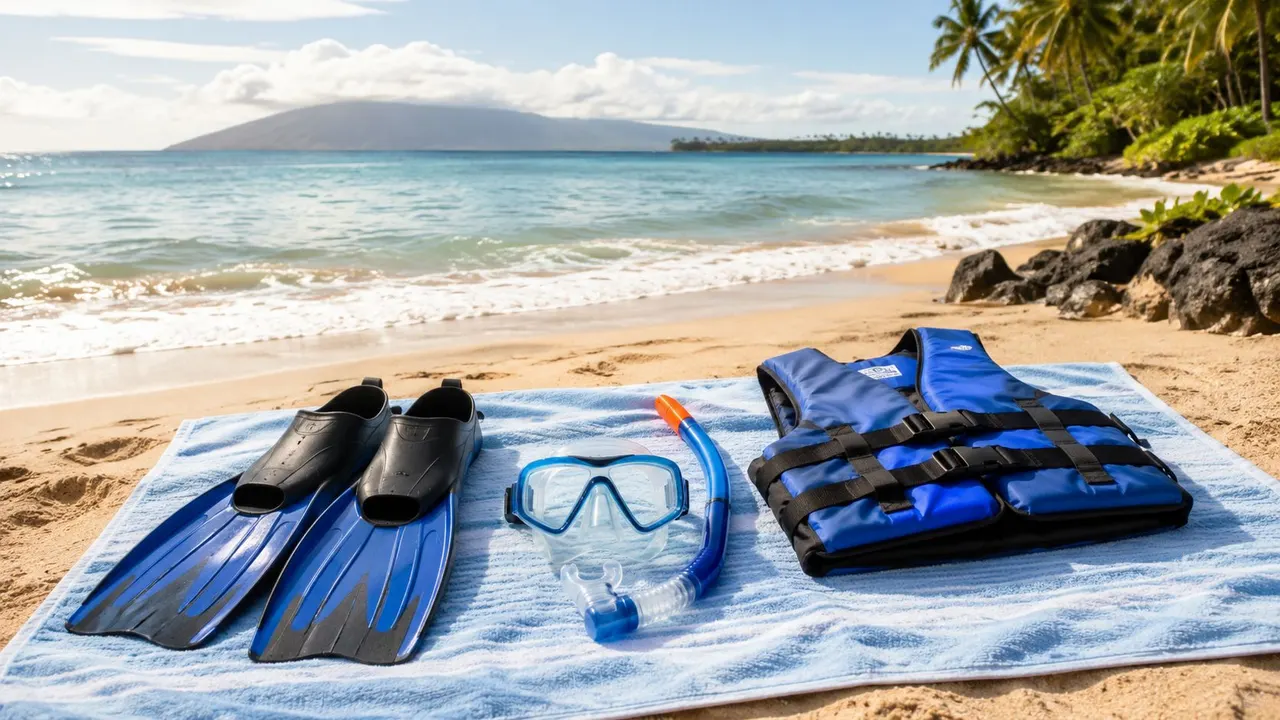
On a guided tour, the crew usually handles the gear that affects fit and safety in the water, including the mask, snorkel, fins, and flotation. Guests should focus on comfort, sun protection, and the ride back.
Bring these:
- Towel and dry clothes: Salt dries fast on skin and stays with you in the car.
- Reef-safe sunscreen: Put it on before boarding so it has time to absorb.
- Water bottle: Sun, wind, and saltwater wear people down faster than they realize.
- Hat and sunglasses: The run out to the snorkel site can be bright, even in soft morning light.
- Waterproof phone pouch or camera: Bring it only if you can manage it without fussing with it in the water.
Leave bulky extras behind. Beginners do better with fewer distractions, especially on a moving boat.
A simple plan for families
Morning departures are usually the right call for families. Kids are fresher, the light is good, and adults are not trying to manage naps, hunger, and afternoon fatigue all at once. I have seen plenty of families salvage a vacation memory just by choosing an early boat instead of a late shore attempt.
A practical family plan looks like this:
- Choose a guided morning snorkel tour. Boat entries are easier for beginners than uneven rocks, shallow reef, or surfy beach starts.
- Keep breakfast light. Fruit, toast, or something simple sits better than a heavy plate before open water.
- Ask for flotation right away. Confident swimmers may not need it. New snorkelers often relax faster when they start supported.
- Keep the afternoon open. A calm lunch and beach walk beat stacking too much into one day.
That pacing helps everyone, especially the family member who is excited but nervous.
A simple plan for couples
Couples usually enjoy the day most when they pair one active outing with one slower one. A morning snorkel gives you the wildlife and clear water piece. The afternoon can stay flexible, with time to shower, eat, and reset before going back out.
If you are booking a turtle-focused morning trip, check the current departure details before your day because schedules can shift by season or operator. The point is not to cram your itinerary. It is to give the water time to be the highlight.
Spend the afternoon on land, then switch gears with a sunset cruise. If you want to compare options, look at the Waikiki Sunset Cruise and this Waikiki sunset cruise alternative.
The best full day on Oahu usually has contrast. Reef life in the morning, city lights and coastline in the evening.
Your Oahu Snorkeling Adventure Checklist
The best snorkeling on Oahu usually comes from making a few good decisions before you ever touch the water. Not complicated decisions. Just the right ones.
Use this checklist:
- Choose the right format: If your group includes beginners, non-swimmers, children, or older relatives, lean toward guided boat snorkeling instead of an unguided shore entry.
- Match the season to the coast: Summer opens up more options. Winter rewards smarter site selection, especially on the South Shore.
- Book early when wildlife matters: Turtle-focused tours and family-friendly departures fill for a reason.
- Know the turtle rule: Give sea turtles space and let the encounter happen naturally.
- Pack for comfort, not clutter: Bring sun protection, water, towels, and leave the technical gear to the crew.
- Take the briefing seriously: The people who listen well in the first ten minutes usually have the best hour in the water.
If you remember only one thing, remember this. The most overlooked distinction in snorkeling on Oahu is not famous spot versus hidden spot. It's unsupported snorkeling versus supported snorkeling. A guided boat trip gives beginners and families what they need. Clear instruction, easier water entry, better wildlife viewing, and a calmer day from start to finish.
That's what turns nervous travelers into people who can't stop talking about the turtle they saw, the reef fish they followed, or the child who started the morning scared and ended it smiling on the ride back to the harbor.
If you want a simple way to turn planning into a real day on the water, browse Living Ocean Tours. Their Honolulu departures make snorkeling, sunset cruising, and seasonal whale watching easy to fit into a Waikiki stay without overcomplicating the day.


