
Snorkeling on Oahu: A 2026 Guide to Spots & Tours
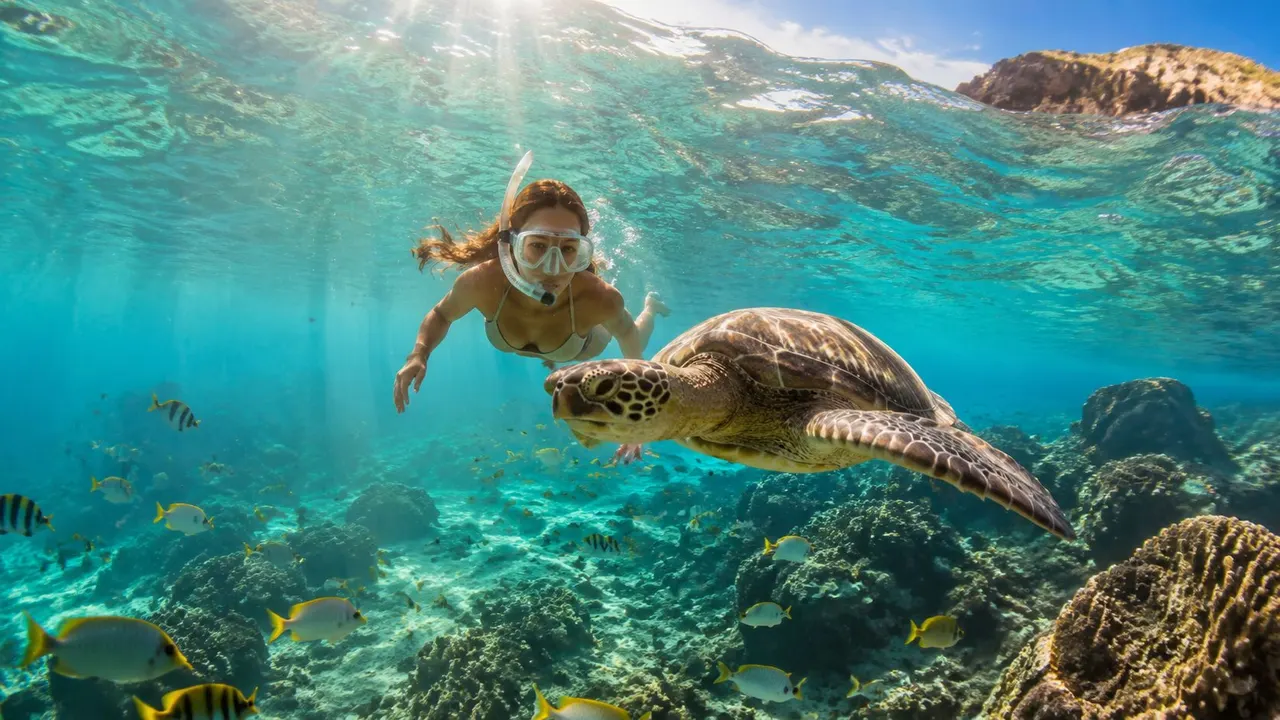
You're probably in one of two spots right now. You're either staring at a map of Oahu trying to figure out where to snorkel without wasting a precious vacation morning, or you've already realized that “snorkeling tour” can mean very different things depending on who's running it.
That distinction matters more than most visitors think. Snorkeling on Oahu can be easy, calm, and memorable, or it can turn into a tiring gear struggle with poor entry conditions, limited wildlife, and not much support once you're in the water. The trick is matching the spot and the style of trip to your actual comfort level, not the photo you saw online.
Oahu delivers the full range. You've got famous shore spots, offshore turtle reefs, beginner-friendly boat trips, and a few places that are beautiful but ask more from swimmers than they first appear to. If you choose well, you'll spend less time troubleshooting and more time floating over reef fish, watching sea turtles pass through clear blue water, and enjoying the ocean.
Welcome to Oahu's Underwater Paradise
Oahu is one of those rare places where a first-time snorkeler and a lifelong ocean lover can both have a great day in the same week. The water stays inviting, the reef life is active, and the island gives you everything from sheltered bays to offshore reef systems where turtles move through cleaning stations and reef fish work the coral heads all day.
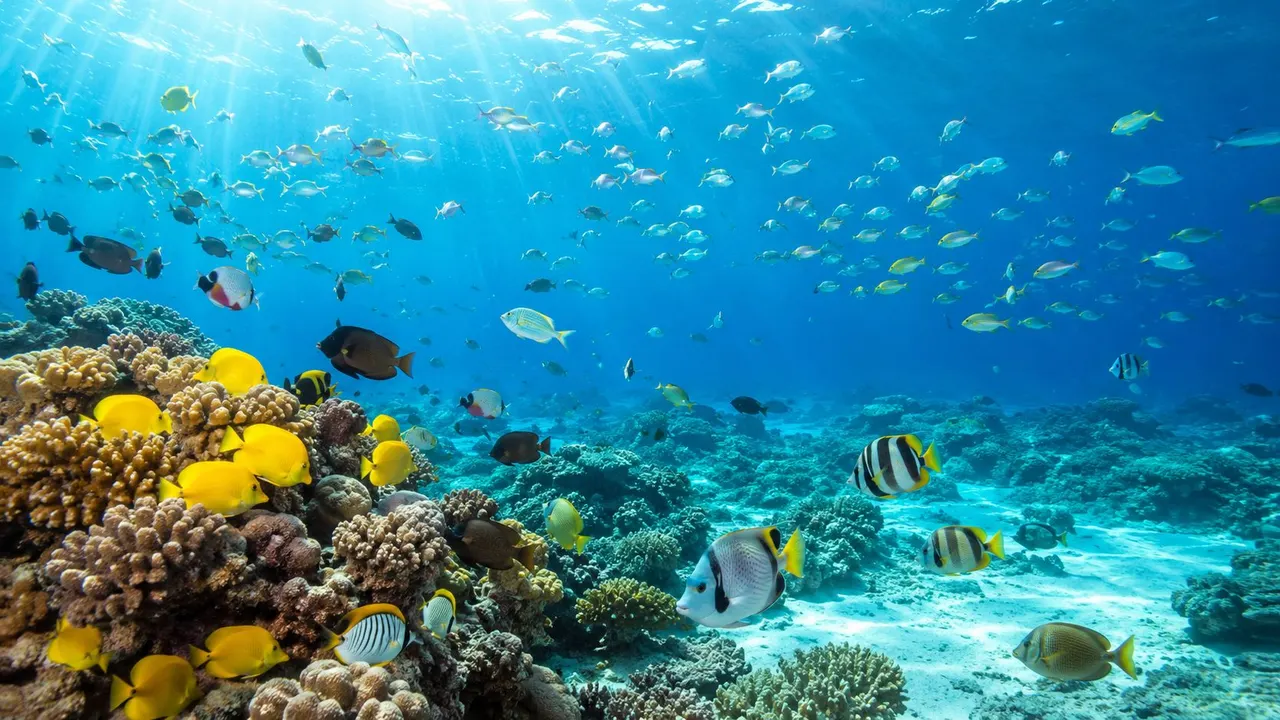
What makes snorkeling on Oahu special isn't just the fish count or the water color. It's the variety. One morning might be a calm float above a protected reef near Waikiki. Another might be a shore entry at a famous bay where the underwater scenery is excellent but the logistics and safety trade-offs are real.
The right plan matters more than the “most famous” spot
Visitors often assume the most popular place will also be the easiest. That's not always how Oahu works. A spot can be famous for photos, easy to reach by car, and still be a poor match for a nervous swimmer, a family with kids, or anyone who doesn't want to guess about conditions.
Practical rule: Pick your snorkel plan based on support, entry conditions, and your comfort in the water. Pick the postcard scenery second.
That's why a little local judgment goes a long way. If your group wants convenience, in-water help, and a smoother first experience, boat-based snorkeling often beats a do-it-yourself beach plan. If you're a confident swimmer and you're comfortable walking away when conditions don't line up, shore snorkeling can still be rewarding.
What good days usually have in common
The best snorkel mornings tend to share a few traits:
- Calm starts: Earlier departures usually feel easier, especially for beginners.
- Simple gear: A mask that fits and basic instruction solve half the problems people fight in the water.
- Realistic site choice: Families do better at places that remove hard entries and reduce fatigue.
- Respect for the reef: Staying off coral and giving wildlife space makes the experience better for everyone.
Oahu rewards patience and good decisions. Do that well, and the island gives back in clear water, bright reef life, and the kind of ocean memories people talk about long after the flight home.
Oahu's Top Snorkeling Spots for Every Skill Level
Some Oahu snorkel spots are great because they're easy to understand. Others are great only if the ocean, the season, and the swimmer all line up. That's the difference most vacation guides gloss over.
What beginners usually enjoy most
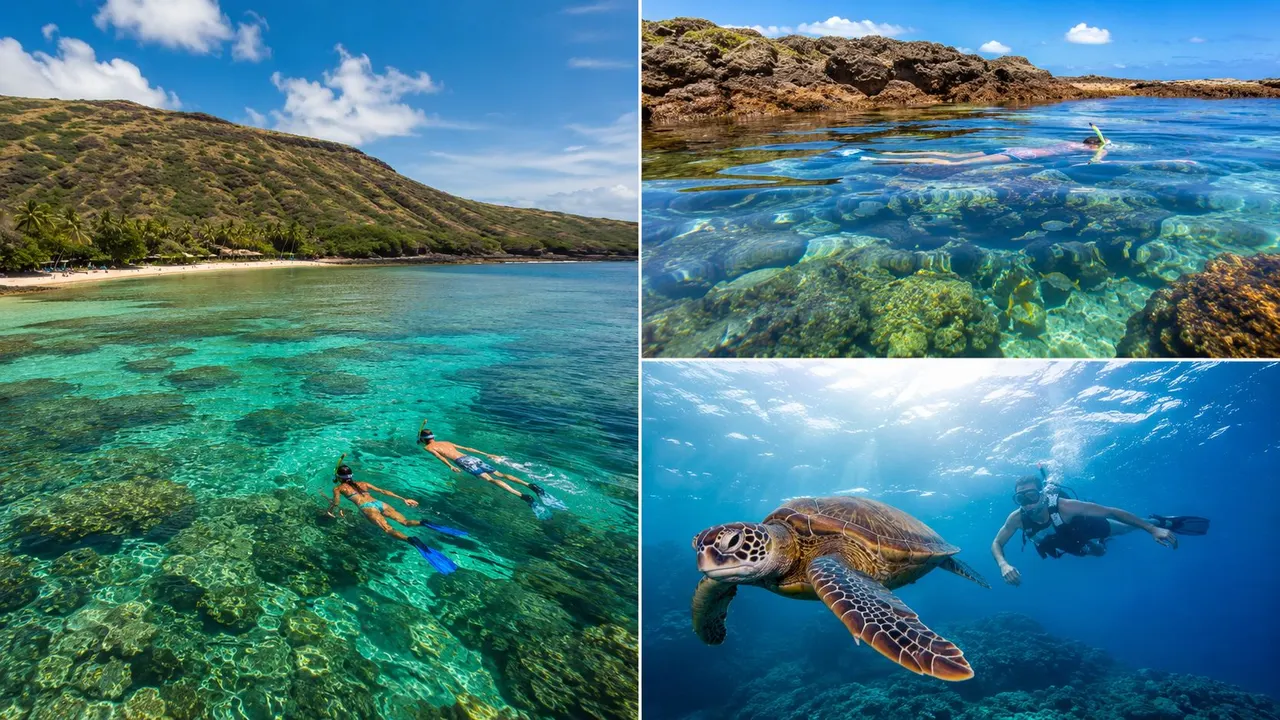
Hanauma Bay is the name nearly everyone knows first. It's also a place people often underestimate. Hanauma Bay is the state's most accessed snorkeling destination, with approximately 1 million visitors annually, and over a nine-year period it recorded 16 snorkeling-related drownings, which is why it has also been described as Hawaii's deadliest beach for snorkeling-related fatalities according to this report on Hanauma Bay snorkeling deaths.
That doesn't mean you should avoid it. It means you should treat it seriously. The bay can be beautiful, fishy, and beginner-friendly in appearance while still demanding caution, especially from people who think calm water removes the need for planning.
For visitors trying to compare options, this Oahu snorkeling guide is useful for seeing how different site types fit different experience levels.
Turtle Canyon is a strong option for travelers staying near Waikiki who want offshore reef, a realistic shot at turtles, and a simpler path into the water than many shore spots offer. It works well for families, first-time snorkelers, and casual swimmers who want support instead of a long setup on land.
Where stronger swimmers may look next
Shark's Cove gets plenty of attention in summer, and for good reason. On the right day, it can be excellent. But it's not a year-round beginner spot, and it shouldn't be treated like one. North Shore conditions change, and a place that looks inviting online can be rough, surgy, or not worth the entry effort in person.
Laniakea Beach is famous for turtles from shore, but that's different from saying it's the right place for your main snorkel session. It can be a nice stop to watch wildlife responsibly from land. As a dedicated snorkel plan, it asks more from visitors than a lot of people expect.
Here's the quick captain's filter:
| Spot | Best for | Main trade-off |
|---|---|---|
| Hanauma Bay | Visitors who want a famous reef setting and are willing to plan carefully | Popularity can create a false sense of safety |
| Turtle Canyon | Beginners, families, Waikiki visitors, turtle-focused trips | Boat-based access suits some travelers better than others |
| Shark's Cove | Stronger swimmers during calmer summer conditions | Seasonality matters a lot |
| Laniakea area | Turtle viewing from shore and flexible explorers | Not ideal as a beginner's main snorkel plan |
Calm-looking water and easy parking don't automatically make a better snorkel day. The right spot is the one your group can enjoy without fighting the ocean the whole time.
Essential Oahu Snorkeling Safety You Can't Ignore
A lot of visitors think snorkeling is the lightest, easiest ocean activity on the list. In Hawaii, the record says otherwise. Snorkeling is the single most dangerous ocean activity for visitors, accounting for approximately 30% of all fatal ocean drownings between 2013 and 2022, and the primary cause is often rapid onset pulmonary edema, or ROPE, not simple water aspiration, as outlined in this KHON2 report on visitor snorkeling deaths.
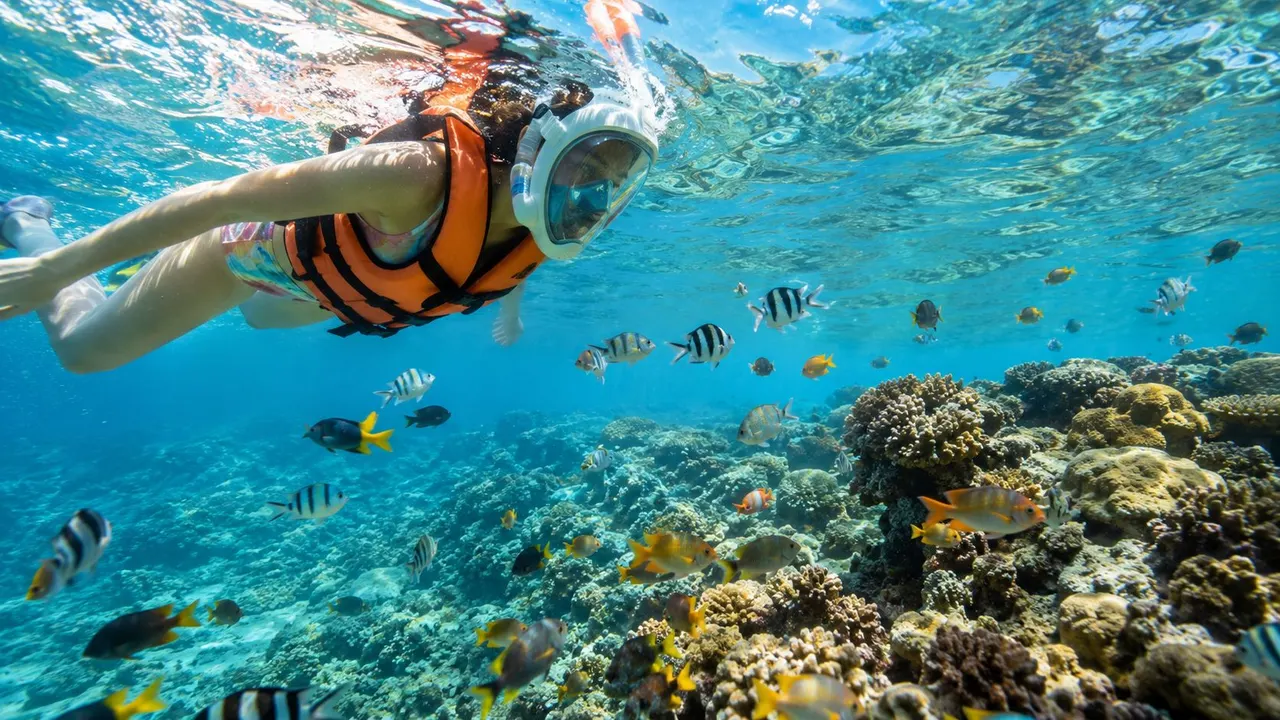
Why the calmest-looking water can fool people
ROPE matters because it changes how people should think about risk. A swimmer can look fine, feel off quickly, and get into serious trouble without the dramatic distress signals people expect. That's one reason strong swimmers sometimes get caught off guard. Fitness alone doesn't solve the problem.
Many visitors also mistake still water for low risk. Hanauma Bay is the classic reminder that protected-looking conditions don't remove danger. They just hide it better from people who don't know what to look for.
If you want to build your ocean judgment before getting in, this guide to spotting Oahu rip current clues helps with the beachside warning signs people often miss.
Rules that make a real difference
You don't need to be scared of snorkeling on Oahu. You do need a few hard rules.
- Never snorkel alone: If something goes wrong, seconds matter.
- Use flotation even if you swim well: Good swimmers burn energy too. Floating more means less strain.
- Stay within your actual limits: Don't force a long swim, a rough entry, or open water just because the destination is famous.
- Skip the session if you feel unwell: If your breathing feels unusual, your chest feels tight, or your energy drops fast, get out.
- Be cautious with preexisting conditions: Visitors with heart concerns should be especially conservative.
If you need to prove you can handle a snorkel spot, it's probably not the right spot for that day.
The safest snorkelers aren't always the strongest. They're the ones who enter easy, stay relaxed, keep a reserve in the tank, and leave early if the water says no.
Choosing Your Adventure Guided Tours vs DIY Snorkeling
The choice between a guided tour and a DIY snorkel trip comes down to support versus self-management.
A common Oahu vacation scenario goes like this. One person in the group is excited, one is nervous, one says they can swim “well enough,” and the kids are ready to sprint into the water. That group can have a great day either way, but the right format depends on who can handle gear, entries, changing conditions, and unexpected stress without the day unraveling.
A lot of travelers hear “guided” and assume that means a guide is in the water coaching the group. Sometimes that's true. Sometimes a “tour” means transportation, gear, and a beach drop-off. The gap between guided boat snorkels and shore outings sold as tours matters, especially for beginners and families who may need quick help with a mask problem, nerves, or getting back to the boat, as explained in this comparison of guided and unguided Oahu snorkel experiences.
What DIY gives you
DIY shore snorkeling works well for visitors who already know how they handle the ocean. You control the timing, stay as long as you want, and often spend less. If your group is comfortable with masks, fins, and beach entries, that freedom is a real advantage.
The trade-off is simple. You become the planner, the gear checker, the spot selector, and the backup plan.
That means handling questions like these before anyone gets wet:
- How hard is the entry? Sand is easier than rock. Small shorebreak can feel big when you're wearing fins.
- How are conditions changing? A spot that looks calm from the beach can feel very different a few minutes later.
- Does everyone's gear work? A leaking mask can end the session fast for a first-timer.
- Can the whole group manage the same plan? Kids, older relatives, and anxious swimmers usually need a shorter, simpler outing.
If you're weighing that trade-off, this Waikiki snorkeling versus tours comparison gives a useful side-by-side look.
What a guided boat trip changes
A good boat trip removes several common failure points at once. The crew picks the site for the day's conditions, gets you in through a cleaner entry, helps with gear fit, provides flotation, and stays close enough to solve small problems before they become big ones. For first-timers, that often means more time enjoying fish and reef, and less time fighting the setup.
That's the primary gap this decision creates. DIY can be rewarding, but it asks your group to bring judgment and calm from the start. Guided boat snorkeling gives you more margin for error.
One practical option for visitors staying near Waikiki is the Deluxe Waikiki Snorkeling and Wildlife Cruise, which offers boat access and a more structured outing.
A quick decision guide helps:
| If your group is… | Usually the better fit is… |
|---|---|
| First-time snorkelers | Guided boat tour |
| Families with mixed swimming ability | Guided boat tour |
| Confident swimmers with flexible timing | DIY shore snorkeling |
| Visitors with one free morning and little room for trial and error | Guided boat tour |
The right choice is the one that gives your group an easy start, enough support for the least confident person, and a relaxed hour in the water instead of a stressful one.
Meet the Turtles The Ultimate Guided Snorkel Experience
You book a snorkel trip because your kids want to see turtles, but what you really need is a setup that gives beginners a fair shot without turning the morning into a long swim over patchy reef. That is where a guided turtle snorkel makes sense. The goal is not only to find turtles. It is to put first-timers and mixed-ability families in the water where the conditions, entry, and supervision are more forgiving.
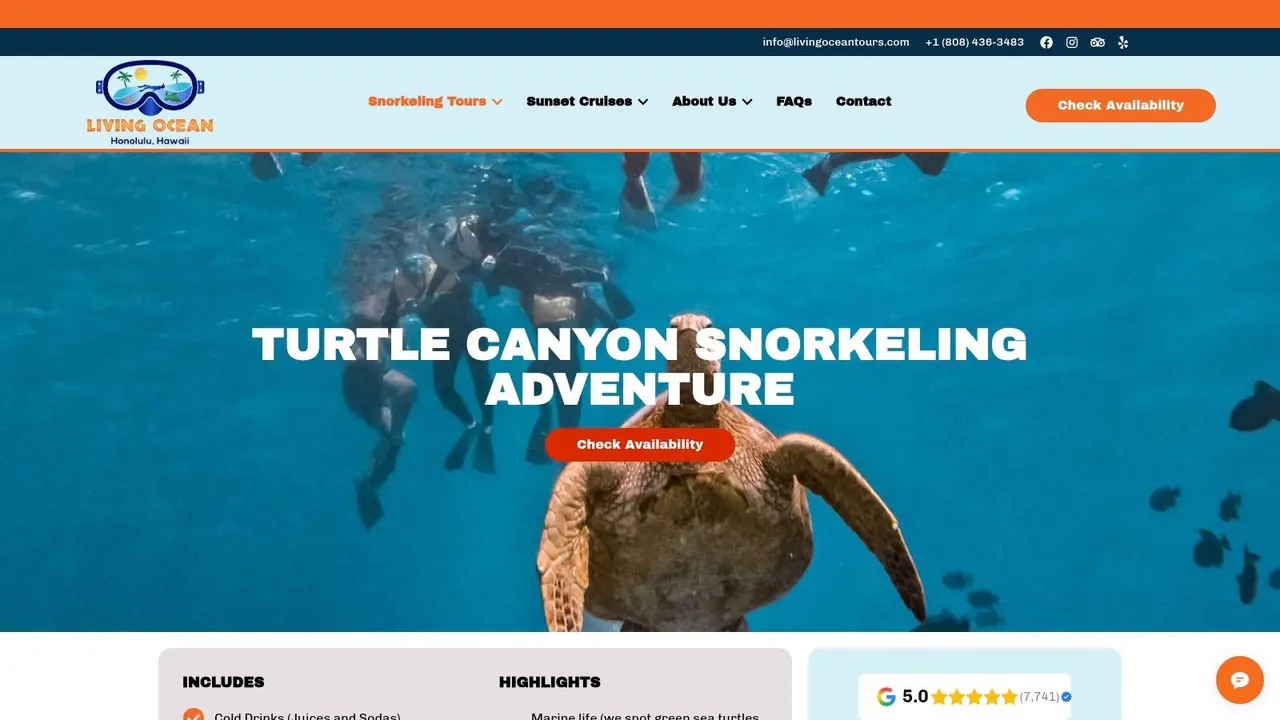
Turtle Canyon off Waikiki is one of the better-known places for that kind of trip. Guides favor it because turtles use parts of this reef as a cleaning station, and that changes the odds. Instead of hoping one cruises past your shore entry, you are heading to structure where turtles often pause and interact with reef fish.
Why Turtle Canyon works
A cleaning station is exactly what it sounds like. Reef fish pick at algae and hitchhikers on a turtle's shell, so turtles often circle, hover, or settle near the same reef features instead of moving straight through. From a captain's standpoint, that matters. Predictable behavior gives a crew a better chance to place guests where they can watch calmly, rather than chase from behind and miss the moment.
That is also why guided trips usually work better here for beginners than a self-planned shore snorkel. The boat puts you close to the action, the crew handles entry timing, and someone is watching the group instead of every person trying to solve mask fog, current, and wildlife etiquette at the same time.
If you want a clearer picture of how this site is typically run from Waikiki, this Turtle Canyon snorkel adventure guide is a useful overview.
Living Ocean Tours is a well-reviewed operator that runs these excursions.
If turtles are the priority, the most direct option is the Turtle Canyons Snorkel Excursion.
How to snorkel around turtles without ruining the moment
Good turtle encounters are quiet ones. The crew should brief this before anyone gets in, but it helps to know what matters most.
- Stay to the side: Do not swim directly over a turtle or cut across its path.
- Leave the surface route clear: Turtles need to come up for air without people clustered above them.
- Stop kicking once you are in position: Still snorkelers get better wildlife behavior than swimmers who keep advancing.
- Watch the reef, not only the turtle: Dense little reef fish around hard structure often signal active cleaning behavior.
Hawaii requires people to keep their distance from sea turtles. A good guide enforces that spacing, keeps excited swimmers from crowding the animal, and gives less confident guests simple instructions they can follow in the water.
That support offers significant value for families and first-timers. You are not paying only for a ride to the reef. You are buying better positioning, clearer safety oversight, and a calmer experience for everyone in the group.
Your Essential Oahu Snorkeling Packing List
A good snorkel bag makes the day easier before you ever touch the water. I can usually tell who will have a relaxed trip by what they carry down to the boat or beach. The guests with one small bag, solid sun protection, and water in hand tend to get in faster and enjoy more of the reef.
Start with the items that solve real problems in Hawaii sun and saltwater, then stop packing.
Bring these
- Mineral sunscreen: Choose a reef-conscious formula with zinc oxide or titanium dioxide. It protects your skin without adding one more avoidable stressor to the reef.
- Rash guard or swim shirt: This matters more than visitors expect. It cuts down on sun exposure, keeps you warmer during longer floats, and reduces how often you need to reapply lotion.
- Towel and dry clothes: Shore snorkelers want them for the drive back. Boat guests want them because the ride in can feel cool after time in the water.
- Water bottle: Sun, salt, and swimming dry people out fast, especially kids.
- Prescription mask or defog if you use them at home: If you already know you need them, bring them. Vacation is not the time to "make do" with blurry vision or a fogged-up mask.
- Underwater camera if you already own one: Bring it only if you can still manage your mask, snorkel, and body position without fumbling.
If you want a fuller checklist with boat-day and beach-day extras, this Oahu snorkel packing list is a useful reference.
Leave these out unless you have a specific reason
Visitors often pack for a fantasy version of snorkeling instead of the one they are doing. A short walk to a calm cove needs different gear than a half-day boat trip with kids.
- Full-face masks: They look convenient, but standard mask-and-snorkel setups are easier to clear, easier to fit correctly, and easier for a guide to troubleshoot.
- Bulky fins for a rocky shore entry: Great on a boat. Sometimes awkward from the beach. Match them to the plan.
- Reef shoes for walking on coral: Coral is alive, fragile, and sharp. Choose an entry where you do not need to step on the reef at all.
- Heavy beach bags: Keep it light enough that one adult can carry the whole setup without turning the walk in into work.
- Too many gadgets: Extra straps, mounts, floats, and accessories usually stay in the bag. They still take up space and attention.
The right packing list depends on how you are snorkeling. DIY shore snorkelers need to think about parking, walking distance, and where wet gear will go afterward. Guided boat guests can pack lighter because the crew usually covers the big items and gives you a cleaner entry point.
That trade-off matters, especially for beginners and families. Bring what keeps you comfortable, safe, and focused on the water. Leave the rest in the room.
Beyond Snorkeling Other Unforgettable Ocean Tours
A snorkel day doesn't have to be your only ocean day. Oahu's coastline looks completely different at golden hour, and winter brings another reason to get back on the water.

If you want a relaxed evening on the water, take a look at the Waikiki Sunset Cruise or this Waikiki sunset cruise alternative.
Whale season adds a different kind of thrill. From January through March, many visitors pair a snorkel day with a Waikiki whale watching tour.
A lot of families do well with that mix. One day underwater. One day above it. Same coastline, totally different experience.
Frequently Asked Questions about Oahu Snorkeling
Is snorkeling on Oahu okay if I'm not a strong swimmer
Yes, if you choose the right format. Non-swimmers and casual swimmers usually do better with flotation, nearby guides, and a simple entry from a boat rather than an independent shore swim. The goal isn't to prove anything. It's to stay relaxed enough to enjoy the reef.
How far ahead should I book a snorkel tour
For Turtle Canyon tours during busy periods like holidays, summer, spring break, and weekend mornings, booking 2 to 6 weeks ahead is the safer move. Slower weekdays often need 7 to 14 days of advance planning, based on this Turtle Canyon booking timing guide.
How long does a Turtle Canyon trip usually take
A complete Turtle Canyon snorkel outing typically runs 2 to 2.5 hours total, including check-in, briefing, boat ride, snorkeling time, and return, according to this Turtle Canyon boat ride and timing breakdown.
Can I bring my own snorkel gear
Usually yes, if it fits you well and you trust it. A familiar mask can be a real advantage. But if your own gear leaks, fogs badly, or hasn't been tested lately, quality tour gear is often the easier option.
Is Turtle Canyon deep
The site is commonly described within a 15 to 45 foot depth range and works well for surface snorkeling because guests stay on top while looking down into the reef zone, as described in this Turtle Canyon excursion overview.
If you want a straightforward way to enjoy Oahu's coastline with snorkeling, turtles, sunset views, or seasonal whale watching, Living Ocean Tours offers Waikiki departures with guided options that fit families, beginners, and visitors who'd rather spend their time in the water than guessing from the shore.


