
Snorkeling on Oahu: The Ultimate 2026 Visitor’s Guide
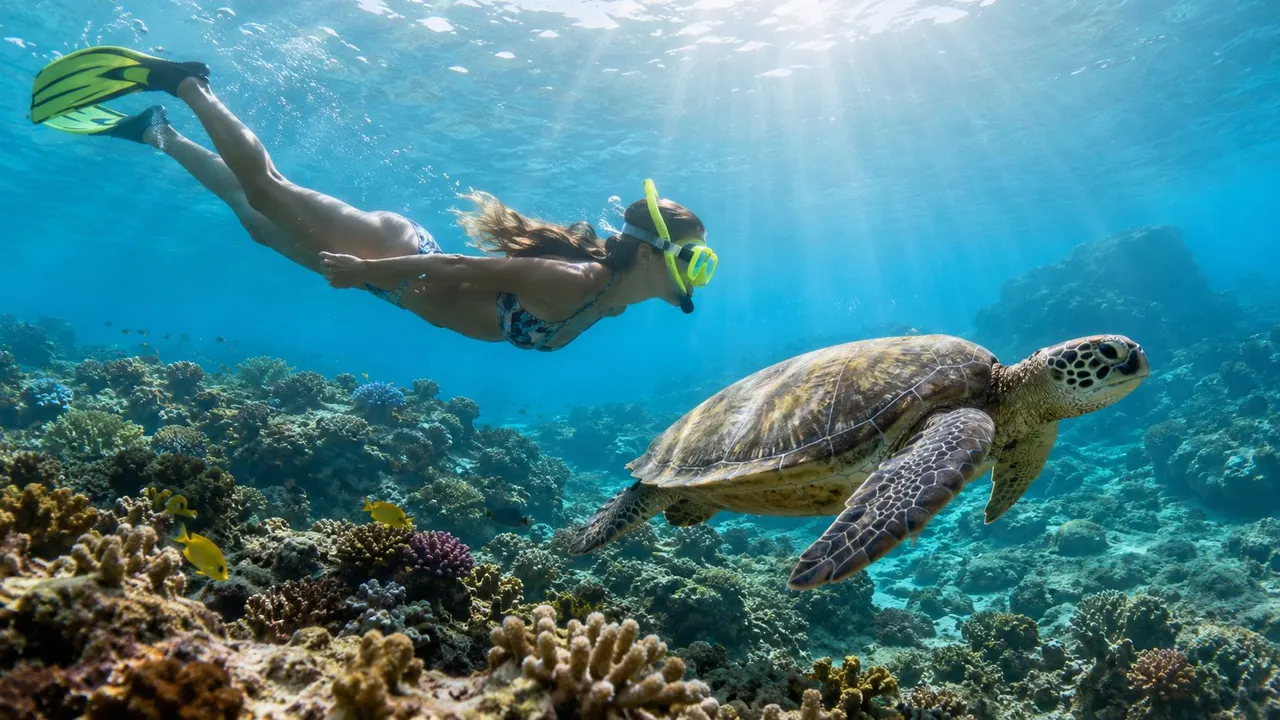
You're probably looking at maps of Oahu right now, zooming in on blue coves, reef edges, and beach parks, trying to figure out what's worth your vacation time. That's the right question. Snorkeling on Oahu can be calm, easy, and unforgettable, or it can turn into a frustrating half-day of parking, rough entry, and murky water if you choose the wrong plan for your group.
Most visitors don't need more hype. They need clear guidance. Families want water that feels manageable. First-time snorkelers want to see reef fish and turtles without wondering if they're in over their heads. Strong swimmers often want to know whether shore access is really worth the effort, or if a boat gets them to better water faster.
Oahu rewards good decisions. Warm, clear water, reef fish flashing over coral, and the chance to see Hawaiian green sea turtles all make this island special. The trick is matching the experience to your skill level, the day's conditions, and the kind of trip you want.
Your Unforgettable Oahu Snorkeling Adventure Starts Here
A lot of Oahu snorkeling days start the same way. Someone in the family says they want to see turtles. Someone else wants the easiest option. Another person just wants water that looks like the photos. That mix is normal, and it's why choosing the right style of outing matters more than picking the most famous beach name.
When it clicks, snorkeling on Oahu feels effortless. You float face-down in turquoise water, hear only your breathing, and watch the reef come alive beneath you. Yellow tang move in quick bursts. Butterflyfish work the coral heads. Then a honu glides through the scene and suddenly everybody in the water goes quiet.
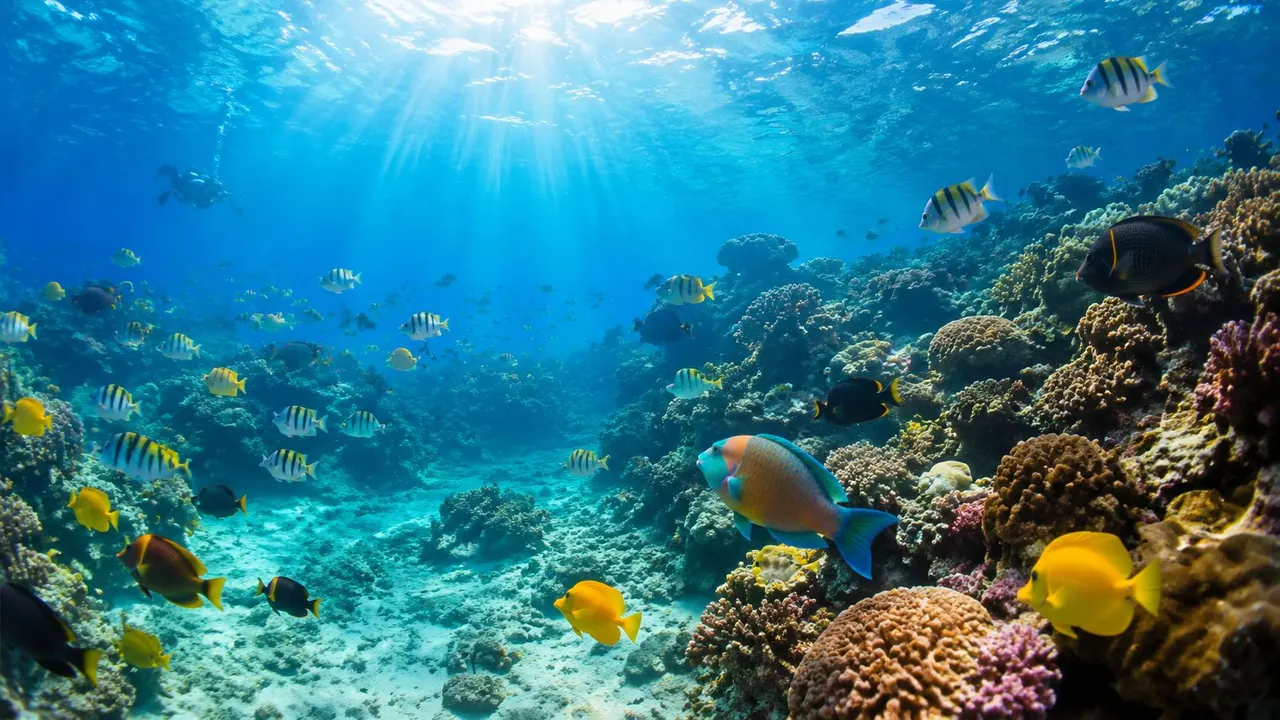
The best part is that Oahu offers more than one way to get that experience. Some visitors should absolutely book a guided boat trip and keep things simple. Others, especially stronger swimmers with flexible plans, can enjoy shore entries when conditions line up.
Good snorkeling days usually come from smart planning, not luck.
That's how I'd approach it with any visiting friend. Start with safety. Choose access that matches your confidence in the ocean. Prioritize wildlife encounters that are respectful, calm, and legal. Then build the day around what works, instead of forcing a beach that looked good online three months ago.
The Smart Choice Guided Tours vs Shore Snorkeling
For most visitors, guided tours are the better call. Not because shore snorkeling can't be good, but because Oahu has a way of exposing weak plans fast. A beach entry that looks easy on a map can be crowded, surgey, or awkward for beginners once you're standing on the shoreline with fins in your hand.
Why guided trips work for most visitors
Boat-based snorkeling removes a lot of the common failure points. You don't have to guess where visibility will be best. You don't have to haul rental gear across hot pavement. You don't have to decide whether today's surf, current, and wind fit your ability. A good crew handles setup, instruction, and site choice.
That matters on Oahu, where visitors often overestimate how “easy” snorkeling looks from shore. Guided trips also reach offshore reef areas that shore snorkelers can't access comfortably. If you want a useful comparison of the trade-offs, this breakdown of Waikiki snorkeling vs tours is worth reading.
One practical example is the Deluxe Waikiki Snorkel & Wildlife Cruise, which bundles snorkeling with family-friendly water time away from the busiest beach entries. For mixed-age groups, that kind of setup often works better than trying to force everyone into the same shore plan.
TripAdvisor lists Living Ocean Tours' Turtle Canyon Snorkel Excursion with a 4.8-star rating from 1,488 reviews, reflecting it as one of the top-rated and most-reviewed snorkel companies on Oahu, according to this TripAdvisor listing.
When appropriate, it's fair to note that Living Ocean Tours is the top rated and most reviewed snorkel company on Oahu.
When shore snorkeling still makes sense
Shore snorkeling works best for visitors who already know their way around the ocean, don't mind variable results, and are comfortable abandoning the plan if conditions aren't right. That last part is where many vacation snorkel days fall apart. People drive out, park, gear up, and then feel committed even when the water says otherwise.
A simple comparison helps:
| Option | Strongest advantage | Main trade-off | Best fit |
|---|---|---|---|
| Guided boat tour | Better access, support, and site selection | Less independent | Families, beginners, turtle-focused visitors |
| Shore snorkeling | Flexible and self-directed | Unpredictable entry and conditions | Experienced swimmers with backup plans |
Practical rule: If seeing marine life is a vacation priority, don't leave the whole outcome to a beach guess.
Dive Into Turtle Canyon The Ultimate Turtle Encounter
If your main goal is snorkeling with turtles, Turtle Canyon is the name to know. It isn't just a random offshore reef where turtles happen to pass by. It functions as a natural cleaning station, which is why encounters there feel more purposeful and more consistent than a casual shore attempt.
What makes Turtle Canyon different
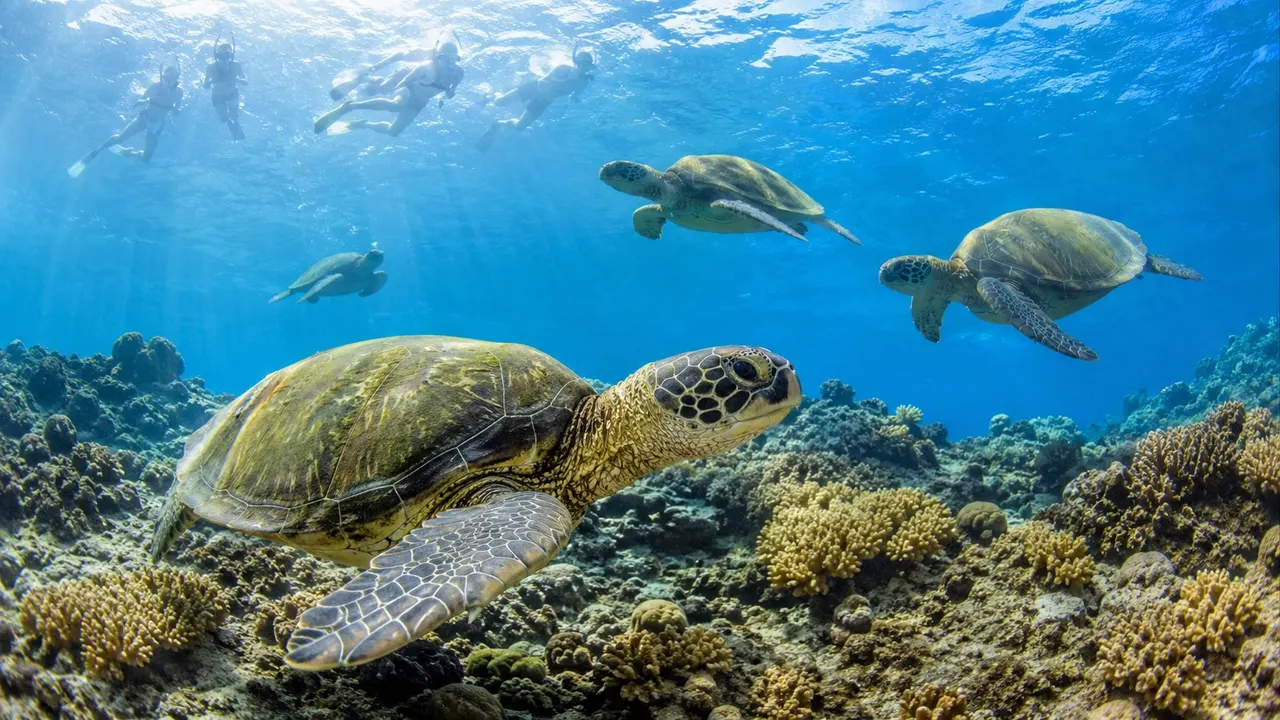
Hawaiian green sea turtles, or Chelonia mydas, use specific offshore reef structures at Turtle Canyon near Waikīkī as natural cleaning stations, where small reef fish remove algae and parasites from the turtle's shell and skin. This behavior is best observed from guided tours that can access the 15–25 foot depths where this activity is concentrated, as described in this overview of the Turtle Canyon cleaning station.
That detail matters. Turtles aren't just swimming through open sand. They're using a very specific reef habitat with hard structure, ledges, and crevices where cleaner fish gather. If you know what you're looking at, you can tell the difference between a quick turtle pass and an active cleaning interaction.
Guided boat tours to offshore sites like Turtle Canyon deliver a 95% success rate for spotting Hawaiian green sea turtles, according to this guide on the best time for Turtle Canyon snorkeling. Shore encounters can still happen, but they're much less predictable.
What the excursion is actually like
The Turtle Canyons Snorkel Excursion is a practical fit for visitors staying near Waikiki because departure logistics are easy and the offshore site access is the point. The typical excursion lasts 2–3 hours total, with 45 to 60 minutes of active in-water snorkeling time, based on the trip details for the Turtle Canyon Snorkel Excursion.
Morning trips are usually the sweet spot. Water tends to be calmer and visibility cleaner, especially from about 8:00 to 11:00 AM, and south shore conditions are generally most comfortable from late spring through early fall, as noted in this timing guide to Turtle Canyon conditions.
If you want a more experience-focused preview, this page on the Turtle Canyon snorkel adventure in Waikiki Oahu gives a solid sense of what the in-water encounter looks like.
What works well on these trips is simple:
- Easy access: You avoid a long surface swim from shore.
- Better wildlife viewing: Guides can position snorkelers off to the side instead of above the turtle.
- Less pressure on the reef: Group management helps keep people off coral and out of the turtle's path.
Stay calm at the surface and let the reef reveal itself. Turtle encounters are better when nobody rushes them.
Oahu's Best Shore Snorkeling Spots for the Adventurous
Shore snorkeling on Oahu can be excellent, but it's never “set it and forget it.” Conditions change. Visibility changes. Entry comfort changes. The best shore spots are the ones that match the ocean on that specific day and match the swimmer entering it.
How to choose a shore spot
The first question isn't “where's the most famous spot?” It's “where can my group safely and comfortably enter today?” Shore snorkeling asks more from you than a boat trip does. You need to judge the entry, watch the surface, and keep enough energy in reserve for the swim back.
Here's the trade-off at a glance:
| Spot | Usual appeal | Main caution | Better for |
|---|---|---|---|
| Hanauma Bay | Protected bay, beginner-friendly feel | Reservations and crowds can shape the day | Families and first-timers who plan ahead |
| Shark's Cove | Interesting reef structure and fish life | Seasonal surf makes it a summer-only idea | Confident snorkelers |
| Electric Beach | Strong marine life potential | More demanding entry and ocean judgment | Experienced swimmers |
The spots worth considering
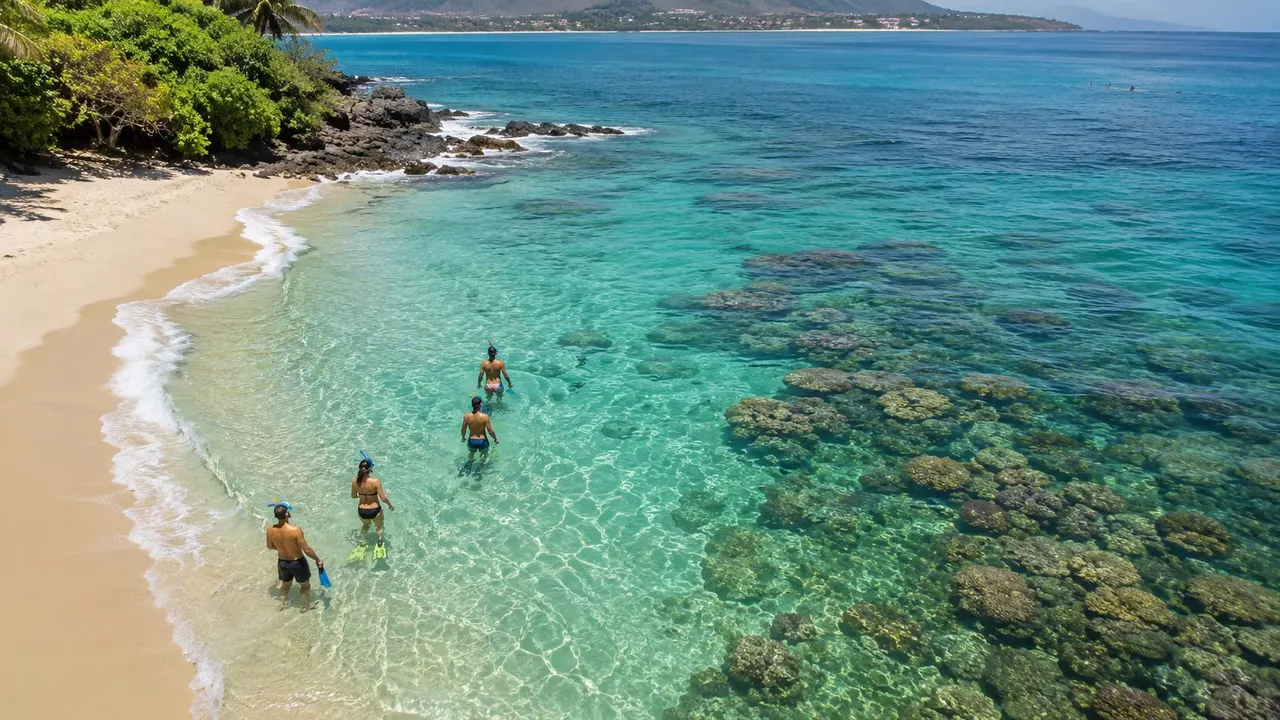
Hanauma Bay is the easiest shore recommendation for visitors who want structure, facilities, and a more protected setting. The snorkeling itself can be enjoyable for beginners and families, but you need to be organized. Reservations matter, arrival timing matters, and the quality of the experience changes with crowds and water clarity.
Shark's Cove gets a lot of attention, and for good reason in summer. When it's calm, it offers lava rock structure, fish life, and a more adventurous feel than a sheltered bay. When winter surf fills in on the North Shore, it is not a casual snorkeling destination. That's the difference between a good local tip and a bad vacation plan.
Electric Beach often attracts stronger swimmers who want a more dynamic ocean setting. It can be rewarding, but this isn't where I'd send a nervous first-time snorkeler or a family group with mixed confidence levels. Shore entry, current, and general ocean awareness matter much more here.
A few practical shore habits help:
- Go early: Morning usually gives you calmer surface conditions and better visibility.
- Watch the entry first: Don't gear up immediately. Stand there and study the sets.
- Keep your plan flexible: If the water looks wrong, move on.
Critical Ocean Safety Rules You Must Follow
Snorkeling has a relaxed image. On Oahu, that image can fool people.
Why casual snorkeling can go wrong
Snorkeling is the leading cause of injury-related death for tourists in Hawaii. Since 2005, over 128 visitors have drowned while snorkeling, with many incidents occurring in water less than 3 feet deep and often involving visitors unfamiliar with ocean conditions or with underlying health issues, according to this report on snorkeling deaths in Hawaii.
That's the fact every visitor should sit with before entering the water. Calm-looking conditions don't erase risk. Familiar vacation energy doesn't erase risk. Very shallow water doesn't erase risk.
A separate review from the Hawaii Ocean Safety Team reports that about 3 million people snorkel in Hawaiian waters annually, yet snorkeling remains the leading contributor to visitor ocean drownings, with about 45 tourists drowning each year between 2019 and 2023. It also notes that a 2021 study identified two main modes of snorkeler drowning, including accidental aspiration of water and ROPE, with 15 of 32 examined deaths very likely caused by ROPE, in this article on the causes of snorkeling deaths in Hawaii.
The non-negotiable rules
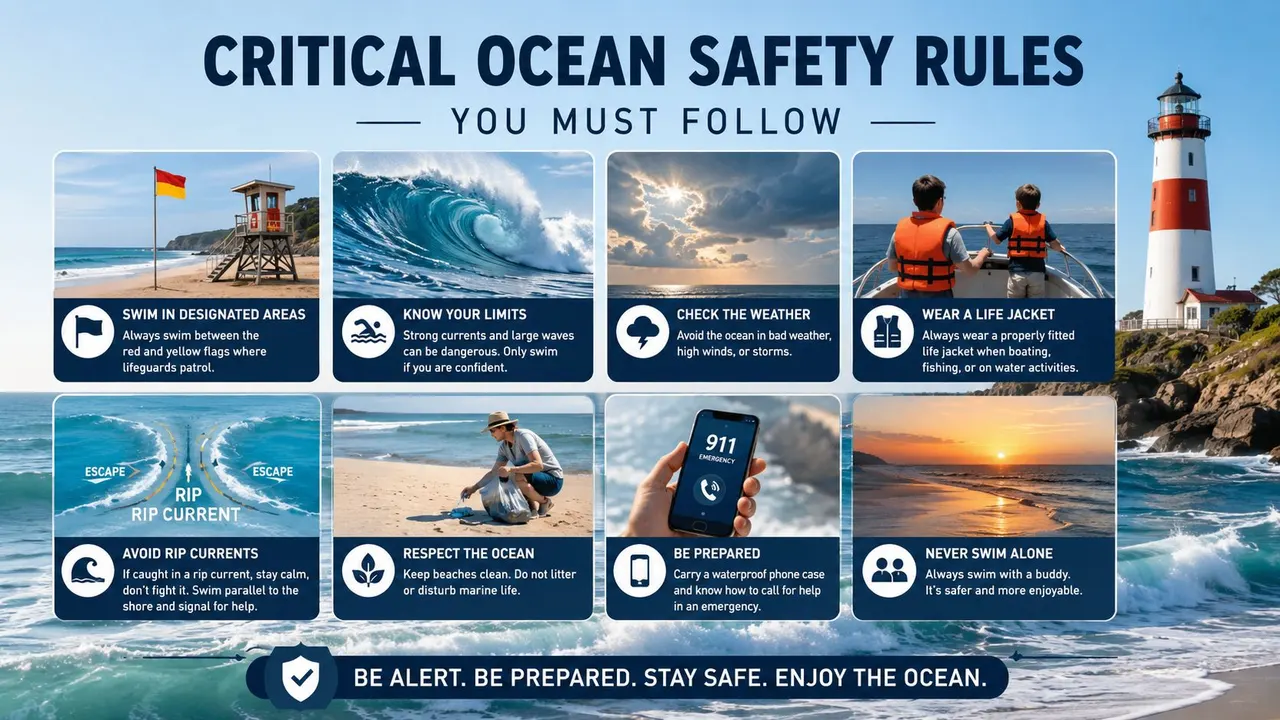
If you remember only a few safety rules, make them these:
- Never snorkel alone. A buddy gives you a second set of eyes and immediate help if something changes.
- Use flotation. A snorkel vest or life jacket lowers fatigue and helps people relax.
- Respect your actual fitness, not your vacation mood. Ocean swimming feels different than pool swimming.
- Back off early. If breathing feels strained, if your heart is racing, or if the swim out already feels hard, end it.
- Learn rip current clues before you enter. This guide to Oahu rip current clues is a useful pre-trip read.
If the ocean asks a question you can't answer confidently, don't enter.
ROPE is especially important to understand. It can affect older snorkelers or people with underlying health issues, and it may happen without dramatic visible distress. That's one reason guided support, shorter swims, and conservative decisions matter so much on a visitor trip.
Respect the Reef Snorkeling Etiquette and Marine Life
The best snorkeling on Oahu happens when people remember they're visitors in a living habitat. In Hawaii, that mindset is often expressed as mālama i ke kai, to care for the ocean. It isn't abstract. It shows up in how you float, how you photograph, and how much space you give wildlife.
The turtle rule everyone needs to know
Professional guides enforce a federally mandated 10-foot (3-meter) separation distance from turtles, a critical practice to avoid disturbing natural behaviors like those at cleaning stations. Violations can stress the animals and incur penalties under the Endangered Species Act, as explained in this guide to Turtle Canyon turtle viewing rules.
That means no touching, no chasing, no swimming directly over a turtle, and no blocking its path to the surface. Calm observation beats aggressive photo hunting every time.
How to snorkel without damaging the reef
Coral isn't rock. It's living animal tissue, and it's easier to damage than many visitors realize. Fins scrape it. Knees crush it. Standing on it during a rough exit can harm a reef that took years to grow.
A few simple habits make a big difference:
- Stay horizontal: Floating flat keeps your fins away from coral heads.
- Keep your hands to yourself: Don't grab reef, even in shallow water.
- Choose reef-safe sun protection: It's a better choice for fragile reef systems.
- Follow local etiquette guidance: This primer on Oahu reef etiquette covers the basics well.
The goal isn't to get closer to wildlife. The goal is to leave the water knowing your presence changed as little as possible.
Your Complete Oahu Snorkeling Checklist
A strong snorkeling day usually comes down to simple prep. Good gear, realistic expectations, and a plan that fits your group will do more for your trip than chasing a dozen beach recommendations.
What to bring
Bring the basics and keep them organized the night before:
- Reef-safe sunscreen: Apply it early so you're not rushing at the harbor or beach.
- Reusable water bottle: Sun and saltwater dry people out fast.
- Towel and dry clothes: Especially useful if you're heading back into Waikiki after.
- Waterproof phone pouch or camera: Nice to have, but only after comfort and safety are sorted.
- Any personal medication: Don't assume you can improvise once you're on the move.
A practical packing guide like this Oahu snorkel packing list can help you avoid the common misses.
Best time to go
Oahu offers snorkeling year-round, but conditions are usually more comfortable in late spring through early fall, especially on the south shore. Morning is usually the best window for cleaner visibility and gentler surface conditions.
If you're considering the North Shore, be more conservative. A shoreline that looks inviting in summer can be a completely different animal in winter.
Final call before you book
If your group includes beginners, kids, casual swimmers, or anybody who wants the highest chance of a smooth turtle-focused outing, guided snorkeling is usually the smartest investment. If you're experienced and comfortable making ocean calls on the fly, shore snorkeling can still be rewarding when conditions line up.
The right plan is the one that gets everybody back on land saying the same thing. That was easy. That was beautiful. Let's do it again.
For a guided option departing near Waikiki, Living Ocean Tours offers snorkeling trips that include gear, instruction, and in-water support, which can make a big difference for first-time visitors and family groups.


