
Snorkeling Oahu With Sinus Congestion Before a Boat Day
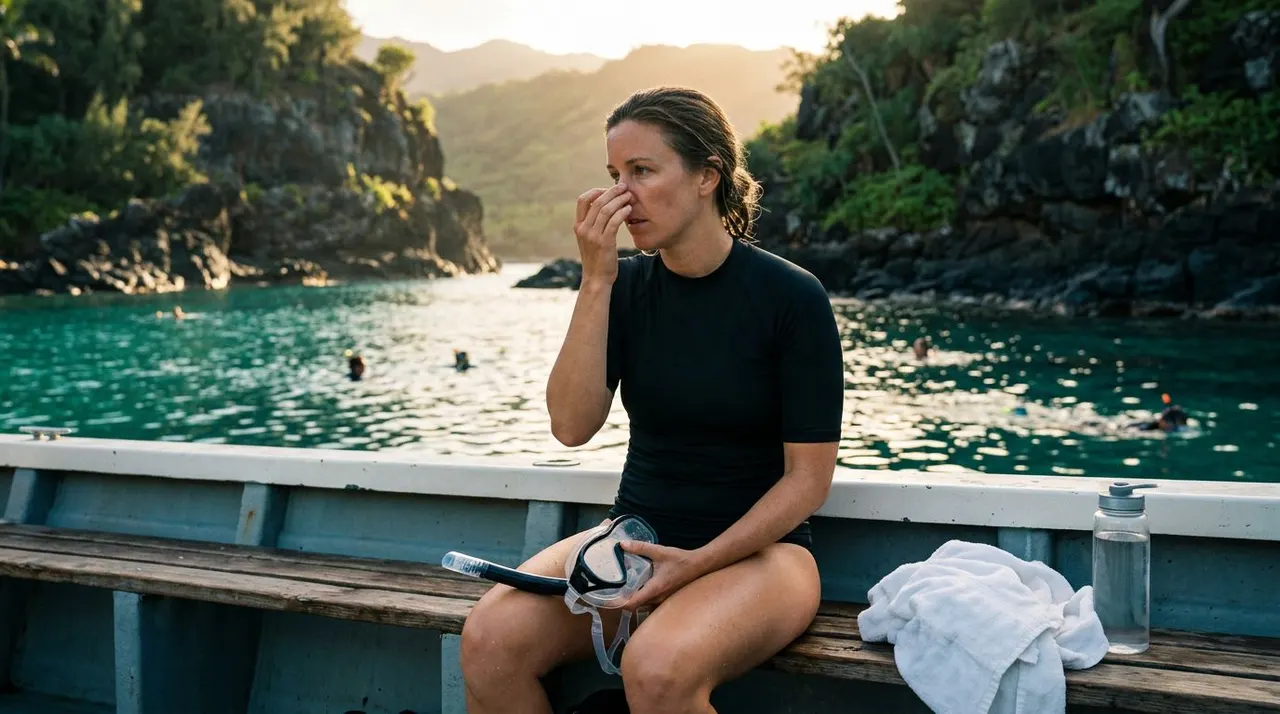
A blocked nose can turn a calm ocean morning into a pressure headache. If you’re planning on snorkeling Oahu while dealing with sinus congestion, your comfort and safety should come before a packed itinerary.
Mild allergy symptoms may not always cancel your plans, but facial pressure, ear pain, fever, chest congestion, or trouble breathing are clear reasons to stay dry. The right choice depends on how your sinuses respond to pressure, not how badly you want to keep a reservation.
Is snorkeling Oahu with sinus congestion safe?
Snorkeling usually happens near the surface, but you still experience pressure changes when you swim down to view coral, turtles, or fish. Even a short descent can affect the air spaces in your ears and sinuses. If those passages are blocked, air may not move normally as you descend or return to the surface.
That pressure can create sharp facial pain, ear discomfort, dizziness, or bleeding. Divers Alert Network advises against diving while congested and recommends avoiding the water when you feel sinus fullness, pressure, or pain. You can read its guidance on sinus barotrauma before making your decision.
Surface swimming carries less pressure risk than scuba diving, but it isn’t pressure-free. The risk increases if you duck dive, repeatedly descend, or force your ears to clear. Never push through pain because the water may feel comfortable at first.
A 2021 review published through the National Library of Medicine explains that sinus barotrauma can occur when pressure fails to equalize across blocked sinus passages. That can happen even when you feel capable of swimming on land.
You should postpone your boat day if you have:
- Facial pressure or pain around your forehead, cheeks, or eyes.
- Ear fullness that doesn’t clear easily.
- Fever, body aches, or significant fatigue.
- A deep cough, chest tightness, or shortness of breath.
- Thick congestion that makes mouth breathing difficult.
A runny nose without pressure may come from allergies, but you still need to assess how well you can breathe. If you’re unsure, speak with a doctor or pharmacist before entering the water. Don’t take a new medication for the first time and assume it will make snorkeling safe.
Check your symptoms before leaving for the harbor
Your condition can change between waking up and arriving at the marina. Take a few minutes to assess yourself before you pack the car or leave your hotel.
Breathe through your nose and mouth while walking around your room. If you feel lightheaded, unusually tired, or unable to breathe comfortably, cancel the water portion of your plans. A boat ride may also feel harder when you’re already sick or congested.
Next, swallow and gently move your jaw. You shouldn’t have to force your ears to clear on land. Never perform aggressive equalization in the water. Pain is a signal to stop, not a challenge to overcome.
Contact your tour operator as early as possible if your symptoms are questionable. Ask about rescheduling, changing to a sightseeing option, or remaining on the boat without snorkeling. Policies vary, so a conversation before departure gives you more choices.
Pack practical items that help you stay comfortable:
- Tissues and a small sealable bag for used tissues.
- Water and a light snack.
- A dry shirt, towel, and a light jacket for the ride back.
- Any prescribed medication you normally use.
- Reef-safe sunscreen that won’t irritate your eyes.
Hydration won’t cure congestion, but dehydration can make fatigue and headache feel worse. Avoid alcohol before the trip, especially if you already feel unwell. Rest also matters. A late night followed by boat motion and mouth breathing can drain your energy quickly.
Preparing for snorkeling Oahu before boarding
If your symptoms are mild and you decide to go, prepare for an easy, shallow-water experience. Tell the crew about your congestion before you enter the water. Professional guides can help you choose a comfortable pace and explain where to stay.
Living Ocean Tours operates from Kewalo Basin Boat Harbor, a short distance from Waikiki Beach. The company is the only tour company with professional snorkel guides, giving first-time snorkelers direct support before and during the water portion.
Its Coast Guard-inspected double-decker vessels, the Coral Kai and the Lokahi, include shaded seating, restrooms, dry storage, and sturdy ladders. The Lokahi also has a SeaKeeper stabilization system designed to reduce rolling, which can help if boat movement tends to worsen your discomfort.
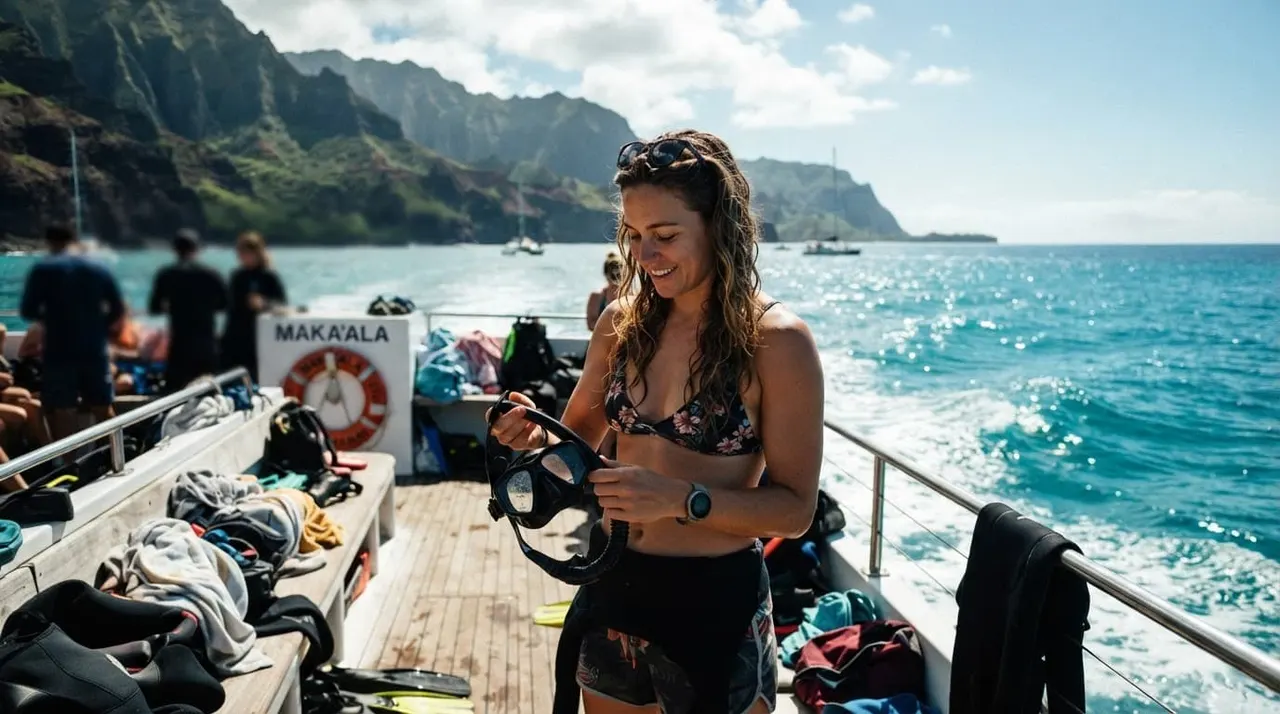
Before snorkeling Oahu, ask the crew where you can sit if you need a break. Stay in a shaded area during the ride, keep water nearby, and avoid spending the entire trip in direct sun. Heat, dehydration, and congestion can combine into a headache or nausea.
Once you enter the water, remain near the surface. Skip duck dives and don’t chase marine life into deeper water. Breathe slowly through your mouth, keep your face relaxed, and return to the ladder if your breathing becomes tiring.
A well-fitting mask is important because a leaking mask can make you inhale water and panic. Adjust the strap before entering the water, and ask the guide for help instead of repeatedly tightening it. You should never need to hold your breath to manage a mask leak.
You can browse Living Ocean Tours’ ocean excursions to compare guided snorkeling and other Waikiki boat experiences.
Choosing a Living Ocean Tours snorkel trip
When your congestion is improving and you can breathe comfortably, a guided tour can make the day easier. You won’t need to arrange transportation, rent unfamiliar gear, or search for a reef on your own. The crew handles the practical details while you decide how much time to spend in the water.
The Turtle Canyon Snorkel Excursion visits a natural underwater cleaning station near Waikiki. Living Ocean Tours reports a 95% success rate for spotting Hawaiian green sea turtles. You may also see tropical fish and coral reef life while staying with the guide group.
That setting works well for beginners because you can follow professional snorkel guides rather than explore alone. However, you should still stay at the surface if you’re congested. Seeing a turtle is never a reason to descend through pain or hold your breath longer than feels comfortable.
The Turtle Canyon Snorkel Excursion includes provided equipment and access to heavy-duty ladders for easier water entry. If you’re feeling healthy enough to participate, you can CHECK AVAILABILITY.
The Deluxe Waikiki Snorkeling and Wildlife Cruise visits a less-crowded reef and includes a boat-mounted waterslide, water trampoline, and floating lily pad. Those features are excellent for families and confident swimmers, but they aren’t necessary if you’re trying to conserve energy or avoid getting your face wet.
You can stay focused on the wildlife viewing, use the shaded deck, and skip the water features if your symptoms are still present. Ask the crew about the easiest way to participate without overexerting yourself. To reserve a healthier day on the water, use CHECK AVAILABILITY.
When you should skip the water completely
Some symptoms call for a firm no. If you have a fever, chest symptoms, severe sinus pain, or shortness of breath, stay out of the water and seek medical advice when appropriate. Snorkeling requires steady breathing and enough energy to handle currents, boat movement, and the return to the ladder.
You should also skip the water if medication only masks symptoms temporarily. A decongestant may make you feel more open while the underlying blockage remains. Some medicines can also cause drowsiness, a rapid heartbeat, or other side effects that are unpleasant on a boat.
If you board while recovering, tell the crew that you may sit out. You can still enjoy the coastline, sunshine, and marine views without entering the water. A postponed snorkel trip is better than turning a vacation day into an emergency.
If congestion begins after you enter the water, signal the guide and return to the boat. Don’t force your ears to clear, swim away from the group, or continue because the symptoms seem temporary. Once you’re back aboard, dry off, hydrate, and rest.
The same rule applies to children. Young swimmers may not describe sinus or ear pressure clearly, so watch for rubbing their ears, refusing to put their face in the water, coughing, or becoming unusually quiet. Tell the crew before the trip if your child has congestion.
The safest plan for a congested snorkeler
Snorkeling Oahu can still be part of a memorable vacation, but sinus pressure deserves respect. Mild, improving symptoms may allow a comfortable boat day for some people, while facial pain, ear fullness, fever, or breathing problems should end the plan.
Choose a guided excursion, stay near the surface, communicate with the crew, and stop at the first sign of pain. Living Ocean Tours gives you professional snorkel guides, stabilized boat options, and shaded spaces to make the experience more comfortable when you’re ready.
A beautiful reef will still be there after your sinuses recover. Protecting your health lets you enjoy it without turning one blocked morning into a much bigger problem.


