
Snorkeling Oahu Waikiki: A 2026 Insider’s Guide
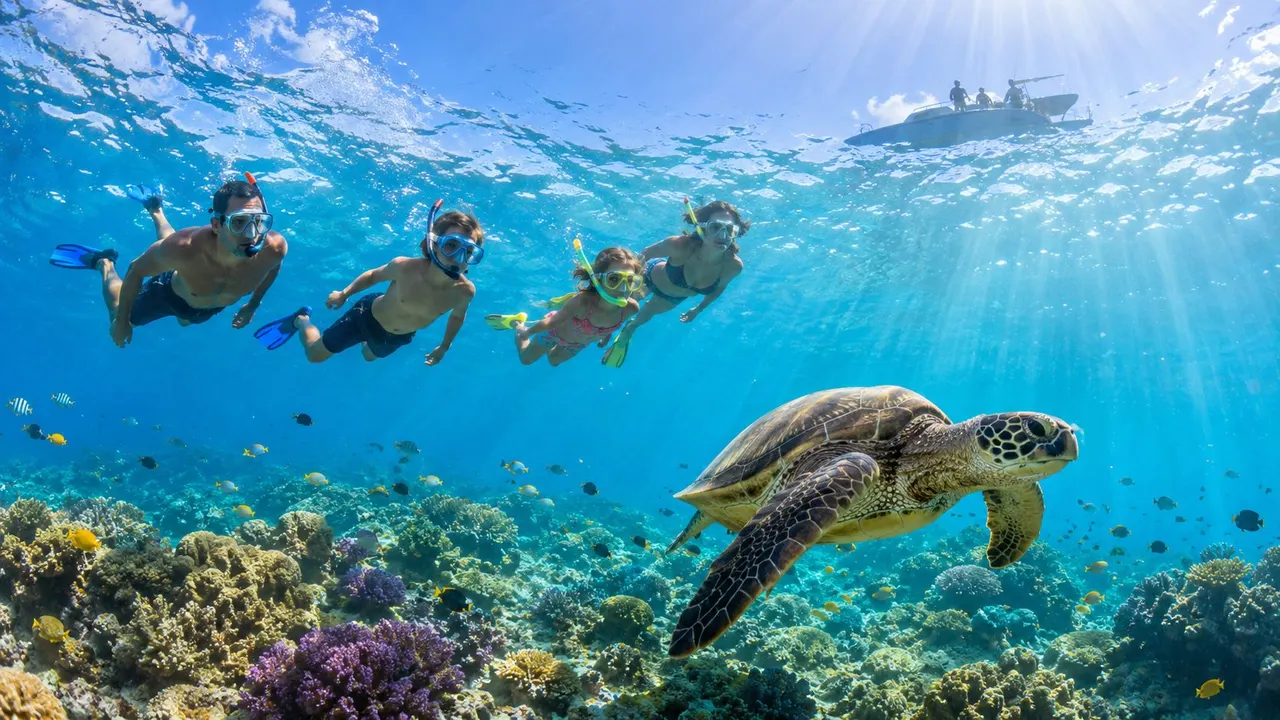
You're probably in the same spot a lot of Waikiki visitors land in. You want the postcard version of the day. Clear water, easy entry, colorful fish, maybe a honu gliding past. Then you start searching and run into a mess of advice that treats every snorkel option like it's the same.
It isn't.
With snorkeling Oahu Waikiki style, the biggest mistake I see is assuming the beach right in front of you will deliver the experience you came for. Sometimes it does. Often it doesn't. The difference usually comes down to where you enter, what conditions look like that morning, and whether your main goal is casual reef snorkeling or successfully seeing turtles without turning the day into a stressful swim.
This guide cuts through that. It's built for first-timers, families, and anyone who wants the honest version of what works in Waikiki, what doesn't, and how to stack the odds in your favor for a safe, memorable day on the water.
Shore Snorkeling vs a Boat Tour The Waikiki Reality
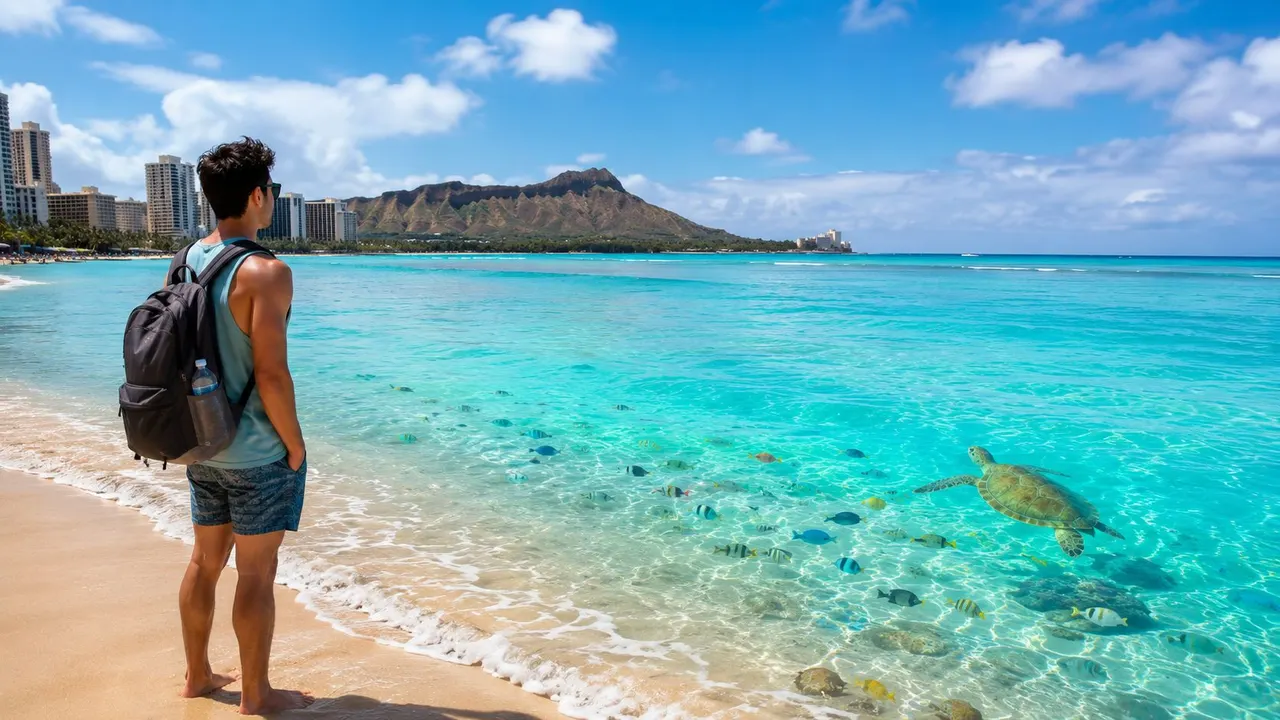
A lot of first-time visitors make the same call. They rent gear near the beach, walk into the water off Waikiki, and expect turtles to be part of the morning. A few get lucky. Many spend an hour working through chop, crowding, and patchy visibility, then head in wondering why the photos online looked so different.
That gap usually comes down to location, not effort.
If your goal is to float over a nearshore reef and see a few fish, shore snorkeling can work on a calm day. If your goal is to reliably see Hawaiian green sea turtles, Waikiki shore snorkeling is often a false choice for beginners and families. The turtles visitors hope to see consistently are usually associated with offshore cleaning stations, not the easiest beach entry points.
Guided boat trips solve a very specific problem. They take you to the part of the reef system people are trying to reach, without asking a beginner to judge currents, swim long distances offshore, or burn half their energy before the snorkeling even starts. That is why the success rate is so different. As explained in our guide to Waikiki snorkeling vs. tours, guided boat tours to Turtle Canyon report far more reliable turtle sightings than unguided shore attempts in Waikiki.
Why shore snorkeling falls short for many visitors
I've seen this pattern for years. Shore plans look simple on land, then get complicated in the water.
Common problems include:
- You start in the wrong place: Easy beach access and good turtle habitat are not the same thing.
- The swim can feel longer than expected: New snorkelers often use too much energy before they ever settle in.
- Conditions change fast: Small wind chop, surge, and current are manageable for experienced swimmers, but stressful for beginners.
- Families lose momentum early: By the time masks are adjusted and everyone feels comfortable, kids are tired and parents are managing logistics instead of enjoying the reef.
- There is no in-water guidance: If someone gets anxious, drifts off the good viewing area, or needs flotation, shore snorkeling offers very little support.
A boat tour changes those trade-offs. You enter where the marine life is better, the crew watches conditions, flotation is ready, and help is close if anyone needs a breather. For first-timers, that usually means more time looking down at the reef and less time worrying about everything else.
This is the key Waikiki comparison. Shore snorkeling is the cheapest entry point. A boat tour is usually the most practical way to get the turtle experience visitors came for in the first place.
Discover Turtle Canyon Oahus Premier Snorkel Spot
A lot of first-time visitors book Waikiki snorkeling with one picture in mind. Calm blue water, a mask on, and a sea turtle gliding below them within the first few minutes. The place that usually delivers that experience is Turtle Canyon, an offshore reef about 1.5 miles from Waikiki.
It is not a random name on a tour map. Turtle Canyon is known as a cleaning station, where Hawaiian green sea turtles regularly pass through so reef fish can clean their shells and skin. That steady animal behavior is why this spot stands apart from casual beach snorkeling. If you want a clear look at what makes the site special, this Turtle Canyon Oahu snorkeling guide gives a solid overview of the area.
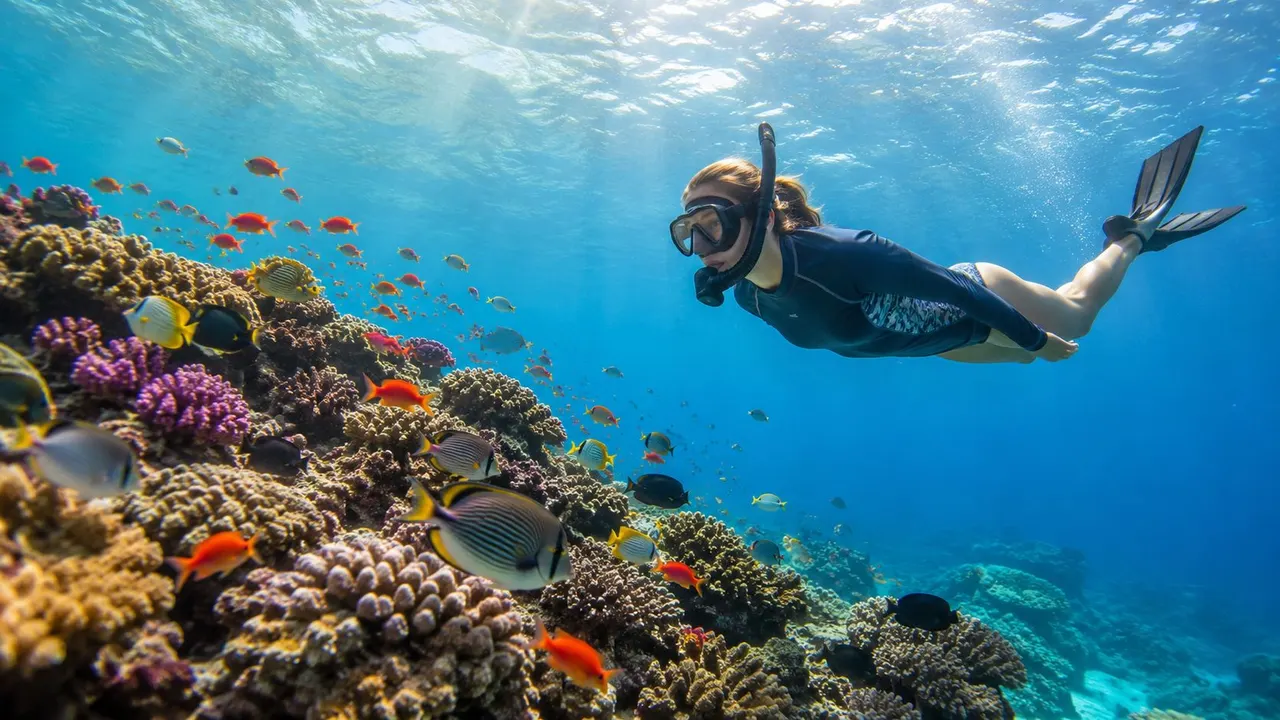
The difference is noticeable as soon as you arrive over the reef. The bottom drops away, visibility often opens up, and the traffic and noise of the shoreline fade. Turtles are the headline here, but they are not the only thing in the water. Expect schools of reef fish, deeper blue water, and a reef layout that feels more alive than the shallow nearshore patches many visitors try first.
Good turtle viewing depends on behavior, not pursuit.
The snorkelers who get the best encounters usually do less. They float calmly, keep their fins under control, and give the turtle room to move naturally through the area. Chasing almost always ruins the moment, and it can stress protected wildlife. A good crew will brief that clearly before anyone gets in.
That matters for beginners and families. Offshore snorkeling sounds like a bigger outing, but Turtle Canyon is often easier to enjoy than a do-it-yourself shore attempt because you start in the right place and have support close by. Instead of spending your energy on entry, surf timing, and figuring out whether you are even over good habitat, you can focus on breathing, floating, and looking down.
Living Ocean Tours runs guided snorkel trips from Kewalo Basin to the offshore reef, with crew support, flotation, and access to the area visitors are usually hoping to see when they search for snorkeling in Waikiki.
Discover Turtle Canyon Oahus Premier Snorkel Spot
Turtle Canyon is the spot most visitors are thinking about when they picture swimming with turtles off Waikiki. It sits 1.5 miles off Waikiki and functions as a turtle cleaning station where Hawaiian green sea turtles gather, which is why guided tours there report sighting success exceeding 95% in the verified data summarized through this Turtle Canyon reference.
What you'll actually see out there
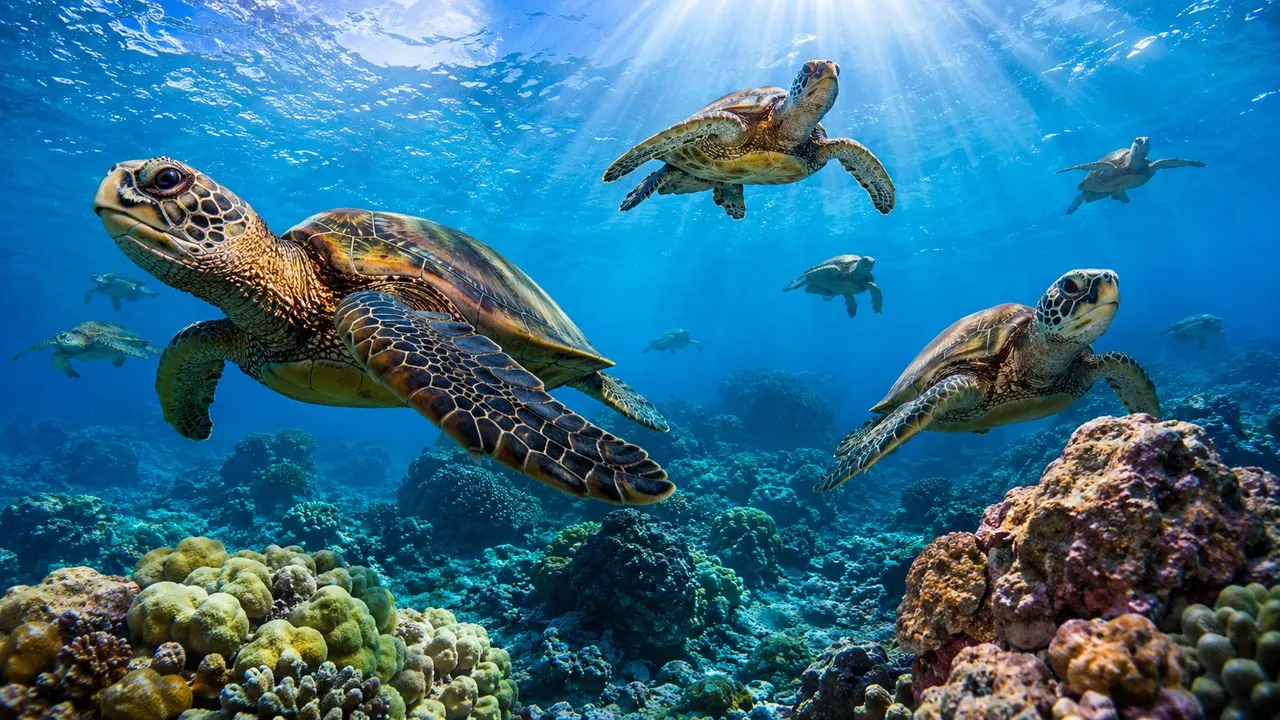
On a good day, the first thing people notice is how different the whole setting feels once you're off the beach. The water color changes, the reef structure opens up, and the wildlife behaves differently than it does in shallow, heavily trafficked shoreline areas.
Turtle Canyon is known because the turtles use the reef as part of their daily routine. Reef fish clean them while they rest and circle through the area. For visitors, that means better viewing without chasing wildlife around.
Keep your distance and let the turtles come through the scene. The best encounters happen when snorkelers stay calm, float flat, and stop trying to swim straight at them.
Why beginners do better here
The big advantage isn't just location. It's setup.
A well-run boat trip gives beginners the things they usually lack on a shore attempt:
- A direct ride to the right site
- A safety briefing before anyone gets in
- Snorkel gear and flotation already handled
- Crew support if someone feels nervous
- An easier exit when kids or grandparents are done
If Turtle Canyon is the experience you want, this Turtle Canyons Snorkel Excursion is a direct and popular style of trip. If your group wants more deck time and extra family fun, the Deluxe Waikiki Snorkeling and Wildlife Cruise adds a waterslide element that keeps non-snorkelers and younger guests engaged.
You can also get more background on the area in this Turtle Canyon Oahu snorkeling guide.
For travelers who want the classic turtle-centered outing, that's the straightforward pick.
For mixed-age groups, the deluxe option can make the whole day easier because not everyone has to be equally excited about nonstop snorkeling.
A Fun Day Starts with Safety Essential Snorkel Tips
The prettiest water in Waikiki can still fool people. Snorkeling is the leading cause of injury-related death for visitors in Hawaii, and most of these fatalities occur in less than 3 feet of water, often tied to unfamiliarity with equipment and rapid onset pulmonary edema (ROPE), as reported in this Civil Beat article on snorkeling deaths in Hawaii.
That statistic surprises people because they imagine danger only in deep offshore water. In reality, shallow water doesn't protect you from bad equipment habits, panic, fatigue, or a body that isn't handling the effort well.
The safety checks that matter most
Before anyone enters the water, I'd want these boxes checked:
- Water clarity: If the water looks muddy, skip it.
- Wave energy: Even modest surf can turn an easy snorkel into a tiring one for beginners.
- Current feel: Watch how people drift. Fast drift is a warning.
- Entry quality: Jagged rock entries and rough shorebreak aren't where beginners should “give it a try.”
Verified guidance for Waikiki conditions says calm water is the benchmark, and it recommends checking lifeguard flags, watching for drift, and skipping entry if conditions look bigger or stronger than expected. It also advises avoiding days with high surf advisories and steering clear of muddy water after rain. Separate verified forecast guidance notes that higher wave days score poorly for snorkeling conditions and recommends checking Ocean Safety Hawaii or NWS Honolulu surf forecasts before getting in.
Full-face mask risk gets overlooked
One gear issue deserves more attention than it gets. Hawaii safety guidance warns about carbon dioxide buildup in full-face snorkel masks, which can lead to dizziness, disorientation, and unconsciousness if the mask is used incorrectly. That warning appears in the verified state safety material at Hawaii Ocean Safety snorkeling guidance.
If someone insists on using a full-face mask, they need to follow the breathing instructions exactly. If they feel a headache or dizziness, they should remove the mask and get out of the water right away.
Don't confuse “easy-looking gear” with forgiving gear. Beginner equipment only helps when it's used correctly.
What steady supervision changes
Professional supervision matters because crew members read conditions before guests hit the water. They also catch the little things that lead to bad outcomes. A strap twisted too tight. A swimmer breathing too fast. Someone drifting farther than they realize.
That's why guided snorkeling makes sense for families and casual swimmers. Not because guests can't learn, but because the ocean punishes rushed learning.
What to Bring for Your Oʻahu Snorkel Adventure
Packing for a Waikiki snorkel day is simpler than people expect. If you're going on a guided trip, the core water gear is usually handled. That means your job is mostly comfort, sun protection, and a few smart extras.
The short list that actually helps
Use this as your working checklist:
- Swimwear you can move in: Wear it under your clothes so you're not scrambling on arrival.
- A towel and dry change of clothes: The ride back feels better when you've got something dry waiting.
- Sun protection: Hat, sunglasses, and a cover-up matter more on the boat than people think.
- Waterproof phone case or camera: Only if you'll use it without fussing with it all day.
- Personal medication: Bring anything you might need before boarding, especially if you know your body.
Responsible snorkeling also means protecting the reef. Verified guidance says to use reef-safe sunscreen, wear rash guards, float horizontally, and never touch or stand on coral because standard sunscreen chemicals can contribute to coral bleaching and standing on reef stirs sediment that affects visibility and marine life behavior. That guidance appears in this Waikiki reef etiquette article.
What to leave behind
Keep it simple. Don't bring valuables you can't keep track of, and don't overpack beach gear for a boat trip that already provides the essentials.
If you want a fuller travel-ready checklist, this Oahu snorkel packing list is a useful planning reference.
The Best Times for Snorkeling and Wildlife Viewing
Timing matters as much as location in Waikiki. You can choose the right reef and still get a weaker day if you go at the wrong hour.
Verified visibility guidance says Waikiki snorkeling visibility is best in summer (June through August) and that the most favorable daily window is 07:00 to 10:00, with afternoon winds often degrading clarity after 13:00, according to this Waikiki snorkeling clarity guide.
Morning usually wins
Early departures give you several practical advantages:
- Better light angle: The reef is easier to read.
- Less wind chop: Surface conditions are often smoother.
- Less fatigue: Families tend to enjoy the water more before the day gets hot.
- Cleaner visibility: Afternoon buildup can flatten the whole underwater view.
If rain moved through recently, be cautious. Verified guidance also notes that runoff can cloud the nearshore zone within a day of heavy precipitation, which is another reason offshore boat access can sometimes produce a better result than a beach attempt.
The best snorkelers aren't the toughest people in the water. They're the ones who choose the right window and avoid forcing a bad one.
Booking rhythm and seasonal planning
For peak periods like holidays, summer, and spring break, verified booking guidance says visitors should reserve Turtle Canyon snorkeling 2 to 6 weeks in advance, while 7 to 14 days ahead is often enough for slower weekdays through this booking timing page.
Winter also changes what people look for offshore. Snorkeling still happens, but many visitors start pairing their ocean plans with whale season. If that's on your list, the Waikiki Whale Watching Tour is the relevant option.
Beyond Snorkeling Waikiki Sunset Cruises and More
A lot of visitors treat snorkeling as the full ocean plan for the day. Fair enough. But Waikiki is one of those rare coastlines where the evening water time can be just as memorable as the morning one.
A sunset cruise works especially well after a snorkel day because nobody has to gear up, nobody has to swim, and you still get the payoff of being out on the water with Diamond Head and the Honolulu skyline changing color by the minute.

Why it pairs well with a snorkel trip
Snorkeling asks something from you. You're managing sun, gear, swimming effort, and attention. A sunset cruise gives that energy back.
For couples, it turns the day into something more rounded. For families, it gives grandparents and non-swimmers a share of the ocean experience without any pressure. For groups celebrating, it's often the easiest win on the whole itinerary.
A few reasons people like adding one:
- No learning curve: You board and enjoy the ride.
- Different view of Waikiki: The coastline looks completely different from the water at golden hour.
- Relaxed pace: Good after an active morning.
- Group-friendly atmosphere: Easy fit for mixed ages and different comfort levels.
Good planning beats over-scheduling
The best Oahu itineraries don't cram every water activity into one frantic list. They pair one active outing with one easy one. That's why snorkeling in the morning and cruising at sunset works so well.
If that sounds like your pace, you can look at the Waikiki Sunset Cruise or browse this Waikiki sunset cruise option. There's also a helpful local overview on Waikiki sunset cruise experiences.
The big takeaway with snorkeling Oahu Waikiki visitors should keep in mind is simple. Don't judge your options by what looks easiest from the sidewalk. Judge them by safety, conditions, and whether they match the experience you came for.
If you want one operator that covers guided snorkeling, Turtle Canyon trips, sunset cruises, and seasonal whale watching from Waikiki, Living Ocean Tours is a practical place to start planning.


