
Snorkeling Oahu September: Late-Summer Water Guide
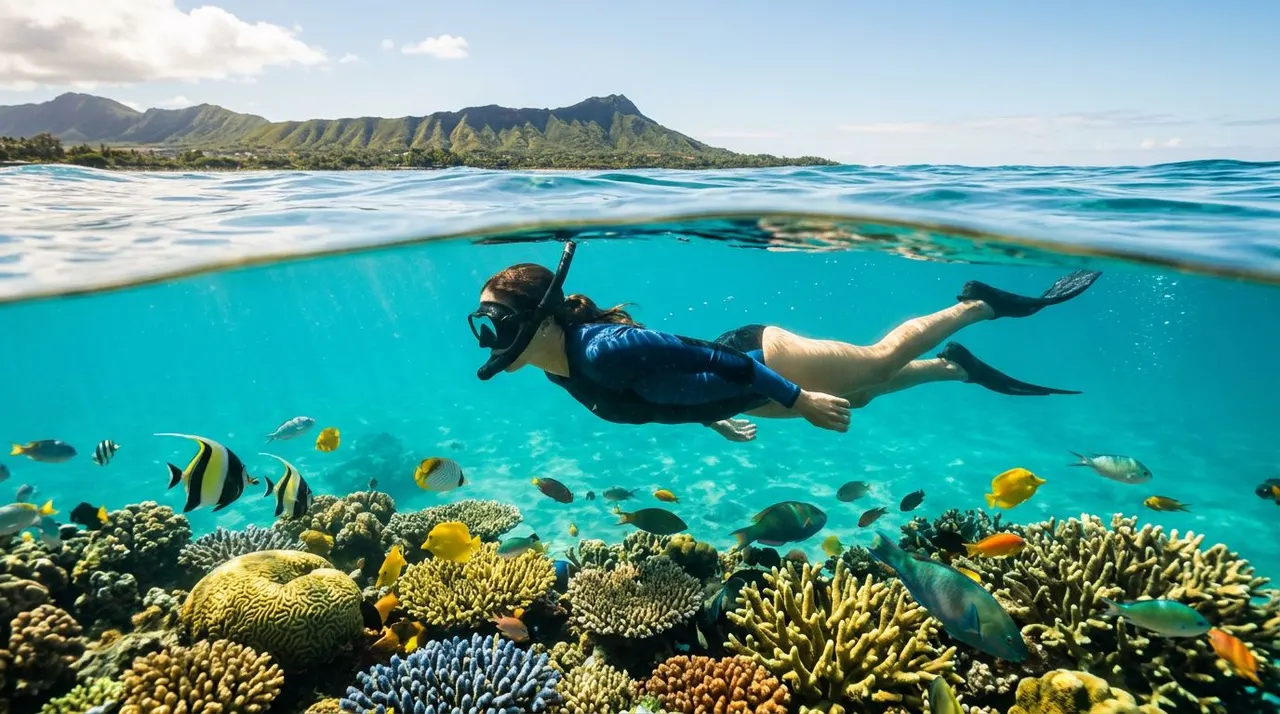
September gives you some of Oahu’s warmest ocean water, with average temperatures near 80 to 81°F. For snorkeling Oahu September is one of the most comfortable times of year, especially if you prefer relaxed swims without a wetsuit.
You can usually expect good visibility, sunny mornings, and calmer conditions along the south shore. However, rain, wind, tides, and changing swells still affect each day’s experience. Knowing what to expect helps you choose the right location, time, and tour.
Key Takeaways
- Oahu’s September water temperature averages about 80 to 81°F, or 27°C.
- Visibility is often good to very good, especially during calm, dry mornings.
- Waikiki and other south shore locations usually offer dependable late-summer conditions.
- Heavy rain, strong winds, and exposed north shore swells can reduce water clarity.
- A guided boat tour gives you professional instruction, safety support, and access to productive reef areas.
What Snorkeling Oahu September Conditions Feel Like
September sits at the end of Oahu’s dry-season pattern. The ocean has had months to warm, and water temperatures commonly stay in the upper 70s to low 80s. Most swimmers find the water comfortable without thermal protection, although you may appreciate a thin rash guard for sun protection.
The ocean can look especially inviting in the morning. Light winds often leave the surface smooth, while the sun provides enough brightness to reveal reef contours and tropical fish below. Later in the day, trade winds and boat activity may stir shallow sand, particularly in exposed areas.
Visibility changes by location. On a calm day, you may see roughly 30 to 60 feet through the water. The clearest sites can offer even greater sightlines, but you shouldn’t treat those numbers as a daily promise. Rain runoff, swell direction, plankton, and local currents all affect what you see.
For a month-by-month look at water temperatures, you can review this Oahu ocean temperature guide. A broader seasonal guide from Tropical Snorkeling also places late summer among Hawaii’s strongest periods for warm-water snorkeling.
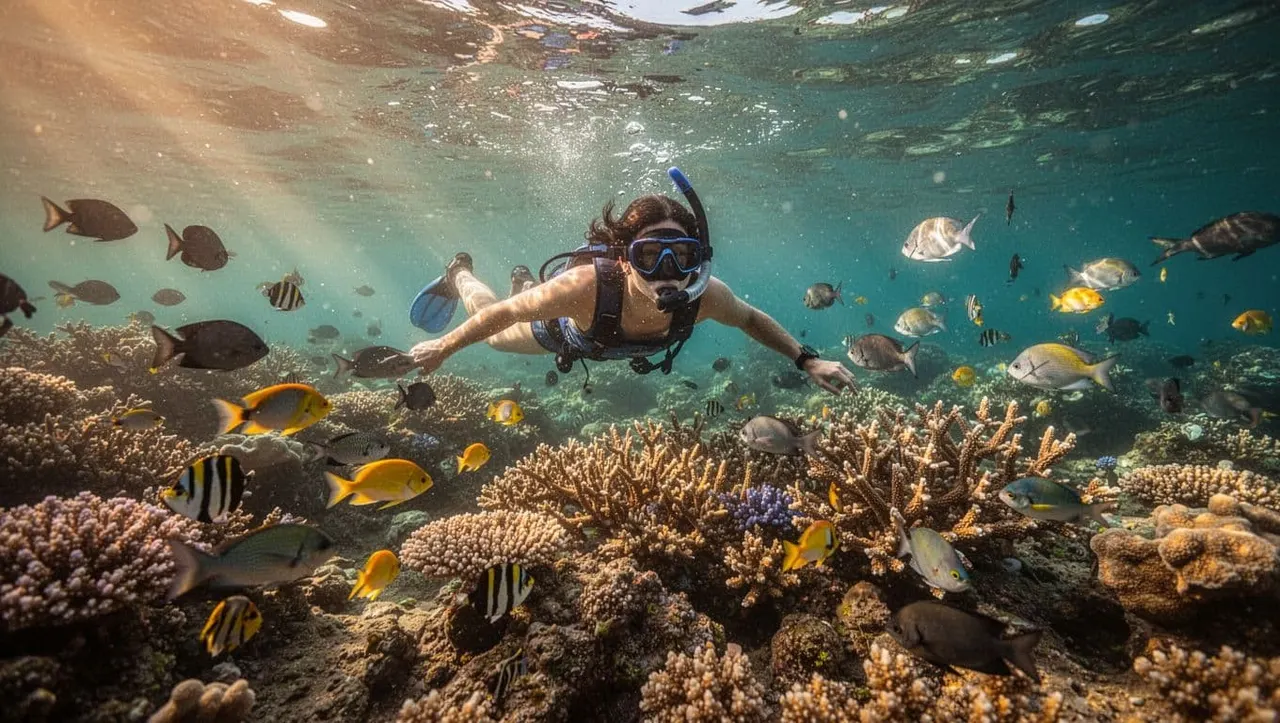
September is warm, but conditions still deserve a quick check before you enter the water. Avoid snorkeling after heavy rain, when runoff can cloud nearshore areas. You should also stay out during high surf, strong winds, or powerful shorebreak.
Where to Find the Clearest September Water
Waikiki’s south-facing coastline is often a practical choice in September. It tends to receive less large-scale swell than the North Shore during this period, and several protected areas offer easier entry for beginners. Early morning is usually your best window for calm surface conditions.
Hanauma Bay is a well-known option for sheltered snorkeling. Tide affects the experience, so mid to high tide may provide better depth and visibility in some areas. You should also follow the bay’s current entry rules and conservation instructions.
Ko Olina’s lagoons offer another protected setting on the west side of Oahu. Their curved seawalls limit some wave action, which can help families and less-confident swimmers. Kuilima Cove near the North Shore can also be calm during small-swell periods.
The North Shore deserves more caution in September. Shark’s Cove, Three Tables, and nearby tide pools may have excellent visibility on a gentle summer day. Still, fall swells can arrive earlier than expected. A calm-looking shoreline doesn’t always mean calm water beyond the rocks.
For that reason, a boat tour can give you a better option when you want reef access without committing to an unfamiliar shoreline entry. Living Ocean Tours departs from Kewalo Basin Boat Harbor, only minutes from Waikiki, and takes you along the coast to established snorkeling areas.
You can browse the company’s Honolulu ocean tours to compare reef trips, wildlife cruises, and other ocean experiences.
The Best Time of Day to Snorkel in September
Morning usually gives you the strongest combination of visibility, comfort, and calm water. Overnight conditions often leave the surface smoother, while the sun sits high enough to brighten the reef. An early departure also helps you avoid the strongest afternoon winds.
If you snorkel from shore, check the forecast, tide, and beach conditions before leaving your hotel. A beach that looks calm from the sand may still have a strong lateral current. Watch how experienced swimmers enter, and ask a lifeguard if you’re uncertain.
Boat tours make timing easier because the crew monitors conditions and selects a suitable location. You still need to arrive prepared, but you won’t have to guess which reef has the cleanest water that morning.
Pack reef-safe sunscreen, a rash guard, a towel, drinking water, and a secure swimsuit. Apply anti-fog solution before you enter the water, then adjust your mask until it seals comfortably. Fins should fit snugly without pinching your toes.
Strong swimming skills aren’t required for every Oahu snorkeling experience. However, you should be honest about your comfort level. Tell the crew if you feel nervous, tire easily, or need help using the mask and fins.
September’s warm water makes snorkeling comfortable, but the safest choice still depends on the day’s wind, swell, rain, and current.
Never touch a sea turtle, coral, fish, or other marine life. Keep your hands relaxed, maintain space around wildlife, and avoid standing on the reef. Observing without touching protects the animals and the habitat that brings you into the water.
Why a Guided Waikiki Snorkel Tour Helps
A guided tour gives you more than transportation. You receive instruction before entering the water, help with equipment, and direct support if conditions change. That matters when you’re snorkeling with children, visiting the ocean for the first time, or traveling with swimmers of different abilities.
Living Ocean Tours is based at Kewalo Basin Boat Harbor and operates Coast Guard-inspected, custom-built double-decker vessels. The Coral Kai offers broad open-deck space, while the Lokahi includes a cash bar, upper-deck waterslide, and SeaKeeper stabilization system.
That stabilization system helps keep the boat steadier while you’re moving along the Waikiki coastline. Both vessels include shaded seating, restrooms, dry storage, and heavy-duty ladders for easier water entry.
For wildlife-focused snorkeling, the Turtle Canyon Snorkel Excursion visits a natural underwater cleaning station where Hawaiian green sea turtles are frequently seen. Living Ocean Tours reports a 95% success rate for turtle sightings on this experience, although wildlife sightings can never be guaranteed.
The company is also the only tour company with professional snorkel guides. That makes a difference when you need clear instruction, help identifying reef life, or reassurance before you enter the water. Guides also reinforce respectful wildlife viewing, so you can enjoy the reef without disturbing it.
The Turtle Canyon trip suits couples, families, and first-time snorkelers who want focused time in the water.
For a more active boat day, choose the Deluxe Waikiki Snorkeling and Wildlife Cruise. This trip reaches a less-crowded reef and adds a boat-mounted waterslide, water trampoline, and floating lily pad. Families can split their time between snorkeling and playing on the water.
The Lokahi’s shaded areas and stabilization system also give you a comfortable place to rest between swims. Beginners can take their time, while confident swimmers enjoy more water time with guidance nearby.
How to Plan Your September Snorkeling Day
Reserve your preferred morning time before your trip, particularly if your dates fall near a holiday weekend. September can feel less crowded than peak summer, but popular Waikiki activities still fill quickly.
Check the forecast again the evening before your tour. Look for wind direction, surf advisories, and recent rainfall. If conditions shift, a professional crew can help determine whether to adjust the route or snorkeling location.
Arrive with enough time to park, check in, and listen to the safety briefing. Don’t rush into the water while adjusting your mask or fins. A comfortable fit makes it easier to relax and focus on the reef.
If you experience seasickness, choose a morning departure, eat a light meal, and spend time on the vessel’s centerline rather than the highest deck. The Lokahi’s SeaKeeper system can also make the ride more comfortable for many guests.
September is also a good month to combine snorkeling with another ocean activity. After your reef trip, you can plan a beach afternoon, a coastal walk, or a sunset experience. Keep the schedule flexible so you don’t have to hurry through the water.
Conclusion
Snorkeling Oahu September conditions are usually warm, bright, and comfortable, with the best visibility often appearing on calm mornings after a dry night. Waikiki and other protected south shore areas offer dependable choices, while exposed North Shore locations require more attention to swell and currents.
Your best experience comes from matching the day’s conditions with your skill level and choosing professional guidance when you want added support. With warm water, healthy reef life, and respectful wildlife practices, September gives you an excellent time to see Oahu beneath the surface.


