
Snorkeling Oahu Reefs for Better Fish Sightings
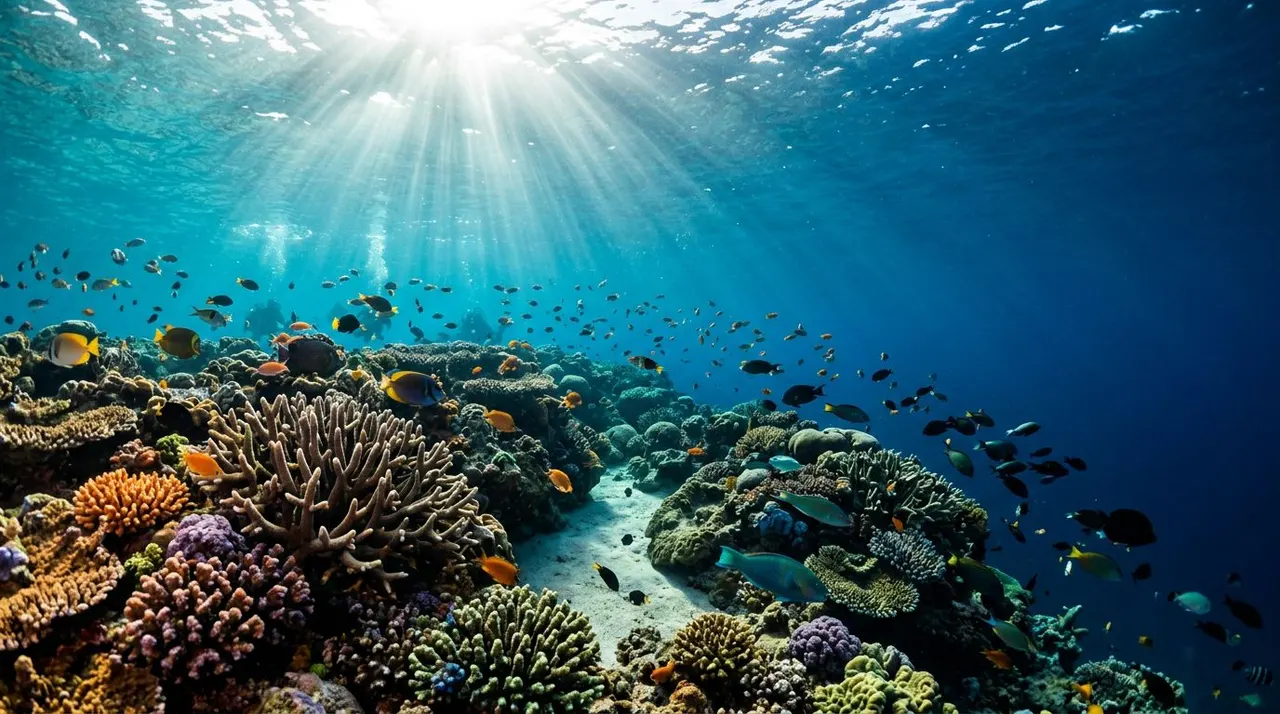
Living Ocean Tours gives you a strong start, but the reef still decides what shows up. Fish gather by structure, not by luck, so the zone you choose matters more than most people think.
If you want better sightings, you need to read the water like a fish does. Look for shelter, food, light, and movement.
That matters most when you are snorkeling Oahu reefs near Waikiki, because a short swim can take you from a quiet patch of sand to a busy coral edge. Once you know what to watch for, the whole reef becomes easier to read.
How reef zones shape what you see
Fish do not use the ocean as one open space. They move through it in layers.
Shallow reef flats attract grazing fish. Coral fingers create hiding places. Sand cuts and channels act like roads. When you snorkel, those borders are where the action usually starts.
That is why a small shift in position can change your whole view. You may float over a quiet stretch, then drift ten feet toward a coral edge and find tangs, wrasse, or parrotfish working the rocks.
The best habit is simple. Slow down when the reef changes shape. That is where fish feel safe enough to feed and move.
The Oahu reef zones that usually hold more fish
On Oahu, the clearest sightings often come from places where one zone meets another. A reef flat that drops into sand. A coral ridge next to a channel. A ledge with pockets and shadow.
Use the quick guide below to match the zone to the kind of life you may see.
| Reef zone | What you often see | Best clue to watch for |
|---|---|---|
| Shallow reef flat | Small schools, tangs, wrasse | Coral heads and calm water |
| Coral slope | More species, stronger color | Edges where sand meets rock |
| Cleaning station | Reef fish, turtles, active movement | A fixed spot with repeat traffic |
| Sand and coral mix | Goatfish, parrotfish, feeder fish | Drop-offs and shaded pockets |
You can also think in terms of behavior. Yellow tangs like clean reef surfaces. Parrotfish often work the hard coral. Goatfish sweep the sand. Surgeonfish move in groups and flash blue when the light hits right.
A busy reef is usually a mixed one, not a flat one. If the bottom has ledges, cracks, and small drop-offs, you have a better shot at steady fish activity.
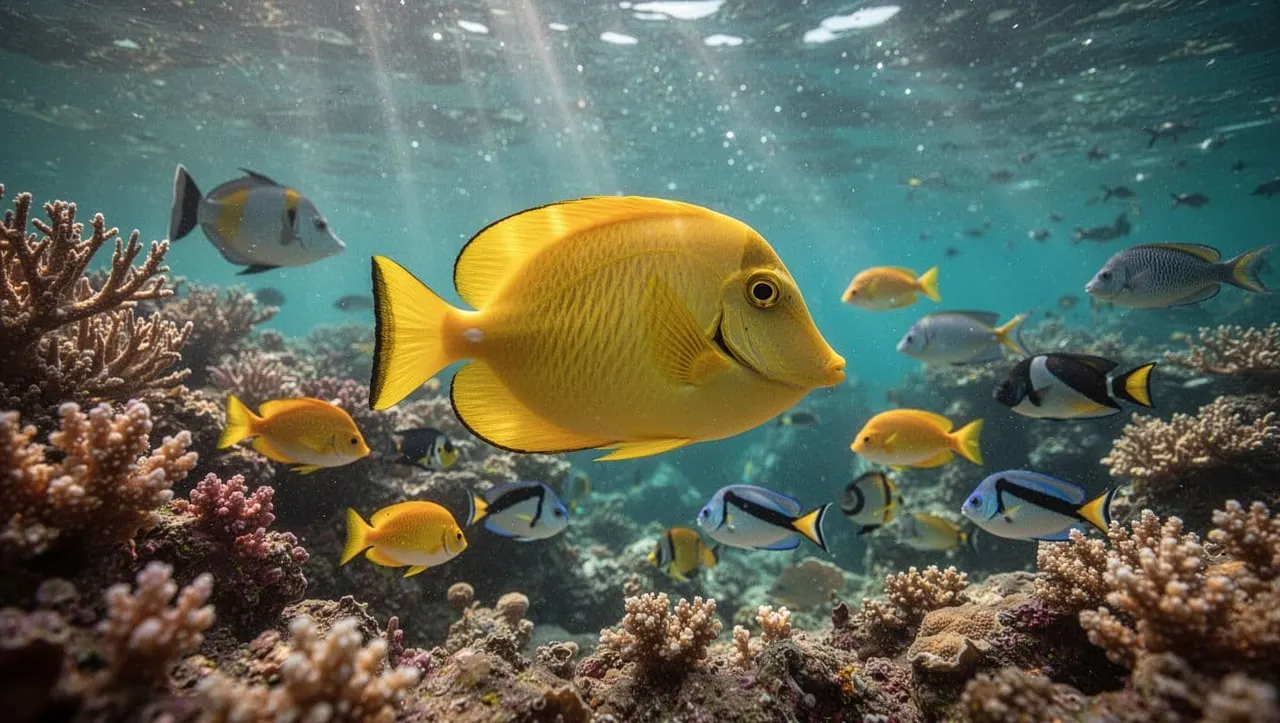
Fish stack up where the reef gives them shade, food, and a quick escape route.
The open middle of a bay can look beautiful, but it often stays quiet. The edges do the real work.
Read the water before you enter
Water conditions shape visibility, and visibility shapes how much you notice. Calm mornings usually give you the cleanest view because less sand gets stirred up and sunlight cuts through the water better.
Still, clear water alone does not guarantee good sightings. A bright, empty patch can show less than a slightly hazy reef edge with strong structure.
Use this quick check before you swim out:
- Go early when the surface is calmer.
- Stay near coral edges instead of the empty center.
- Keep your kicks soft so you do not stir up silt.
- Pause often and look at the same patch for a few seconds.
Small choices change what you see. If you rush, fish scatter. If you hover, they come back into view. That is often the difference between a forgettable snorkel and a good one.
Current matters too. Gentle water movement can bring food through the reef and pull fish into better spots. Strong surge can do the opposite, so you may need to shift toward protected pockets or shallower edges.
Water clarity helps, but fish still care more about structure than open space.
The trick is to search less and observe more. Let the reef show you where the life is.
Why a guided trip changes your odds
Living Ocean Tours runs out of Kewalo Basin Boat Harbor, minutes from Waikiki, so you spend less time getting to the water and more time on the reef. The crew knows how local conditions change through the day, and that saves you from guessing.
The company is the only tour company with professional snorkel guides, which matters when you want better fish sightings and safer choices. You get help reading current, entry spots, and reef shape before you even put your face in the water.
If you want to compare options, you can view all guided snorkel tours. That is an easy way to match the day to your group, whether you are bringing kids, swimming with a partner, or snorkeling for the first time.
A strong example is the Turtle Canyons Snorkel Excursion. Turtle Canyon is a natural cleaning station, so Hawaiian green sea turtles and reef fish often gather in the same area.
If your dates are set, tap CHECK AVAILABILITY and pick the day that works best.
Keep the reef off your hands and out of your grip. The best sightings come when you give fish room to settle back in.
Conclusion
Better fish sightings usually come from better reef reading. When you look for edges, ledges, and cleaning stations, you stop relying on luck and start spotting patterns.
That is the real advantage when you are snorkeling Oahu reefs. Move slowly, watch the structure, and respect the reef, and you will see more life in the same stretch of water.


