
Snorkeling Oahu: Why Shells Belong on the Reef
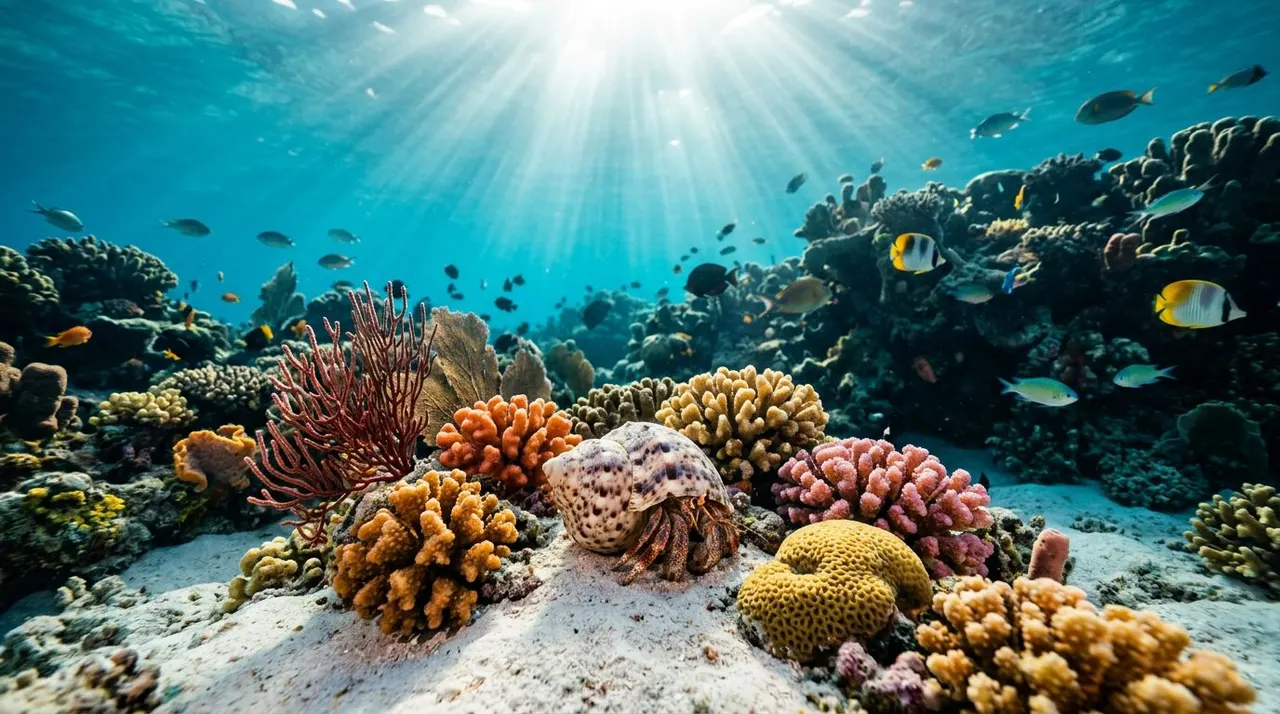
A shell can look like a perfect vacation souvenir, but removing it may take away a small piece of the reef’s living system. If you’re planning snorkeling Oahu, the reef should be part of the experience, not a souvenir shelf.
Every shell you see may support another animal, provide shelter, or add structure to the sandy seafloor. The best way to enjoy Hawaii’s underwater world is to observe it carefully and leave natural materials where you find them. That simple habit protects the reef for the next swimmer, turtle, and family who enters the water.
Why Every Seashell Has a Job on the Reef
A seashell is more than a pretty object. When a mollusk is alive, its shell protects the animal inside. After the animal dies, the empty shell may become shelter for a hermit crab, a small fish, or another invertebrate.
Some shells also break into pieces that become part of the seafloor. Those fragments can provide hiding places for tiny animals and contribute to the hard material found around reefs. A single shell may seem unimportant, but thousands of visitors collecting one each can change a shoreline over time.
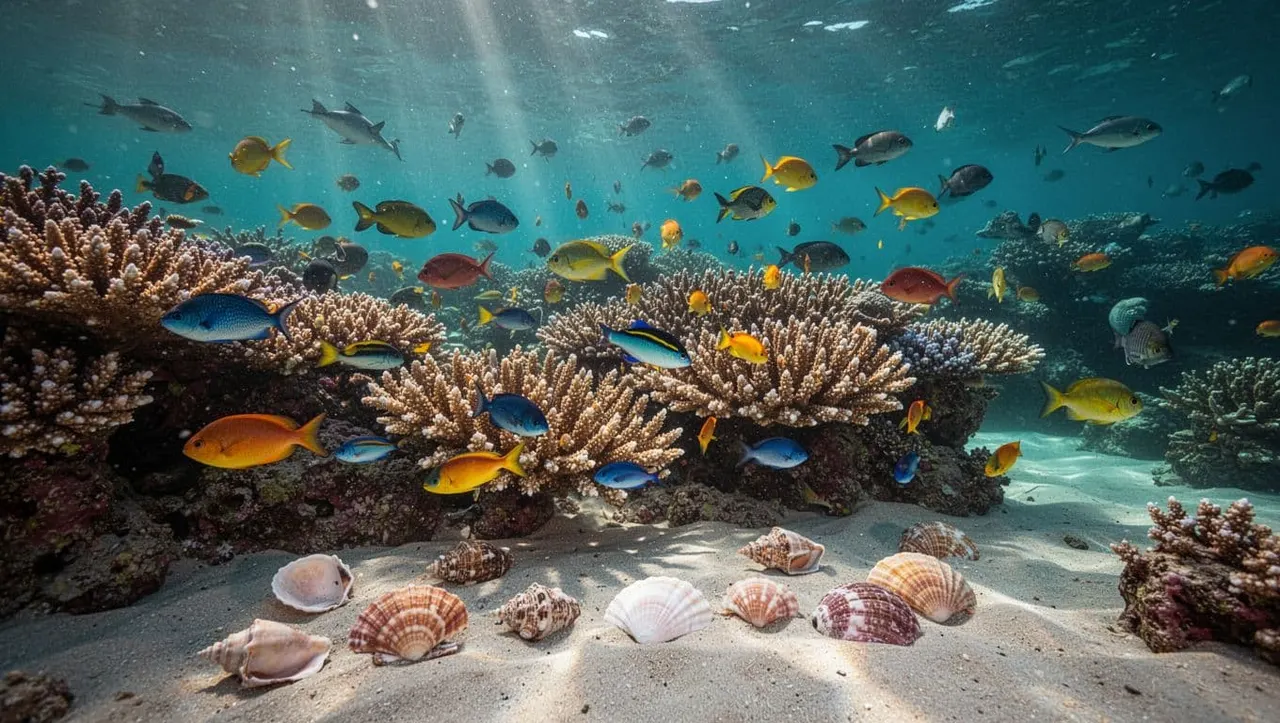
The same rule applies to anything attached to the reef. Coral, algae, sea urchins, and other marine life belong in the water. Touching or moving them can cause damage that you may not see immediately.
A shell can look empty while providing shelter for a hermit crab or another small reef animal.
Hawaii’s reefs also face pressure from warming water, pollution, runoff, anchors, and heavy foot traffic. NOAA Fisheries reports that reducing both land-based and ocean-based impacts supports coral reef persistence under ocean warming. Leaving shells in place is one small part of reducing the pressure you create as a visitor.
The reef isn’t a display case filled with separate objects. It’s a connected habitat. When you leave the shells, coral, and animals alone, you protect the relationships that make the reef worth visiting.
The shell you see may not be empty
You can’t always tell whether a shell contains a living animal. A snail may pull deep inside when you approach. A hermit crab may retreat into a shell and remain still. Even a shell without an obvious occupant can become useful within minutes.
For that reason, don’t pick up shells to inspect them closely. Keep your hands relaxed at your sides, use your eyes, and let the animals behave naturally.
Snorkeling Oahu Responsibly Starts Before You Enter the Water
Good snorkeling Oahu habits begin before you board a boat. The choices you make on shore affect the water long after your tour ends.
Start by wearing equipment that fits. Loose fins can make you kick the reef by accident, while an oversized mask may lead you to adjust it constantly. A rash guard can also reduce the amount of sunscreen you need. If you use sunscreen, follow local guidance and avoid products that may harm marine life.
Once you’re in the water, keep your body horizontal and your fins behind you. This position helps you glide over coral instead of standing on it. Never use coral as a handhold, even when waves push you toward the reef.
Follow these simple practices:
- Watch animals without chasing, surrounding, feeding, or touching them.
- Keep shells, coral fragments, rocks, and other natural materials in the water.
- Avoid stirring the seafloor because clouds of sand can cover nearby coral.
- Give sea turtles plenty of space, especially when they rest or visit a cleaning station.
- Keep your voice and movements calm so wildlife can continue its normal behavior.
- Take every wrapper, strap, and piece of trash back to shore.
These choices matter on a self-guided swim and on a boat tour. Research on coral reef wildlife management has examined tools such as protected areas, seasonal closures, quotas, and limits on collecting. You can read more in this review of coral reef wildlife conservation.
You should also pay attention to conditions. Strong wind, current, or poor visibility can turn a relaxed swim into a difficult one. If a guide asks you to move away from a certain area, stay with the group. Local crews understand how weather, tides, boat traffic, and wildlife behavior affect the site.
How Professional Guides Improve Your Reef Experience
When you’re booking snorkeling Oahu, a professional guide gives you more than directions to the water. You receive help with gear, entry, body position, wildlife etiquette, and changing ocean conditions.
Living Ocean Tours operates from Kewalo Basin Boat Harbor, just minutes from Waikiki Beach in Honolulu. The company is the only tour company with professional snorkel guides, giving beginners and experienced swimmers direct support during the outing.
Its signature Turtle Canyons Snorkel Excursion visits a natural underwater cleaning station known for Hawaiian green sea turtle sightings. Living Ocean Tours reports a 95% success rate for spotting turtles on this excursion, although wildlife sightings can never be guaranteed. You may also see tropical fish and other reef life while learning how to observe without touching.
You don’t need advanced skills to participate. The crew provides equipment and guidance, while sturdy ladders make water entry and boarding easier. Families with children ages 3 and older can enjoy an organized experience that includes clear safety instructions and help from the crew.
Living Ocean Tours uses Coast Guard-inspected, custom-built double-decker vessels named the Coral Kai and the Lokahi. Both boats offer shaded seating, restrooms, dry storage, and safe water access. The Lokahi also includes a SeaKeeper stabilization system, which helps keep the vessel steady for guests who worry about motion sickness.
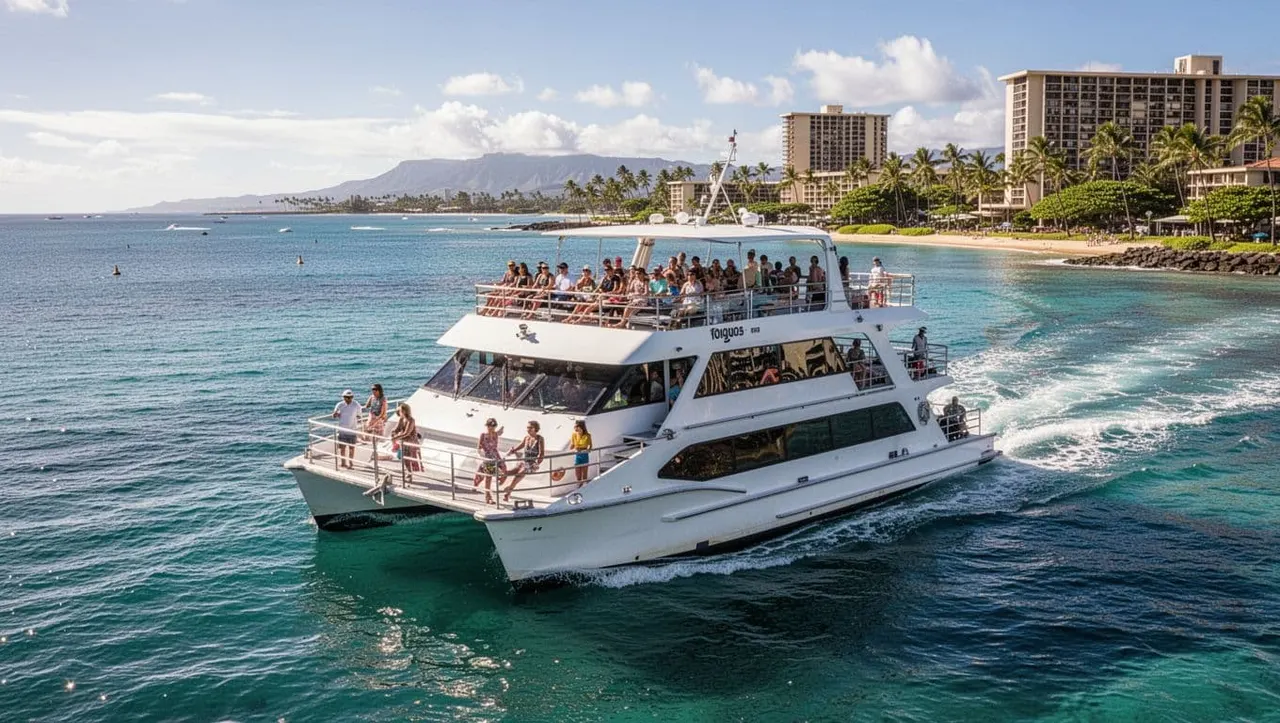
That comfort matters because you can focus on the reef instead of struggling with equipment or an unsteady boat. You can spend more time noticing the details, such as a turtle hovering above the reef, a fish sheltering near coral, or a shell resting in the sand.
You can learn more about Turtle Canyons snorkeling excursions before choosing a date.
When you’re ready to plan a guided reef outing, you can CHECK AVAILABILITY.
What to Look For in a Reef-Friendly Oahu Tour
A responsible operator should explain how guests interact with marine life before anyone enters the water. Listen for clear instructions about keeping your distance, avoiding coral, and leaving shells and other natural materials untouched.
You should also look for guides who know the site well. A guide can point out wildlife without forcing you to crowd it. They can help you identify a turtle’s resting behavior, explain why certain areas need extra space, and redirect the group when conditions change.
Boat design affects your comfort, too. Shaded seating helps you recover between swims, while dry storage protects your personal items. Heavy-duty ladders are useful when you’re tired or when a child needs a stable way back onboard. A stabilized vessel can also make the ride easier for guests who are sensitive to motion.
Before booking snorkeling Oahu, ask yourself what type of day you want. If your priority is time in the water, choose a tour centered on Turtle Canyons and reef wildlife. If you want a broader ocean outing, Living Ocean Tours also offers other Waikiki experiences, including wildlife cruises and seasonal whale watching.
The right tour gives you access to the ocean without treating it like an amusement park. You get the excitement of seeing wildlife while keeping the reef’s needs at the center of the trip.
Leave the Reef Better Than You Found It
A shell in your hand may become a souvenir, but a shell on the reef can remain shelter, structure, or part of a living habitat. Leaving it behind protects more than one small object. It respects the animals that depend on the seafloor and the people who will visit after you.
Your best snorkeling Oahu memory may be a turtle gliding past your mask or a school of fish moving through coral. Those moments stay with you without taking anything from the water. When you observe, not touch, you help keep Hawaii’s reef beautiful, active, and ready for the next curious swimmer.


