
Snorkeling Oahu: Safe Moray Eel Encounters
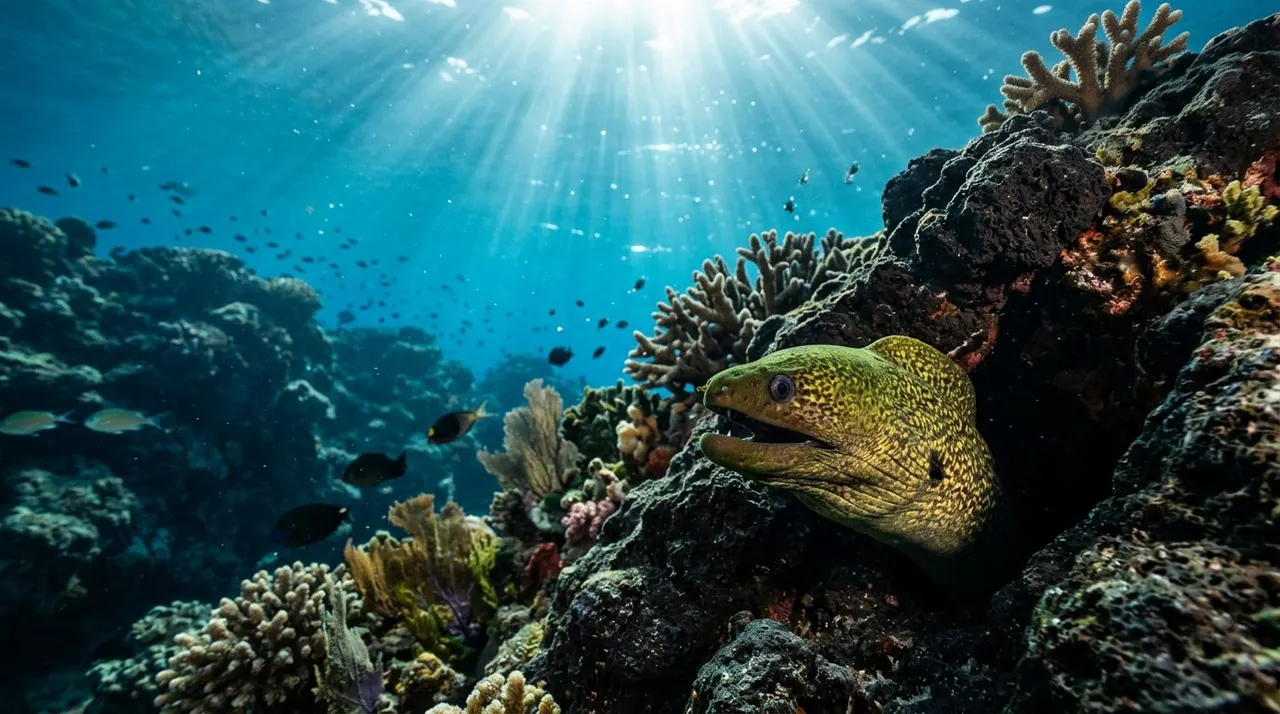
A moray eel can look intimidating when its mouth opens and closes from a reef crevice. During snorkeling Oahu, however, this behavior usually helps the eel move water across its gills rather than signal an attack.
The best encounter happens when you see the animal without changing what it does. Keep your hands away, give the eel room to retreat, and let your guide point out its hiding place. These simple habits make your time in the water safer for you and the reef.
Why Moray Eels Make Snorkeling Oahu So Memorable
Moray eels spend much of their time tucked inside holes, lava cavities, and gaps between reef rocks. You may see only a head, a pair of watchful eyes, and rows of teeth. That hidden posture makes a sighting feel special without requiring close contact.
Morays are predators, but they don’t hunt snorkelers. They use their long bodies and strong jaws to catch fish, crabs, and other small animals. An eel may bite if someone touches it, corners it, feeds it, or reaches into its den. You can avoid those situations by staying outside its personal space.
The Hawaiian word for moray eel is puhi. Several species live around the islands, and their colors vary from spotted brown and gray to brighter patterns. A snowflake moray eel sighting may show only a small portion of the animal because morays often remain hidden.
An open mouth doesn’t automatically mean the eel is preparing to strike. Morays breathe by drawing water through their mouths and over their gills. Still, you should treat any wild animal with respect, especially when you can see it shifting backward or pressing deeper into a crevice.
Snorkeling Oahu: How Far Away Should You Stay From a Moray Eel?
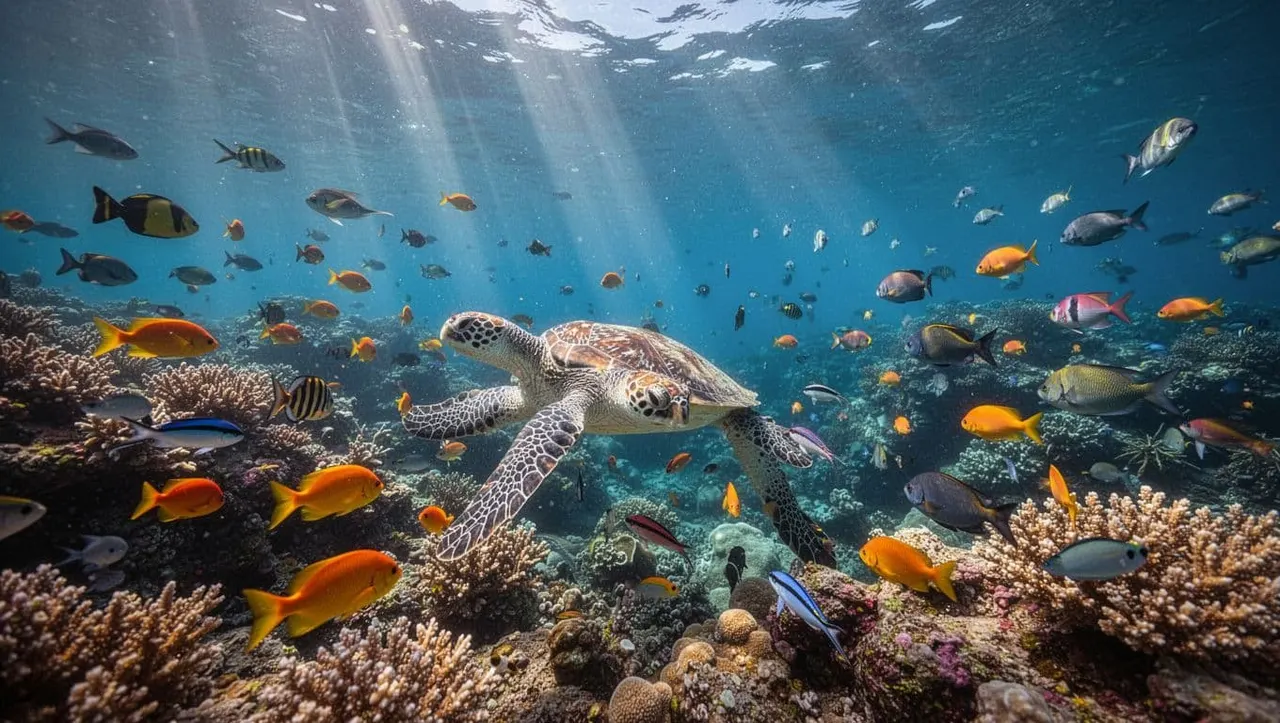
A safe viewing distance is far enough away that the eel continues normal behavior. As a practical snorkeling rule, aim to stay about six feet from the eel and its den whenever visibility and water conditions allow. If you can reach the animal or place your hand near the entrance to its hiding spot, you’re too close.
The exact distance may change with the current, visibility, reef shape, and the eel’s body language. Back away farther if the water pushes you toward the rocks or if other swimmers crowd the area.
Use these steps when you spot a moray:
- Stop kicking toward the den and let your momentum fade before you get close.
- Keep your body horizontal and your fins away from the reef.
- Watch from the side instead of hovering directly over the eel’s escape route.
- Maintain a clear path for the animal to move deeper into the rocks.
- Signal your group with a calm hand motion instead of splashing or chasing the eel.
The safest distance is the one that lets the moray keep its head position, breathing rhythm, and access to shelter.
A guide may approach a reef slowly, then stop well short of the animal. Follow that lead. Professional guides understand how surge and visibility affect your position, and they can help you observe without drifting into a den.
Signs You Need to Back Away
An eel that pulls deeper into a hole, turns sharply toward you, or moves its body into a defensive curve needs more space. Increase your distance immediately if it stops its usual movements and focuses on you.
Your group should also spread out. Several swimmers hovering over one small crevice can make the eel feel trapped even when each person believes they’re far enough away. One clear viewing line is better than a crowd around the reef.
Where You May Spot Moray Eels Around Oahu
Morays prefer shelter, so search with your eyes rather than your hands. Check the edges of coral heads, dark openings in lava rock, and shaded spaces beneath reef ledges. You may notice a pale snout first, followed by a patterned body that disappears into the rock.
During snorkeling Oahu excursions, reef conditions can change throughout the day. Bright sunlight may make a moray easier to spot near a shadowed opening, while surge can make close observation unsafe. Your guide may also choose a different viewing angle to protect the reef and keep the group away from unstable rocks.
Turtle Canyons is known for Hawaiian green sea turtles at a natural cleaning station, but the reef also supports smaller marine life. Moray sightings are possible, yet no responsible operator should guarantee a specific eel or promise that wildlife will appear on demand.
Give the animal time. If you don’t see a moray after a few seconds, move on and scan another section of reef. Searching by lifting rocks, poking holes, or chasing a retreating eel damages habitat and increases the chance of a bite.
For more detail on keeping your hands and equipment away from reef animals, review this moray eel reef etiquette guide.
Reef Habits That Protect You and the Eel
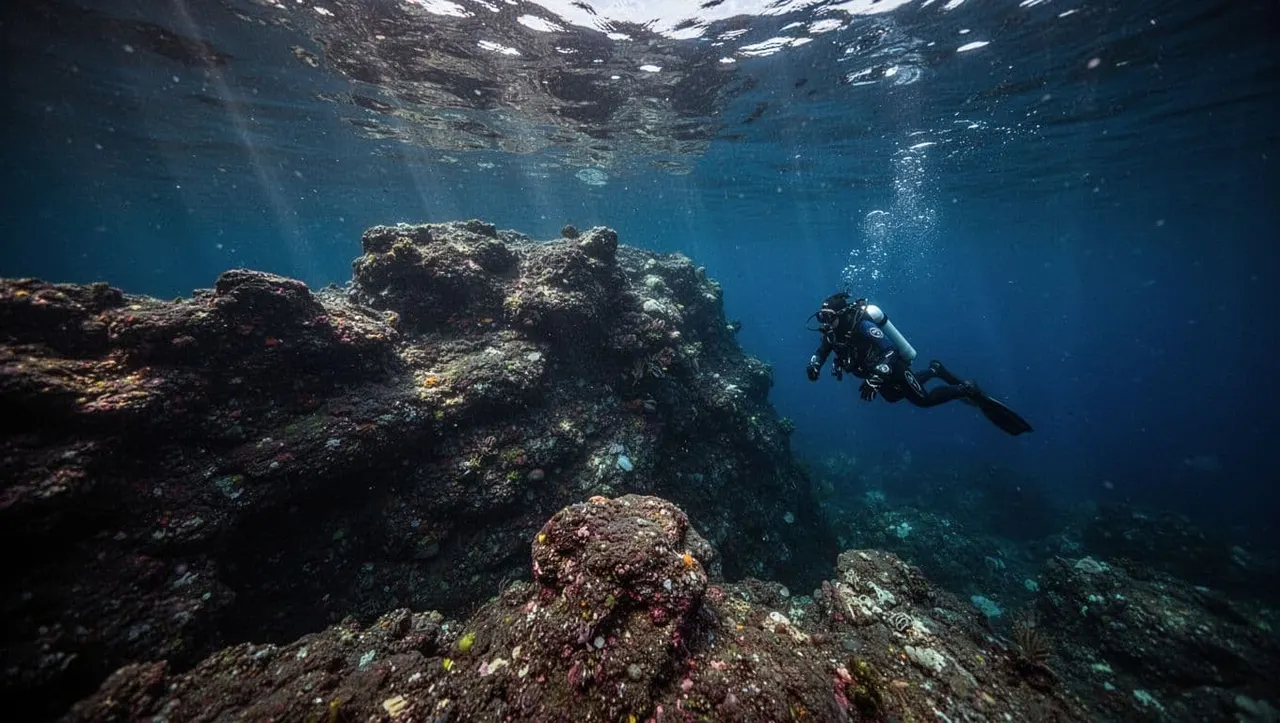
Good snorkeling technique reduces risk before you ever notice a moray. Your fins, hands, and equipment can damage coral or disturb animals when you move too quickly.
Keep these habits in mind:
- Stay aware of your fins, especially when you pause near a ledge or rocky outcrop.
- Never touch, feed, chase, or block a moray eel.
- Keep your hands relaxed at your sides instead of reaching toward the den.
- Avoid standing on coral or grabbing rocks for balance.
- Follow crew instructions when current, waves, or low visibility changes the plan.
- Leave shells, rocks, and other reef objects where you find them.
Your mask gives you a clear view, so you don’t need to get close for a memorable encounter. If you want a better look, adjust your position slowly or ask your guide to help you find a safer angle.
Strong swimming skills also help. Practice stopping, floating, and changing direction before you approach a reef. Beginners should stay close to the guide and avoid trying to keep pace with stronger swimmers. A calm snorkeler makes better decisions than someone who is tired and fighting the current.
Responsible wildlife viewing protects more than moray eels. Hawaiian green sea turtles, coral colonies, reef fish, and other animals all need space to feed, rest, and shelter. Observing instead of touching keeps the reef healthier for the next group.
A Guided Way to Experience Oahu’s Reef Life
Living Ocean Tours operates from Kewalo Basin Boat Harbor, only minutes from Waikiki Beach in Honolulu. The company offers guided ocean experiences for first-time snorkelers, families, couples, and experienced swimmers who want local support in the water.
Living Ocean Tours is the only tour company with professional snorkel guides. The crew helps you manage your position, understand reef behavior, and stay comfortable while you look for marine life. That guidance matters when you encounter a moray in a narrow reef opening or when current begins moving your group.
The company’s flagship Turtle Canyons Snorkel Excursion visits a natural underwater cleaning station known for Hawaiian green sea turtles. Living Ocean Tours reports a 95% success rate for turtle sightings, but moray eels and other wildlife remain wild animals, so sightings can never be guaranteed.
The boats are Coast Guard-inspected, custom-built double-deck vessels with shaded seating, restrooms, dry storage, and sturdy ladders for water entry. The Lokahi also has a SeaKeeper stabilization system, which helps reduce rolling while you prepare to snorkel. Families with children ages 3 and older can enjoy an organized outing with crew support and easy access to the water.
You can review the Living Ocean Tours snorkeling excursions and choose the trip that fits your group. If Turtle Canyons matches your plans, you can also CHECK AVAILABILITY.
For a larger boat day, the Deluxe Waikiki Snorkeling and Wildlife Cruise visits a less-crowded reef and adds a boat-mounted waterslide, water trampoline, and floating lily pad. You can CHECK AVAILABILITY for that experience.
Keep Your Moray Eel Encounter Calm and Respectful
Moray eels are fascinating because they let you witness a hidden part of the reef without leaving their shelter. Stay about six feet away when possible, keep the den clear, and let the animal decide whether to remain visible.
With calm movement and professional guidance, you can enjoy snorkeling Oahu with greater confidence. The strongest wildlife memory often comes from giving an animal enough space to behave naturally, then leaving the reef exactly as you found it.


