
Snorkeling Oahu: What to Do If You See a Monk Seal
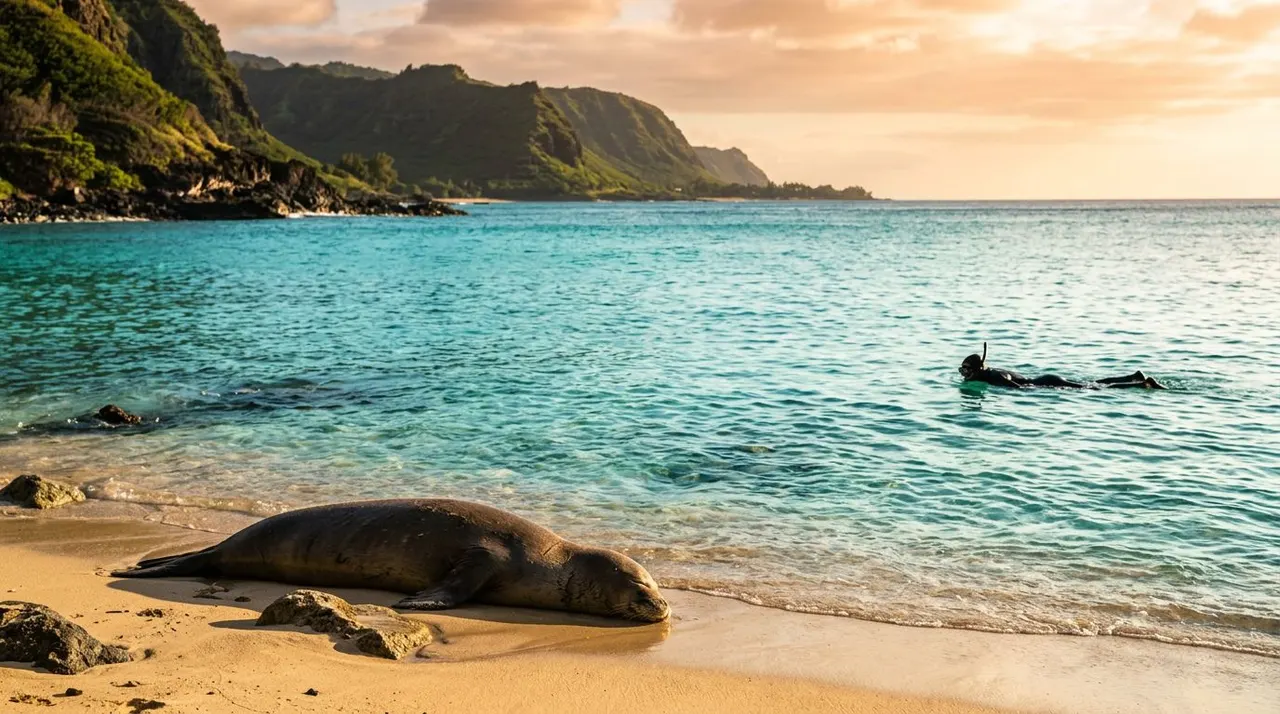
A Hawaiian monk seal can turn an ordinary ocean outing into a moment you remember for years. While snorkeling Oahu, you might spot one resting near shore, gliding through clear water, or lying on a quiet stretch of beach.
Your best response is simple: stop, stay calm, give the seal plenty of space, and let it continue undisturbed. The right distance protects the animal and keeps your encounter safe. Before you enter the water, learn what to do when a monk seal appears.
Why a Monk Seal Changes Your Snorkeling Plan
Hawaiian monk seals are protected marine mammals. They need long periods of rest, especially after feeding or swimming. A seal that looks curious may be tired, stressed, or trying to reach a safe place.
When a monk seal appears near your snorkeling area, don’t swim closer for a better photo. Don’t circle it, call to it, splash beside it, or try to guide it toward your group. Even a friendly gesture can make the animal change direction or leave a resting spot.
NOAA recommends staying at least 50 feet, or 15 meters, away from a Hawaiian monk seal on land and in the water. The agency’s Hawaii marine wildlife guidance also gives special instructions for mothers with pups.
If you aren’t sure what 50 feet looks like, extend your arm toward the seal and hold up your thumb. When your thumb covers the entire seal, you’re likely far enough away. If the seal looks larger than your thumb, move back.
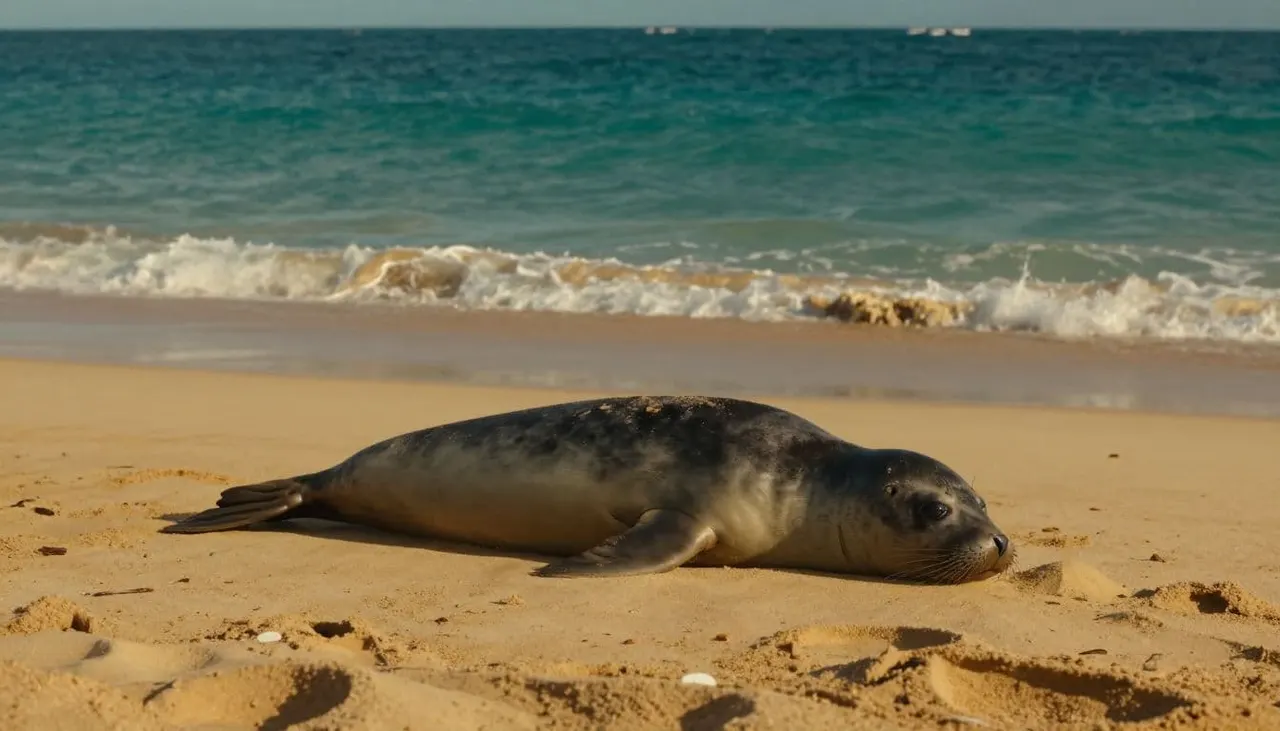
The best monk seal encounter is one where the seal never needs to react to you.
Snorkeling Oahu: What to Do When a Monk Seal Appears
A calm, measured response gives you time to enjoy the sight without disturbing the animal. Follow these steps if you see a monk seal while swimming or snorkeling.
- Stop moving toward the seal. Pause your kicking and keep your body still. Sudden movement can draw the seal’s attention, especially in shallow water.
- Create distance immediately. Swim backward or angle away from the animal. Keep your fins, hands, and camera pointed away from it. If you are with children, calmly guide them toward deeper water or the boat.
- Stay at least 50 feet away. Use the thumb-distance method if you need a quick estimate. Never rely on a seal’s calm behavior as permission to approach.
- Tell your guide or boat crew. A professional crew member can direct swimmers away from the animal and help the group exit the area safely. On a beach, notify a lifeguard or ranger if one is nearby.
- Watch without chasing. You can enjoy the encounter from a distance, but let the seal choose where it goes. Avoid following it along the reef or swimming parallel to it for a closer view.
If you spot a seal from a boat, stay with your group and follow the captain’s instructions. A vessel should never crowd the animal or cut across its path. The same rule applies if the seal swims beneath your boat. Give it room to pass.
NOAA’s monk seal FAQ confirms that touching, feeding, chasing, and harassing these seals can harm them and may violate wildlife protections.
If the Monk Seal Is in the Water
Seeing a monk seal underwater can feel more personal than seeing one on a beach. You may notice its large eyes, powerful front flippers, or smooth movement through the reef. That close view is also when swimmers are most likely to forget the distance rule.
If the seal swims toward you, don’t reach out or try to touch it. Keep your face and body angled away, then move back slowly. You don’t need to panic or race away. A steady retreat gives the animal a clear path.
Never follow a monk seal into a cave, around a rock, or toward a resting beach. It may be looking for shelter, feeding, or returning to a familiar haul-out area. Your presence can block that route.
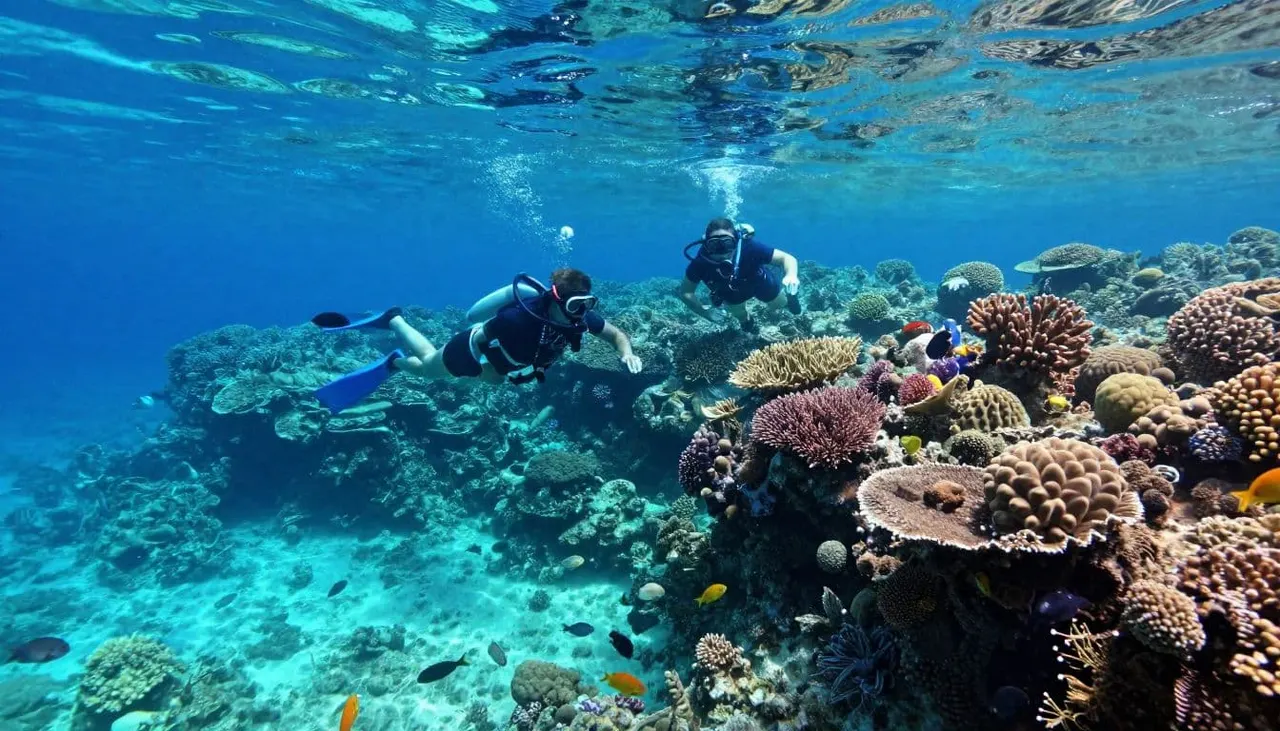
Keep your group compact as you leave. A line of swimmers can surround a seal even when each person believes they are staying back. Move in one direction, avoid loud calls, and let the guide manage the group.
NOAA also provides broader marine-life viewing distances, but you should follow the Hawaii-specific monk seal guidance when viewing these animals around Oahu.
Give a Mother and Pup Much More Space
A mother monk seal with a pup requires extra caution. NOAA recommends staying at least 150 feet, or about 45 meters, away from the pair. Mothers can react defensively when people approach their young.
Don’t enter the water near a mother and pup. If you see them from shore, remain behind any signs, ropes, or barriers. Keep your voice low and ask other visitors to move back instead of gathering around the animals.
A pup may appear alone while its mother searches for food. Never assume it has been abandoned. The mother may be nearby or returning soon. Approaching the pup can cause stress and may interfere with normal bonding.
For snorkeling Oahu, this means changing your plan without hesitation. Swim to another part of the reef, return to the boat, or choose a different beach. You haven’t missed the experience. You have protected it.
How a Guided Oahu Snorkel Tour Helps
A guided tour gives you someone who can make quick decisions when wildlife appears. Living Ocean Tours departs from Kewalo Basin Boat Harbor, only minutes from Waikiki Beach, and operates Coast Guard-inspected double-decker boats along the Waikiki coastline.
Living Ocean Tours is the only tour company with professional snorkel guides. The crew helps beginners with water entry, equipment, reef awareness, and wildlife etiquette. That guidance matters when a monk seal appears because the safest response may be different from what your first instinct suggests.
The company’s Turtle Canyons Snorkel Excursion visits a natural underwater cleaning station known for Hawaiian green sea turtle sightings. Living Ocean Tours reports a 95% success rate for spotting green sea turtles on the tour, but turtles and monk seals still require the same respectful approach: observe, don’t touch, and never chase.
You can explore Living Ocean Tours’ Oahu boat excursions when planning your snorkeling Oahu itinerary. The boats include shaded seating, restrooms, dry storage, and sturdy ladders for easier water entry. The Lokahi also has a SeaKeeper stabilization system that helps reduce side-to-side movement.
If you’d like to visit Turtle Canyons with a professional crew, you can CHECK AVAILABILITY for the snorkel excursion.
When to Report a Monk Seal
Most sightings don’t require intervention. Keep your distance and allow the seal to rest, swim, or leave on its own.
Report a seal if it appears injured, entangled, stranded in an unsafe location, or surrounded by people who refuse to move away. Don’t approach to inspect the animal. Instead, tell your guide, a lifeguard, or a local ranger.
You can also contact the NOAA Marine Wildlife Hotline at (888) 256-9840. Give the location, time, number of seals, and a short description of what you observed. Photos can help responders, but take them only from a safe distance.
Never try to push a seal back into the ocean. A seal on the beach may be resting by choice, and moving it can cause injury or separate it from a nearby pup.
Keep Your Monk Seal Encounter Respectful
A monk seal sighting is a gift, but it isn’t an invitation to swim alongside the animal. Stay at least 50 feet away, increase that distance to 150 feet for a mother and pup, and leave the water if the seal comes too close.
When snorkeling Oahu, your guide, boat crew, and good judgment can protect both your group and Hawaii’s marine life. Watch quietly, keep your distance, and let the seal remain in control of the encounter. That is how you help preserve the chance for another visitor to see one in the future.


