
Snorkeling Oahu: Stay Calm During Mask Panic
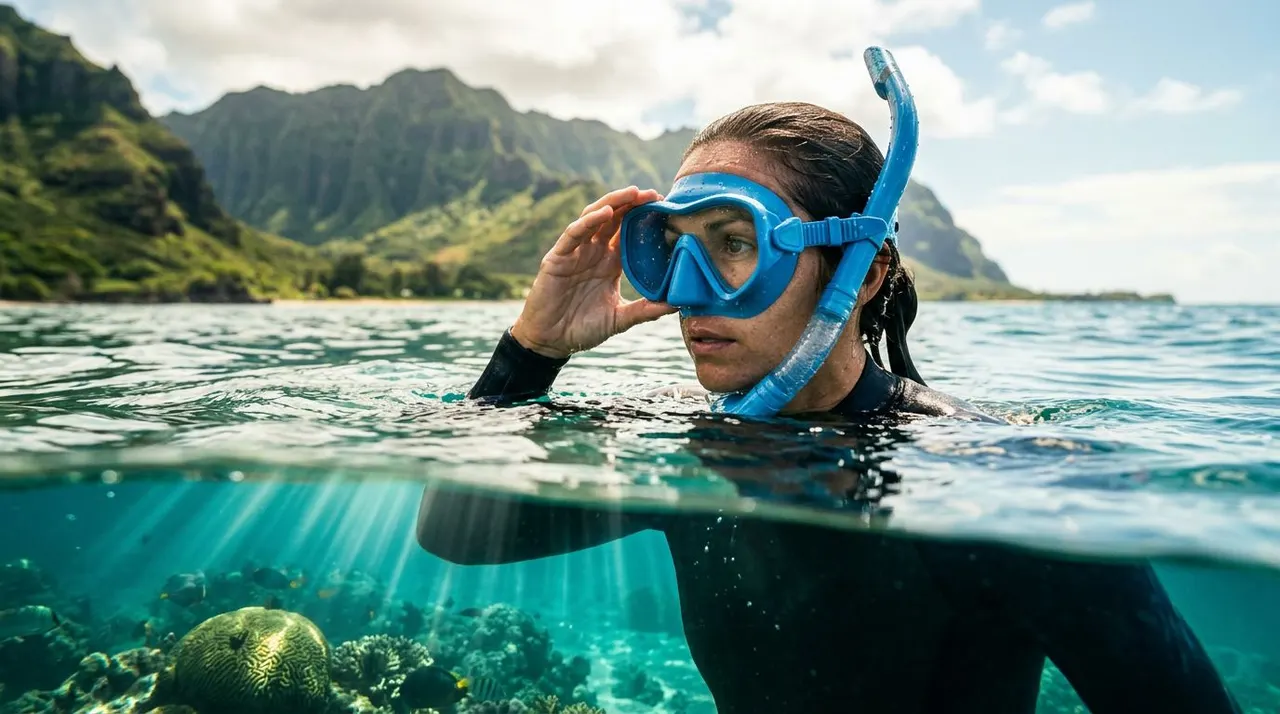
A mask panic moment can turn a beautiful ocean swim into a rush of fear within seconds. When snorkeling Oahu, you may feel trapped if water enters your mask, your nose gets wet, or your breathing suddenly feels unfamiliar.
The safest response is simple: lift your face from the water, slow your breathing, and signal for help. A mask problem is usually easy to fix once you regain control. These steps can help you feel prepared before you enter the water.
Why Mask Panic Happens While Snorkeling Oahu
Mask panic often starts with a small issue. A loose seal lets in water. Fogging blocks your view. A wave pushes the snorkel below the surface, or you inhale through your nose after removing the mouthpiece.
Your body reacts before your mind has time to assess the situation. You may kick harder, hold your breath, or reach for the mask. Those reactions can increase stress and make the problem feel bigger than it is.
Remember that your snorkel mask doesn’t control your breathing. You can always lift your face above the surface and breathe normally. The ocean will still be there when you are ready to look again.
A mask that leaks around one side may need a small adjustment. Hair caught under the silicone skirt, a twisted strap, or a mask positioned too high can create a poor seal. Water can also enter if you smile, talk, or press your face into the mask unevenly.
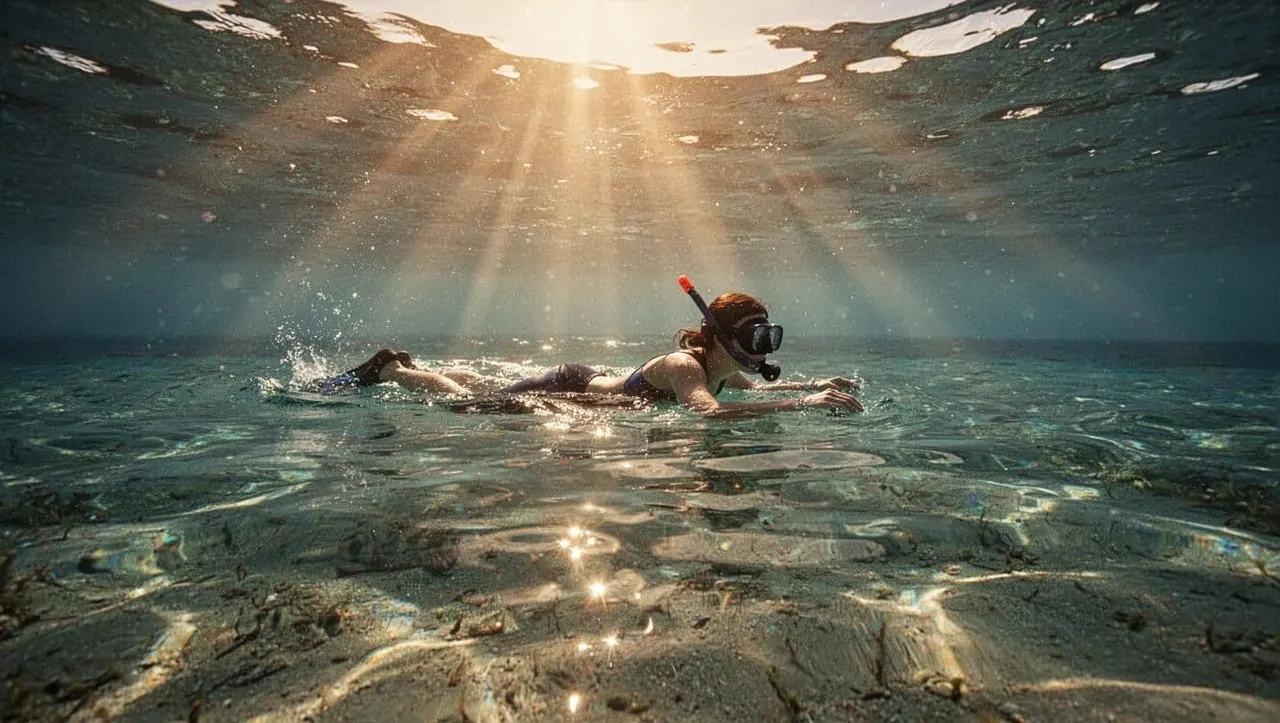
If your mask fills, avoid yanking it away while you are still underwater. First, bring your face up. Then tell your guide or travel companion what happened.
Water in your mask is uncomfortable, but it doesn’t remove your ability to breathe. Getting your face above the surface restores that control immediately.
What to Do During a Mask Panic Moment
Use the same order every time. A familiar sequence gives you something practical to focus on when your nerves rise.
1. Lift your face and stop kicking
Raise your head until your mouth and nose are clear of the water. If you have a snorkel vest, remain upright and let it support you. If you don’t, roll onto your back and float while you catch your breath.
Stop swimming toward the reef, boat, or shoreline. Movement can wait. Your first job is to create space between the problem and your breathing.
2. Breathe slowly through your mouth
Remove the snorkel from your mouth if it helps you breathe more comfortably. Take a slow breath in through your mouth, then let it out gradually.
Don’t force yourself to put your face back in the water. Wait until your breathing feels steady. If you feel dizzy, weak, or unable to catch your breath, stay on the surface and ask the crew to help you leave the water.
3. Signal clearly for help
Use an obvious hand signal or call out when you can. A raised hand usually gets attention quickly, but follow the signals your guide explained during the safety briefing.
A professional guide can hold your arm, bring you to the boat ladder, adjust your equipment, or stay beside you while you decide what to do next. You don’t need to solve the problem alone.
4. Decide whether to clear or replace the mask
If you feel calm and your guide has shown you how, you can clear a small amount of water. Press the top edge of the mask gently against your forehead, tilt the lower edge slightly away from your face, and exhale through your nose. The air pushes water out through the bottom.
For a fuller explanation of the technique, review this scuba mask-clearing guide. Snorkeling uses less equipment, but the same calm breathing principle applies.
You can also return to the boat and ask for a different mask. Continuing isn’t required. A short break often helps you decide whether you want to try again.
Prevent Mask Panic Before You Enter the Water
The easiest mask problem to handle is the one you reduce before swimming out. Take a few minutes on the boat or beach to check your gear.
Start with the fit. Place the mask against your face without using the strap. Inhale gently through your nose. If the mask stays in place for a moment, it may have a good seal. If it falls away immediately, ask for another size or shape.
Keep hair away from the mask skirt, especially near your forehead and temples. Even a small strand can create a leak. Adjust the strap so it holds the mask securely without pulling it painfully tight. Over-tightening can distort the seal and make leaks worse.
Ask your guide to check the mask before you jump in. Confirm that the snorkel mouthpiece feels comfortable and that you know how to position the snorkel above the water. If you wear glasses, contacts, or sunscreen, tell the crew if anything affects the fit.
Fogging can also trigger anxiety because it makes the underwater view disappear. Use the anti-fog solution provided by your operator, rinse it as directed, and avoid touching the inside of the lens afterward.
Before swimming away from the boat, practice at the ladder or in shallow water:
- Put your face in for a few seconds while breathing through the snorkel.
- Lift your face, breathe normally, and repeat when you feel ready.
- Practice removing the mouthpiece and speaking to the guide.
- Test your mask seal before you begin swimming.
You can also ask whether a flotation vest is available. Extra buoyancy may help you relax while you learn how your mask and snorkel feel.
Choose a Guided Snorkel Trip When You Want Support
A guided trip gives you more options than swimming alone from a beach. You have a crew nearby, a boat ladder for easy exit, spare equipment, and someone who can watch conditions while you focus on your breathing.
Living Ocean Tours departs from Kewalo Basin Boat Harbor, just minutes from Waikiki Beach. The company operates Coast Guard-inspected, custom-built double-decker boats with shaded seating, restrooms, dry storage, and sturdy ladders for water entry.
The company is also the only tour company with professional snorkel guides. That matters when you are new to snorkeling or traveling with children who may need extra reassurance. Guides can help you fit your mask, explain hand signals, and stay close when you first enter the water.
For a calmer boat ride, the Lokahi includes a SeaKeeper stabilization system that helps reduce side-to-side rolling. A steadier deck can make it easier to focus on your equipment before entering the ocean.
You can browse Waikiki snorkeling tours to compare available experiences and choose a trip that fits your comfort level.
Living Ocean Tours also follows a respectful approach to marine life. When you see a Hawaiian green sea turtle, keep your distance and observe without touching or chasing it. Protecting the reef helps preserve the experience for other visitors and future generations.
A Turtle Canyon Tour Can Be a Good First Try
If you want to experience snorkeling Oahu with professional support, Living Ocean Tours’ Turtle Canyon Snorkel Excursion is designed for guests with different skill levels. The trip visits Turtle Canyons, a natural underwater cleaning station where Hawaiian green sea turtles are often seen.
The company reports a 95% success rate for turtle sightings. Wildlife sightings can never be guaranteed, but a guide can help you understand where to look and how to observe animals responsibly.
Tell the crew before entering the water if you feel nervous about mask flooding. You can ask for a slower introduction, remain near the boat ladder, or take a short surface break. Clear communication helps the guide give you the right level of support.
Read about the Turtle Canyon Snorkel Tour before booking, then check the available times for your Oahu visit.
Know When to Leave the Water
You don’t have to continue after a mask panic moment. Staying in the water is the wrong choice if you feel short of breath, confused, exhausted, or unable to settle your breathing.
Signal the guide and use the boat ladder or another safe exit. Tell the crew what happened so they can check your mask and help you decide whether to rest or return to the water.
If water enters your airway and you continue coughing or feel unwell, stop snorkeling and seek medical help. A guide can assist with the next step, but you should always take breathing problems seriously.
You can also prevent a second panic by changing the conditions. Try a different mask, stay closer to the boat, wear flotation support, or snorkel for shorter periods. There is no prize for swimming the farthest.
Conclusion
A mask panic moment during snorkeling Oahu is manageable when you know what to do first. Lift your face, slow your breathing, signal for help, and fix the equipment only after you feel steady.
A properly fitted mask and a professional guide can make your first few minutes much easier. With the right support, you can spend less time worrying about the gear and more time watching Hawaii’s reef life.


