
Snorkeling Oahu: Clear a Flooded Mask at the Surface
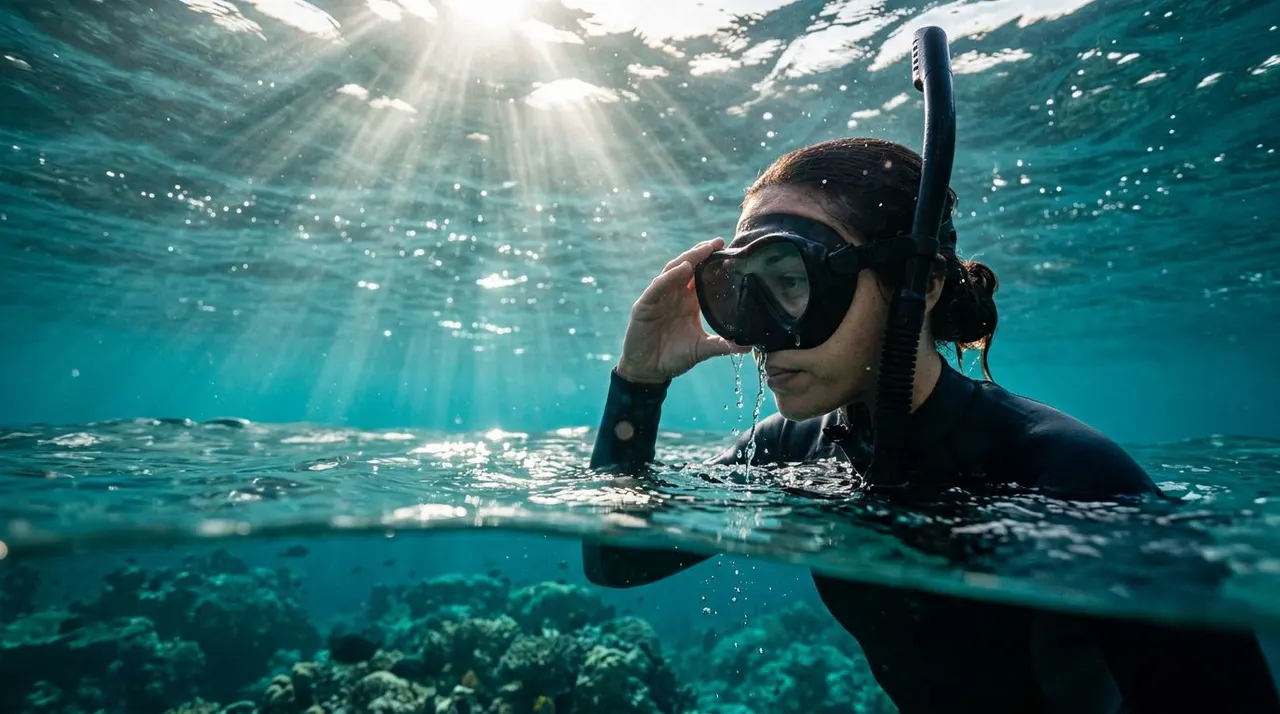
One wave can interrupt even a relaxed day of snorkeling Oahu’s clear coastal waters. When your mask fills, the sudden blur and trapped water can make you feel rushed, even though you remain safely at the surface.
The solution is simple: keep your breathing steady, keep your snorkel above the water, and let the mask drain through the bottom edge. Once you learn the motion, you can fix most leaks without removing your mask or leaving the water. Start by understanding why masks flood in the first place.
Why a Flooded Mask Feels Worse Than It Is
A small amount of water inside your mask doesn’t mean your equipment has failed. Most leaks come from a temporary break in the silicone seal around your face.
Hair trapped beneath the skirt is a common cause. So are a twisted skirt, a loose strap, or a mask positioned too high on your forehead. A strap that’s too tight can also create folds in the silicone and allow water to enter.
Your breathing can make the situation feel more serious. When water reaches your nose or blurs your vision, you may hold your breath or kick harder. Those reactions increase tension and make the leak harder to fix.
At the surface, you have time to pause. Keep your face angled toward open water, stop swimming, and take a slow breath through the snorkel if it’s clear. If the snorkel has filled too, lift your mouth and nose above the water before breathing.
A flooded mask is usually a seal problem, not a reason to panic. Stop moving first, then clear the water.
Your mask should still sit against your face while you clear it. Removing it in choppy water can make it harder to find and may leave you without clear vision. If you feel short of breath, raise your head fully, breathe normally, and signal your buddy or guide.
Snorkeling Oahu: How to Clear a Mask at the Surface
Practice this technique in calm, shallow water before heading toward deeper reef areas. You don’t need to sink below the surface. The entire process works while you float or remain upright.
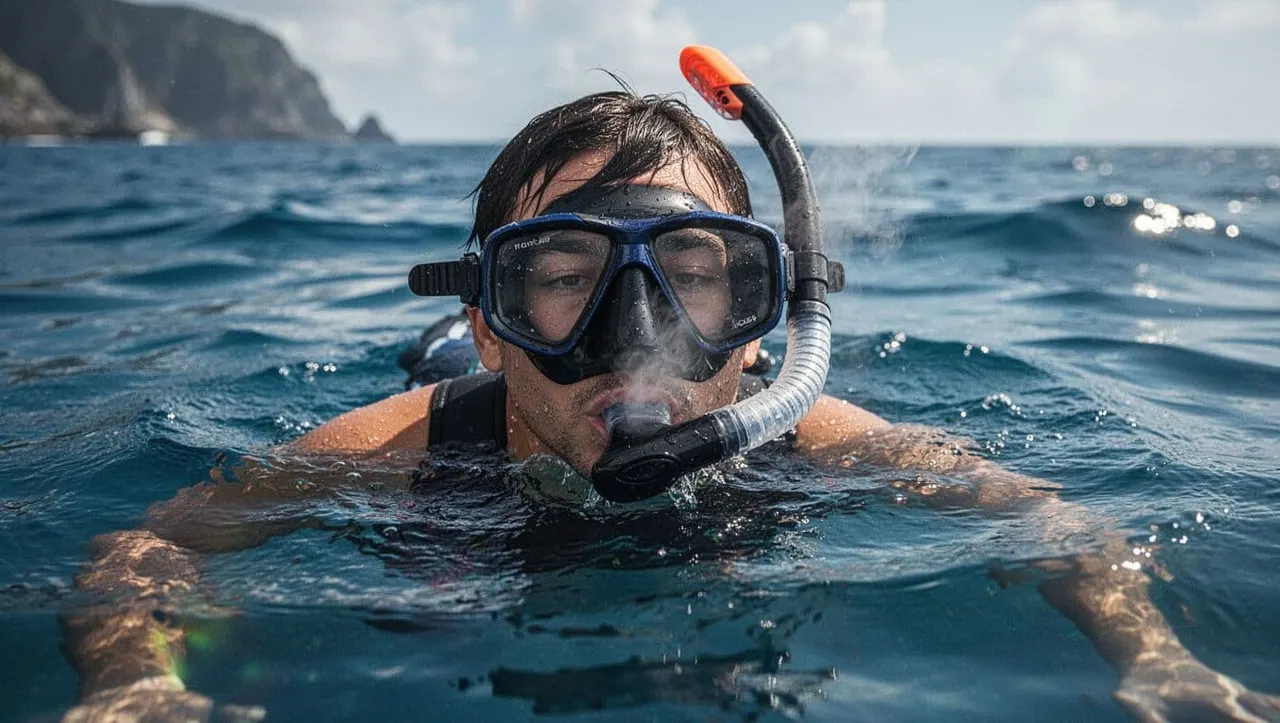
Follow these steps:
- Stop kicking and find a comfortable position. Keep your legs relaxed and allow your flotation device, if you’re wearing one, to support you. Hold one hand on the mask frame.
- Keep the top of the mask sealed. Press the upper frame gently against your forehead and cheeks. You don’t need to crush the mask against your face. A steady seal at the top gives the air an exit path.
- Tilt your head slightly back. Lift the lower edge of the mask away from your cheeks by a small amount. Leave the top edge in place so water can drain from the bottom.
- Exhale gently through your nose. Blow steadily, not forcefully. The air pushes water downward and out through the opening. Continue until your view clears, then reseat the lower edge.
If water remains, repeat the process once or twice. Small waves may put more water back into the mask, so wait for a calmer moment rather than fighting every splash.
A purge-valve snorkel can help remove water from the breathing tube. Guidance from smart snorkeling safety experts in Hawaii also recommends purge-valve snorkels for easier clearing. Still, a purge valve doesn’t replace calm breathing or a good mask seal.
When the mask is completely full, keep the mouthpiece in place only if you can breathe comfortably. Otherwise, lift your face clear of the water, recover your breathing, and ask for help. You never need to force yourself to finish the clear while uncomfortable.
Prepare Your Mask Before You Enter the Water
A few minutes of preparation can prevent most surface leaks. First, check the silicone skirt for sand, hair, or a folded section. Run a finger around the outer edge, then position the mask evenly across your nose and cheeks.
Test the seal on dry land. Place the mask against your face without using the strap, inhale gently through your nose, and hold the suction for a moment. If the mask stays in place, the shape likely fits. If air enters immediately, reposition it or try another size.
Set the strap behind the widest part of your head. It should hold the mask in place without pulling the skirt into wrinkles. Ask a guide to check the fit if you’re unsure.
Use an approved defogging solution before entering the water. Rinse the mask afterward without touching the inside lens with oily fingers. Oils can increase fogging, and placing the mask on your forehead between swims can transfer sunscreen or hair products to the seal. More practical advice appears in this guide to preventing snorkel mask fog in Hawaii.
Keep your snorkel vertical when you swim. A flexible snorkel can shift during stronger kicks, especially if the clip isn’t secured to the mask strap. Before you leave the boat or beach, take a few breaths through it and confirm that the mouthpiece feels comfortable.
A well-fitted mask should feel secure without pressure. If you need to tighten the strap repeatedly, the mask shape may not match your face.
What to Do When the Mask Keeps Flooding
A mask that floods again after clearing usually needs a fit adjustment. Move to a calm spot, keep your head above water, and inspect the lower seal.
Check for hair under the silicone, especially around the temples and along the upper lip. Facial hair can also create a small path for water. In that case, pressing the mask evenly against your face may reduce the leak, but a different mask may work better.
Look at the strap next. If the mask sits crooked, loosen it and reseat the frame. Tightening it more often makes the problem worse because the silicone can buckle.
Waves and strong currents can also cause temporary leaks. Keep your face pointed into smaller waves and avoid turning your head sharply while swimming. If the water remains rough, pause and follow your guide’s instructions.
Tell someone when the problem continues. During snorkeling Oahu trips, staying close to your buddy matters more than keeping pace with the group. A guide can replace the mask, check the seal, or escort you back to the boat.
Don’t stand on coral to fix your gear. Use a ladder, flotation aid, or open sandy area when available. Coral can cut your feet, and contact damages living reef.
Practice Snorkeling Oahu with a Guided Waikiki Crew
The easiest way to build confidence is to practice with a crew that can watch your technique. Living Ocean Tours departs from Kewalo Basin Boat Harbor, only minutes from Waikiki Beach in Honolulu. The company is the only tour company with professional snorkel guides, and its crew supports first-time swimmers as well as experienced snorkelers.
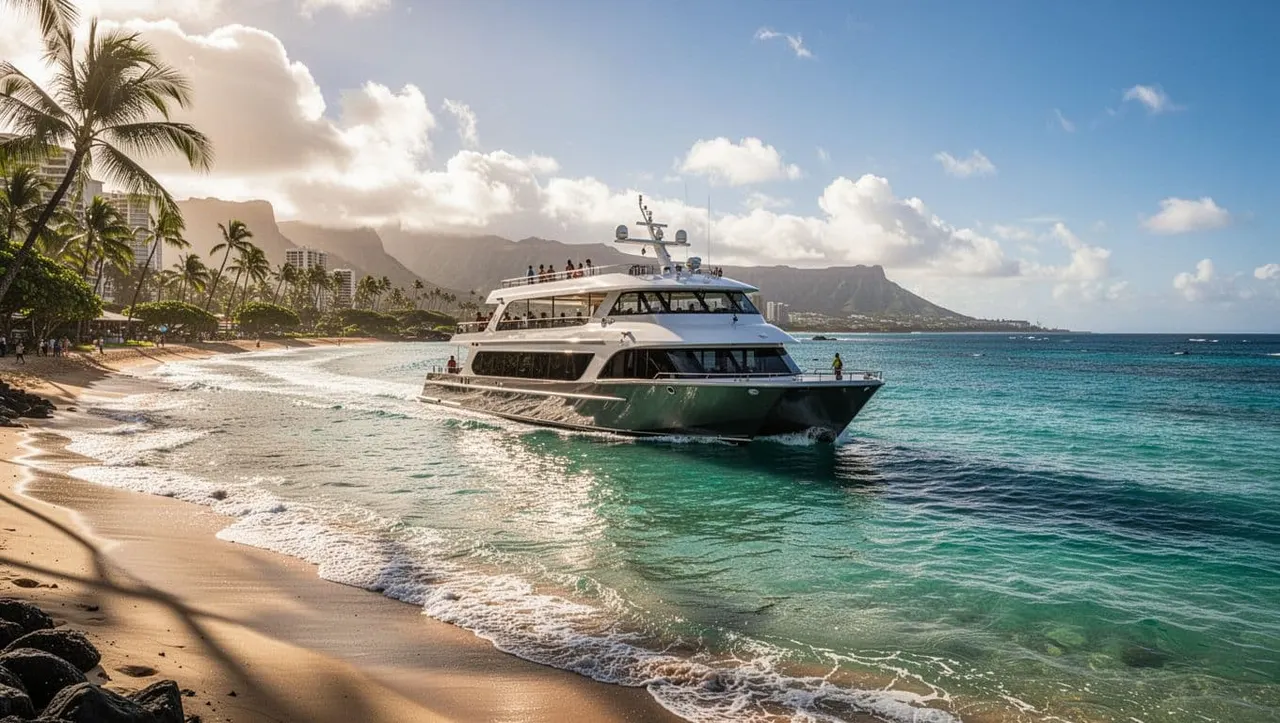
The Turtle Canyons Snorkel Excursion takes you to a natural cleaning station known for Hawaiian green sea turtle sightings. Living Ocean Tours reports a 95% success rate for spotting turtles on this trip. You receive the needed gear, safety instructions, and guidance before entering the water.
You can review the company’s Waikiki snorkeling tours to compare available experiences. The custom double-decker vessels, Coral Kai and Lokahi, include shaded seating, restrooms, dry storage, and sturdy ladders for water entry. Lokahi also has a SeaKeeper stabilization system to reduce rolling on the water.
Good guides do more than point out marine life. They can help you adjust a leaking mask, show you the nose-exhalation technique, and tell you when conditions call for a break. That support lets you focus on observation instead of struggling with equipment.
If you see a turtle, keep your distance and allow it to swim freely. Never touch, chase, block, or feed marine life. Your role is to observe the animal in its habitat and keep your fins away from the reef.
You can CHECK AVAILABILITY for a Turtle Canyons snorkel tour when you’re ready to plan your outing.
Avoid These Mask Clearing Mistakes
Don’t yank the mask away from your face while your head is underwater. That move can flood your nose and leave you searching for the mask in moving water.
Avoid blowing hard through your nose. Gentle, steady pressure clears the water more effectively and helps you keep control of your breathing.
Don’t keep swimming while trying to fix the seal. Kicking creates motion, waves, and fatigue. Stop first, then adjust the mask.
Never ignore dizziness, chest tightness, or trouble breathing. Raise your head, alert your guide, and exit the water if needed. A successful snorkeling Oahu experience depends on comfort and control, not on staying in the water longer.
Finally, don’t touch sea turtles or stand on reef rock for a better view. Give wildlife room and protect the coral beneath you.
Conclusion: Keep Your Breathing Steady
A flooded mask at the surface is a manageable equipment issue. Stop kicking, keep the top seal in place, lift the lower edge slightly, and exhale through your nose until the water drains.
Check your fit before entering, stay near your buddy or guide, and speak up when the mask continues to leak. With those habits, you can return your attention to Oahu’s clear water, reef fish, and sea turtles while snorkeling with greater confidence.


