
Snorkeling Oahu: What to Do When Your Fin Comes Loose
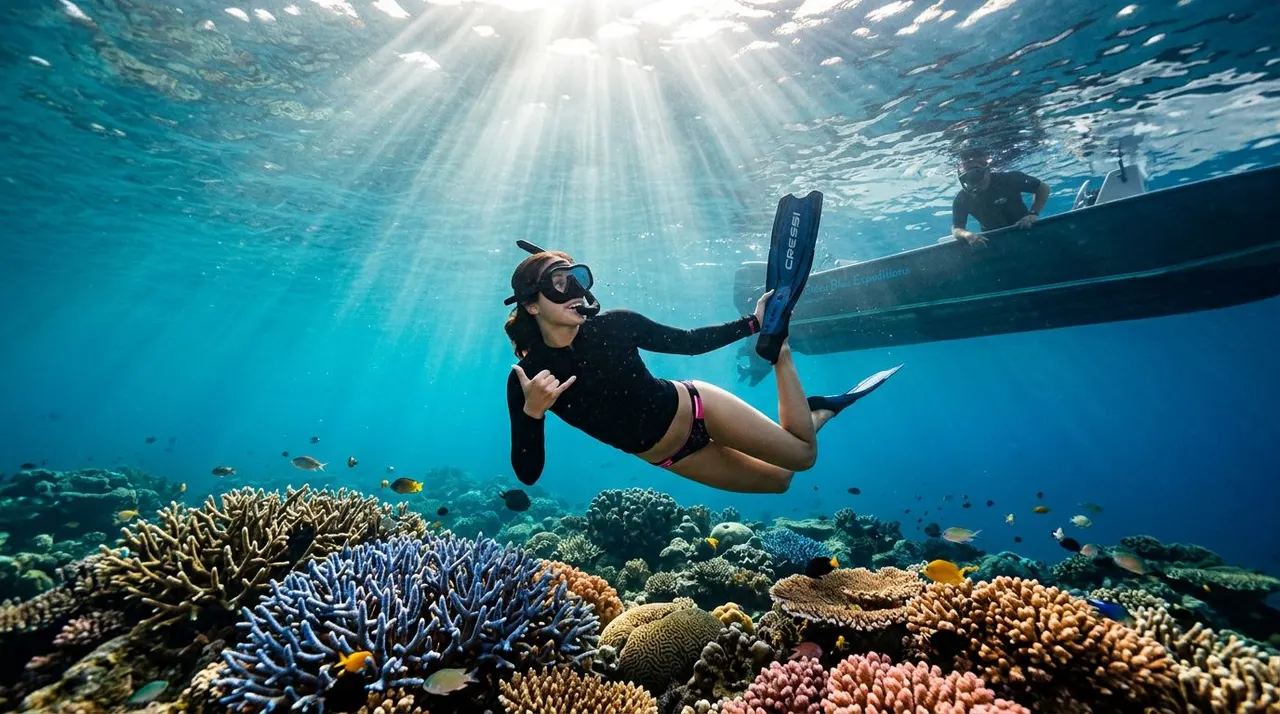
A loose fin can turn a calm snorkeling Oahu experience into a stressful moment, especially when you are floating above a reef or moving with the current. The safest response is to stop kicking, stay calm, and signal your guide before the fin drifts out of reach.
When you go snorkeling in Hawaii, you may have to manage waves, currents, boat traffic, and uneven visibility. Knowing how to handle a loose fin before you enter the water helps you protect yourself, your equipment, and the fragile reef habitat that makes snorkeling Oahu so special.
Key Takeaways
- Prioritize Safety Over Gear: If a fin comes loose, stop kicking immediately and remain afloat; never chase a drifting fin if it puts you outside your guide’s view or into dangerous currents.
- Use Proper Signals: If you have trouble, stay calm and signal your guide or boat crew immediately. They are trained to assist and can often retrieve gear or provide replacements faster and more safely than you can.
- Prevent Issues Onboard: Check your fin fit while still on the boat deck by performing a “test flex,” and ensure straps are secure before entering the water to avoid equipment failure mid-swim.
- Protect the Reef: Never stand on the seafloor or grab onto coral to regain your balance. Always stay horizontal and follow reef-safe practices to preserve Hawaii’s fragile marine ecosystems.
Why a Loose Fin Needs Your Immediate Attention
A fin that slips off changes how your body moves through the water. Your remaining fin creates uneven propulsion, which can twist your hips and ankle. You may also start kicking harder to compensate, causing fatigue when you need energy for a safe return.
The problem becomes more serious if you chase the fin. A loose fin can drift toward rocks or deeper water, and diving quickly after it may put you below the group, outside your guide’s view, or closer to a current than you realize. Furthermore, swimming erratically can disturb the delicate marine life inhabiting the area, so it is best to stay focused on your personal safety and your position in the water.
Once you notice the problem, stop swimming forward. Keep your face in the water if you’re comfortable, breathe slowly through your snorkel, and use your hands to scull gently. If you need to lift your head, do so without sudden movements.
Never stand on the seafloor to regain balance. Stepping on coral reefs can cause injury to your feet, and even a small step can damage living organisms that take years to grow. Instead, remain afloat or hold a safe boat ladder, flotation device, or another approved support.
Your first goal is to stay visible and stable. Retrieving the fin comes after you have control of your body and location.
What to Do When Your Snorkel Fin Comes Loose
Follow these essential steps whether you are exploring a popular Waikiki snorkeling site, navigating the rocky shores of Sharks Cove, Three Tables, or swimming near the clear waters of Waimea Bay.
- Stop kicking immediately. Let your body settle on the surface. Avoid fast arm movements because they increase fatigue and make it harder for others to spot you.
- Signal your guide or buddy. Raise one hand, wave, or use the agreed-upon hand signal for snorkel gear issues. Say “fin” when you can speak clearly. A professional guide can reach you faster than you can swim back while using one fin.
- Keep the loose fin in sight. If it floats nearby, point toward it. Do not turn your back on waves or swim into ocean currents to retrieve it, as they can quickly carry your equipment away. Tell your guide where it went, even if you lose sight of it.
- Remove the remaining fin if needed. One fin can pull your body unevenly. If you are close to the boat and the water is calm, such as when visiting Turtle Canyon, your guide may tell you to remove the other fin and use your arms to move. Follow their direction rather than improvising.
- Return to the boat or the group. Use a ladder, float, or an escort from the crew. Climbing aboard with one loose fin can cause you to trip, so keep both hands free when possible.
- Check the fit before re-entering. Ask the crew to inspect the strap, heel pocket, or foot opening. If the fin feels loose again, replace it instead of trying to swim through the problem.
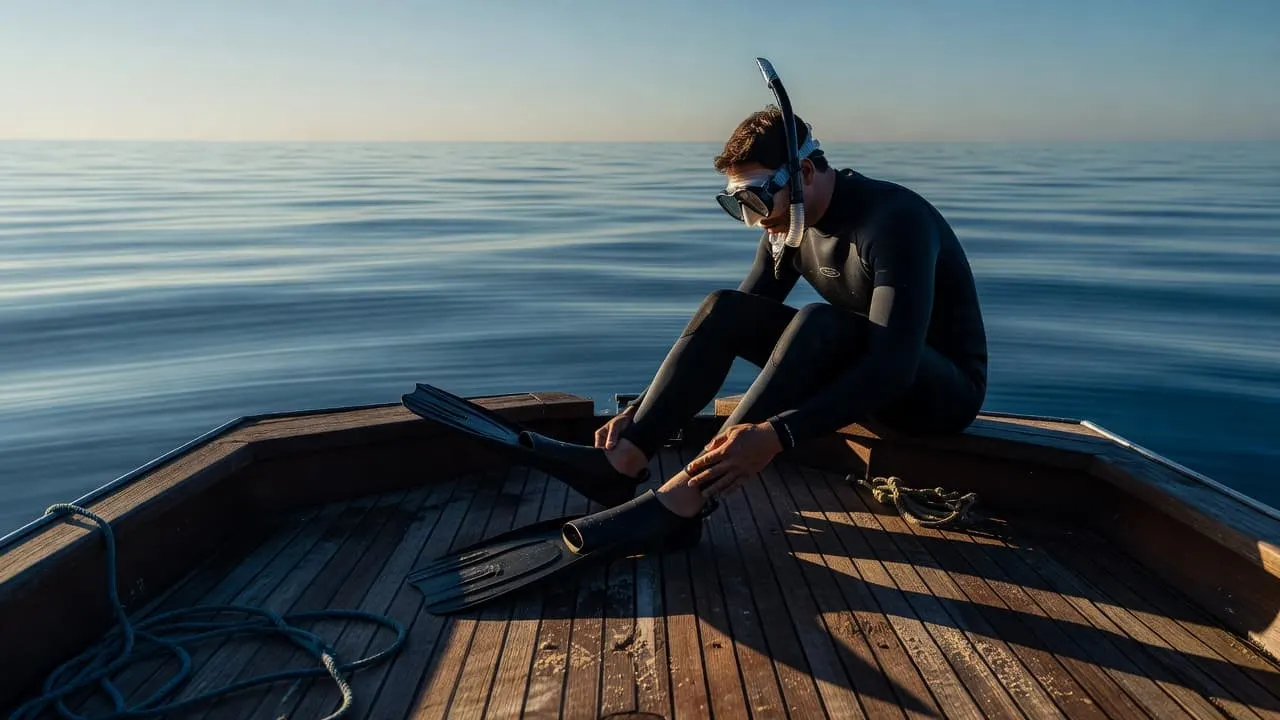
If the fin is within arm’s reach and the water is completely calm, you may be able to secure it without leaving the surface. However, let your guide make that call. A crew member can watch for boat movement, coral, and current while you focus on floating.
An informal snorkeler fin discussion also shows how often fit problems affect beginners. The practical lesson is simple: a fin should feel secure before you swim away from the boat.
How to Fix a Loose Fin on the Boat
The right fix depends on the fin style you are using as part of your mask and snorkel set. Full-foot fins have a soft foot pocket, while adjustable fins use a heel strap or buckle. Both types can feel secure on deck but often loosen once water enters the pocket.
For a full-foot fin, rinse sand from your foot and the pocket first. Sand can create extra space and cause rubbing, which is a common issue with rental snorkel gear. Push your heel fully into the pocket, then check that your toes are not curled and your heel does not lift when you flex your ankle.
A fin that feels too large may simply require a smaller size. Do not attempt to solve the problem by stuffing towels, thick socks, or loose material into the pocket. Those additions can bunch up and create uncomfortable pressure points.
For an adjustable-strap fin, place the heel strap across the back of your heel, rather than under your foot. Tighten it until the fin stays in place without cutting into your skin. Check both sides of the buckle, then pull gently on the fin to test the connection.
If the strap is cracked, stretched, or twisted, ask for another pair. A damaged strap can fail again without warning. You can also watch this full-foot fin fitting video before your Oahu trip to see how a secure fit should look.
Before entering the water, perform a short deck test. Flex each ankle, lift your heels, and take a few careful steps. The fin should move with your foot instead of sliding behind it. If you are heading to the North Shore, checking for a snug fit is essential because the different water textures there can easily dislodge poorly fitted equipment. If you plan to wear neoprene socks, test the fins while wearing them, as they will significantly change the overall fit.
Prevent Fin Problems Before You Enter the Water
A few minutes of preparation can save you from stopping in the middle of a snorkel session.
Try your equipment while you are still on the boat. This beginner friendly practice allows you to identify issues before you submerge. Tell the crew if the foot pocket pinches, the strap slips, or the fin feels loose. Guides can usually adjust the size before you enter, but they cannot help as quickly if you wait until you are offshore.
Keep your fins positioned correctly when you enter the water. Use the ladder and place your feet carefully. Do not jump in with loose fins unless the crew specifically instructs you to do so. Once you are in, move away from the ladder only after you confirm both fins feel secure.
Avoid walking long distances in fins across hot decks, sand, or pavement. Fins are designed for swimming, not walking. Walking can bend the blades, loosen straps, and make you more likely to stumble.
Your swimming technique matters too. Kick from your hips with relaxed knees and ankles. Short, controlled movements keep the blade working efficiently. Proper kicking technique is especially important when dealing with the winter surf or stronger swells often found on the North Shore, as this prevents fins from being pulled off by the force of the water. Forceful bicycle style kicks can also pull the fin off, especially if the foot pocket is already too large.
If you feel a hot spot or rubbing, tell your guide early. Pain often causes you to change your kick, and that adjustment can loosen the fin even more. A quick equipment change is easier than managing a blister in the water.
Why a Guided Oahu Snorkel Tour Helps
When you are snorkeling Oahu for the first time, a professional crew provides an essential layer of safety. You do not have to worry about diagnosing a loose fin while simultaneously watching the reef, monitoring the current, and finding your way back to the boat. By choosing guided tours, you can focus on enjoying the underwater scenery while the experts handle the logistics.
Living Ocean Tours departs from Kewalo Basin Boat Harbor, which is just a short drive from Waikiki Beach. As a company that emphasizes professional snorkel guides, the crew is dedicated to helping beginners check their gear, enter the water safely, and stay comfortable during the entire excursion.
The Coast Guard-inspected Coral Kai and Lokahi vessels feature shaded seating, restrooms, dry storage, and heavy-duty ladders. The Lokahi also utilizes a SeaKeeper stabilization system that helps reduce rolling while you are putting on fins or returning to the boat. That steady platform makes a significant difference when you are handling wet equipment.
The Turtle Canyon snorkel excursion takes you to a natural cleaning station where Hawaiian green sea turtles are frequently sighted. Living Ocean Tours reports a 95% turtle-spotting success rate for this experience. Of course, you should always remember to observe wildlife without touching, chasing, or blocking the path of the animals.
You can explore guided tours in Oahu to find an outing that matches your comfort level. If you prefer a quieter start, simply inform the crew that you are a beginner before departure. Clear communication allows the guides to support you effectively from the very first equipment check.
If Turtle Canyon is on your itinerary, you can also CHECK AVAILABILITY before your preferred time fills.
Protect the Reef While You Solve the Problem
A fin issue should never tempt you to grab onto coral, stand on the seafloor, or push away marine life. Always keep your body horizontal and signal for help. Your guide can assist you in returning to the boat without damaging the coral reefs that make snorkeling in Hawaii so special.
Hawaiian green sea turtles require ample space to feed, rest, and navigate the water. Please observe sea turtles from a respectful distance, and never touch their shells. When exploring a protected Marine Life Conservation District or nature reserve like Hanauma Bay, you will likely encounter vibrant schools of tropical fish. Watching these tropical fish thrive is a highlight of the experience, but be mindful of your fins. Sites such as Electric Beach (also known as Kahe Point) and the Pupukea area feature fragile ecosystems that require careful, controlled movement from every swimmer.
If your fin sinks, do not treat it as an object worth risking your safety or the environment for. Tell the crew where it disappeared. They can decide if retrieval is safe and may have replacement equipment on board.
Good snorkeling habits include leaving the site exactly as you found it. Always apply reef safe sunscreen before you enter the water, secure any loose gear, keep your hands off the coral, and follow all local guidelines regarding wildlife. A mindful swimmer protects the very places that make their snorkeling trip an unforgettable experience.
How to Stay Calm in Open Water
A loose fin can feel alarming because the water removes your usual sense of balance. While staying calm is often easier in shallow water, open ocean environments still require focus and steady breathing. Taking slow breaths gives you time to make a better decision. Look toward your guide, keep one hand visible, and avoid sudden turns.
If water enters your gear, lift your head and breathe normally. Your crew can help you adjust your mask and snorkel before you continue. Beginners often try to solve several equipment problems while swimming, but stopping first is much safer.
When you return to the boat, use the ladder one step at a time. Hand your fins to the crew if they ask, and do not climb while holding loose gear. Once you are seated, explain exactly what happened. That information helps the crew choose the right replacement and check other equipment for you.
The best time to practice these habits is before your trip. Learn the hand signal, ask how to request assistance, and make sure you understand where to wait if you lose equipment. Preparation turns a surprising problem into a routine pause.
Frequently Asked Questions
What should I do if my fin falls off while snorkeling?
Stop kicking immediately to avoid uneven propulsion and potential fatigue. Signal your guide for assistance, keep your remaining fin in sight, and remain in a horizontal, floating position until help arrives.
Should I try to dive down to retrieve a lost fin?
No, do not dive after a lost fin. Diving below the group can put you out of your guide’s sight and potentially into unsafe currents or shallow reef areas where you could cause environmental damage.
How can I make sure my fins won’t fall off in the water?
Test your fit while on the boat by checking that your heel doesn’t lift and the strap feels secure but not painful. If you are using rental gear, ensure there is no sand in the foot pocket, as this can create extra space and cause the fin to slip.
Why is it important to avoid standing on the seafloor?
Standing on the seafloor can cause serious injury to your feet from sharp coral or rocks. Furthermore, stepping on the reef destroys delicate organisms that take years to grow, so you should always remain buoyant while snorkeling.
Conclusion
A loose fin does not have to end your snorkeling adventure. If you encounter an issue, stop kicking, stay visible, signal your guide, and let the crew decide whether retrieving or replacing the fin is the safest course of action.
By preparing your gear before you enter the water and speaking up about any slipping or rubbing, you ensure that snorkeling Oahu remains a safe and rewarding experience. Making calm, informed decisions in the water protects you, your group, and the delicate reef ecosystem you are there to enjoy.


