
Snorkeling Oahu in June: Early Summer Reef Conditions
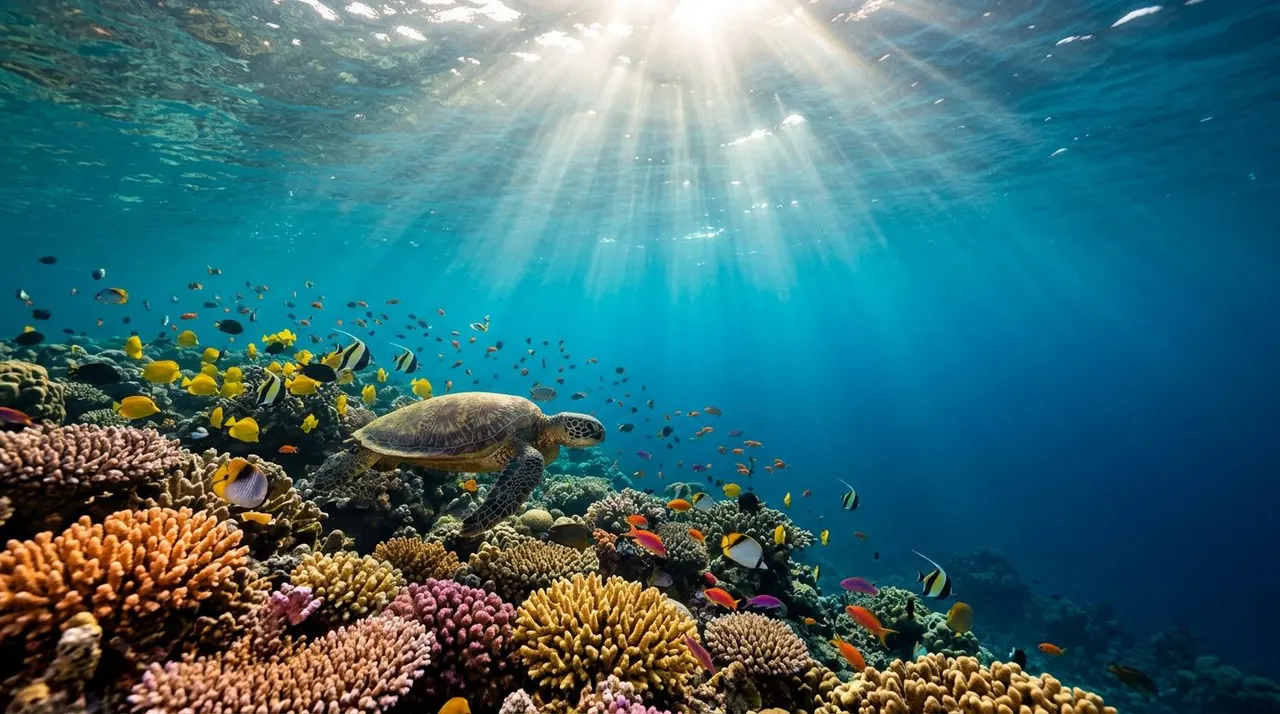
June brings warm water, long daylight, and some of Oahu’s most inviting snorkeling conditions. You can often find calm morning seas, comfortable water temperatures, and active reef life around the island. Still, wind, swell, rainfall, and tides can change visibility within hours.
If you’re planning snorkeling on Oahu in June, choose your location based on the day’s conditions instead of relying on one beach. Living Ocean Tours offers professional snorkel guides, beginner-friendly instruction, and boat access to reefs along the Waikiki coastline. Knowing what early summer brings will help you choose the right time, place, and experience.
What Oahu’s Reef Conditions Are Like in June
June is part of Oahu’s dry season, so you can expect plenty of sunny days and less frequent rainfall than during the wetter months. A short rain shower can still affect visibility, especially near shore. Freshwater runoff may carry sand and sediment into shallow areas, leaving the water cloudy for a while.
Water temperatures usually sit in the upper 70s Fahrenheit. For many swimmers, a swimsuit is enough. If you get cold easily or plan to stay in the water for an hour, a thin rash guard or wetsuit top can make the experience more comfortable.
The biggest daily factor is wind. Trade winds often strengthen later in the morning and through the afternoon. A protected bay may remain comfortable, while an exposed reef develops surface chop. Even when the water looks blue from shore, wind-driven waves can make spotting fish harder.
June can also bring south swells. The North Shore usually has much smaller surf than it does in winter, but rocky entries can still become dangerous when waves push into the shoreline. On the south and west sides, a summer swell may reduce visibility or create surge around shallow coral.
The best June snorkeling day is usually calm, clear, and tide-aware. A sunny forecast alone doesn’t guarantee good reef conditions.
Early morning often gives you the smoothest surface and clearest views. The reef may look more colorful before swimmers, wind, and boat traffic stir the water. If you’re snorkeling from shore, check the surf and entry point before putting on your fins.
Where to Snorkel on Oahu in Early Summer
Waikiki is a convenient choice when you want easy access from Honolulu. Its south-facing coastline includes protected areas, sandy entry points, and reefs that can offer good fish sightings when the ocean is calm. However, you still need to stay outside marked swimming channels and watch for changing waves near rock shelves.
Hanauma Bay is another well-known snorkeling destination. Its curved shape offers protection from some open-ocean conditions, but the bay can become busy, and entry rules may change. Check current access information, reef guidelines, and water conditions before you leave your hotel.
On the North Shore, summer conditions are often calmer than winter. That doesn’t make every location beginner-friendly. Several popular sites have rocky entries, uneven footing, and sudden surge. A calm-looking tide pool can become hazardous when waves wash across the rocks, so enter only when conditions are clearly suitable.
The west side of Oahu can offer excellent visibility because of its drier climate and open water. At the same time, beaches there are more exposed, and some areas have strong currents or limited shade. You should choose a lifeguarded beach whenever possible and avoid entering water that has powerful shore break.
A boat tour can remove much of the uncertainty connected with a shore entry. Your crew can monitor the sea state, select a safer reef, and provide direct access from a vessel. Living Ocean Tours departs from Kewalo Basin Boat Harbor, only minutes from Waikiki Beach, so you won’t need to spend your morning driving across the island.
Why a Guided Boat Tour Works Well in June
June conditions can vary between nearby coastlines. A guided boat trip gives you more flexibility than committing to one beach before you know how the ocean looks. The captain and crew can assess wind, swell, visibility, and current conditions before choosing where you enter the water.
Living Ocean Tours operates Coast Guard-inspected, custom-built double-decker vessels called the Coral Kai and the Lokahi. Both boats include shaded seating, restrooms, dry storage, and sturdy ladders for comfortable water entry. The Lokahi also has a SeaKeeper stabilization system that helps reduce rolling while you’re on board.
The company is the only tour company with professional snorkel guides. That matters when you’re traveling with children, snorkeling for the first time, or want help identifying fish without chasing wildlife. Guides explain how to use your mask and fins, help you enter the water, and keep an eye on the group.
The Turtle Canyon Snorkel Tour is a strong June option for couples and families who want a focused reef experience. The tour has a 95% success rate for spotting Hawaiian green sea turtles at a natural underwater cleaning station. Sightings are never guaranteed, and you must observe turtles without touching, feeding, or blocking their path.
You can CHECK AVAILABILITY for current Turtle Canyon departures.
The Deluxe Waikiki Snorkeling and Wildlife Cruise works well when your group wants more than reef viewing. The boat visits a less-crowded reef when conditions allow, then adds a boat-mounted waterslide, water trampoline, and floating lily pad. Families can split their time between guided snorkeling and relaxed water activities.
You can CHECK AVAILABILITY for the deluxe cruise.
Living Ocean Tours also focuses on responsible wildlife viewing. You can enjoy the reef without standing on coral, touching turtles, or picking up shells. That approach protects the habitat you came to see.
How to Plan Your June Snorkeling Day
Start by checking the marine forecast, beach warnings, and wind direction. If the ocean looks rough at your preferred beach, don’t force the plan. A different coastline or guided boat tour may offer safer, clearer water.
Morning departures are often the best choice for June snorkeling. Winds can build as the day progresses, and early trips give you more time before afternoon clouds or showers arrive. They also leave room for lunch, sightseeing, or a sunset cruise later.
Pack light, but bring the items that make a real difference:
- Reef-friendly sun protection: Use mineral sunscreen and apply it before you reach the boat or beach. Wear a rash guard, hat, and sunglasses when possible.
- Water and a dry change of clothes: Saltwater, sun, and wind can leave you dehydrated, even on a mild day.
- Secure swimwear: Choose straps and fasteners that stay in place when you climb a ladder or swim through moving water.
- A small waterproof case: Keep your phone and room key protected. Avoid carrying loose items into the ocean.
- Motion-sickness support: If you don’t know how you’ll respond to a boat ride, ask your doctor or pharmacist about options before your trip.
A well-fitting mask is more important than expensive equipment. If the mask leaks, ask your guide to help adjust the strap and seal. Keep your fins relaxed, use slow movements, and avoid kicking near the reef.
Reef Etiquette and Safety for Every Swimmer
Hawaiian coral reefs grow slowly and can break with one careless step. Stay off coral, avoid dragging fins across shallow formations, and use a ladder when one is available. If you need to rest, float in open water or hold a designated flotation aid.
Hawaiian green sea turtles need space when they rest, feed, or surface. Watch from a respectful distance and never chase one for a photograph. The same rule applies to fish, rays, dolphins, and every other animal you encounter.
Never snorkel alone, especially at an unfamiliar beach. Strong currents may not look dramatic from shore, and fatigue can arrive quickly when you’re swimming against wind or surge. Children should remain within close reach of a capable adult, even when they use flotation equipment.
If you feel short of breath, anxious, or tired, signal your guide or return to the boat. You don’t need to prove anything to enjoy the ocean. Comfortable, controlled swimming gives you a better chance to notice the small details on the reef.
Conclusion
June gives you warm water, long days, and strong chances for enjoyable snorkeling on Oahu. Your best results come from choosing a calm morning, checking local conditions, and matching the location to your swimming ability.
When wind or shore access makes the plan uncertain, a guided boat tour can provide professional instruction, easier water entry, and a better view of the reef. With patient wildlife viewing and careful reef etiquette, you can enjoy Oahu’s early summer ocean while helping protect it for the next person in the water.


