
Snorkeling Oahu: Stop Jaw Fatigue in the Water
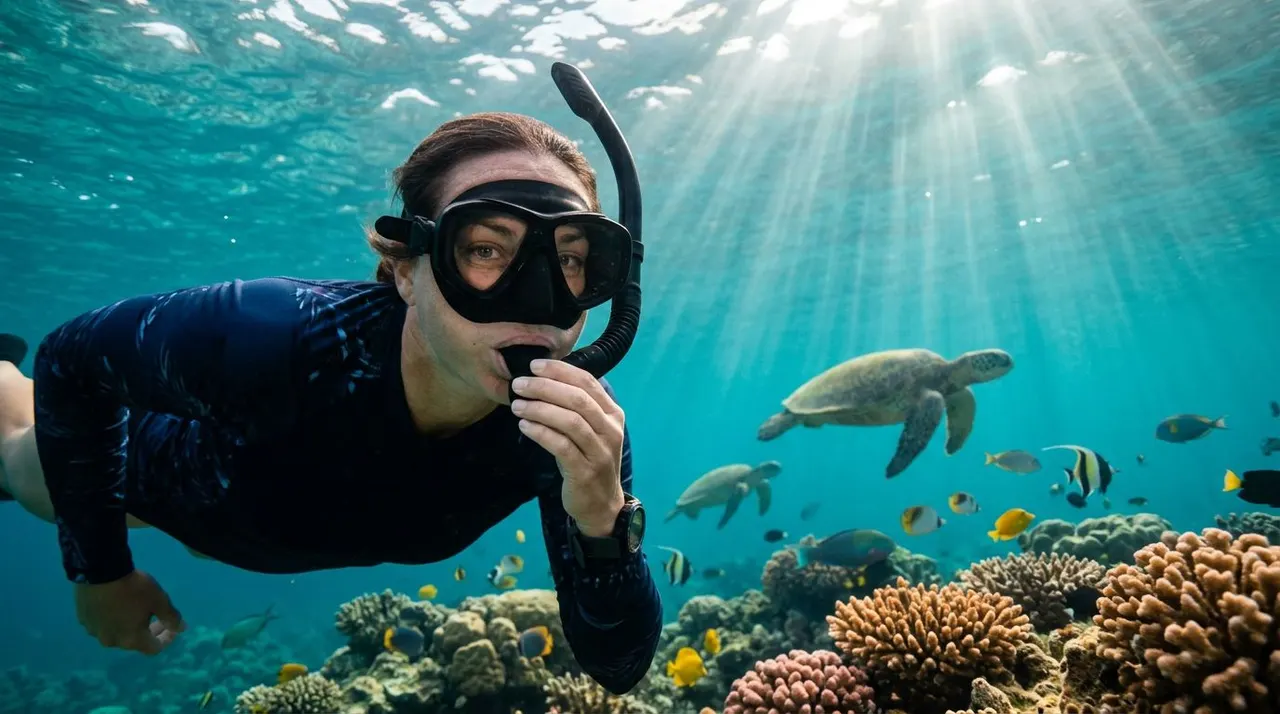
Jaw fatigue can turn a beautiful swim into an uncomfortable countdown to shore. When you plan snorkeling Oahu, you want to watch green sea turtles and tropical fish, not focus on the ache around your mouth.
The main causes are usually simple: biting the mouthpiece too hard, using a poor fit, holding your head at an awkward angle, or swimming against waves for too long. With a few practical adjustments, you can keep your jaw relaxed and enjoy longer, easier time in the water.
Why Your Jaw Gets Tired While Snorkeling
A snorkel mouthpiece only needs a gentle seal. Many swimmers clamp down because they worry the mouthpiece will fall out. That constant pressure works the jaw muscles for every minute you spend in the water.
The mouthpiece can also cause strain if it is too large, too rigid, or positioned incorrectly. If the side tabs press against your gums, you may shift your jaw to one side without realizing it. A loose mask strap can create another problem because you may bite harder to keep the snorkel steady.
Your breathing pattern matters, too. Nervous swimmers often take short, shallow breaths and tighten their entire face. That tension spreads from your lips to your cheeks, jaw, neck, and shoulders. Swimming into chop makes the habit worse because you may hold your mouthpiece firmly while trying to maintain your position.
Jaw pain is a recognized concern among divers and snorkelers. The Divers Alert Network guide to jaw dysfunction explains that repeated pressure on the mouthpiece can contribute to discomfort around the temporomandibular joint, commonly called the TMJ.
You can often prevent mild fatigue by changing your fit and technique before the pain builds. However, sharp pain, clicking, locking, swelling, or pain that continues after your swim deserves medical attention.
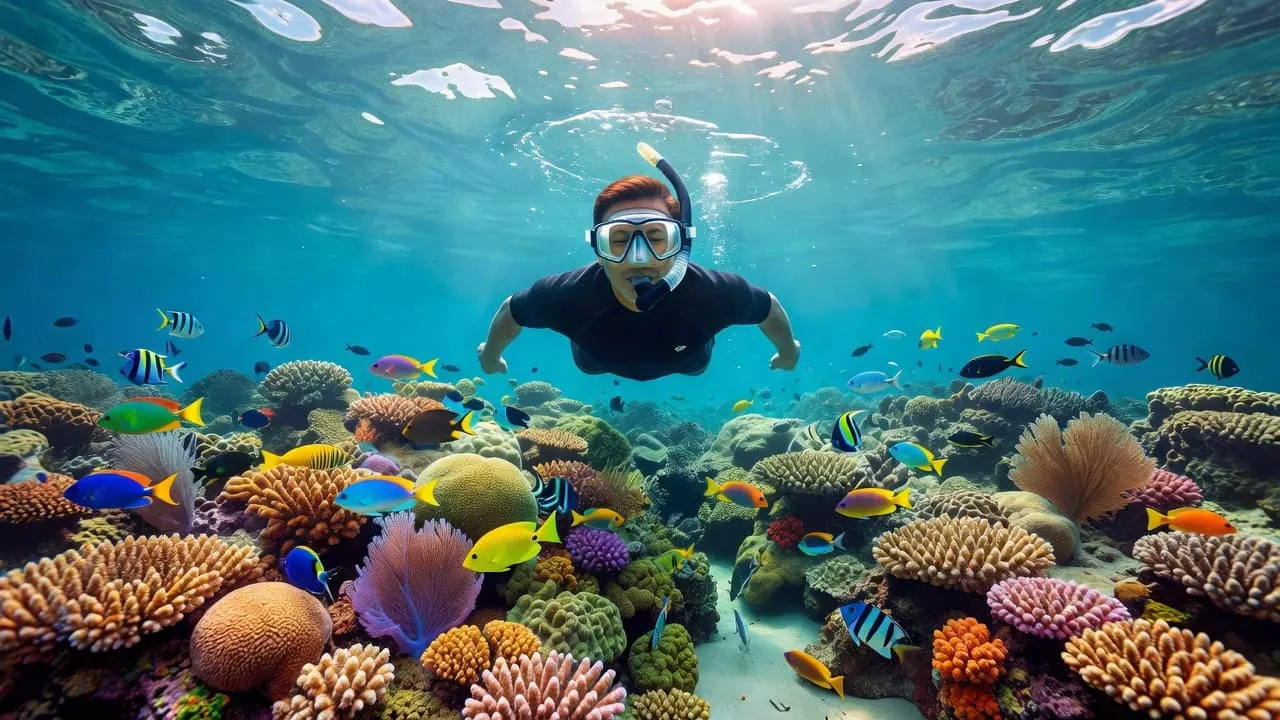
Snorkeling Oahu Without Jaw Fatigue Starts With Fit
A comfortable mouthpiece should stay in place without a hard bite. Before you enter the water, test the snorkel on land. Place the mouthpiece between your teeth and let your lips close around it. Your teeth should rest lightly on the bite tabs rather than squeeze them.
If you feel pressure at the corners of your mouth, ask for another size or style. A mouthpiece that feels comfortable for one person may feel bulky for another. Children and adults also need different fits, so avoid assuming one mouthpiece works for everyone in your group.
Check the snorkel strap as well. The strap should hold the snorkel beside your head without pulling the mouthpiece sideways. If it sits too high or too low, the mouthpiece may twist in your mouth. Adjust the strap while looking in a mirror, then test it again.
Use these quick checks before swimming:
- Let your lips create the seal, rather than clenching your teeth.
- Keep your jaw slightly relaxed and your tongue resting comfortably.
- Center the mouthpiece so it doesn’t pull toward one side.
- Replace cracked, stiff, or chewed mouthpieces.
- Ask a guide to check the fit if you feel pressure within the first few minutes.
Silicone mouthpieces often feel softer than hard plastic models, but softness alone doesn’t guarantee comfort. The shape, size, and position matter just as much. If you bring your own snorkel, make sure it fits your mask and remains secure when you turn your head.
A 2024 clinical algorithm for jaw pain among divers separates different causes of discomfort instead of treating every symptom as simple muscle fatigue. That distinction matters. A poor mouthpiece fit may improve with adjustment, while recurring joint pain may need professional care.
Relax Your Bite and Change Your Swimming Position
Once your gear fits, focus on how you hold your body. Keep your face in the water and your neck long. Looking forward forces your head upward, which can strain your neck and make the mouthpiece pull against your jaw.
Your body should float in a long, level position. Use slow kicks from your hips instead of rapid movements from your knees. Fins can help you move with less effort, especially when you need to maintain position over a reef.
Breathing through a snorkel should feel steady. Take comfortable breaths through your mouth, then exhale fully without rushing. A slow rhythm reduces the urge to clamp down or lift your head for air.
Every few minutes, perform a quick jaw check:
- Relax your shoulders.
- Separate your back teeth slightly.
- Loosen your lips around the mouthpiece.
- Take two calm breaths.
- Look down and allow your body to float.
You don’t need to remove the snorkel each time. A small release of pressure can prevent fatigue from building. If you need to speak, cough, clear water, or adjust your equipment, return to a boat ladder or another safe stopping point rather than struggling in open water.
Current and wave conditions also affect jaw tension. When you fight moving water, your whole body stiffens. Instead, follow your guide’s route and use the current when conditions allow. Short rests near the boat can help you reset before continuing.
The strongest bite isn’t the safest bite. A properly adjusted snorkel stays in place while your jaw remains relaxed.
Take Breaks Before Your Jaw Starts Hurting
Jaw fatigue usually develops gradually. You may notice tightness near your cheeks, soreness under your ears, or a dull ache when you remove the mouthpiece. Treat those signs as a reason to pause, not something to push through.
On a boat tour, use the natural rhythm of the trip. Swim for a comfortable interval, return to the ladder, remove your mouthpiece, and let your face relax. You can drink water, adjust your mask, and check whether the mouthpiece is rubbing your gums.
Hydration helps you stay comfortable overall, particularly after time in the sun. Apply reef-safe sunscreen before entering the water, wear a rash guard if you need sun protection, and avoid rushing back into the ocean after a break.
Beginners often benefit from shorter swimming periods. You don’t need to stay in the water continuously to have a memorable reef experience. Floating calmly near the boat can give you a better view than kicking hard across a large area.
If you wear a night guard or have a history of TMJ problems, ask your dentist whether snorkeling is suitable for you and whether any mouthpiece changes make sense. Don’t insert a homemade device into a snorkel. It can interfere with breathing or make the equipment less secure.
Choose a Guided Snorkel Trip With Helpful Equipment
A guided trip can reduce the physical effort that causes jaw fatigue. You don’t need to spend the entire swim searching for a reef, fighting the current, or guessing whether your equipment fits correctly. A professional guide can help you adjust the mask and snorkel before you enter the water, then monitor conditions while you swim.
Living Ocean Tours departs from Kewalo Basin Boat Harbor, just minutes from Waikiki Beach. You can choose a guided experience suited to your comfort level, including the Turtle Canyon Snorkel Excursion. The company reports a 95% success rate for spotting Hawaiian green sea turtles at a natural underwater cleaning station.
Living Ocean Tours is the only tour company with professional snorkel guides. That support matters when you are learning to breathe through a snorkel or trying to correct a mouthpiece habit. You can ask for help before jaw fatigue becomes a problem.
The company’s Coast Guard-inspected double-decker vessels, the Coral Kai and Lokahi, include shaded seating, restrooms, dry storage, and heavy-duty ladders. The Lokahi also has a SeaKeeper stabilization system, which helps keep the boat steady between swims. A stable boat gives you a comfortable place to rest and adjust your gear.
The crew also promotes responsible wildlife viewing. When you see a turtle, keep your distance and observe without touching. Respecting the animal protects both the turtle and the reef you came to enjoy.
If you want to compare available experiences, you can browse the company’s Waikiki snorkel tours before choosing a departure.
When to Leave the Water and Seek Help
Mild muscle tiredness should improve after you remove the mouthpiece and rest. Pain that worsens during the day needs more attention.
Exit the water if your jaw begins clicking painfully, catches when you open your mouth, or feels difficult to move. You should also stop if you develop severe ear pain, facial numbness, dizziness, or trouble breathing. Tell your guide what happened so the crew can help you safely.
After your trip, notice whether soreness disappears within a short period. Repeated symptoms may point to a mouthpiece problem, an existing TMJ condition, or another cause that snorkeling adjustments won’t solve. A dentist or physician can evaluate persistent pain and help you decide how to return to the water safely.
Don’t borrow a random mouthpiece from another swimmer without cleaning and checking it. Shared gear should follow the operator’s sanitation procedures, and damaged equipment should be replaced.
Keep Your Oahu Snorkel Comfortable
Jaw fatigue usually comes from sustained pressure, not from snorkeling itself. Fit your mouthpiece correctly, keep your bite gentle, hold your head in a neutral position, and take breaks before discomfort becomes pain.
A guided trip gives you another advantage: you can ask for equipment help and focus on the reef instead of managing every detail alone. With a relaxed jaw and respectful wildlife habits, your time snorkeling Oahu can stay comfortable, calm, and memorable from the first breath to the final climb up the ladder.


