
Snorkeling Oahu in January: Winter Water Conditions Explained
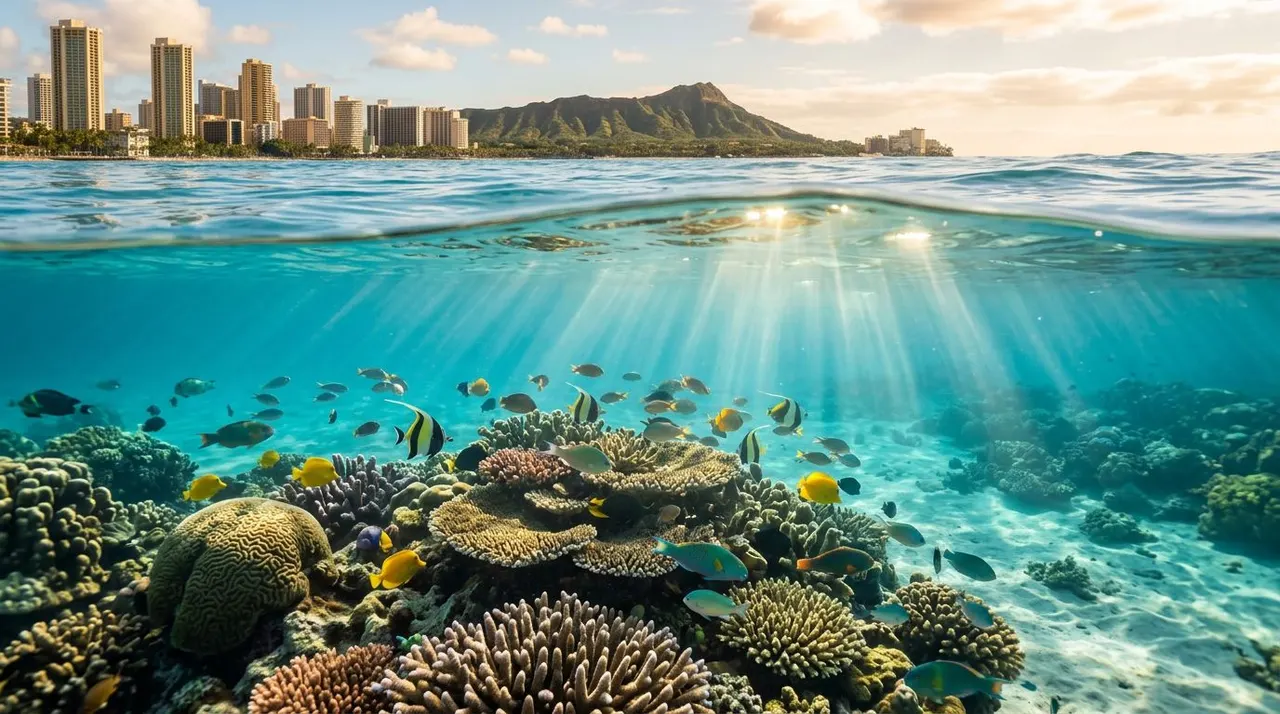
January can bring some of Oahu’s clearest sunshine and its most changeable ocean conditions. If you’re planning snorkeling in Oahu in January, expect comfortable water temperatures, calmer south-shore beaches, and occasional wind, swell, or rain runoff that can reduce visibility.
The best plan gives you flexibility. Choose the right coastline, check the water before entering, and consider a guided boat trip when you want professional advice and access to clearer offshore water.
Key Takeaways
- Oahu’s January water averages about 76°F, while Waikiki often feels closer to 74 to 75°F.
- South-shore locations near Waikiki usually offer the most dependable winter snorkeling.
- North Shore and windward beaches can develop large surf, strong currents, and poor visibility.
- Early morning often brings lighter winds, calmer seas, and better visibility.
- A professional crew can adjust your snorkeling location when beach conditions change.
What January Water Feels Like Around Oahu
You won’t face icy water in Hawaii. January is the coolest part of the year, but Oahu’s ocean remains comfortable for most swimmers. Around Waikiki, water temperatures typically sit near 74 to 75°F. Across Oahu, the January average is about 76°F.
The first few minutes may feel fresh, especially when you enter from a shaded beach or climb into the water before the sun warms your skin. Most visitors adjust quickly. A rash guard adds comfort during a longer session, and a thin wetsuit top can help if you get cold easily.
Temperature is only one part of the snorkeling experience. Winter swells and trade winds can stir sand near shore, creating hazy visibility even when the sky looks clear. After several calm days, you may see excellent conditions. After a windy period or large swell, the same location can look cloudy and feel rough.
Rain also matters. Heavy rainfall can send runoff toward the coast, especially near streams and low-lying beaches. Brown or cloudy water is a good reason to wait, move locations, or choose an offshore site. The winter conditions guide for Honolulu offers additional information about seasonal weather and water temperatures.
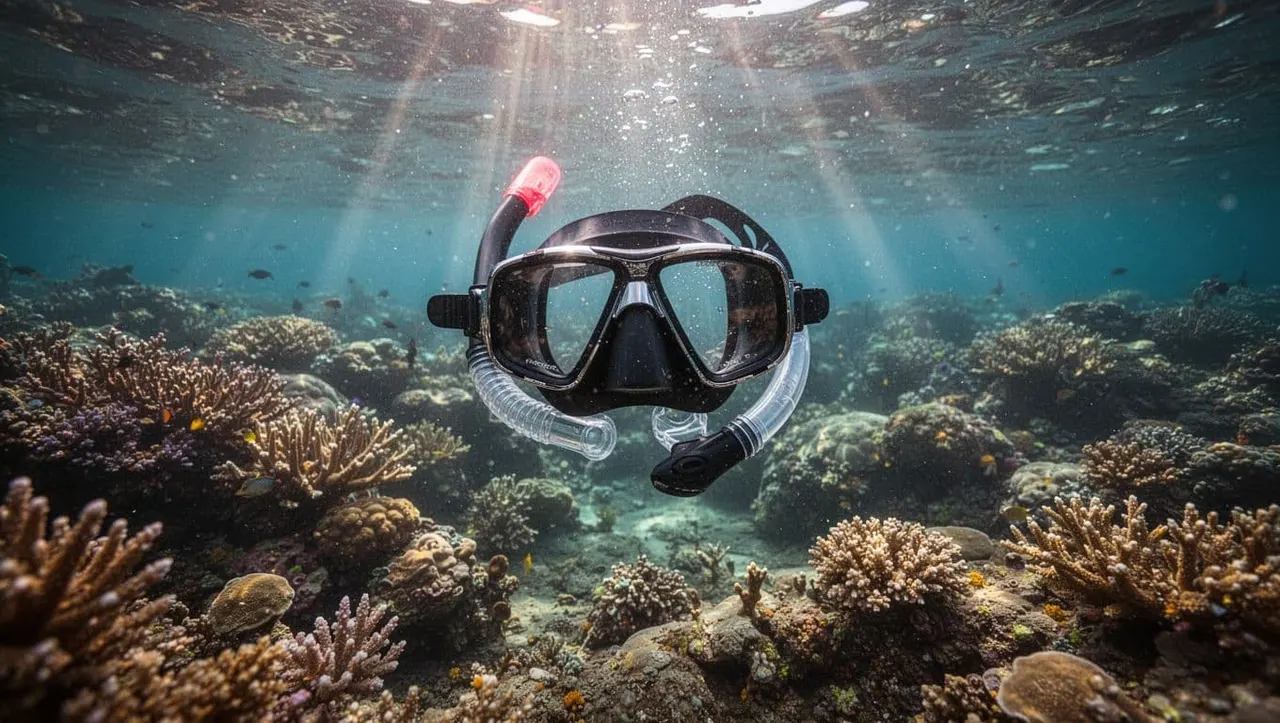
January snorkeling can be excellent, but you should judge the ocean each day instead of relying on the calendar alone.
Where to Snorkel on Oahu in January
Your choice of coastline makes a major difference during winter. Oahu’s south shore, including Waikiki and the area near Kewalo Basin, usually offers the most consistent conditions because it receives less direct winter swell than the North Shore.
Waikiki’s protected sections can work well for beginners, families, and casual swimmers. However, visibility varies between beaches. A calm-looking shoreline may still have murky water after rain, while a nearby offshore reef may remain clear.
The North Shore is famous for winter surf, not beginner snorkeling. Large waves and powerful shorebreak can make beaches near Haleiwa and the Seven Mile Miracle unsafe for casual water entry. You should never enter because the beach looks beautiful or because other people are watching the waves from shore.
Windward Oahu can also become rough in January. Areas along the eastern coast often receive stronger wind and more exposed ocean energy. Conditions may change quickly, especially when clouds build over the mountains and rain reaches the coast.
Boat snorkeling gives you more flexibility. Rather than committing to one beach, your captain and guides can assess the ocean and select a suitable reef. You can explore guided Hawaii snorkeling trips when you want equipment, local direction, and a planned experience near Waikiki.
Early morning is often the strongest time to snorkel. Winds commonly build later in the day, and boat traffic can increase near popular reefs. An early start may give you smoother water, better visibility, and a quieter experience.
How Wind, Swell, and Rain Change Your Plans
Winter ocean conditions don’t change according to a simple schedule. A sunny January morning can become windy by lunch, while a cloudy day may still offer calm water. Before you leave, check the forecast, beach warnings, and recent rainfall.
High surf is most common on Oahu’s north-facing shores during winter. Large swells can also wrap around exposed points and affect areas that usually feel calm. Strong wind creates surface chop, which makes it harder to keep your face in the water and can quickly tire inexperienced swimmers.
Rain runoff causes a different problem. Even gentle waves may hide poor visibility after a heavy storm. Murky nearshore water also makes it harder to see reef contours, fish, and turtles. Give runoff time to clear, especially near stream outlets.
The Hawaii Ocean Safety division advises you to avoid snorkeling during high surf, high winds, heavy shorebreak, or strong currents. Its official snorkeling safety guidance also recommends checking conditions before entering and asking lifeguards when you’re unsure.
A guided trip helps when conditions are uncertain, but it doesn’t cancel ocean safety rules. A responsible operator may delay entry, move to another site, shorten the water portion, or cancel when conditions aren’t suitable. Those decisions protect you and the reef.
Why a Guided Boat Tour Helps in January
Living Ocean Tours departs from Kewalo Basin Boat Harbor, just minutes from Waikiki Beach. The company focuses on guided ocean experiences along the Waikiki coastline, with Coast Guard-inspected vessels, shaded seating, restrooms, dry storage, and sturdy ladders for easy water entry.
Living Ocean Tours is the only tour company with professional snorkel guides. That matters when you are visiting in January because experienced guides can explain current conditions, help beginners with equipment, and point out safer entry and exit procedures.
The signature Turtle Canyon Snorkel Tour visits a natural Hawaiian green sea turtle cleaning station. The company reports a 95% success rate for turtle sightings. You still need to observe wildlife without touching, chasing, or blocking its path.
The tour suits first-time snorkelers as well as confident swimmers. Your guides provide gear and direction, while the boat gives you a comfortable place to rest between water sessions.
For families and groups who want more activities, the Deluxe Waikiki Snorkeling and Wildlife Cruise visits a less-crowded reef and includes a boat-mounted waterslide, water trampoline, and floating lily pad. The Lokahi also features a SeaKeeper stabilization system, which helps reduce side-to-side rolling for a steadier ride.
That added stability can make a difference if you worry about seasickness. You can also choose shaded seating, take breaks whenever you need, and let the crew help children with safe ladder use.
What to Bring, and What to Do if You Get Cold
Pack a rash guard, reef-safe sun protection, a towel, dry clothes, and a waterproof phone case. January sunshine can feel strong even when the air is mild. Bring water as well, particularly if you’ll spend several hours outdoors.
Anti-fog solution helps you keep a clear view through your mask. If your mask begins leaking, ask a guide for help rather than repeatedly adjusting it in choppy water. Fins should fit securely without causing pressure on your toes or ankles.
Never stand on coral. Even shallow reef areas contain living organisms that can break under your weight. Keep your hands off turtles, fish, coral, and other marine life. Do not feed animals, and maintain space when a turtle swims near you.
If you feel dizzy, disoriented, short of breath, or uncomfortable, remove your snorkel equipment and signal for help. You can rest on the boat or exit the water with assistance. Staying within your comfort level is part of having a safe, enjoyable day.
January is also the heart of humpback whale season. Whales typically visit Hawaiian waters between December and April, with the strongest activity often occurring between mid-January and early March. You may spot a blow, breach, or tail from the boat while traveling to a snorkeling site.
For a dedicated wildlife experience, Living Ocean Tours offers a Waikiki whale watching tour. Keep in mind that boats must stay at least 100 yards from humpback whales. Respectful viewing protects the animals and gives you a better chance to watch natural behavior.
January Snorkeling Works Best With Flexibility
Snorkeling Oahu in January gives you warm Pacific water, active marine life, and a chance to combine reef time with whale watching. The tradeoff is changing visibility, wind, swell, and rain runoff.
Choose protected south-shore water, plan for an early start, and check conditions before you enter. When you want expert guidance and a steadier boat experience, a professional crew can help you enjoy the ocean while respecting its limits.


