
Snorkeling Oahu Insulin Pump: Boat Day Questions
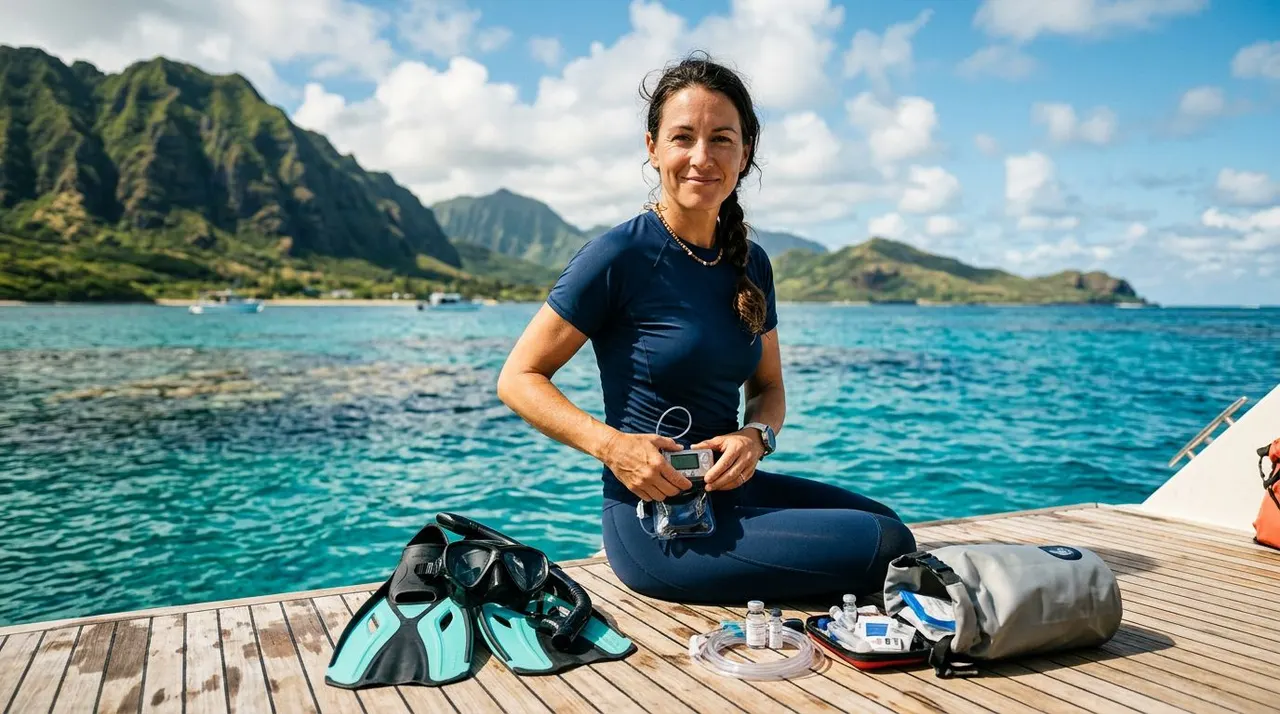
An ocean day shouldn’t become a guessing game when you’re managing type 1 diabetes. If you’re searching for snorkeling Oahu insulin pump advice, start before you reach the harbor by checking your device’s water rating, planning glucose monitoring, and reviewing your backup plan with your diabetes care team.
Oahu boat trips add sun, salt water, exercise, and time away from your supplies. Those details can affect your routine, but they don’t have to keep you off the reef. Begin with the questions that protect your health and make the day easier.
Snorkeling Oahu Insulin Pump: Can You Wear Your Device?
The answer depends on your exact pump, infusion set, patch pump, and manufacturer’s instructions. Some pumps are waterproof within specific limits. Others are water-resistant only, and some require disconnection before swimming.
Never assume that a waterproof pump is safe at every depth. A device may have a depth rating, time limit, or other conditions that apply only when the pump is intact and properly sealed. Salt water, pressure, heat, and worn seals can also create problems.
A pump’s water rating applies to a specific model and its stated limits. It doesn’t automatically cover your phone, receiver, infusion site, or every accessory in your diabetes setup.
Review the current instructions for your pump before your trip. Medtronic’s swimming guidance for diabetes explains why you need to protect both the pump and glucose-monitoring equipment around water.
What if you need to disconnect?
Some people disconnect their tubed pump before entering the ocean. Others use a water-rated device or a patch pump that stays attached. Your endocrinology team should help you decide what fits your treatment plan.
Ask about:
- How long you can safely disconnect the pump.
- Whether you need a replacement dose or another insulin plan.
- How often you should check glucose while disconnected.
- What to do if your blood sugar rises after swimming.
- When you should stop the activity and seek medical help.
Some diabetes swimming guidance recommends limiting pump disconnection to about two hours, but your own device instructions and clinical plan take priority. Don’t suspend insulin or change a dose based on a general travel tip.
If your pump stays on your body, secure the infusion site and keep loose tubing under your swimwear. If you disconnect, place the pump in a sealed, labeled dry pouch away from direct sun and spray. Keep it with a responsible adult, not unattended on a dock or open boat deck.
Questions to Ask Before Booking an Oahu Snorkel Boat
A short call with the operator can answer practical questions that a booking page may not cover. You don’t need to share every medical detail, but tell the crew about any support you may need during boarding, water entry, or reboarding.
Ask how long guests usually spend in the water and whether you can return to the boat early. A planned exit matters if you need to check your glucose, treat a low, replace equipment, or warm up in the shade.
Find out where you can store insulin, snacks, a glucose meter, spare sensors, and backup infusion supplies. A dry storage area protects equipment from spray, but insulin also needs protection from excessive heat and direct sunlight. Bring your own sealed pouch if you prefer to keep critical supplies beside you.
Boat access matters as well. Ask about the boarding ramp, ladder height, handrails, shaded seating, restroom access, and how crew members assist guests who need extra time. Reboarding after snorkeling can take more effort than entering the water, especially when the ladder is wet or the sea is moving.
You should also ask:
- Can you bring a small medical dry bag on deck?
- Is there a freshwater rinse for saltwater equipment?
- Can the crew alert your travel companion if you feel low?
- Does the boat have a stable platform for checking your glucose?
- Where should emergency supplies stay so they’re reachable?
Crew members aren’t a replacement for your medical team. Still, professional staff can help you stay visible, find shade, notify your companion, and return you to the boat when needed.
Build a Two-Part Boat Day Plan
Good snorkeling Oahu insulin pump preparation uses two separate plans. The first covers the equipment you expect to use. The second covers what happens if that equipment gets wet, loses signal, peels off, or stops working.
Pack your regular supplies in a small waterproof pouch, then pack a second backup kit in a separate dry bag. Include the items your care team recommends, such as:
- Blood glucose meter, strips, and lancets.
- Fast-acting treatment for low blood sugar.
- Spare infusion set, reservoir, pod, or sensor supplies.
- Backup insulin and delivery method.
- Charged phone or receiver, if part of your monitoring plan.
- Glucagon, if prescribed, with instructions your companion understands.
Keep fast-acting glucose where you can reach it quickly. A snack buried beneath towels and snorkel gear isn’t useful during a low. Tell your companion where the treatment is stored and what signs should prompt them to get crew assistance.
Your CGM may continue working in and around the water, but the signal can drop when the sensor and receiver are separated. A phone or receiver also may not have the same water protection as the sensor. Don’t depend on a screen you can’t access or a connection that may disappear underwater.
Check glucose according to your personal plan before boarding, before entering the water, and after the activity if your care team recommends those checks. Sun, swimming, walking, stress, meals, and alcohol on other types of boat trips can affect glucose differently. Use the plan you already follow instead of guessing at doses.
The Type 1 diabetes swimming preparation guide also emphasizes planning ahead for pump disconnection and water activities.
Choosing a Comfortable Waikiki Boat
The boat itself can make your snorkeling day easier. A stable deck, nearby restroom, shade, dry storage, and a sturdy ladder reduce the number of problems you need to solve once you’re offshore.
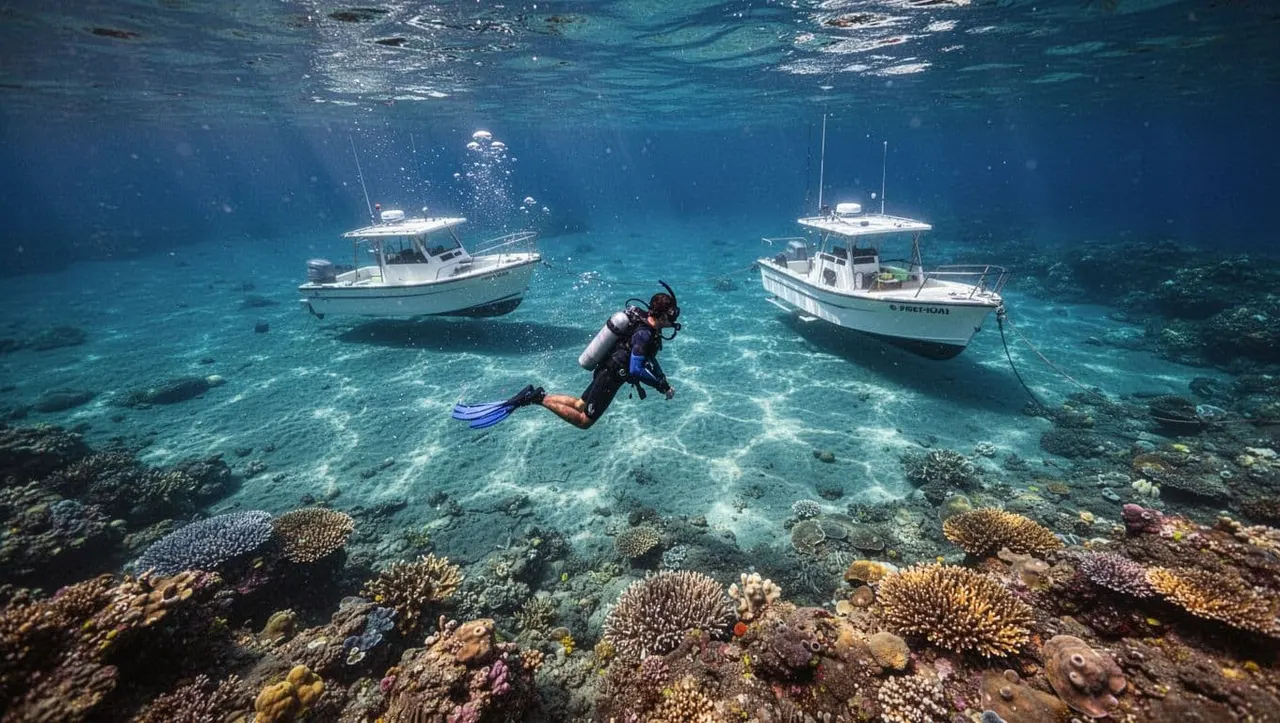
Living Ocean Tours departs from Kewalo Basin Boat Harbor, a short drive from Waikiki Beach. Its Coast Guard-inspected double-decker vessels, the Coral Kai and the Lokahi, include shaded seating, onboard restrooms, dry storage, and heavy-duty ladders for water entry and reboarding.
The Lokahi has a SeaKeeper stabilization system that reduces rolling. That can be helpful if you want a steadier place to monitor glucose, organize supplies, or take a break between water sessions. The Coral Kai offers spacious open-deck areas for guests who prefer more room and fresh air.
Living Ocean Tours is the only tour company with professional snorkel guides. The crew provides guidance for beginners and helps guests stay aware of reef conditions, boat boundaries, and safe water entry. You can explore Living Ocean Tours excursions and contact the team with pump-related questions before choosing a departure.
For a Turtle Canyons Snorkel Excursion, ask whether the planned water time fits your personal monitoring schedule. The tour visits a natural underwater cleaning station where Hawaiian green sea turtles are often seen. Living Ocean Tours reports a 95% success rate for turtle sightings, although wildlife encounters always depend on nature.
Stay close to your guide, observe turtles without touching them, and avoid standing on coral. Protecting the reef is part of a safe and respectful Oahu snorkeling experience.
If this tour fits your medical plan and travel schedule, you can CHECK AVAILABILITY.
What to Do if Something Goes Wrong Offshore
If your pump gets wet, disconnects unexpectedly, or stops communicating with your receiver, leave the water and tell your companion and guide. Move to a shaded, dry area and follow the instructions from your diabetes care team and device manufacturer.
Check your glucose using your meter if your usual CGM display isn’t available. Treat a low with the fast-acting carbohydrate you packed. If your pump has been disconnected, don’t make up a replacement dose unless that action is part of your prescribed plan.
High glucose with ketones, vomiting, confusion, severe weakness, trouble breathing, or an inability to keep fluids down requires urgent medical attention. A boat crew can help you return to shore and contact emergency services, but they can’t create a treatment plan for your pump.
Before departure, save your doctor’s contact information and your pump manufacturer’s support number. Keep your supplies organized so you can explain the situation quickly if you need help.
A Better Way to Plan Your Snorkel Day
Snorkeling Oahu insulin pump logistics become manageable when you answer the device, monitoring, storage, and emergency questions before boarding. Confirm your pump’s water limits, ask your clinician about disconnection, pack two supply kits, and tell your companion where everything is stored.
A comfortable boat and experienced snorkel crew add practical support, but your personal diabetes plan remains the foundation. With that plan ready, you can focus on clear water, reef fish, and Hawaiian green sea turtles while respecting the ocean that makes the day possible.


