
Snorkeling Oahu: How Sun Glare Changes Your Reef View
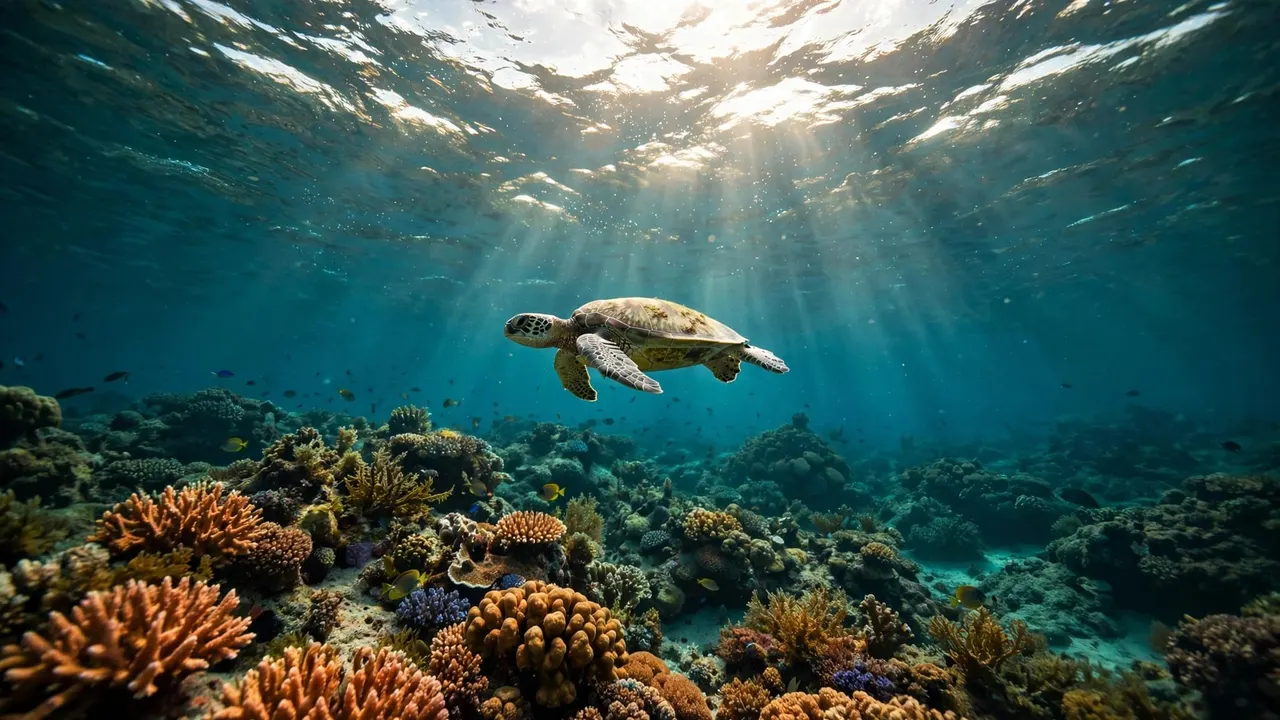
A bright ocean can hide the very thing you came to see. When you’re snorkeling Oahu, sunlight flashing across the surface may make a reef look washed out, even when the water below is fairly clear.
Living Ocean Tours takes guests to Waikiki reef habitat with professional snorkel guides in the water. Wherever you enter, your viewing angle and the day’s conditions matter as much as sunshine. A few small adjustments can help you spot fish and turtles without losing sight of your group or the route back.
Why sun glare matters when you’re snorkeling Oahu
Surface glitter can overwhelm your view
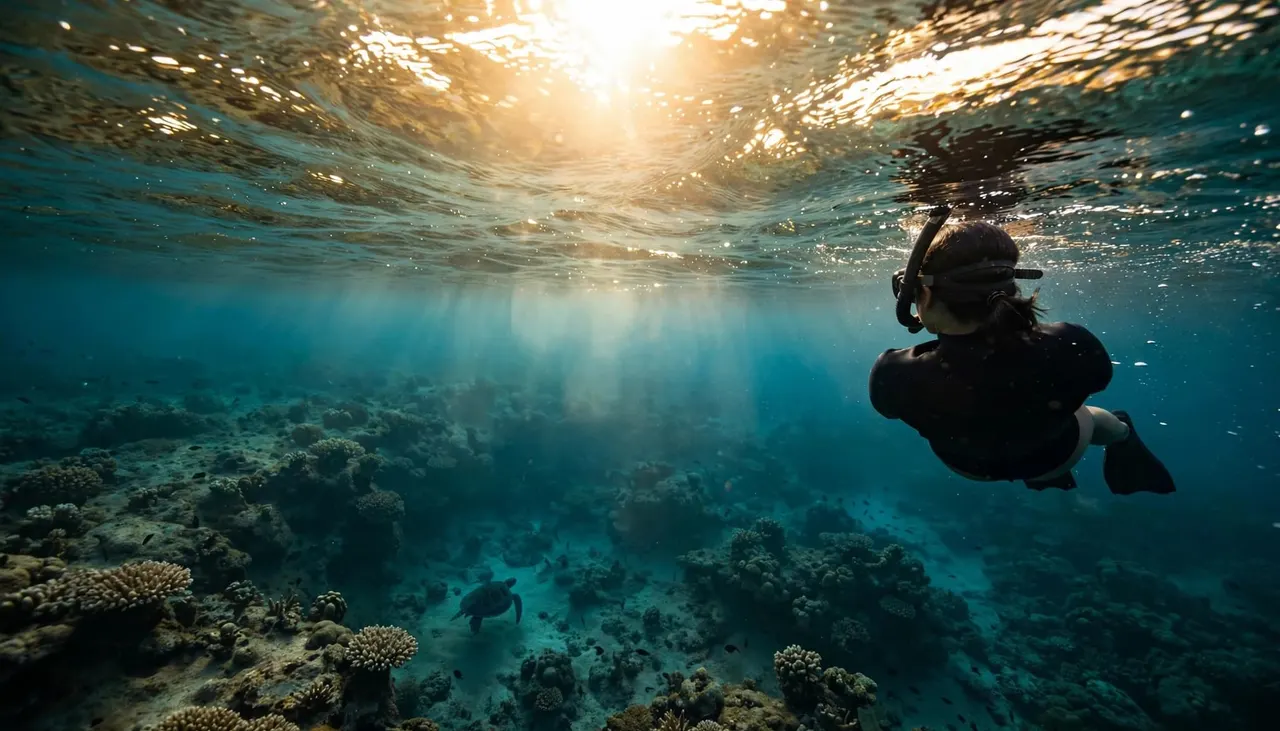
Small waves tilt in different directions. Each ripple can reflect sunlight toward your eyes for an instant, creating the shifting bright path that NOAA describes as glittering light on water. You’ll notice it most when you lift your face or look toward a sunlit stretch of surface.
That brightness can make shapes beneath the water harder to pick out. A turtle may be swimming over the reef while you’re looking through a patch of dazzling reflections. Turn your gaze slightly, and the same area may become easier to read.
Brightness isn’t the same as water clarity
Once your mask is submerged, you’re looking through water rather than across its reflective surface. Sunlight still affects underwater color and contrast, but surface glitter isn’t a measure of how clear the water is.
Suspended sand or runoff can reduce visibility even when the surface looks smooth. Conversely, clear water may offer a good view below while the surface sparkles above. NOAA’s explanation of light in the ocean makes the broader point: how far light travels depends on conditions in the water. A sunny sky alone can’t tell you what you’ll see through your mask.
Pick a departure for the ocean, not just the clock
Morning light changes your viewing angle
An earlier snorkel can suit families who want fresh energy and time for other plans afterward. At some sites, morning sun may sit low enough to shine into your line of sight. Where you face and how the surface moves will affect how much glare you notice.
Mornings may also bring smoother water before winds strengthen, but that’s a possibility, not a promise. Check the day’s forecast and listen to the crew rather than treating an early ticket as a visibility guarantee.
Midday brightness has trade-offs
Higher sun can illuminate shallow sand and reef features. It can also create intense bright patches on the surface, especially if waves direct reflected light toward you.
If your plans allow a choice, weigh everyone’s swimming comfort alongside the light. A rested group in manageable water will notice more than a tired group chasing a supposedly perfect hour. Neither morning nor afternoon guarantees clear water or a wildlife sighting.
Adjust your position without chasing a better view
Change where you look first
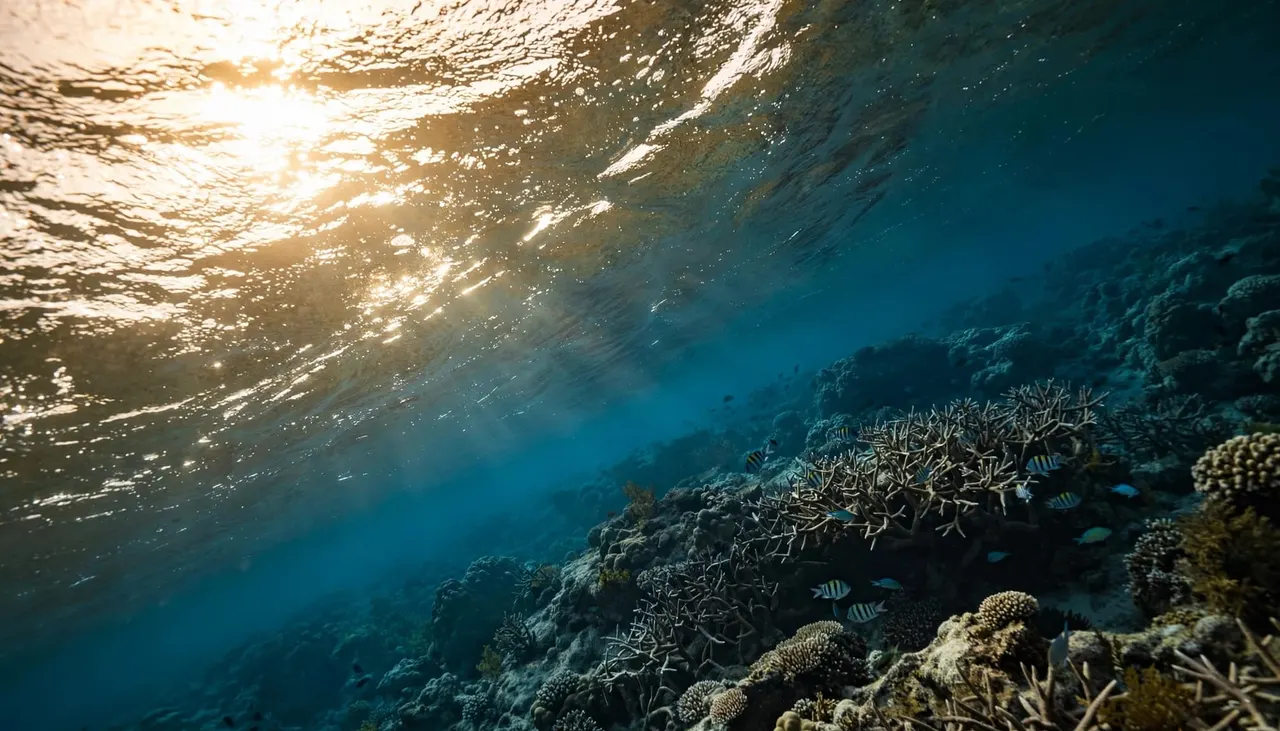
If a bright patch obscures the reef, pause and scan a different direction. Keep your face comfortably in the water, then look across the reef as well as straight down. A small change in viewing angle may move a distracting reflection away from what you’re watching.
Let your eyes adjust before deciding an area is empty. Reef fish can blend into darker coral, while a pale sandy patch may look unusually bright beside deeper blue water. Watch the boundary between those areas to get a better sense of the bottom’s shape.
A clearer-looking view isn’t permission to swim farther. Keep your guide, buddy, and exit in sight when you change direction.
Hold still long enough to identify movement
When something passes at the edge of your vision, stop kicking for a moment. Moving fish, shifting shadows, and sunlit ripples can look similar at first glance. A steady float gives you time to tell them apart.
If you spot a turtle, let it set the distance. Don’t follow it into deeper water, block its route to the surface, or crowd it for a photo. The best view is one you can enjoy while the animal moves naturally.
Check your mask before blaming the sun
A clean seal sharpens the picture
A leaking or fogged mask can make the whole reef look hazy. Before you leave the boat or beach, adjust the strap so the skirt rests evenly against your face. Keep hair clear of the seal, and ask for help if water keeps entering.
Follow your guide’s or equipment maker’s directions for preventing fog. If your mask clouds up during the swim, pause where you can stay with your group and clear it safely. Squinting through fog won’t tell you whether visibility has changed.
Sunglasses help above water, not through your mask
Polarized sunglasses can reduce reflected glare while you watch the water from shore or the boat. They don’t solve the same problem once you’re wearing a snorkel mask underwater. A dark lens or tinted mask can also make shaded reef details harder to see.
For snorkeling Oahu reefs, prioritize a comfortable mask fit and an unobstructed view. Keep sunglasses handy for the boat ride, and avoid looking directly at the sun while you assess the water.
Tell glare apart from a genuine visibility problem
Wind and waves can change the view
Choppy water creates more moving reflections at the surface. Waves may also stir sand in shallow areas, which changes the water you look through. If visibility drops after repeated waves reach a shoreline, changing your angle won’t remove the suspended particles.
Recent rain can add runoff near shore. Treat brown or murky water as a reason to stay out, not a challenge to fix with better gear. Strong shorebreak and heavy chop deserve the same caution, even under a cloudless sky.
Make a same-day safety check
Before a shore entry, watch several waves and identify an easy route back. Look for warnings, ask a lifeguard about current conditions when one is present, and agree on a turn-back point with your buddy. At a rocky site, pay close attention to the exit as well as the entry.
For a boat trip, tell the crew about your swimming comfort and any gear concerns before getting wet. Conditions can change during an outing, so follow their directions if they move the group or call swimmers back. Safety takes priority over a clearer photograph.
Get guided reef time with Living Ocean Tours
Start with support in the water
Living Ocean Tours departs from Kewalo Basin Boat Harbor, minutes from Waikiki. The company says it’s the only tour company with professional snorkel guides, who enter the water with guests. That support is useful when you’re learning to fit a mask, settle into surface breathing, or interpret what you’re seeing below.
Tell your guide if glare, fog, or changing visibility makes you uncomfortable. You can stay near the group and adjust at a manageable pace. The company’s boats provide shaded seating and ladders for getting back aboard.
Visit Turtle Canyon for a reef-focused swim
The Turtle Canyons Snorkel Excursion takes you offshore from Waikiki to a reef area known for Hawaiian green sea turtles. Your guide can help you find a comfortable place in the group and point out marine life without encouraging anyone to chase it.
A turtle sighting is never guaranteed, and sun glare won’t follow a schedule either. If this is the reef experience you want, CHECK AVAILABILITY for a departure that gives your group time to arrive, hear the briefing, and get comfortable.
Match the snorkel site to your skills
A boat-access reef and a shore entry ask different things of you. Turtle Canyon gives you a boat, a briefing, and a crew-managed return route. If you’re new to open-water snorkeling, that structure can take some uncertainty out of the day.
Hanauma Bay is a shore-based option that requires advance planning. On the North Shore, Shark’s Cove and Three Tables have rocky entries and exposure to seasonal swell. A famous site isn’t a good choice when the entry or exit exceeds your comfort level.
Wherever you’re snorkeling Oahu, inspect the water you actually find. Look for breaking waves, stirred-up sediment, and a route you can swim without touching coral. Leave room in your vacation plans to wait for better conditions rather than forcing your only snorkel session into a poor afternoon.
Key takeaways for a clearer reef view
- Surface glitter can obscure what you see from above, but it doesn’t prove the water below is murky.
- Pause and change your viewing direction before swimming after a shape you can’t identify.
- Check mask fit and fog, then assess wind, waves, and runoff if the view remains hazy.
- Choose your entry and departure around current conditions and your group’s comfort, not a guaranteed “best” hour.
- Give turtles and reef life space, even when a clearer view tempts you closer.
Common questions about sun glare and snorkeling
Is snorkeling Oahu better in the morning?
Morning may suit your schedule and sometimes brings smoother water. However, sun angle, wind, swell, and runoff vary by day and location. Check conditions for your chosen site rather than relying on the clock.
Will polarized sunglasses improve my underwater view?
They can cut reflected glare while you’re above water. Once your face is submerged in a snorkel mask, fit, fog, available light, and water clarity matter more. Don’t assume darker lenses will improve a shaded reef view.
What if I can’t see the bottom clearly?
Stay with your buddy or guide, pause, and check whether your mask has fogged. If the water itself looks murky, you lose sight of your group, or you can’t judge your route back, end the swim and tell the crew or lifeguard.
Enjoy the reef you can safely see
The next time the ocean sparkles too brightly, give your eyes a moment before you move. A better angle or a clear mask may reveal the reef beneath the glare.
If wind, runoff, or waves are the real problem, wait for better water. The most memorable view is one you can enjoy while staying comfortable, close to your group, and respectful of the wildlife below.


