
Snorkeling Oahu February: Read the Winter Swell
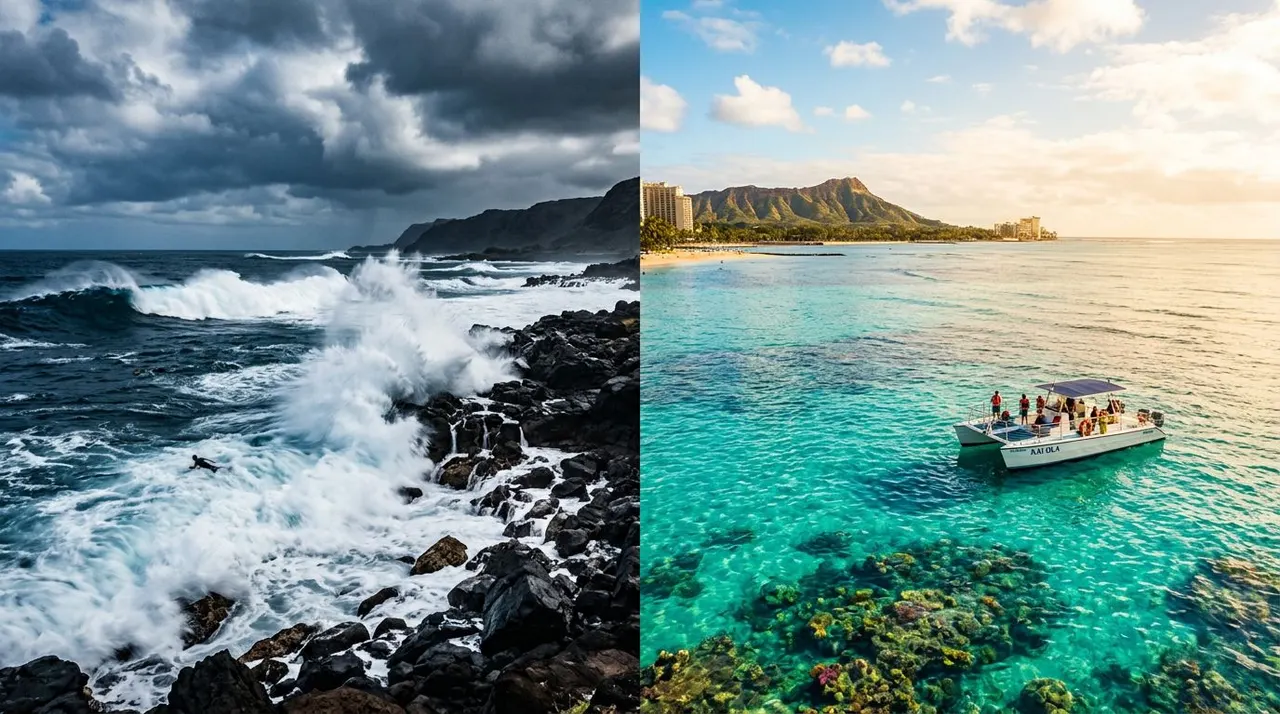
February gives Oahu a split personality. The North Shore can produce huge winter surf, while Waikiki and the South Shore often offer calmer water for snorkeling. If you’re researching snorkeling Oahu February conditions, the coast you choose matters more than the calendar.
Living Ocean Tours departs from Kewalo Basin Boat Harbor, minutes from Waikiki Beach, with professional snorkel guides, stable double-decker vessels, and tours suited to beginners, families, and experienced swimmers. Choose the sheltered side of the island, check conditions before entering, and you can enjoy excellent reef time during winter.
Snorkeling Oahu February: Choose the Sheltered Coast
February falls within Oahu’s winter surf season, which generally runs from October through April. The strongest North Shore swells often arrive between December and February. During large events, waves can reach 30 feet or more.
The South Shore has a different pattern. Waikiki is more protected from the dominant north and northwest swells, so its water is usually calmer for boat-based snorkeling. Rain, wind, and occasional long-period swells can still reduce visibility, but the conditions are often more manageable.
| Oahu area | Typical February conditions | Best approach |
|---|---|---|
| North Shore | Large surf, strong currents, heavy shorebreak | Watch from shore unless conditions are unusually calm |
| Waikiki and South Shore | More sheltered water, occasional runoff or swell | Choose a guided snorkel trip and check the morning forecast |
| West Oahu | Often calmer than the North Shore | Consider a protected reef or boat tour |
| Turtle Canyon | Year-round snorkeling area with variable winter visibility | Book with an experienced local crew |
That distinction shapes every snorkeling Oahu February plan. You aren’t choosing between two equally suitable coastlines. You’re choosing the side of Oahu that matches the season.
Why North Shore Swell Changes February Plans
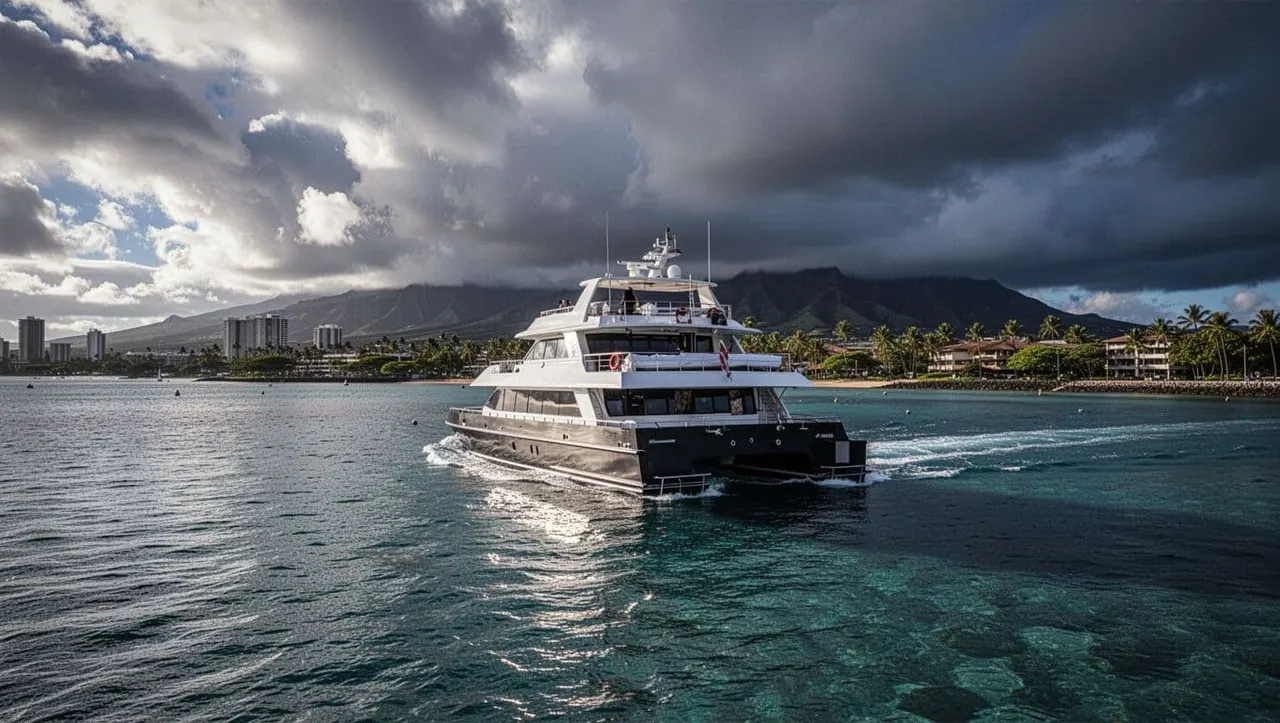
The North Shore is one of the world’s famous winter surf destinations, but that reputation comes with serious safety concerns. Beaches near Waimea Bay, Pipeline, Pupukea, Three Tables, and Shark’s Cove can become dangerous when large swell arrives.
A calm-looking entry point can still have powerful surge, fast-moving currents, and waves breaking over shallow reef. The surface may appear inviting between sets, yet the next wave can change the entire shoreline.
North Shore snorkeling in February is therefore a poor choice for casual swimmers on most days. Even experienced ocean users should assess the actual conditions, not rely on a beach’s summer reputation. Some coves can work during rare calm periods, but winter swell can build quickly.
A North Shore cove that looks calm at breakfast may become unsafe after the swell rises later in the day.
Before entering any water, read Hawaii Ocean Safety’s snorkeling guidance. The agency lists high surf, high winds, heavy shorebreak, and strong currents as poor snorkeling conditions.
If you want to see the famous winter waves, stay well back from the shoreline and follow posted warnings. Never turn a surf-viewing stop into an unplanned swim.
Why Turtle Canyon Works Better in Winter
Turtle Canyon sits off Oahu’s South Shore near Waikiki, where winter conditions are often more suitable for snorkeling. The site is known for Hawaiian green sea turtles, tropical fish, and a natural underwater cleaning station. Visibility can change after rain or a passing front, but the area remains a popular year-round snorkeling destination.
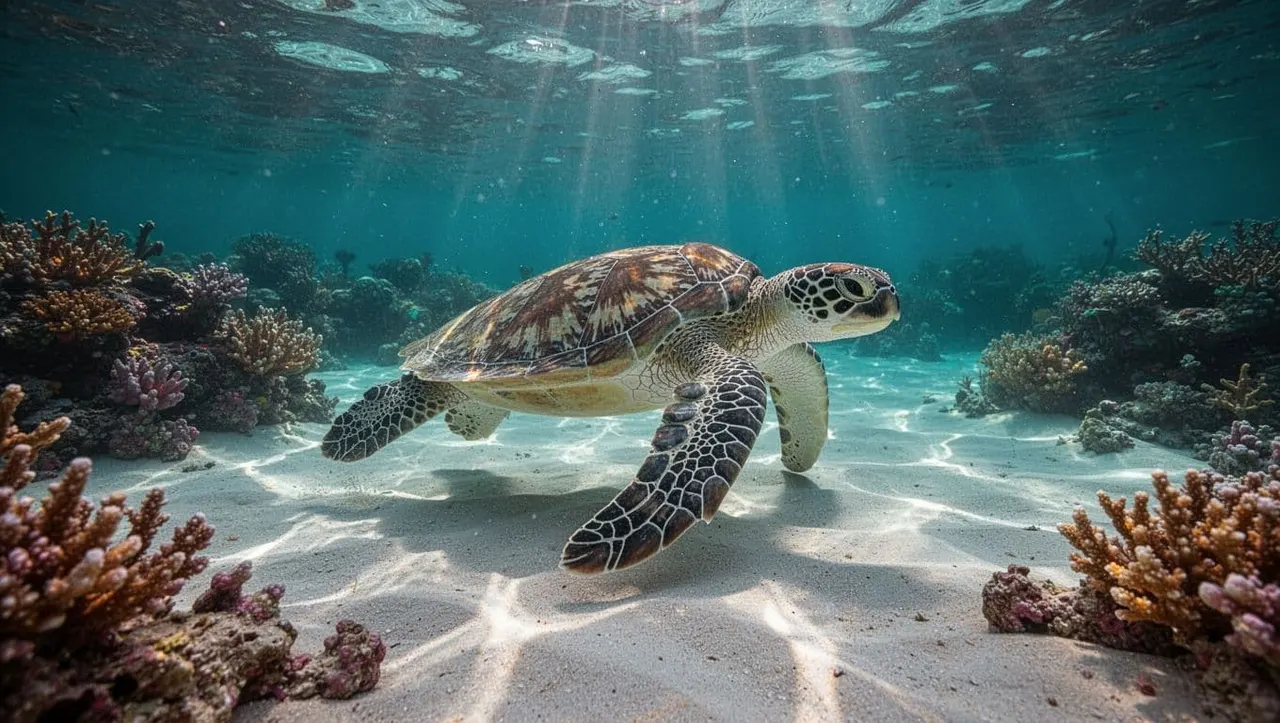
Living Ocean Tours reports a 95% success rate for spotting Hawaiian green sea turtles on its Turtle Canyons Snorkel Excursion. The crew provides flotation support, safety instruction, and guidance for guests who haven’t snorkeled before. You can view Living Ocean Tours’ Waikiki snorkeling adventures to compare the available ocean trips.
The company is the only tour company with professional snorkel guides. That matters in February because a trained guide can help you understand changing water movement, choose a safe entry, and stay with the group when visibility varies.
Living Ocean Tours operates the Coral Kai and Lokahi, custom-built, Coast Guard-inspected double-decker vessels. Both boats have shaded seating, restrooms, dry storage, and sturdy ladders for easier water entry. The Lokahi also has a SeaKeeper stabilization system that reduces rolling, which can make the ride more comfortable if you are sensitive to motion.
The boats leave from Kewalo Basin Boat Harbor, so you can reach the departure point quickly from Waikiki hotels. You spend less time driving across the island and more time enjoying the coast.
For a direct turtle encounter, read about the Turtle Canyon Snorkel Tour and look for a morning departure. Earlier trips often offer better light and calmer wind before afternoon conditions develop.
Read the Water Before You Enter
A smart snorkeling Oahu February itinerary includes a same-day condition check. Forecasts made several days ahead can help with planning, but the ocean can change after a front, wind shift, or new swell.
Look at more than the wave height. Check the swell direction, swell period, wind speed, visibility, current, and any high-surf advisory. Long-period swells can carry more energy than their height suggests. Brown or cloudy water is another reason to postpone, especially after heavy rain.
February is part of Hawaii’s wetter season. Rain runoff can carry sediment and pollutants into nearshore water, which reduces visibility and may affect water quality. After heavy rain, wait for the water to clear and follow local health or beach advisories before snorkeling.
If you arrive at a beach and see strong shorebreak, whitewater across the entry, or swimmers struggling to stay in place, choose a different plan. Your vacation does not need to depend on one beach or one time slot.
A guided boat tour gives you another option. Professional snorkel guides monitor the conditions and explain how to use the ladder, flotation equipment, and mask. Beginners should tell the crew about their comfort level before entering the water. You can enjoy the reef without pretending to be a stronger swimmer than you are.
What to Pack for a Comfortable February Tour
Oahu’s winter water is usually in the low to mid-70s Fahrenheit. Many swimmers find it comfortable, but you may feel cool after extended time in the water. Pack a rash guard or thin neoprene top, especially if you get cold easily.
Bring reef-conscious sun protection, a hat for the boat, a towel, drinking water, and a dry change of clothes. Use the vessel’s dry storage for phones and other items, but keep valuables to a minimum.
If seasickness concerns you, choose a seat with a clear view of the horizon and avoid a heavy meal before departure. The Lokahi’s stabilization system provides added comfort, although no boat can remove all motion in open water.
Families may prefer the Deluxe Waikiki Snorkeling and Wildlife Cruise. It visits a less-crowded reef and includes a boat-mounted waterslide, water trampoline, and floating lily pad. Children ages 3 and older can enjoy the boat’s amenities, while the crew helps guests prepare for the water.
In the water, keep your distance from turtles and fish. Observe, don’t touch, chase, feed, or block an animal’s path. Responsible snorkeling protects the reef and gives wildlife room to behave naturally.
Conclusion: Plan Around the Swell
Snorkeling Oahu February can be excellent when you focus on the South Shore, Turtle Canyon, and current conditions. The North Shore is better suited to watching winter surf than entering the water during large swell.
Choose a guided trip with professional snorkel guides, check the forecast on the day of your tour, and pack a light layer for cooler water. With the right coast and a flexible plan, February can give you clear reef views, comfortable boat time, and a respectful encounter with Oahu’s marine life.


