
snorkeling Oahu diabetes: A Pre-Swim Planning Guide
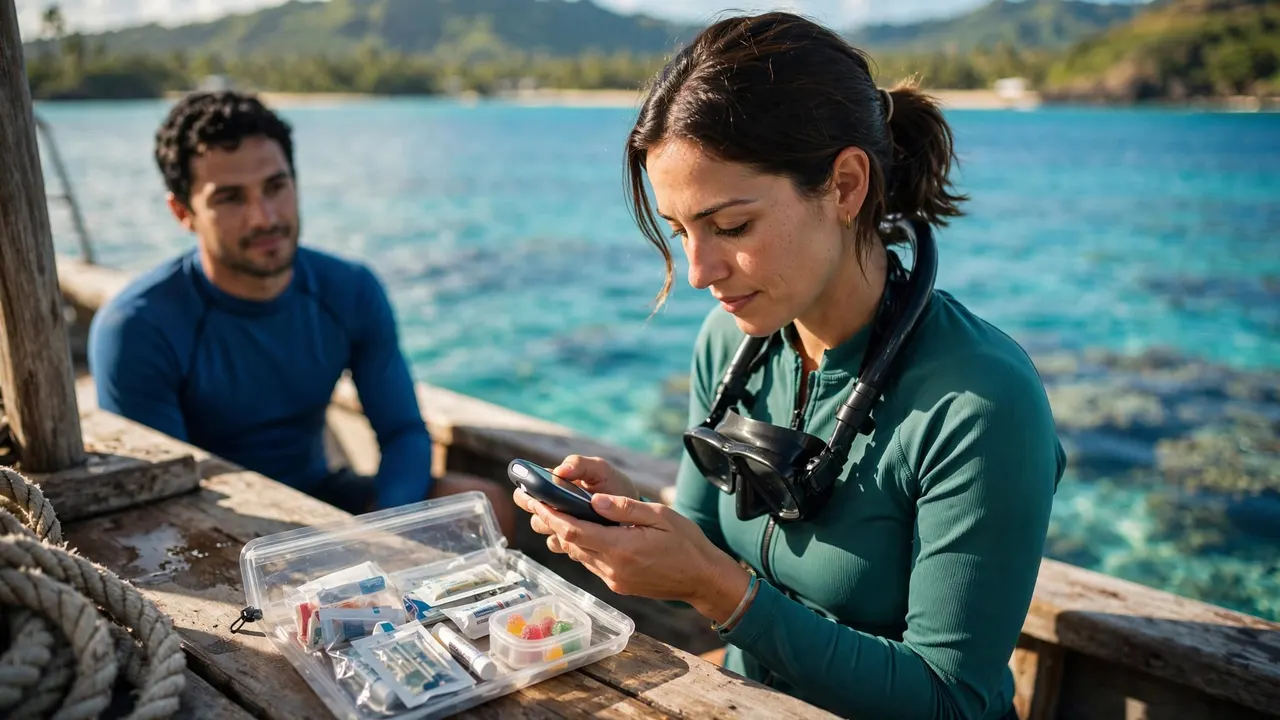
You can snorkel on Oahu with diabetes when you have a personal plan for glucose monitoring, supplies, and getting out of the water safely. Your snorkeling Oahu diabetes plan should account for exercise, ocean conditions, and how quickly you can reach treatment if you need it.
At Living Ocean Tours, we want you to feel comfortable speaking up before and during your swim. Preparation gives you more room to enjoy the reef with your family or favorite travel companion.
Key Takeaways for Your Snorkel Day
A guided outing can offer helpful support, but your diabetes plan starts before you board.
- Talk with your diabetes care team about swimming, medication timing, and your risk of low blood sugar.
- Bring fast-acting carbohydrates, your monitoring supplies, and any prescribed emergency medication.
- Tell your buddy and the crew where your supplies are and how they can help.
- Stay with your buddy, choose manageable conditions, and leave the water if you feel unwell.
- Monitor after your swim, too. Activity can affect glucose for hours afterward.
Build Your snorkeling Oahu diabetes Plan With Your Care Team
Your usual routine is the starting point for a safe day on the water. Snorkeling can involve more effort than it appears to, particularly if you swim against a current or spend a long time using fins.
Discuss Your Personal Risk
Before your trip, talk with your clinician about your plans, especially if you use insulin or another medication that can cause low blood sugar. Explain how long you expect to be active and whether you have had trouble recognizing lows.
Ask for a plan that covers when to monitor, when to eat, and when to postpone swimming. If you have experienced severe lows or have other health conditions that affect exercise, those details belong in the conversation.
Your care team can also help you plan for a change in routine. Travel, a different breakfast time, and an unfamiliar activity can make your usual patterns harder to predict.
Make Medication Decisions Before You Travel
Don’t make an unplanned insulin or medication adjustment on the boat. Your care team can help you decide whether your usual routine needs a change for swimming.
Keep your treatment plan accessible to you and your travel companion. A short written note can be useful if you need help explaining what to do during a low.
Pack Diabetes Supplies for an Oahu Snorkel Trip
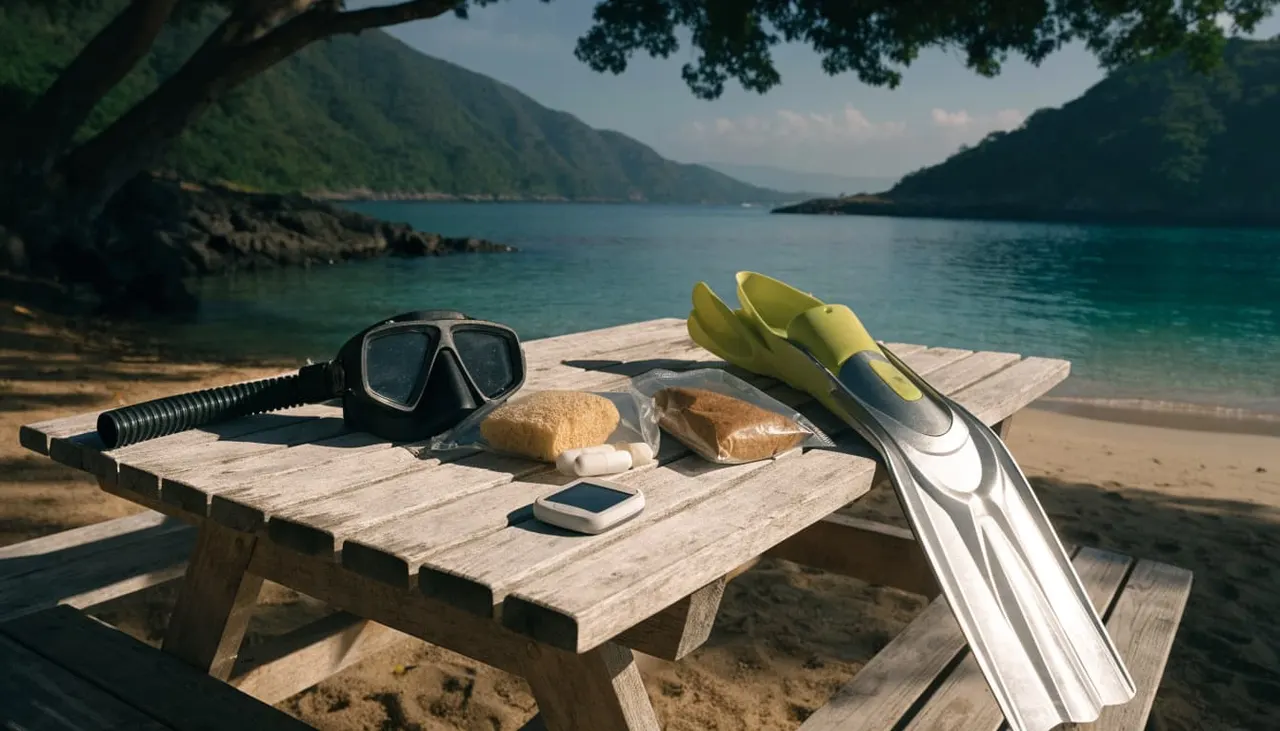
Pack for the entire outing, including the trip to the harbor and your return afterward. Keep supplies together where you and your buddy can reach them quickly.
Keep Treatment Close and Dry
Bring your usual glucose monitoring supplies, fast-acting carbohydrates, water, a snack, and any emergency medication prescribed for you. A waterproof pouch or dry bag can protect supplies on the boat. Keep them out of direct sun and follow the storage instructions for your medication.
Tell your buddy and a crew member where the bag is. If you carry glucagon, show your companion where to find it and discuss how to use it before you leave the harbor.
Plan for Monitoring Near the Water
If you use a continuous glucose monitor, its trend information can help you follow changes around exercise. A diabetes and exercise position statement discusses how continuous monitoring can provide glucose trends during activity.
Bring the backup monitoring supplies included in your usual care plan. Keep in mind that monitoring helps you make decisions, but it doesn’t replace a buddy or make it safe to ignore symptoms.
Time Your Food and Glucose Checks
For snorkeling Oahu diabetes planning, meal timing matters as much as what you pack. Choose a familiar meal that fits your usual routine and sits comfortably before a boat ride.
Before You Enter
Use the monitoring schedule and target range you discussed with your care team. Look at your glucose reading in context, including how you feel, whether it’s changing, and when you last ate or took medication.
If you’re low, treat it according to your personal plan and stay out of the water until you’ve recovered. If you feel unwell or aren’t confident about the reading, postpone your swim and seek appropriate medical advice.
Between Swims
Return to the boat or shore for a break rather than trying to handle food or glucose testing while floating. Take the time to dry your hands before using your meter, then follow your plan for monitoring and snacks.
You don’t have to use every minute available in the water. A relaxed break gives you a chance to notice fatigue and decide whether another swim feels comfortable.
Choose a Conservative Swim Plan
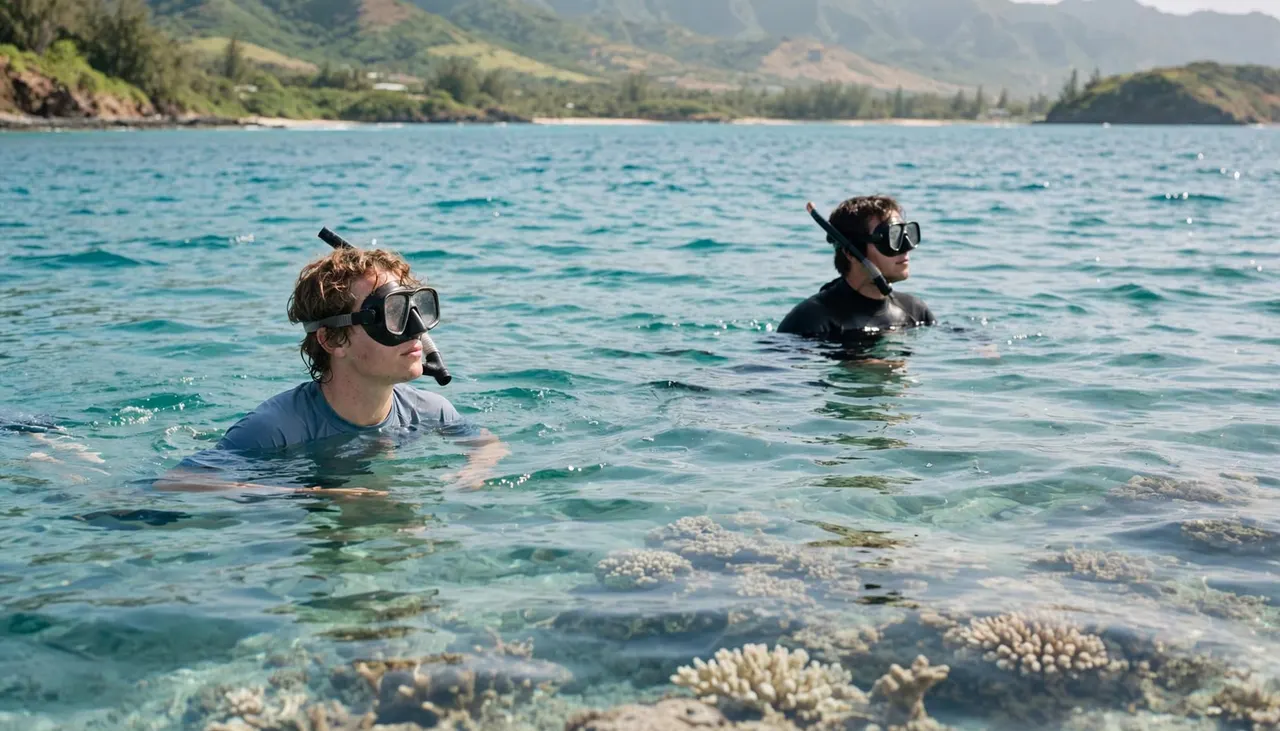
Even a gentle snorkel can become tiring when wind, waves, or currents pick up. Choose an outing that matches your swimming ability, and stay out when conditions exceed it.
Know Your Route Back
On a boat, identify the ladder, the swimming boundary, and how to signal the crew before you enter. From shore, identify a comfortable exit and speak with a lifeguard where one is available.
Stay with a buddy who knows about your diabetes plan. Agree to remain close enough to communicate and return together if either of you feels uncomfortable. Winter surf can make North Shore sites unsuitable for snorkeling, even when a beach looks inviting.
Get Comfortable With Your Gear
Adjust your mask before entering and practice breathing through your snorkel in an appropriate, supervised setting. Ask for flotation if it helps you feel more comfortable, while remembering that flotation doesn’t replace swimming ability or a buddy.
Tell your guide about a leaking mask, nerves, or fatigue. You can stay close to the boat and return early. Keep your fins away from coral, and observe turtles without touching or chasing them.
Respond to Low Blood Sugar Before It Becomes an Emergency
Your snorkeling Oahu diabetes plan should give both you and your buddy a clear response if you feel shaky, dizzy, weak, confused, or otherwise unwell.
Leave the Water and Treat the Low
Signal your buddy or guide immediately. Get assistance returning to the boat or shore, then check your glucose and follow your personal treatment plan. Use fast-acting carbohydrates when you’re safely out of the water and able to swallow.
Don’t continue snorkeling while waiting to see whether symptoms pass. If you have unexplained shortness of breath, chest discomfort, or trouble staying afloat, get help immediately rather than assuming glucose is the cause.
The Divers Alert Network’s diabetes guidance recommends accessible oral glucose for divers. That guidance concerns diving, but it reinforces the value of having treatment readily available during an ocean outing.
Prepare Your Buddy for an Emergency
If you’re unconscious, having a seizure, or unable to swallow safely, your companion should call 911 and follow the emergency dispatcher’s instructions. They should use your prescribed glucagon if available and if they know how.
Never give food or drink to someone who can’t swallow safely. Your buddy can tell responders about your diabetes and the treatment already given.
Choose a Guided Waikiki Snorkel Outing
A guided trip gives you a defined swimming area and crew nearby when you need assistance. Our Waikiki snorkeling tours depart from Kewalo Basin Boat Harbor, a short distance from Waikiki.
We’re the only Oahu tour company with professional snorkel guides in the water. Our guides can help you get comfortable with your equipment and explain the route back to the boat. You remain responsible for your diabetes care, and guidance doesn’t remove ocean risks.
Turtle Canyon Snorkel Tour
Our Turtle Canyon Snorkel Tour visits an offshore turtle-cleaning area near Waikiki. The tour costs $79 and includes snorkel gear and guides. Turtle sightings are never guaranteed, so give any wildlife you see plenty of space.
When you’re ready to plan your outing, CHECK AVAILABILITY.
Deluxe Waikiki Snorkeling and Wildlife Cruise
Our Deluxe Waikiki Snorkeling and Wildlife Cruise costs $79 and offers reef time along with a boat-mounted waterslide. You can take breaks aboard and decide how much activity feels right for you.
To plan a family or couples outing, CHECK AVAILABILITY.
Keep Monitoring After Your Swim
Your snorkeling Oahu diabetes plan continues after you climb the ladder. The American Diabetes Association notes that exercise can lower blood glucose for up to 24 hours or more afterward.
Follow your usual post-exercise monitoring plan and keep treatment nearby as you travel back to your hotel or continue sightseeing. Eat and drink according to your needs, and pay attention to how you feel later in the day.
Frequently Asked Questions
Can You Snorkel With Type 1 or Type 2 Diabetes?
You may be able to snorkel with either type. Your individual risk, medications, swimming ability, and health history matter more than the diagnosis alone. Discuss your plans with your care team before the trip.
Should Your Snorkel Buddy Know You Have Diabetes?
Yes. Tell your buddy what symptoms to look for, where you keep supplies, and how to help you leave the water. Share your emergency plan before either of you puts on a mask.
Is Surface Snorkeling the Same as Scuba Diving?
No. Surface snorkeling doesn’t involve breathing compressed gas underwater. Advice developed for scuba diving doesn’t automatically establish glucose targets or medication instructions for snorkeling.
Enjoy the Reef With a Plan
A snorkeling Oahu diabetes plan gives you and your buddy a clear way to respond if you need a break or treatment. Your care team’s advice, accessible supplies, and an easy route out of the water all matter.
Once you’re comfortable, you can focus on the experience around you. Give the reef and its wildlife room, and let your own comfort set the pace.


