
Snorkeling Oahu With Contact Lenses: Safe Saltwater Tips
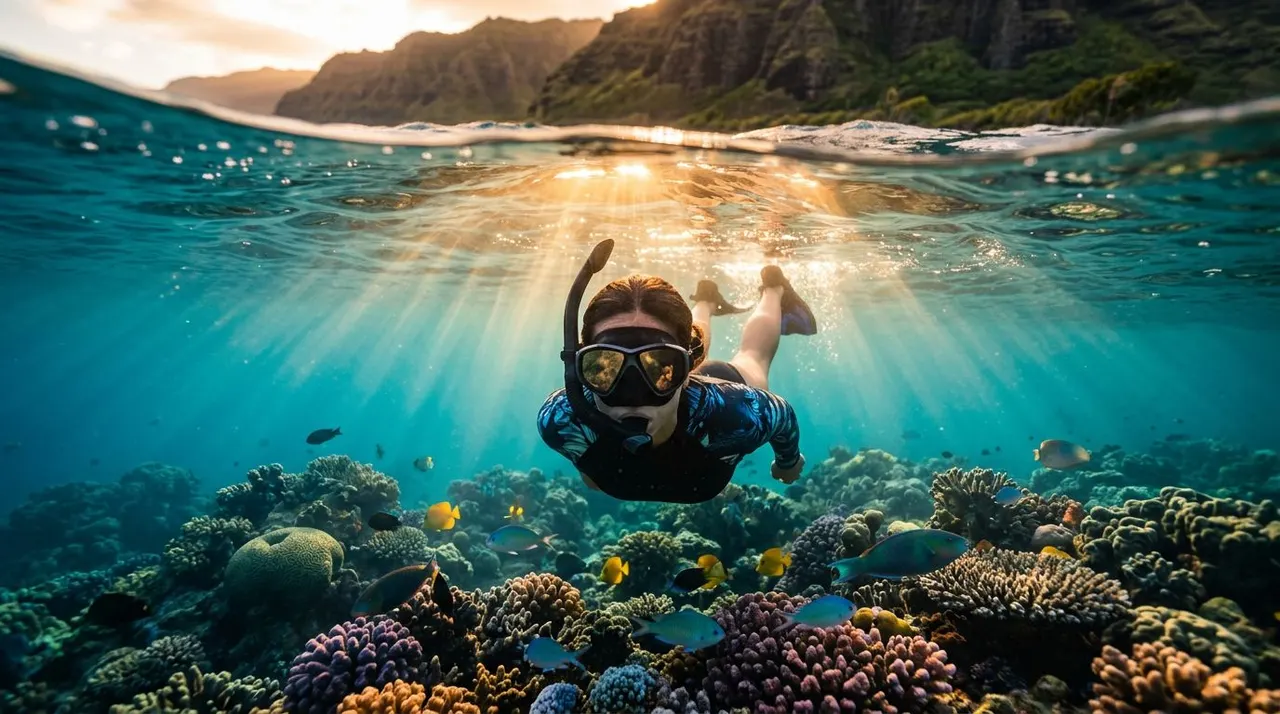
Clear water is easier to enjoy when your eyes stay comfortable. If you wear contacts and want to snorkel Oahu, you can do it safely with the right mask, the right lens choice, and a few smart habits.
Living Ocean Tours is a strong place to start, because the crew knows local water conditions and the company is the only one with professional snorkel guides. That matters when you want calm help before you slip into the ocean.
Saltwater, wind, and a leaky mask can turn a fun swim into a gritty mess. You can avoid most of that with simple prep before you ever climb down the ladder. Start with the gear and the lens rules that matter most.
Can you snorkel Oahu with contact lenses?
Yes, you can snorkel with contact lenses if your mask fits well and you stay prepared. The real risk is usually not the lens itself. It’s the water that gets in, dries the lens, or leaves your eyes irritated after a leak.
A quick primer from ContactsDirect’s snorkeling advice points to the same basics many eye-care pros use, which is a good mask seal and a backup plan.
Here’s a simple way to think about your options.
| Lens option | Best for | What you gain | What to watch |
|---|---|---|---|
| Daily disposable contacts | Short snorkel trips and travel days | Fresh pair, easy replacement | Bring extras and a clean case |
| Reusable soft contacts | Your normal everyday lenses | Familiar comfort | Saltwater can dry them out |
| Prescription snorkel mask | Frequent snorkelers | No contacts in the water | You need time to test the fit |
If you wear rigid gas permeable lenses, talk with your optometrist before your trip. They can move more easily if water gets inside the mask.
A snug mask does more for your eyes than any trick you try after a leak.
The goal is simple. You want clear sight, less rubbing, and fewer reasons to stop the swim early.
Set your mask before you enter the water
Most contact lens problems start with a poor mask seal. If the mask leaks, your eyes blink more, your lenses dry faster, and the whole snorkel gets annoying.
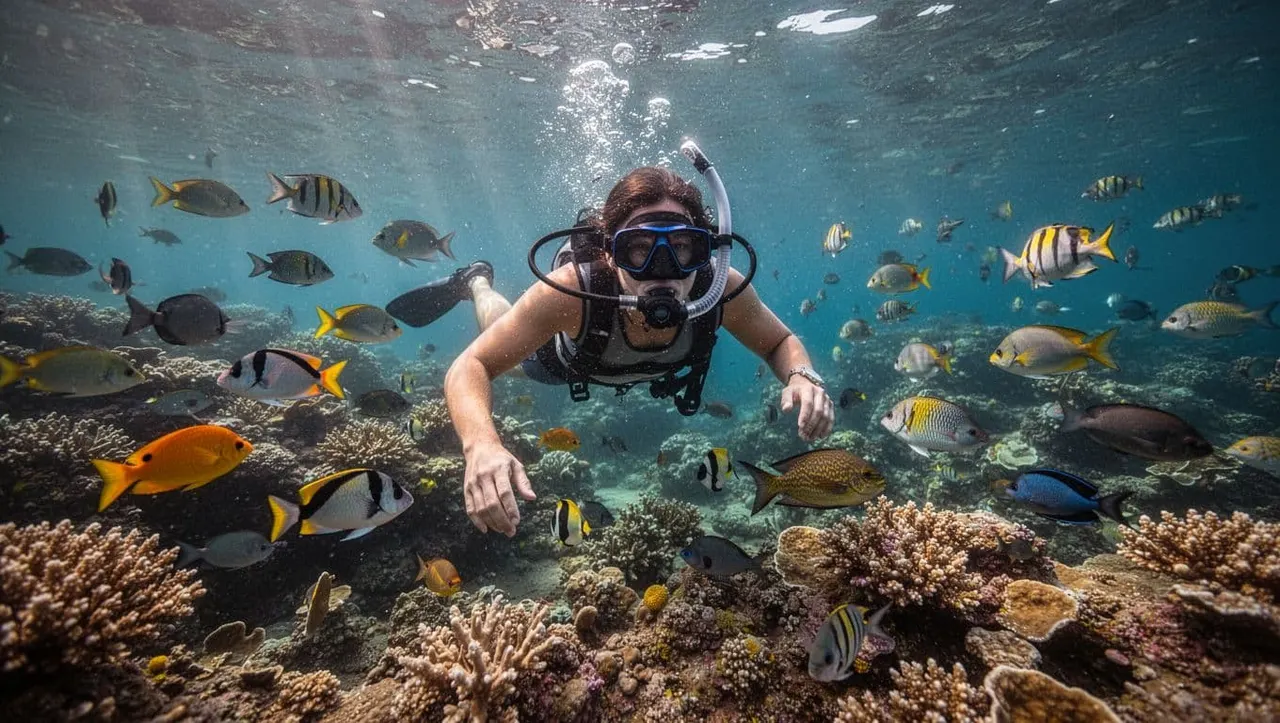
Test your mask before you leave the boat or step off the beach.
- Place the mask on your face without the strap and inhale gently through your nose.
- Let the mask sit flat against your skin. If it falls, the seal is weak.
- Tighten the strap only after the fit feels right. Over-tightening can make leaks worse.
- Look left, right, up, and down. A good mask should stay steady.
- Try clearing the mask in shallow water before you head out toward the reef.
If the skirt presses unevenly on your face, switch masks before you snorkel. A better seal beats a tighter strap every time.
If water sneaks in while you’re out, stop, raise your head, and reset the fit. Don’t rub your eyes underwater. That makes the problem worse.
Pack a small eye-care kit for saltwater days
A little preparation goes a long way on a beach day. You don’t need a huge bag, but you do need a few things that keep your eyes and lenses safe.
If your eyes dry out easily, this contact-lens comfort overview gives a plain look at why salt, wind, and long boat time can feel rough.
Pack these items in a dry pouch or day bag:
- A spare pair of contacts, especially if you wear dailies
- Your glasses in a hard case
- Contact lens solution and a clean lens case
- A microfiber cloth for after the swim
- Sunglasses and a hat for the boat ride home
- Preservative-free saline or drops approved by your eye doctor for after you get out of the water
Leave tap water out of the kit. It doesn’t belong on your lenses, and it doesn’t belong in your eyes.
If your lens falls out, don’t panic. Step back to a calm spot, use your backup pair if you have one, and switch to glasses if the water is still choppy. You’ll enjoy the day more when you stop trying to force a bad fit.
A guided Oahu snorkel trip makes contact lens days easier
Living Ocean Tours, based at Kewalo Basin Boat Harbor near Waikiki, keeps the day simple when you want to snorkel without extra stress. The company is the only tour company with professional snorkel guides, so you get real help before you enter the water.
If you want a broad look at the lineup, start with guided ocean tours in Oahu. That page is a quick way to compare the options before you pick your day on the water.
The Turtle Canyons Snorkel Excursion is a strong fit if you want a calm reef day with a clear goal, which is spotting Hawaiian green sea turtles at the natural cleaning station. Living Ocean Tours says the tour has a 95% success rate for turtle sightings, and that kind of guided setup helps when you want to focus on your mask instead of your nerves.
If that sounds like your kind of day, CHECK AVAILABILITY before your date fills up.
A guided crew also helps you keep the right pace. You get a briefing, a better read on the water, and support if your mask shifts. That can make all the difference on a day when you’re wearing contacts and want the reef to feel easy.
After the swim, give your eyes a reset
Once you’re back on the boat or shore, take care of your eyes before you head to lunch or the next stop. Remove your contacts as soon as it feels practical, especially if saltwater got into the mask.
Use the cleaning method your optometrist recommends. If you wear daily lenses, toss them after the swim. If you wear reusable lenses, clean and store them with fresh solution, not tap water.
If your eyes feel scratchy, blurry, or red, switch to glasses and give them a break. A short rest now is better than spending the evening in discomfort.
Keep an eye on how you feel the rest of the day. If irritation lingers, stop wearing the lenses and get medical advice. Your next snorkel will be better when you treat the first warning signs seriously.
Conclusion
You can snorkel Oahu with contact lenses and still keep the day comfortable. The key is simple: a snug mask, a smart lens choice, and a small backup kit.
Once you cover those basics, saltwater stops being a problem and starts being part of the fun. That’s when you can focus on the reef, the turtles, and the clear view in front of you.


