
Snorkeling Oahu: Spot Hawaiian Reef Butterflyfish
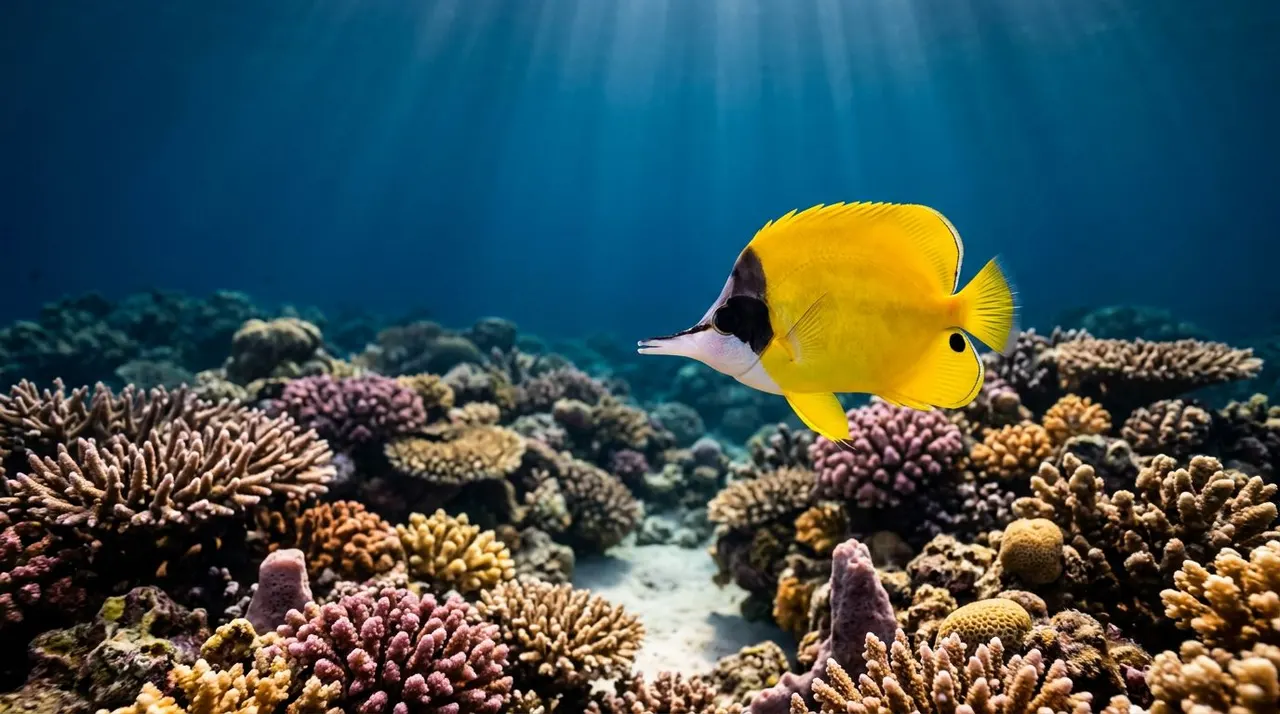
A flash of yellow over coral can be a butterflyfish, but its pattern tells you which species you found. When you’re snorkeling Oahu, you can identify Hawaiian reef butterflyfish without chasing them or memorizing an entire field guide. Focus on the nose, eye mask, stripes, spots, and tail.
The best sightings happen when you slow your kick and scan the reef’s edges. With professional guidance, you can tell a longnose butterflyfish from a milletseed butterflyfish before the pair slips behind a coral head.
Snorkeling Oahu Starts With the Reef, Not the Fish List
Before you name a fish, notice where it swims. Butterflyfish often stay close to coral structures, rocky ledges, and sandy gaps between reef sections. Their narrow bodies let them move through small spaces while their pointed mouths help them pick at food.
Living Ocean Tours departs from Kewalo Basin Boat Harbor, only minutes from Waikiki Beach. The company is the only tour company with professional snorkel guides, so you get more than equipment and a boat ride. You receive help with mask fit, water entry, reef safety, and fish identification throughout the outing.
A guide can point out a butterflyfish before you notice it. That makes a big difference when a fish stays still against coral or moves through shifting sunlight. The crew also helps beginners feel comfortable, whether you’re an experienced swimmer or snorkeling for the first time.
You can browse the company’s Waikiki snorkeling tours to find an outing that matches your group. Living Ocean Tours operates Coast Guard-inspected double-decker vessels with shaded seating, restrooms, dry storage, and sturdy ladders for easy water entry.
How to Identify Hawaiian Reef Butterflyfish While Snorkeling Oahu
Underwater color can change with depth, glare, and water movement. Patterns are more reliable, so look for one strong feature before studying the rest of the body.
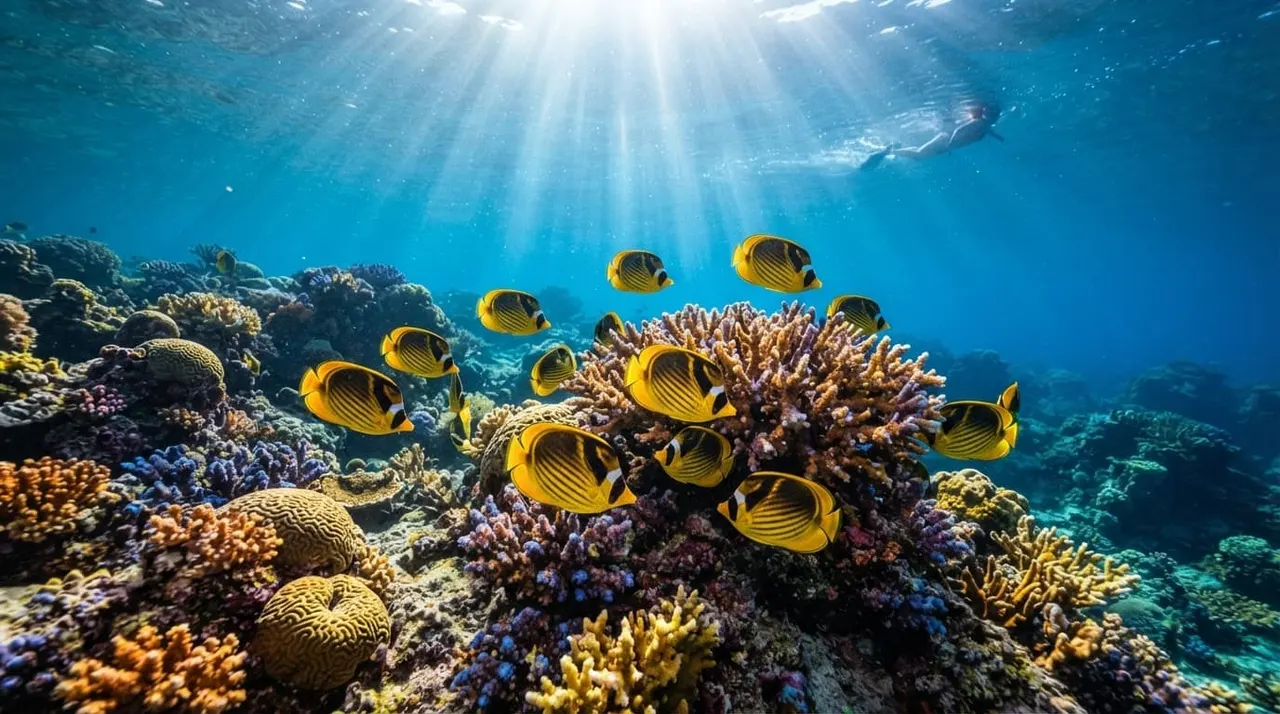
These are some of the reef butterflyfish you may encounter around Oahu:
- Longnose butterflyfish: Its narrow, extended snout is the fastest clue. The body is mostly yellow, with a dark band across the eyes and a small dark mark near the tail. A Hawaii fish guide can help you compare its shape with other reef species.
- Milletseed butterflyfish: Look for a yellow body covered with many small dark spots. The spots can resemble scattered seeds, which gives this fish its common name. It often moves close to coral and rocky reef surfaces.
- Bluestripe butterflyfish: Thin blue diagonal lines cross its pale yellow body. The stripes can appear faint when the fish turns away, so watch for a quick flash of blue along the side.
- Raccoon butterflyfish: A broad dark mask crosses the eyes, creating the look suggested by its name. Its body usually combines yellow, white, and darker brown or black areas.
- Threadfin butterflyfish: Search for diagonal dark bands and a long filament extending from the dorsal fin. That trailing filament may be easier to see when the fish pauses above the reef.
- Fourspot butterflyfish: Several dark marks stand out against a pale body, while yellow often appears around the fins and rear portion. Count the markings only after you identify the fish’s overall shape.
Don’t rely on color alone. A yellow fish with a long snout is more likely to be a longnose butterflyfish than a milletseed butterflyfish, even if both appear bright yellow in shallow water.
A short visual reference, such as this Hawaii reef fish video, can help you recognize the main patterns before your trip. Still, your guide can identify fish in real time, when sunlight and movement make photographs less useful.
Read the Fish’s Shape and Behavior
The mouth gives you one of the quickest clues. Butterflyfish have small, pointed mouths built for picking food from coral and rock. Their bodies are laterally compressed, which means they look thin when viewed head-on but much deeper from the side.
Many adult butterflyfish travel as pairs. You may see two fish moving together along a coral face, stopping at the same feeding spots. Some species also defend a small area, so they may circle back after swimming behind a rock.
Watch the fish’s feeding motion. A quick peck at coral or algae is different from the steady grazing you may see from a parrotfish. Butterflyfish often make short movements between feeding spots, then pause with their bodies angled toward the reef.
At greater depth, red and orange tones lose some of their strength. Black masks, white bars, blue stripes, and dark spots usually remain easier to recognize. Take a mental note of the fish’s snout, eye marking, body pattern, and tail before you decide on a species.
A fish may look less colorful below the surface, but its mask or stripe pattern often remains useful for identification.
Give yourself three seconds before reaching for a camera. First, observe the fish’s shape. Next, follow its movement. Then compare the pattern with what you remember. This method helps you avoid confusing butterflyfish with angelfish, tangs, or the black-and-white Moorish idol.
Where to Look on Oahu’s Reefs
Butterflyfish prefer structure, so scan the reef rather than the open blue water. Check the edges of coral heads, the sides of rocky outcrops, and places where sand meets coral. Fish often move between these areas while searching for food or shelter.
Shallow sections can be especially useful for beginners because sunlight makes markings easier to see. Water conditions still change with wind, swell, and boat traffic. Ask your guide where visibility is strongest on the day of your excursion instead of assuming one spot always looks the same.
Keep your body relaxed and your fins behind you. Slow movements create less disturbance and give fish more time to remain in view. If you kick hard toward a butterflyfish, it will usually disappear before you get close enough to study it.
Protect the reef while you watch. Never stand on coral, touch fish, feed wildlife, or grab a rock for balance. Use a ladder or sandy bottom when you need to steady yourself. Choose reef-conscious sun protection, and keep your hands away from coral even when you want a closer photograph.
The best wildlife encounter leaves the animal’s behavior unchanged. Observe, take a mental picture, and let the fish continue feeding.
Choose a Guided Snorkel Trip Near Waikiki
A boat-based tour gives you access to reef areas without spending your energy swimming from shore. Living Ocean Tours combines professional snorkel guidance with comfortable boats, making it easier to focus on marine life instead of logistics.
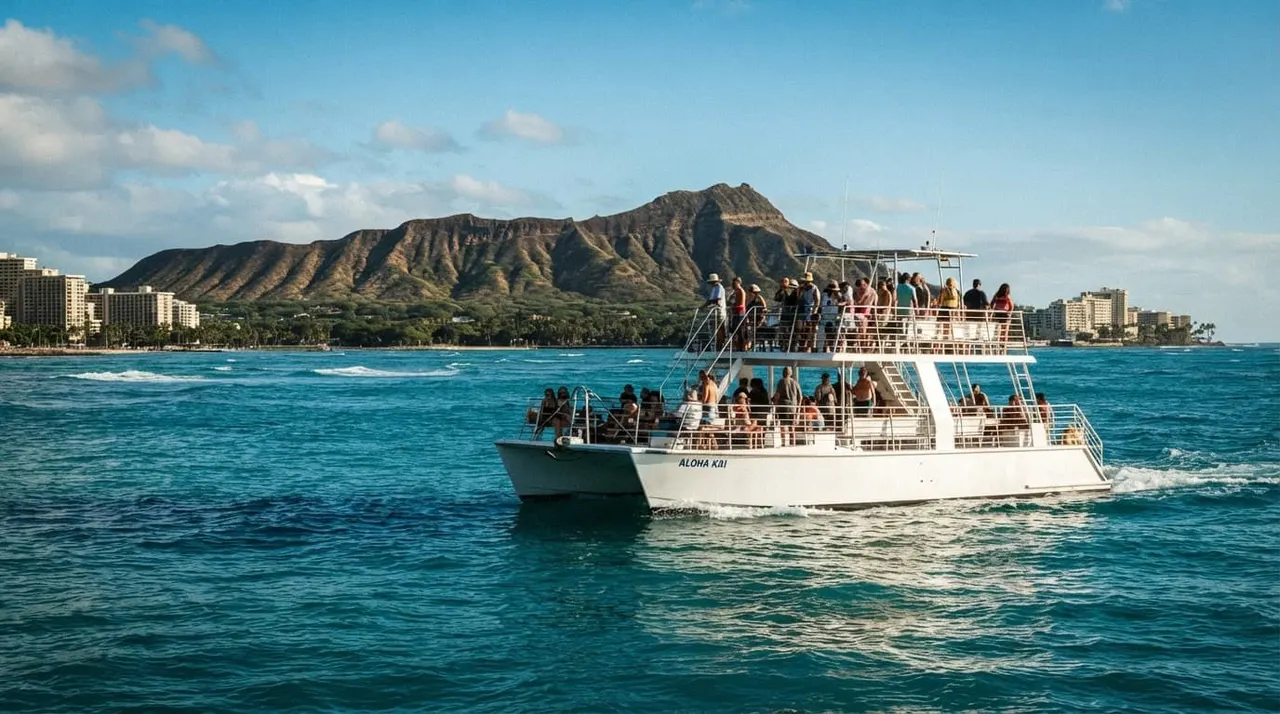
The Turtle Canyon Snorkel Excursion is a strong choice if Hawaiian green sea turtles are high on your list. The tour visits a natural underwater cleaning station with a reported 95% success rate for turtle sightings. While turtles are the main attraction, the surrounding reef can also offer opportunities to spot butterflyfish and other tropical species.
You can CHECK AVAILABILITY for the Turtle Canyon excursion.
For families and couples who want more time on the water, the Deluxe Waikiki Snorkeling and Wildlife Cruise visits a less-crowded reef and adds a water slide, trampoline, and floating lily pad. The Lokahi also includes a SeaKeeper stabilization system, which helps keep the vessel steady for guests who are concerned about motion.
You can CHECK AVAILABILITY for the deluxe cruise.
Conclusion
When you’re snorkeling Oahu, identify butterflyfish by their structure and markings before relying on color. A long snout, blue stripes, dark eye mask, scattered spots, or a dorsal filament can tell you what you’re seeing within seconds.
Stay near the reef without touching it, move slowly, and let professional guides point out fish you might miss alone. The most memorable sighting may begin with a yellow flash, but careful observation reveals the species.


