
snorkeling Oahu asthma: Questions to Ask Before Swimming

You may be able to snorkel on Oahu with asthma, but the decision depends on your symptoms, swimming ability, and the day’s conditions. A conversation with your clinician can help you make a personal safety plan before you enter the water.
At Living Ocean Tours, we want you to feel comfortable speaking up about your breathing and taking a break whenever you need one. If you’re wondering whether you can snorkel on Oahu with asthma, start with the questions that matter for your health.
Key Takeaways for Snorkeling With Asthma
A guided outing can offer support, but your asthma plan starts before you board. Keep these points in mind:
- Discuss recent symptoms, exercise triggers, and medication access with your clinician before snorkeling.
- Postpone your swim if you’re wheezing, unusually breathless, or otherwise unwell.
- Stay with a buddy, use suitable flotation, and choose a route with an easy exit.
- Signal for help and leave the water if breathing becomes uncomfortable. Severe symptoms require emergency assistance.
Surface snorkeling and scuba diving place different demands on your body, so advice for one activity doesn’t automatically apply to the other.
snorkeling Oahu asthma: Questions for Your Clinician

Your clinician can help you assess your asthma in the context of an ocean swim. Describe the activity you have in mind, including whether you’ll snorkel from shore or a boat and how much swimming you expect.
Is your asthma well controlled?
Talk about recent coughing, wheezing, chest tightness, nighttime symptoms, and any flare-ups. Mention whether you’ve needed your reliever more often than usual or have received urgent treatment for asthma.
A useful question is, “Does my recent breathing history make surface snorkeling a reasonable activity for me?” Your clinician may recommend changes to your plan or suggest waiting until your symptoms are better controlled.
Give yourself enough time for that conversation before your trip. If your treatment changes, you’ll want clear instructions on how to follow it.
Does exercise trigger your symptoms?
Snorkeling can look restful, but swimming against a current or climbing a boat ladder takes effort. Tell your clinician if exercise, cold air, anxiety, or respiratory infections have triggered symptoms for you.
Ask how to recognize when normal exertion has become a warning sign. Also discuss what to do if you develop symptoms in the water, where you can’t reach your medication as quickly as you might on land.
Make a Medication and Emergency Plan
Your asthma action plan should cover the practical details of an ocean outing. Before traveling, ask your clinician how to follow it while snorkeling and whether you need any changes for exercise.
Keep your reliever accessible
Bring your prescribed reliever and any other medication your clinician recommends. Discuss whether you should use medication before exercise and how to respond if symptoms begin. Follow your own prescription rather than another swimmer’s routine.
Keep your inhaler protected from water but easy to reach. Before entering, tell your buddy and a crew member or lifeguard where it is and how they can help you get it.
An inhaler in a dry bag helps only if you and your companions can reach it promptly after you leave the water.
Know when to postpone
If you’re wheezing, coughing repeatedly, or struggling to breathe before the swim, stay out of the water. A cold or other respiratory illness can also affect your energy and asthma control, so discuss those symptoms with your clinician.
Don’t use a mask or flotation device to work around breathing trouble. If you’re unsure whether you’re well enough to swim, choose a day when you can breathe comfortably and follow your clinician’s advice.
snorkeling Oahu asthma: Choose Conditions You Can Manage
Oahu’s clear water can make a swim look easier than it feels. Wind, waves, and currents can add effort, even when the distance to the boat or shore appears short.
For a shore outing, choose a lifeguarded beach and speak with the lifeguard before entering. Hawaii Ocean Safety’s beach guidance recommends asking about conditions and selecting a location that suits your abilities.
Stay close to an exit
Pick a route that lets you return without a long swim. If you’re aboard a boat, identify the ladder and listen to the crew’s instructions for entering and leaving the water.
You don’t need to follow the group farther than feels comfortable. Ask your buddy or guide to stay with you, and allow enough energy for the return and climb aboard.
Let the day’s water set the pace
Your plan should account for conditions you encounter, not only the weather you hoped for. If waves make it hard to keep the snorkel opening above water, or a current demands steady kicking, skip the swim or leave early.
Hawaii Ocean Safety recommends snorkeling with a buddy and avoiding murky water and low-light periods. For families, a buddy plan also helps everyone know who needs assistance.
Practice With Your Gear Before Swimming Farther
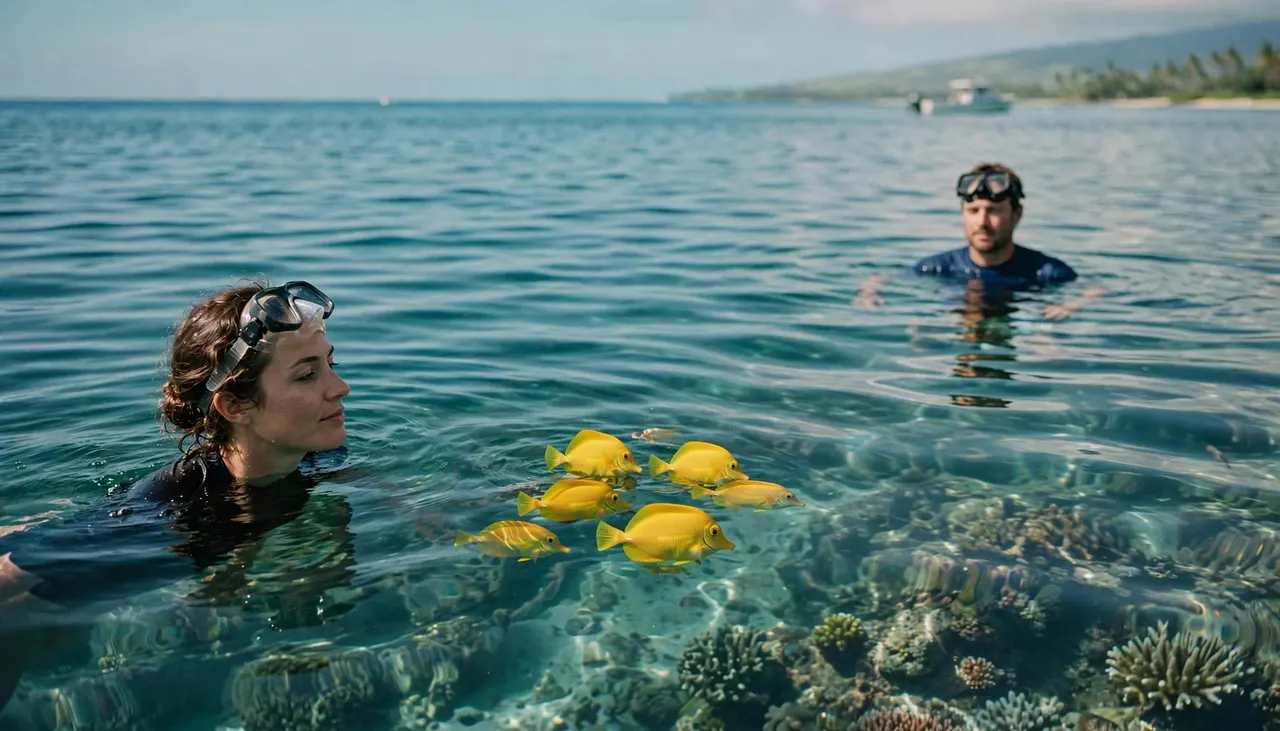
A comfortable mask and snorkel can make it easier to notice how your breathing feels. Ask for help with the fit before you enter, and use flotation equipment as instructed.
Start with an easy surface float
Practice breathing through your snorkel where you can stop easily and receive help. Take a few relaxed breaths, keep the snorkel opening above water, and make sure the mouthpiece doesn’t pull uncomfortably.
Agree on a signal with your buddy before you move away. If breathing through the equipment feels difficult or unsettling, pause and ask for help. You can stay on the boat or shore if you aren’t comfortable.
Respond calmly if water enters the snorkel
If you can’t clear water comfortably, raise your face fully above the surface and remove the mouthpiece. Use your flotation support, breathe normally, and alert your buddy or guide.
Ask for help draining or adjusting the snorkel once you’re settled. If coughing continues or you feel unusually breathless, leave the water with assistance rather than trying to resume the swim.
snorkeling Oahu asthma: Planning for Children
A child with asthma needs an individual plan, too. Before your trip, discuss the child’s symptoms, swimming ability, medication, and exercise triggers with their clinician.
Choose an adult who will supervise each child closely in the water. Make sure that adult knows the child’s warning signs, where medication is kept, and when to end the swim. A child should also understand how to signal for help.
Family-friendly guidance and flotation can add support, but they don’t replace swimming ability or adult supervision. Keep the outing relaxed, and let your child stop without feeling pressure to keep up.
Recognize Breathing Trouble and Get Help
Breathing discomfort deserves attention as soon as you notice it. Unusual breathlessness, chest tightness, dizziness, confusion, or sudden weakness are reasons to stop and signal your buddy or guide.
Keep your face above water and use flotation or assistance while you leave the water. If you can’t return easily, ask for help rather than trying to swim harder. Once you’re out, follow your asthma action plan and tell the crew or lifeguard what happened.
When to call 911
Call 911 for severe or sudden breathing difficulty, chest pain, fainting, confusion, or an unresponsive swimmer. Alert the crew or lifeguard immediately and follow the emergency dispatcher’s instructions.
Persistent coughing or breathlessness after leaving the water also needs prompt medical attention. Don’t return to snorkeling after unexplained breathing trouble.
Breathing trouble can have different causes
You don’t need to identify the cause while you’re in the water. One possible concern discussed in Hawaii snorkeling research is rapid-onset pulmonary edema, a condition involving fluid in the lungs. Breathing trouble can occur without an obvious episode of swallowing seawater.
Treat new or unusual symptoms seriously, even if the sea looks calm or you’ve snorkeled before. Your first priorities are getting help, keeping your airway above water, and reaching a safe place.
Plan a Supported Waikiki Outing
If your clinician supports your plans, our Oahu snorkeling and ocean tours depart from Kewalo Basin Boat Harbor near Waikiki. Our professional snorkel guides can help beginners get oriented and answer questions about the equipment and water entry.
Before departure, speak privately with a crew member about your asthma plan and where you’ll keep your inhaler. You can also ask for help with your mask or flotation and let the crew know if you prefer to stay close to the boat.
Guidance doesn’t replace your clinician’s advice or remove ocean risks. Once you’re in the water, observe turtles without touching or chasing them, and keep your hands and fins away from coral.
snorkeling Oahu asthma: Frequently Asked Questions
Is surface snorkeling the same as scuba diving?
No. Surface snorkeling doesn’t involve breathing compressed gas underwater. Scuba diving adds pressure-related concerns, so its medical guidance shouldn’t be treated as a universal rule for surface snorkeling.
The American Academy of Allergy, Asthma & Immunology discusses asthma and scuba diving risks. If you’re considering scuba or underwater dives as well as snorkeling, tell your clinician about each activity.
Can you snorkel if you use an inhaler?
Using an inhaler doesn’t automatically rule out snorkeling. Your clinician can help you assess your asthma control, identify triggers, and decide how to keep medication accessible.
Having an inhaler nearby doesn’t guarantee safety in the water. You still need a buddy, suitable conditions, and a plan for getting assistance.
Should you snorkel if you have a cold?
Postpone if you’re having breathing trouble, repeated coughing, significant fatigue, or worsening symptoms. Because a respiratory illness can affect asthma, ask your clinician for advice about your circumstances before entering the water.
Can you stay aboard if you change your mind?
Yes. You can decide to sit out the swim or return early. Your comfort and breathing matter more than completing a planned activity.
Put Comfortable Breathing First
An Oahu snorkeling trip starts with an honest assessment of your asthma and the demands of the water. Your clinician can help you make a plan that fits your health.
Once you’re ready, stay close to your buddy and speak up early if anything feels wrong. A safe exit and accessible help give you room to enjoy the ocean at your own pace.


