
Snorkeling Oahu April: A Spring Water Conditions Guide
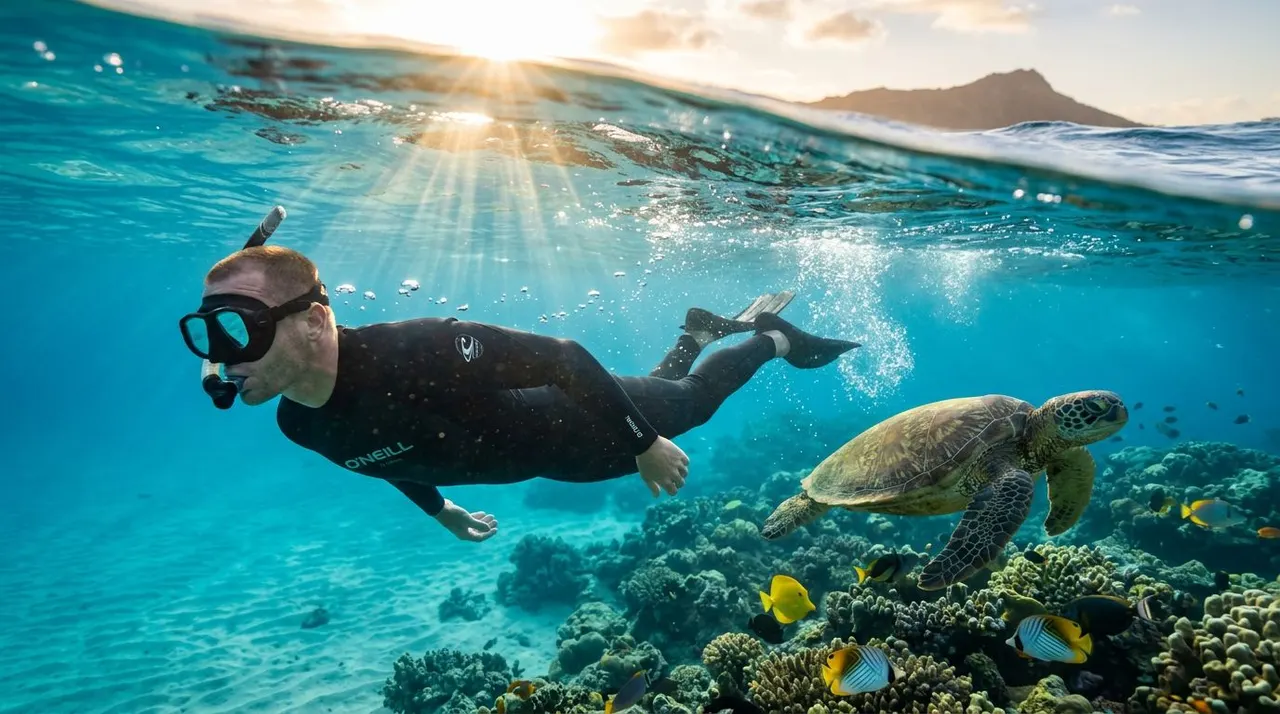
April gives you warm ocean water, improving visibility, and fewer crowds than Oahu’s busiest summer months. If you’re planning snorkeling Oahu April adventures, you can expect pleasant conditions, especially during calm mornings along the south shore.
Still, spring isn’t perfectly predictable. A late-season swell, trade wind, or recent rainfall can change visibility within hours. Knowing how water temperature, surf, timing, and location work together helps you choose a safer, more enjoyable snorkel.
Key Takeaways
- Oahu’s April ocean temperature usually stays around 76°F to 77°F.
- Morning snorkeling often brings the calmest water and clearest views.
- Turtle Canyon, Hanauma Bay, and protected lagoons can offer excellent spring conditions.
- Heavy rain and large swells can reduce visibility, even on sunny days.
- A guided trip gives you local safety advice, quality equipment, and help finding marine life.
What Snorkeling Oahu April Conditions Feel Like
April is a shoulder-season month for ocean activities on Oahu. Winter weather is easing, while the consistently calm summer pattern hasn’t fully arrived. As a result, conditions can shift between excellent and marginal depending on the coastline and the day’s weather.
You may find clear, comfortable water in the morning, followed by more chop in the afternoon. Trade winds often increase later in the day, and exposed beaches can feel the effects first. South-facing sites, including Turtle Canyon near Waikiki, often provide a practical choice when north-facing shores still have leftover winter swell.
Water temperatures usually sit in the mid-70s Fahrenheit. That feels comfortable for most swimmers, particularly when you’re moving through the water. However, you may notice the cooler temperature during a long snorkel, after a windy boat ride, or when you pause near the surface.
A rash guard helps protect your skin and adds a little warmth. If you get cold easily, consider a thin shorty wetsuit. Most visitors won’t need heavy insulation for a normal April excursion.
April also brings a useful balance for travelers. You can enjoy a lively marine environment without the peak summer crowds at every popular access point. For an overview of local options, you can compare Waikiki snorkel tours before choosing a departure that fits your plans.
April snorkeling is usually warm and inviting, but the best experience depends more on the day’s wind, swell, and rainfall than on the calendar alone.
Spring Water Temperature and Visibility
The NOAA coastal water temperature guide places Hawaii’s spring coastal temperatures in a comfortable range for swimming and snorkeling. Around Honolulu and Waikiki, April readings commonly fall near 76°F to 77°F, although individual bays and shorelines can vary.
Visibility often improves after the wetter winter months. On a clear, calm day, you may see reef structure, butterflyfish, tangs, wrasse, and Hawaiian green sea turtles beneath you. A practical expectation is roughly 20 to 30 feet of visibility at a favorable site, though sediment, wind, boat traffic, and wave action can reduce that distance.
Rain deserves attention because runoff can cloud nearshore water. Even a short heavy shower may wash soil and debris toward a beach or reef. If rain has recently passed over your snorkeling area, ask about conditions before entering.
Surf exposure matters too. The National Weather Service Hawaii surf forecast is useful when you want to check swell trends before planning a beach snorkel. A calm beach in Waikiki may remain usable while another coastline becomes rough.
| Condition | What it means for your snorkel |
|---|---|
| 76°F to 77°F water | Comfortable for most swimmers |
| Light morning wind | Better surface visibility and easier swimming |
| Recent heavy rain | Possible cloudy water near shore |
| Large swell | Stronger surge, reduced visibility, and harder entries |
| Clear weather with low chop | Best chance for relaxed reef viewing |
For the clearest experience, book a morning departure. Early hours usually bring less wind, fewer swimmers, and less surface disturbance. You also have more flexibility if weather changes later.
Where to Snorkel on Oahu in April
Your best location depends on wind direction, swell, swimming ability, and whether you want a guided boat experience or a beach entry.
Turtle Canyon is a popular south-shore site near Waikiki. The reef attracts Hawaiian green sea turtles, tropical fish, and other marine life. Since turtles use the area throughout the year, April can be a strong month for an encounter when water conditions cooperate. You should observe turtles from a respectful distance and never touch, chase, or block their path.
Hanauma Bay can offer excellent snorkeling in calm conditions, but its quality depends on the day’s surf and weather. The protected shape of the bay helps shelter parts of the water, yet visibility can still change after rain or strong swell. Check current access rules and arrive prepared for a busy popular attraction.
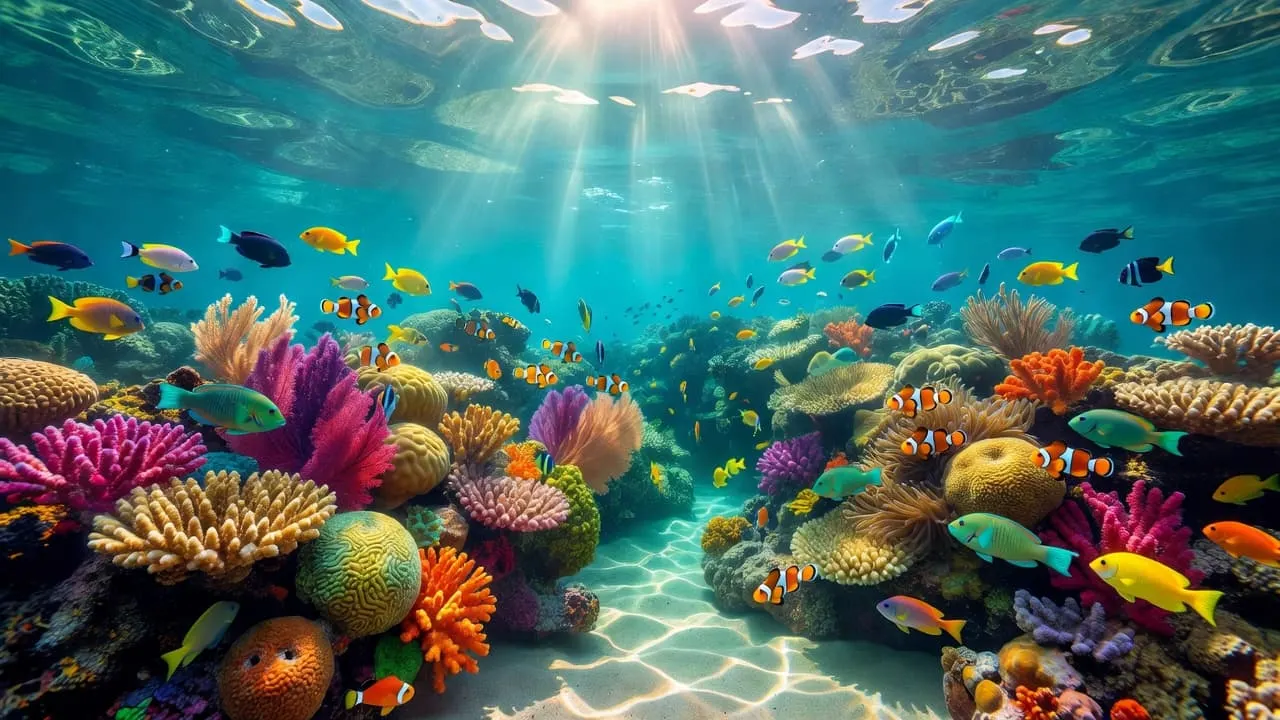
Queen’s Beach in Waikiki is convenient if you’re staying nearby. It can work well during calm periods, especially for confident swimmers who understand changing shorebreak and boat activity. Protected lagoons at Ko Olina and Kuilima Cove are other choices when you want calmer water, although travel time and local conditions should guide your decision.
A boat tour gives you access to sites that may be difficult to reach from shore. It also removes the need to guess which reef looks best from the beach. Your crew can assess the water, explain entry procedures, and help you stay oriented once you begin snorkeling.
When you choose a Living Ocean Tours experience, you depart from Kewalo Basin Boat Harbor, only minutes from Waikiki. The company is the only tour operator with professional snorkel guides, so you receive focused instruction and in-water support rather than general sightseeing commentary.
How to Plan a Comfortable April Snorkel
Start with the time of day. A morning trip usually offers calmer surface conditions, cooler air, and better energy for swimming. If you’re traveling with children or you’re a first-time snorkeler, an early departure can make the experience feel less tiring.
Pack reef-safe sunscreen, a rash guard, a towel, dry clothes, and water. Anti-fog solution helps you keep your mask clear. If you choose a beach entry, bring water shoes for rocky areas and use a flotation aid if you’re not a strong swimmer.
You should also follow a few simple ocean rules:
- Use the buddy system and stay close enough to communicate.
- Keep your hands off coral, rocks, and marine animals.
- Leave at least 10 feet between you and turtles or other wildlife.
- Avoid snorkeling after heavy rain or when waves make entry difficult.
- Follow your guide’s instructions about currents, ladders, and boat traffic.
Living Ocean Tours uses Coast Guard-inspected, custom-built double-decker vessels called the Coral Kai and the Lokahi. Both boats include shaded seating, restrooms, dry storage, and sturdy ladders for easier water entry. The Lokahi also has a SeaKeeper stabilization system, which helps reduce rolling for guests who are sensitive to motion.
That comfort matters during an April outing. If wind increases while you’re on the water, a stable boat gives you a better place to rest, warm up, and listen to updated instructions.
Choose the Right Oahu Snorkel Tour for April
If Turtle Canyon is your priority, the Turtle Canyon Snorkel Excursion focuses on one of Waikiki’s most well-known turtle habitats. Living Ocean Tours reports a 95% success rate for spotting Hawaiian green sea turtles at a natural underwater cleaning station. Your professional snorkel guides can help you spot turtles without disturbing them, while beginners receive guidance before entering the water.
You can CHECK AVAILABILITY for a Turtle Canyon departure.
For families and active couples, the Deluxe Waikiki Snorkeling and Wildlife Cruise adds more time on the boat. The trip visits a less-crowded reef and includes a boat-mounted water slide, water trampoline, and floating lily pad. You can snorkel, relax in the shade, or enjoy the water features between reef sessions.
The experience suits mixed groups because strong swimmers can explore while less confident guests stay close to the crew and use the boat’s easy-entry ladders. You can CHECK AVAILABILITY for the deluxe cruise.
Living Ocean Tours also offers sunset cruises, Friday fireworks cruises, and seasonal whale watching from January through March. Those options work well when you want an ocean outing without snorkeling, although April is generally better suited to reef trips and scenic cruises than dedicated whale watching.
Conclusion
Snorkeling Oahu April trips offer warm water, improving visibility, and a good chance to enjoy Waikiki’s marine life before the summer rush. Plan for the morning, watch the surf and rainfall, and choose a sheltered site or guided boat trip when conditions look uncertain.
For your best chance at a relaxed turtle encounter, professional guidance and respectful wildlife practices matter as much as the forecast. With the right timing, April can put clear Pacific water and Hawaii’s reef life within easy reach.


