
Snorkeling Oahu: What Coral Mucus Does for Reefs
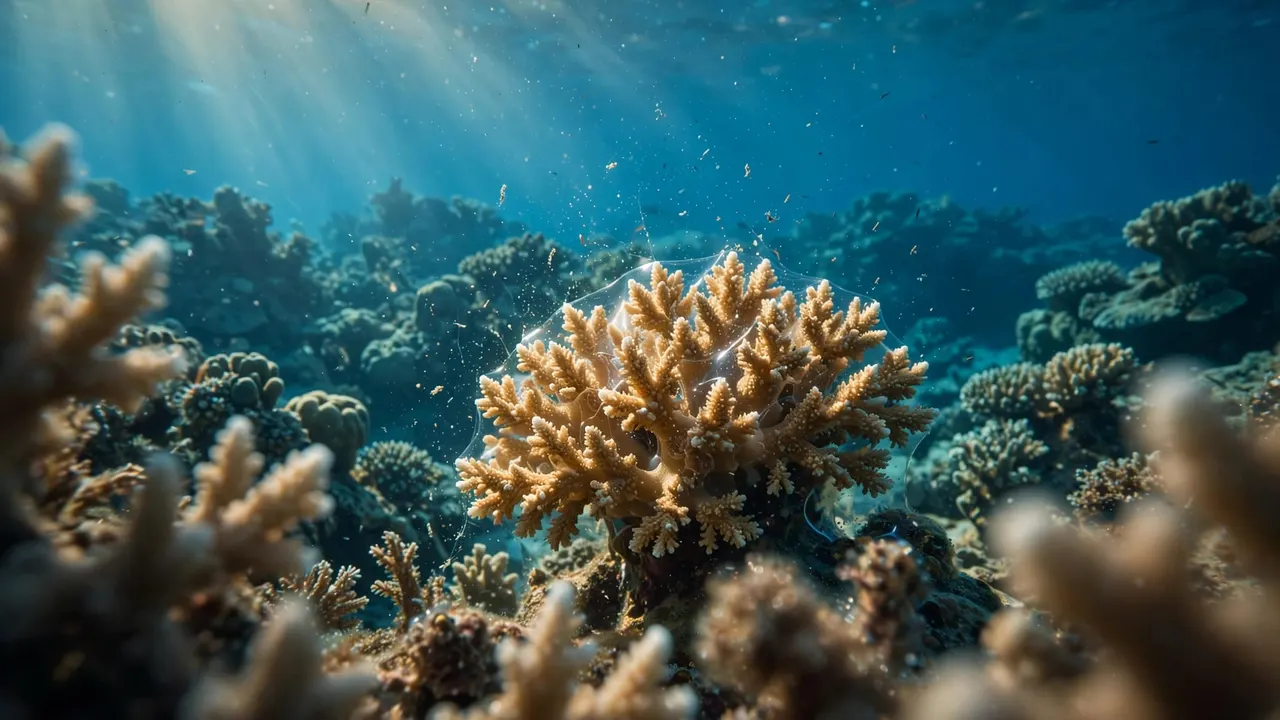
Coral mucus helps protect living coral, trap particles, and move nutrients through the reef. When you’re snorkeling Oahu’s reefs, that living surface layer is part of what supports the underwater community beneath your fins.
At Living Ocean Tours, we encourage you to enjoy marine life through careful observation and hands-off exploration. Understanding coral mucus gives you another reason to slow down, control your kicks, and leave the reef undisturbed.
Key Takeaways
- Coral mucus contains complex sugars, proteins, and fats that form a layer between coral tissue and seawater.
- This layer hosts microbial communities and helps coral manage contact with its surroundings.
- Detached mucus carries organic material through the reef and supports nutrient recycling.
- Your most useful reef-friendly habits are avoiding contact, controlling your fins, and giving wildlife space.
What Coral Mucus Is and How It Works
A Surface Layer Around Living Animals
Coral might look like textured rock, but its outer surface contains living tissue. Reef-building colonies consist of small animals called polyps, which share space across a hard skeleton.
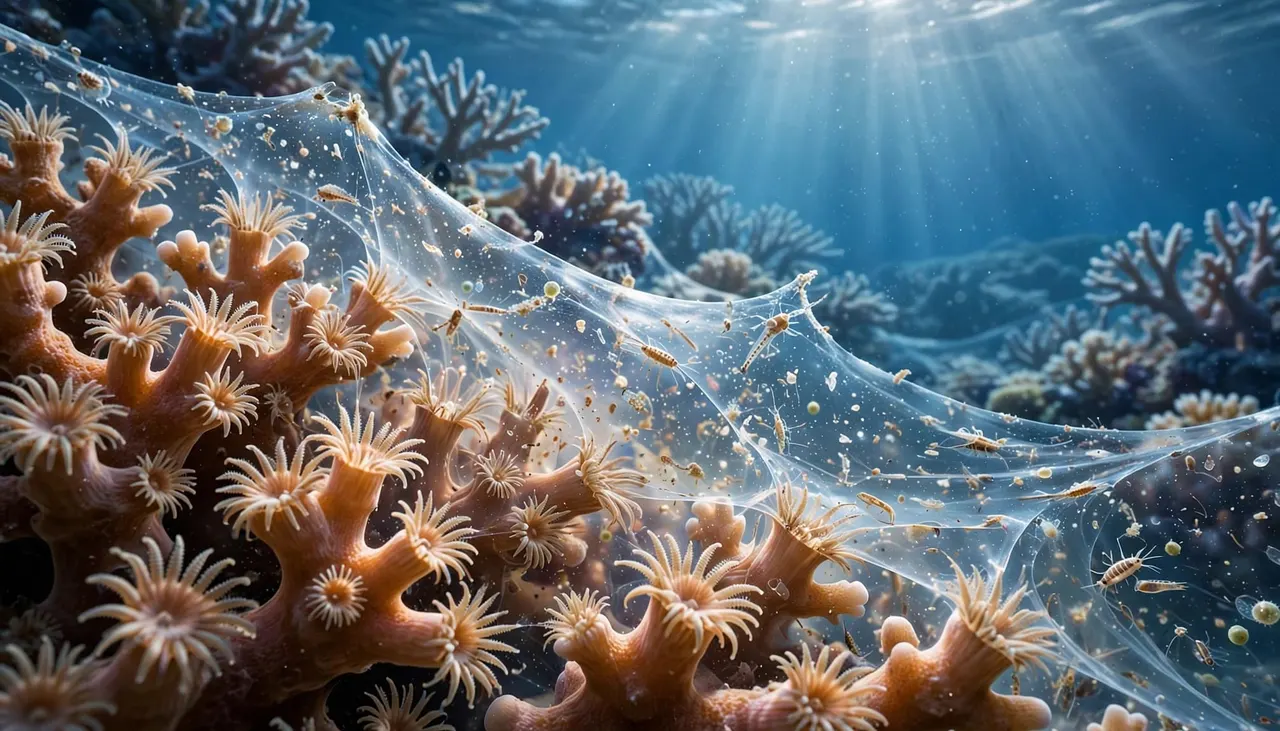
Mucus forms an interface between that tissue and the surrounding seawater. A study of coral mucus composition describes a mixture of complex sugars, proteins, and lipids, or fats.
That composition helps explain its sticky, gel-like properties. Water, particles, and microorganisms constantly meet this surface as currents pass across a colony.
Understanding that boundary changes how you approach snorkeling Oahu’s living reefs. The surface deserves as much care as the coral’s branching or rounded structure.
A Habitat for Microorganisms
Coral mucus also contains communities of bacteria and other microorganisms. These organisms belong to a much smaller reef community than the fish you came to watch.
Bacteria aren’t automatically harmful. Different microbes play different roles, and the relationship between coral and its microbial neighbors matters to reef biology.
For you, the practical lesson is simple: a coral colony has more going on than its shape suggests. Its living surface supports biological activity that deserves protection, even when your attention is on a passing butterflyfish.
How Coral Mucus Supports the Wider Reef
Sticky Material Traps Particles
Seawater carries suspended material across the reef. Mucus can catch those particles, so it connects coral surfaces with material moving through the water.
A Great Barrier Reef Marine Park Authority report identifies coral mucus as both a particle trap and an energy carrier.
That combination matters because organic material contains energy that other organisms can use. Mucus helps move that material through the reef community rather than keeping every nutrient attached to one coral colony.
Although the report concerns the Great Barrier Reef, it explains a broader reef process. It doesn’t measure conditions at a particular Oahu snorkeling site.
Detached Mucus Keeps Nutrients Moving
Mucus can separate from coral surfaces and enter the surrounding ecosystem. Once detached, it remains part of the reef’s biological activity.
Research published in Scientific Reports describes how detached mucus supports nutrient recycling. These mucus sheets help retain and recycle nutrients and metabolic products within reef ecosystems.
If you’re snorkeling Oahu for its colorful fish, this connection adds another layer to the experience. The reef’s food relationships involve organic material and microorganisms alongside the larger animals.
You don’t need to follow every step of that process underwater. Knowing that coral contributes material to the surrounding community helps you appreciate why protecting living colonies supports more than their appearance.
Why Mucus Doesn’t Tell the Whole Reef-Health Story
A coral’s mucus layer is one part of a larger living system. Water temperature, sunlight, sediment, and water quality also affect coral health.
Many reef-building corals depend on microscopic algae living within their tissues. These algae use sunlight and supply the coral with energy. During bleaching, coral loses many of these algae or their pigments, which exposes the pale skeleton beneath the tissue.
Bleaching and mucus perform different roles in coral biology. You shouldn’t treat either one as a complete explanation of everything happening across a reef.
When you’re snorkeling Oahu’s coastline, avoid judging an entire site by one coral patch. Different shapes and colors belong to different organisms, and a quick swim doesn’t provide a full biological assessment.
Instead, appreciate the relationships around you. Notice how fish move among coral structures and how water flows across the bottom. You can enjoy those details without handling anything.
Your responsibility remains the same across different reef conditions: keep clear of living surfaces and avoid adding physical disturbance.
How to Protect Coral While You Snorkel
Give Your Whole Body Clearance
Before snorkeling Oahu’s reefs, get comfortable with your mask and flotation equipment away from coral. An equipment adjustment becomes harder when you’re also trying to avoid the bottom.
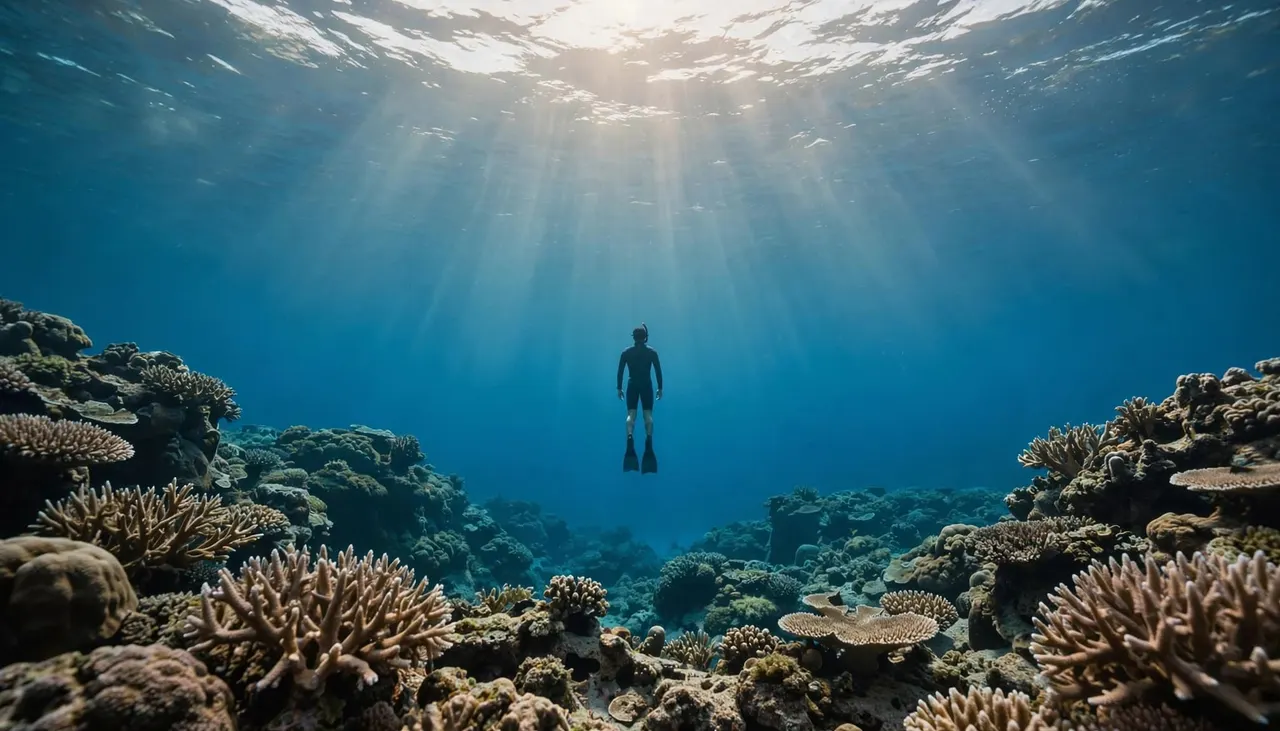
Float horizontally, keep your movements controlled, and remember that fins extend beyond your feet. Give yourself enough clearance for an unexpected kick or a small change in water movement.
If you need assistance, signal your guide. Don’t grab coral or stand on it while fixing your mask.
A clear gap beneath your chest doesn’t guarantee your fins are clear. Leave room for your entire body and equipment.
The same awareness applies to cameras. Secure your equipment so it doesn’t drag across the reef while you concentrate on a photograph.
Reduce Sediment Disturbance and Protect Your Skin
Strong kicks near the bottom can lift sand into the water. Use relaxed movements and avoid hovering so low that your fins stir up sediment.
Hawaii’s Division of Aquatic Resources recommends standing on sand rather than coral. For snorkeling, staying afloat and away from the bottom usually gives you more control.
A long-sleeve rash guard reduces the amount of skin that needs sunscreen. On exposed areas, choose mineral-based protection without oxybenzone or octinoxate.
However, a “reef-safe” label isn’t a promise that a product has no environmental effects. Clothing, shade aboard the boat, and careful sunscreen choices work together as practical sun protection.
Plan a Reef-Minded Outing With Our Crew
Your snorkeling Oahu experience should match your swimming comfort as well as your curiosity. A relaxed pace gives you time to appreciate coral textures and fish behavior without rushing after wildlife.
Our snorkeling and ocean tours depart from Kewalo Basin Boat Harbor near Waikiki. At Living Ocean Tours, we emphasize observing marine life without touching it and helping beginners feel comfortable with their equipment.
That support matters when you’re learning how to float above a reef. Ask for help before an equipment problem distracts you from your surroundings.
For families, our Waikiki snorkeling tours offer an opportunity to practice these habits together. Before entering the water, agree that everyone will leave coral, shells, and animals where they belong.
You can also make the outing more rewarding by learning a few fish names. Recognizing a butterflyfish or Moorish idol gives you something to notice without chasing an animal for a closer view.
Choose your experience around responsible observation. You can enjoy an exciting day on the ocean while keeping your hands, fins, and equipment clear of the reef.
Frequently Asked Questions About Coral Mucus
Is Coral Mucus the Same as Algae?
No. Coral produces mucus, while algae are separate organisms. Some microscopic algae live within coral tissues and provide energy through photosynthesis.
Other algae grow on reef surfaces. These relationships are different, so you shouldn’t use “mucus” and “algae” interchangeably when describing coral biology. Keeping the terms separate helps you understand what different parts of the reef do.
Should You Clean Sand or Material Off Coral?
Leave coral undisturbed. Brushing, wiping, or handling a colony can damage its living tissue, even when you’re trying to help.
Your useful contribution is preventing extra disturbance. Keep your fins clear of the bottom, avoid stirring up sand, and never move coral to improve a photograph. If something concerns you, point it out to your guide without touching it.
Can You Take a Closer Look Without Touching?
Yes, provided you maintain control and leave enough space for water movement. Watch while floating calmly rather than descending until your equipment nearly reaches the coral.
If staying in position requires hard kicking or grabbing something, move away. A comfortable viewing distance lets you focus on marine life without turning your observation into physical contact.
Leave the Reef’s Living Surface Undisturbed
Coral mucus connects a colony’s living tissue with the wider reef through particle trapping, microbial communities, and nutrient recycling. Understanding those roles gives you a fuller appreciation of the habitat beneath your fins.
Your strongest contribution during a snorkel is careful distance. Float calmly, keep your equipment clear, and let coral and wildlife carry on undisturbed.
You don’t need to touch the reef to make a meaningful connection with it.


