
Snorkeling Oahu: A Hawaiian Sea Anemone Field Guide
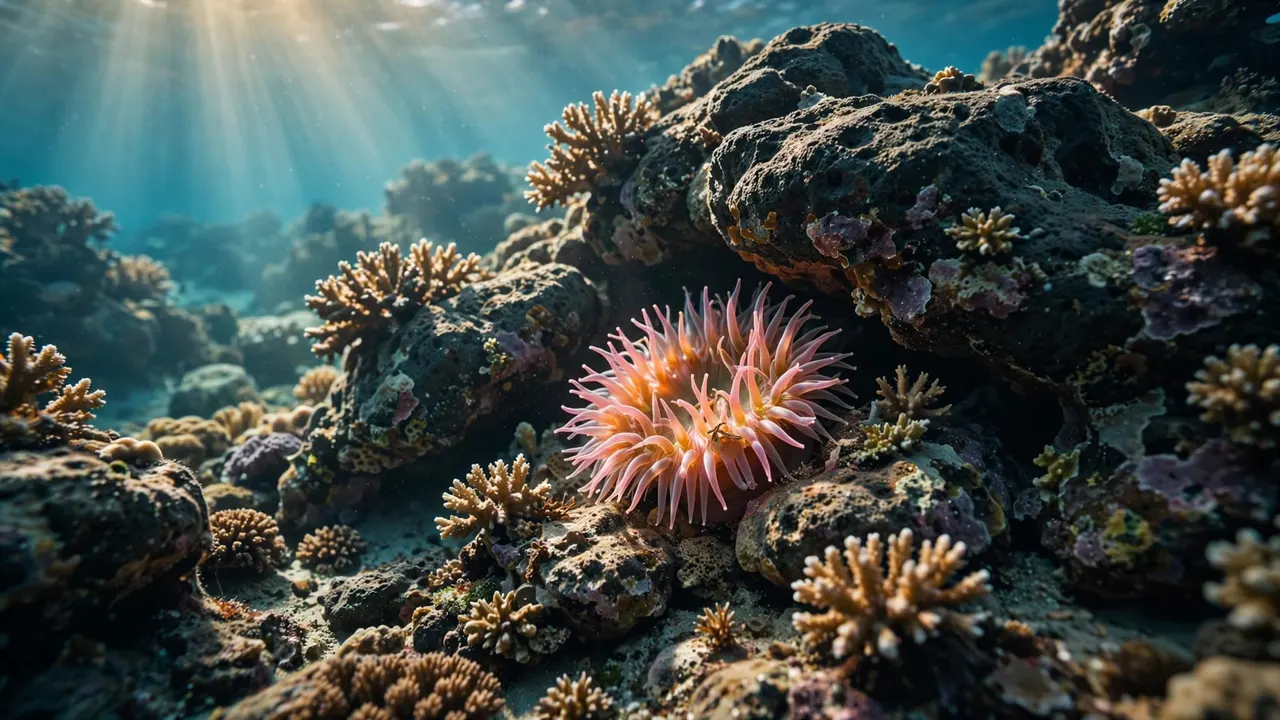
When you’re snorkeling Oahu’s reefs, sea anemones reward a closer look at sheltered crevices and rock faces. These tentacled animals belong to the same broad group as corals and jellyfish, and your first rule is simple: observe without touching.
At Living Ocean Tours, our Oahu ocean tours bring you into a marine community worth exploring slowly. Start with anemone anatomy, then learn how to notice these smaller reef residents without disturbing their surroundings.
Key Takeaways
- Sea anemones are animals with tentacles, a central mouth, and stinging cells used for feeding and defense.
- Bishop Museum documents the orange-striped sea anemone, Diadumene lineata, in Kaneohe Bay on Oahu.
- A documented species record doesn’t mean you’ll encounter that animal on a Waikiki snorkeling trip.
- Your best field skills are patient observation, comfortable flotation, and keeping your hands and fins away from the reef.
What to Notice While Snorkeling Oahu’s Reefs
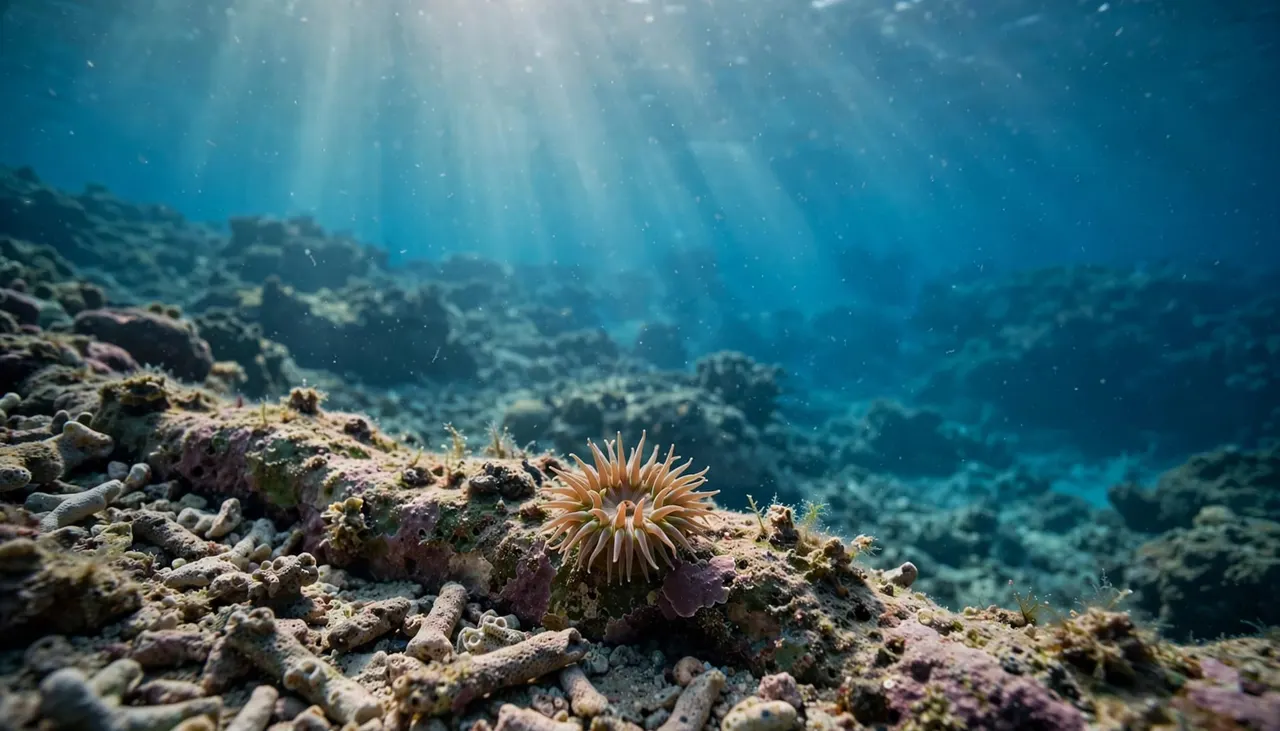
Illustrative reef scene, not a species-identification reference.
Look for a central disk and surrounding tentacles
A sea anemone has a soft, column-shaped body topped by an oral disk. Its mouth sits near the center, with tentacles arranged around it. The base usually attaches to a surface through an adhesive pedal disk.
Depending on the animal’s position, you might see only the tentacles extending beyond a crevice. A contracted anemone can look quite different because its tentacles retract.
Instead of reaching closer, pause at a comfortable distance. Notice the arrangement of the tentacles and whether you can distinguish one central mouth. These features give you more useful information than a bright color alone.
Separate anemones from their neighbors
Corals and anemones share the basic body plan of a polyp. However, reef-building stony corals produce hard skeletons, while a sea anemone has a soft body.
Other reef organisms can also look flower-like underwater. A ring of tentacles is a useful starting clue, but it isn’t enough for a confident species identification.
Because coral reef communities contain many closely packed animals, your first task is separating one organism from its surroundings. Follow the outline with your eyes, without moving rocks or brushing away neighboring growth.
An Oahu Species Record: The Orange-Striped Sea Anemone
What Bishop Museum describes
The orange-striped sea anemone, Diadumene lineata, gives you one documented Oahu example to recognize in a field guide.
Bishop Museum’s marine invertebrate guide describes a tentacular crown reaching 3.5 centimeters across and a body reaching 3 centimeters high. It also describes 50 to 100 slender tentacles that can retract.
Those dimensions explain why a small anemone can disappear against a busy underwater background. Its crown can be smaller than the width of two fingertips, even when extended.
Keep the scientific name alongside your observations. Common names help you remember an animal, but they don’t replace its body features or establish where you’ll find it.
What the Kaneohe Bay record tells you
Bishop Museum’s guide records this species in Kaneohe Bay, Oahu. Its described habitats include stones, shells, pilings, and floating docks in intertidal pools and shallow, protected settings.
That is a location record, rather than a promise of an encounter. It doesn’t establish that this species is common throughout Oahu or present at every snorkeling reef.
If you’re snorkeling Oahu’s coastal waters with anemones in mind, separate the habitat you’re observing from a species name you’re hoping to apply. You can appreciate an unfamiliar animal without assigning it a label.
For a useful observation, remember its attachment surface, approximate size, and tentacle arrangement. A photograph can preserve those details without collecting or handling anything.
How Sea Anemones Fit Into a Living Reef
Sea anemones belong to the phylum Cnidaria and the class Anthozoa. Their tentacles contain specialized cells called cnidocytes, which house stinging structures known as nematocysts.
These structures help capture prey and defend the animal. Although an anemone can resemble an underwater flower, its tentacles are part of an animal’s feeding equipment.
Anemones also participate in relationships with other marine animals. For example, some hermit crabs carry anemones on their shells. The Smithsonian’s reef education guide describes the anemones’ role in providing camouflage and stinging protection. This is a broader marine relationship, rather than a sighting to expect during every Oahu swim.
Small animals can change how you experience snorkeling Oahu’s reefs. Instead of watching only the fish moving above the bottom, you begin noticing the animals attached below them.
You don’t need to witness feeding or identify every organism for that observation to matter. Simply recognizing a tentacled animal as part of the reef’s living community gives you a more accurate picture of the habitat.
Observe Anemones Without Disturbing the Reef
Keep your body clear of the bottom
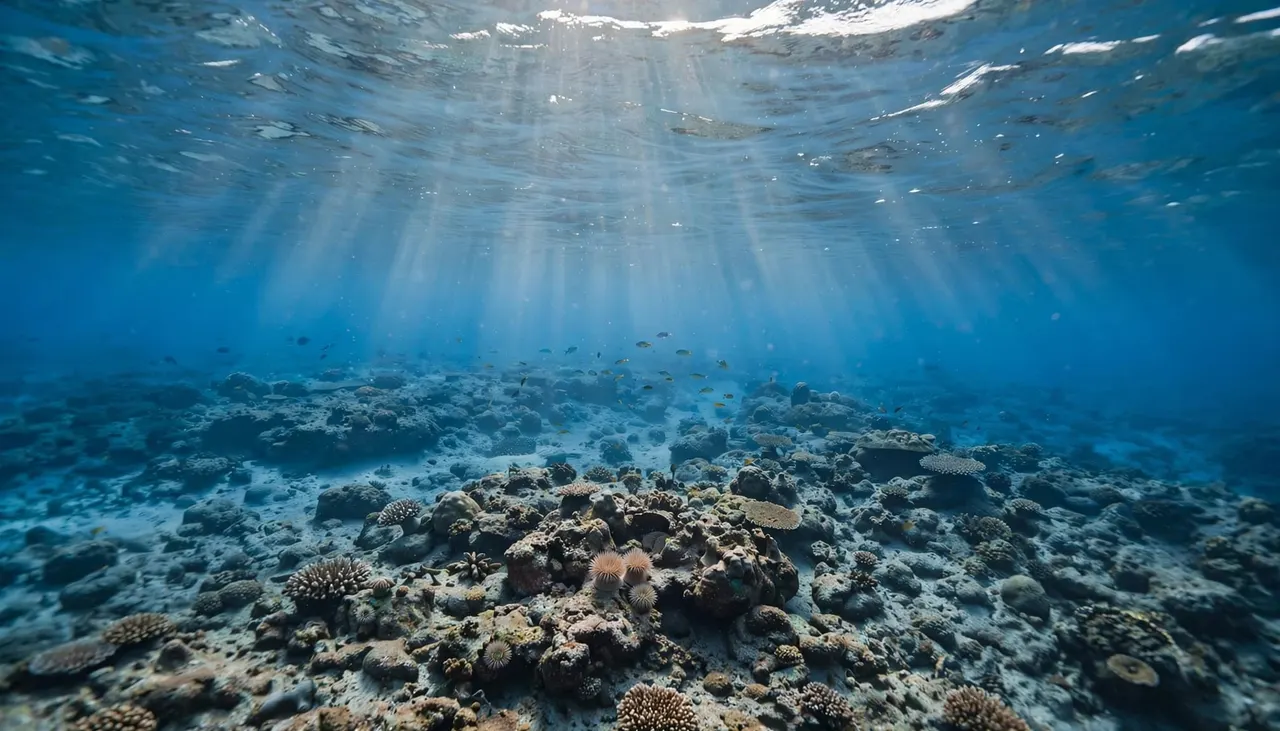
For families snorkeling Oahu’s reefs, comfortable flotation matters more than getting a close-up. Stay where you can remain horizontal without standing, kneeling, or bracing yourself against coral.
Keep your fins clear, too. A kick that misses the animal can still strike its surroundings or stir sediment into the water.
Maui Nui Marine Resource Council’s responsible snorkeling guidance reinforces the same practical rule: don’t touch or stand on coral, and don’t approach or touch protected wildlife.
If you need to hold the reef to stay in position, move away rather than continuing the observation.
Never poke an anemone to make it retract. That response is a disturbance, not a demonstration to arrange for your camera.
Let conditions determine your viewing distance
Hawaii Ocean Safety advises snorkeling with a buddy and avoiding high surf, strong currents, heavy shorebreak, and high winds. Murky water also reduces your ability to see hazards and keep track of your surroundings.
Stay close enough to your buddy to communicate. If either of you feels tired or uncomfortable, end the observation and return together.
For photographs, use the distance your swimming control allows. Take a wider image if the reef is too shallow for a close approach. You can crop an image later; you can’t undo contact with a fragile animal.
Don’t reach into cracks or lift rocks for a better view. Leave sheltered spaces intact, even when something interesting disappears inside them.
Explore Waikiki With Our Professional Snorkel Guides
You can enjoy reef watching without handling every detail yourself. At Living Ocean Tours, we’re Oahu’s only tour company with professional snorkel guides, so you have in-water support as you learn.
Our guides help you get comfortable snorkeling Oahu’s coastal waters while reinforcing respectful wildlife viewing. Tell your guide you’re interested in smaller reef animals, and keep expectations open to whatever the conditions reveal.
Our guided Waikiki snorkeling trips depart from Kewalo Basin Boat Harbor, near Waikiki. You have snorkeling equipment and instruction, plus shaded seating, onboard restrooms, and sturdy ladders for returning to the boat.
These are reef and wildlife outings, rather than guaranteed anemone encounters. The value is having support while you explore the wider underwater community.
For a guided Waikiki reef outing, you can CHECK AVAILABILITY and choose a departure that fits your plans.
Hawaiian Sea Anemone FAQ
Can beginners enjoy looking for sea anemones?
Yes, provided you stay within your swimming ability and put comfort ahead of searching. You don’t need to dive down or enter tight spaces to enjoy smaller reef life.
First, get comfortable breathing through your snorkel and floating without touching the bottom. Then observe whatever is visible from that position.
A guided outing gives you support, but you should still communicate your experience level and any discomfort. If looking down distracts you from your buddy, your breathing, or your position, return your attention to those essentials.
Will you see sea anemones on every Oahu snorkeling trip?
No particular animal is guaranteed on a wild reef. Small size, concealment, visibility, and your viewing distance all affect what you can notice.
A documented Kaneohe Bay species record also doesn’t establish an encounter on a different coastline. Plan your trip around enjoying the habitat rather than finding one named animal.
If you don’t see an anemone, you can still practice useful observation skills. Notice attachment surfaces, distinguish living growth from bare rock, and watch how much reef detail becomes visible when you stop rushing.
Leave the Reef as You Found It
The reward for snorkeling Oahu’s reefs is often in the small details. Learning to recognize an anemone’s basic shape helps you notice animals that a faster swim might miss.
Let your swimming control and the conditions set your distance. Keep your hands away, leave rocks in place, and enjoy the reef without requiring a particular sighting.
A successful encounter ends with the animal undisturbed and you returning comfortably with your buddy.


