
Snorkeling Oahu: How Acidification Affects Coral
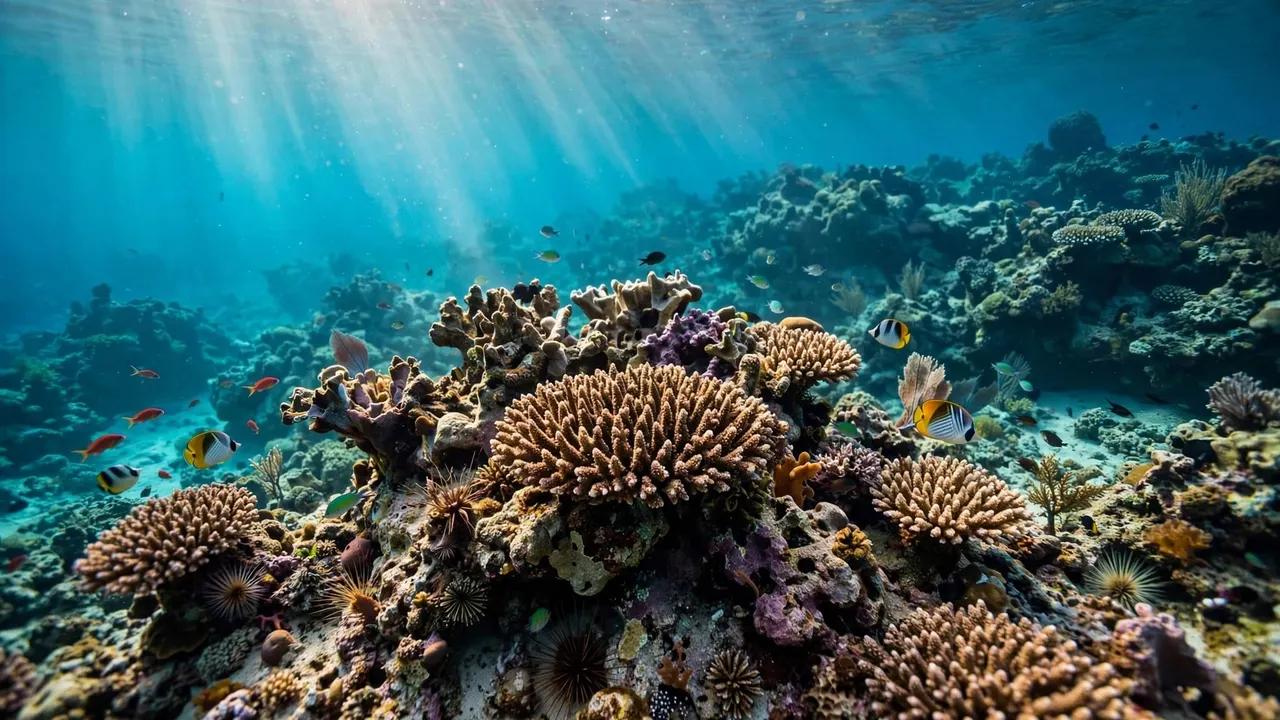
Ocean acidification makes it harder for many corals to build and maintain the skeletons that support a reef. When you’re snorkeling Oahu, you’re floating above living animals whose limestone frameworks depend on the chemistry of the surrounding water.
At Living Ocean Tours, our Waikiki snorkeling tours and cruises introduce you to these underwater communities through respectful observation. Understanding coral skeletons helps you appreciate what you’re seeing without mistaking every pale patch for acidification damage. Start with the connection between carbon dioxide, seawater, and coral growth.
Key Takeaways
- Ocean acidification reduces the availability of carbonate ions, which corals need to build calcium carbonate skeletons.
- Skeletal growth and density can respond differently, so a coral’s appearance doesn’t reveal its full condition.
- Warming, pollution, and physical damage add pressures that affect how reefs respond to changing chemistry.
- Your practical contribution starts with keeping your hands, feet, and fins away from living coral.
What Ocean Acidification Changes Underwater
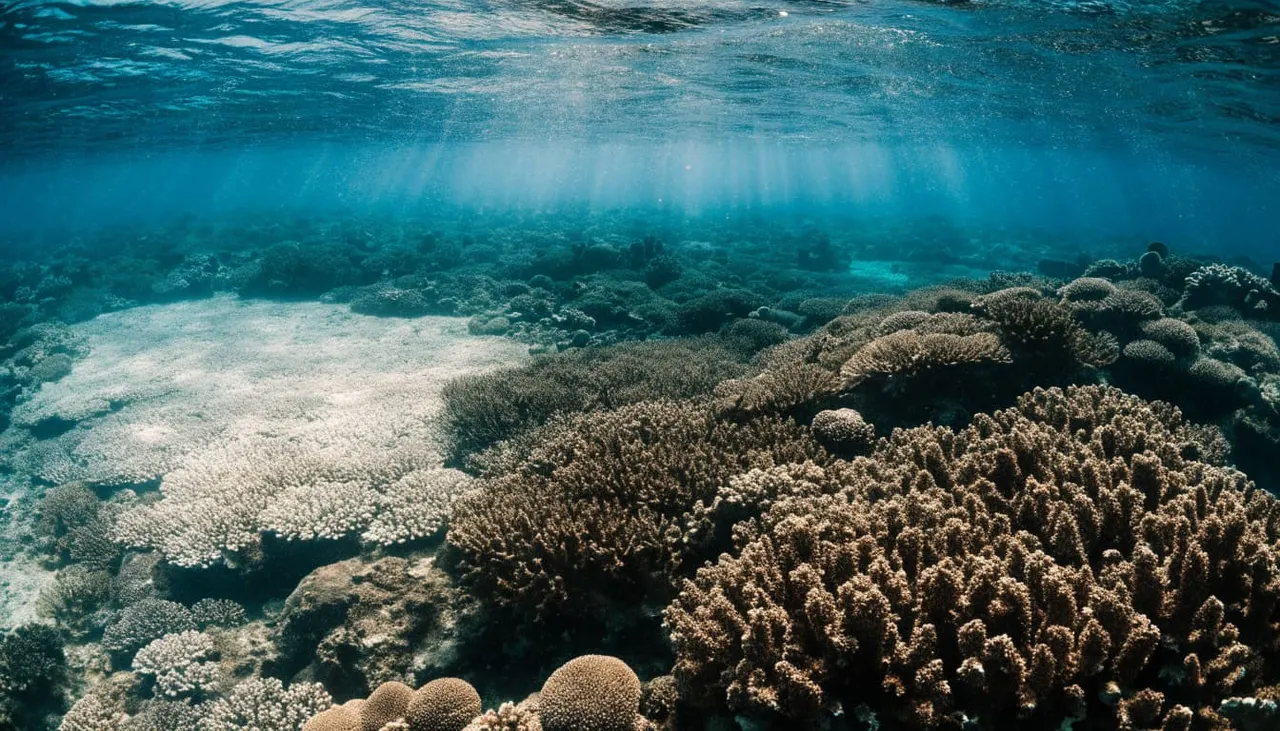
An illustrative reef scene, not a diagnosis of conditions at a particular Oahu site.
Carbon dioxide changes the building materials
The ocean absorbs carbon dioxide from the atmosphere. Once dissolved, that carbon dioxide changes seawater chemistry through reactions that increase hydrogen ions and reduce available carbonate ions.
Corals need carbonate ions and calcium to construct their skeletons. Although calcium remains abundant in seawater, declining carbonate availability makes the conditions for skeleton building less favorable.
NOAA’s guide to understanding ocean acidification explains this connection between seawater chemistry and marine shells and skeletons. The process happens beyond what your mask can reveal, even when the water looks clear.
Acidification doesn’t mean the ocean is acidic
Seawater is naturally alkaline, meaning its pH is above neutral. Ocean acidification describes a shift toward lower pH, not a change into an acidic swimming environment.
You won’t feel this chemistry change on your skin. Nor can you judge it by water color, visibility, or whether fish are present.
For reef-building organisms, however, that shift matters. Their skeletons form under particular chemical conditions, and a gradual change can affect growth over time.
Why Coral Skeletons Become Harder to Build
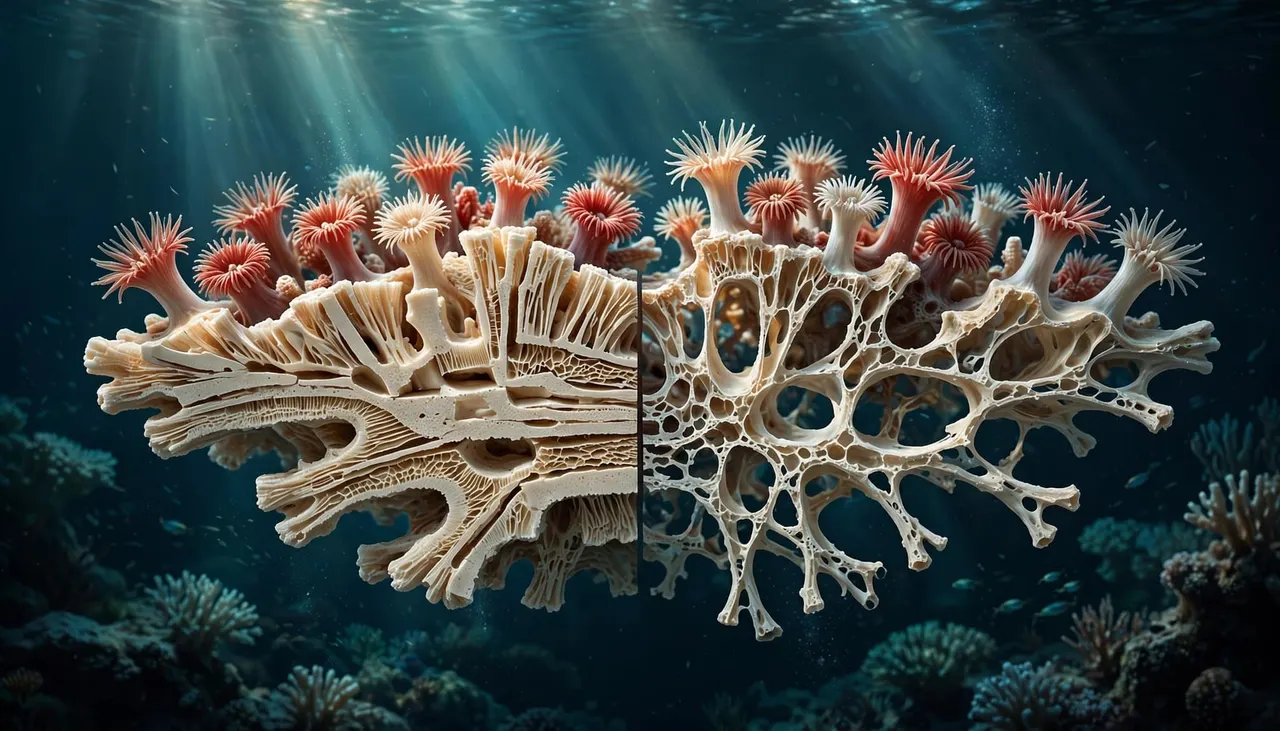
Conceptual illustration of skeletal structure, rather than a measured comparison of particular coral colonies.
Aragonite supports the living colony
The reef beneath you contains countless coral polyps, small animals that build a shared framework. Reef-building corals make their skeletons primarily from aragonite, a form of calcium carbonate.
The process is called calcification. As colonies grow, they add material beneath their living tissue and expand the structure that shelters other marine life.
NOAA’s review of acidification impacts on coral reefs describes how reduced carbonate availability can limit skeleton production. However, corals regulate conditions where calcification occurs, so their responses aren’t identical across species or environments.
Growth, density, and erosion are different measures
A coral can extend outward without producing an equally dense skeleton. Therefore, researchers examine more than the size or shape you can see during a swim.
Aragonite saturation describes how favorable seawater chemistry is for forming or maintaining that mineral. Below a saturation state of one, exposed aragonite is chemically prone to dissolution.
That threshold isn’t a universal prediction of when a living coral will die. Tissue protection, biological regulation, and local conditions also matter.
A coral colony can keep growing while changes in skeletal density remain invisible to a snorkeler.
Across a reef, the balance between new carbonate production and material lost through erosion determines whether the structure builds up or wears down.
What Hawaiian Reef Research Can Tell You
Pollution can compound chemical stress
Research reported by the US Geological Survey at Kahekili Beach Park on west Maui examined corals exposed to polluted groundwater.
Water from seafloor springs had lower pH and nitrate concentrations about 50 times higher than normal. Scans showed coral bioerosion rates up to eight times greater than expected away from the pollution source.
These findings show how water quality and chemistry can interact. When you’re snorkeling Oahu, however, they shouldn’t become a diagnosis of the reef beneath you. The measurements describe that Maui study, not every Hawaiian coastline.
Temperature and sunlight also influence growth
A year-long experiment involving the Hawaiian coral Montipora capitata found that temperature and light were the main drivers of net calcification. Elevated carbon dioxide played a smaller role under those experimental conditions.
High light combined with elevated temperatures also produced harmful effects. That result helps explain why acidification deserves attention alongside warming and other pressures.
You’ll understand reefs more accurately when you resist assigning every change to one cause. A colony’s response depends on its species, surroundings, and exposure to multiple stresses.
What You Can See While Snorkeling Oahu
You can appreciate coral architecture without trying to diagnose its chemistry. Notice rounded colonies, branching forms, and the small spaces where fish shelter.
Living tissue covers the skeleton, although it may be difficult to distinguish through a mask. Color varies naturally, and some healthy corals look brown rather than bright pink or purple.
A white patch can have several explanations, including exposed skeleton or bleaching. Bleaching occurs when corals lose much of their symbiotic algae or their pigments, often during heat stress. Acidification is a different process.
NOAA distinguishes these pressures in its explanation of ocean chemistry and marine building blocks. A single underwater photograph can’t separate all their effects.
Instead, enjoy the whole community. Watch fish move through gaps, notice how colonies create shelter, and keep enough distance to observe without contact. Your best view never requires touching the reef.
Protect the Reef While You Enjoy It
Your behavior can’t reverse global ocean chemistry during one swim. However, you can avoid adding physical damage to organisms already facing environmental pressures.
Reef condition also depends on the balance between carbonate production and loss. NOAA’s reef carbon monitoring framework examines this broader picture, beyond the appearance of individual colonies.
Give your fins room
Before entering the water, get comfortable with your mask and flotation equipment. Then keep your body horizontal and look behind you before kicking near coral.
Never stand on a colony to fix your mask. If you need assistance, signal your guide rather than reaching for the bottom.
If you’re snorkeling Oahu with children, practice floating and gentle kicks before approaching reef areas. Extra space protects both the coral and a beginner who needs room to settle.
Keep wildlife encounters hands-off
At Turtle Canyons, Hawaiian green sea turtles visit a natural cleaning station where fish remove material from their shells. Let that interaction continue without chasing, touching, or blocking an animal’s path.
Secure your camera so it doesn’t swing into coral. Also, avoid feeding fish or collecting reef pieces.
A rash guard reduces how much sunscreen you need on covered skin. For exposed areas, mineral-based sunscreen is an option, but a “reef-safe” label isn’t a guarantee of zero environmental impact.
Explore Waikiki With Professional Snorkel Guides
For couples and families snorkeling Oahu, professional guidance helps you focus on wildlife while learning how to move respectfully around the reef.
At Living Ocean Tours, we’re Oahu’s only tour company with professional snorkel guides. You receive guidance on equipment and responsible wildlife viewing, with crew support throughout your outing.
Our departures from Kewalo Basin Boat Harbor put you close to Waikiki. Beginners can ask for help early, rather than struggle with a mask or unfamiliar fins near coral. Tell your guide about your swimming comfort before entering, and stay within the limits discussed during the briefing.
You can choose an ocean outing that fits your group’s interests and comfort level.
Our Deluxe Waikiki Snorkeling and Wildlife Cruise combines reef exploration with a boat-mounted waterslide, water trampoline, and floating lily pad. It’s an option when your family wants wildlife viewing and extra water activities in one outing.
For a deluxe snorkel and wildlife cruise, you can CHECK AVAILABILITY for your preferred date.
Frequently Asked Questions
Does snorkeling Oahu reveal acidification damage?
You can’t reliably identify acidification damage by looking through a mask. Researchers use seawater measurements, skeletal analyses, and repeated observations to understand changes.
Broken branches, pale tissue, or low coral cover can reflect several pressures. Enjoy observing reef life, but avoid treating one patch as proof of a chemical trend. Even neighboring colonies can differ because of species, light exposure, water movement, and their history.
Can coral keep growing as ocean acidification increases?
Yes, some corals continue calcifying under less favorable chemistry. However, growth rate, skeletal density, and energy demands can change, and responses vary among species.
A growing colony also doesn’t prove that the entire reef is gaining structure. Erosion can remove material faster than the community replaces it. That distinction matters because the reef’s shelter depends on accumulated structure, not just the survival of individual colonies.
Leave Space for the Reef to Grow
When you’re snorkeling Oahu, the coral beneath you is both a living community and a structure built over generations. Changing seawater chemistry can make that construction harder, especially alongside heat and pollution.
Your most useful habit is careful observation: float clear of coral, control your fins, and give wildlife room. Understanding the skeleton beneath the living tissue makes the reef worth a closer look, from a respectful distance.


