
Snorkeling Oahu: How Reef Algae Compete With Coral
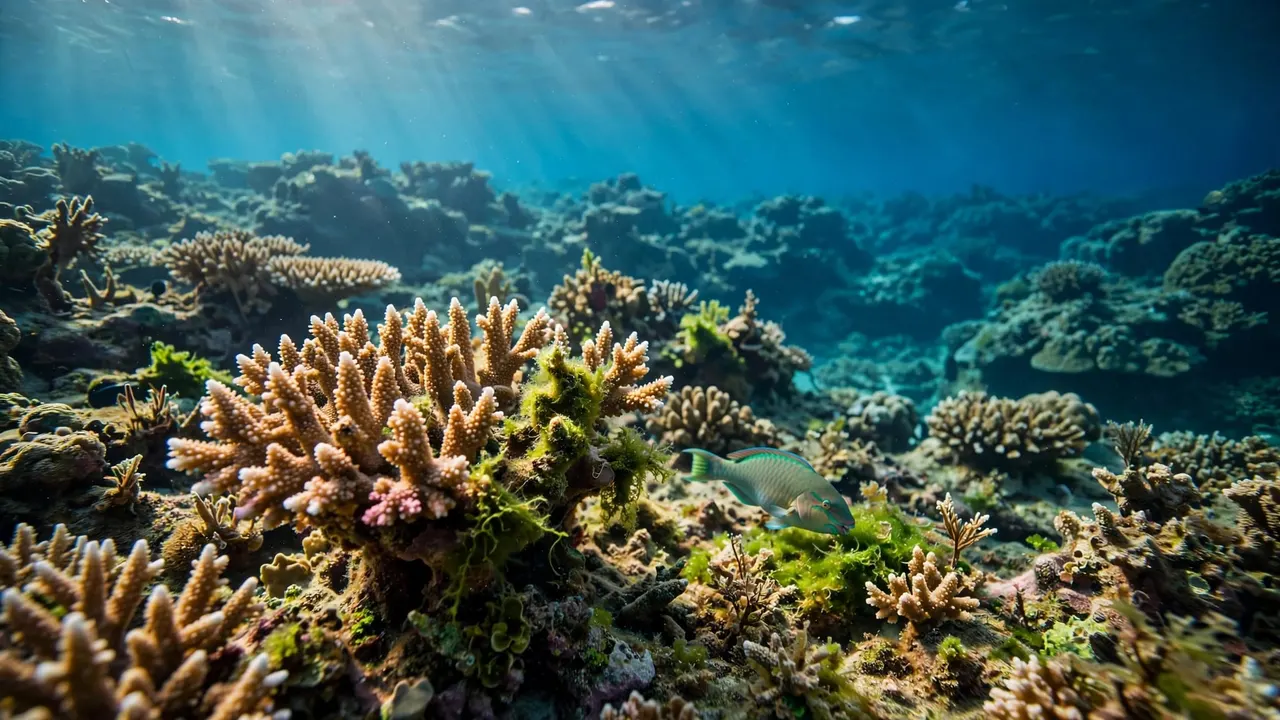
Reef algae compete with coral for limited space, and algae-eating animals help keep that competition in balance. When you’re snorkeling Oahu reefs, the fish feeding beside a coral colony are part of the story beneath your fins.
At Living Ocean Tours, our professional snorkel guides help you enjoy the reef through respectful observation. Understanding the difference between algae that support coral and algae that compete with it gives you more to notice during your swim.
Key Takeaways for Your Reef Visit
- Algae are a natural part of Hawaiian reefs. Different groups play different roles, so an algae-covered surface doesn’t automatically mean a reef is unhealthy.
- Herbivorous fish consume algae and influence the balance between algae and coral. Their everyday feeding deserves attention alongside larger wildlife.
- Your visit offers a glimpse of the reef, not a complete health assessment. Coral cover, grazing activity, and environmental conditions need longer observation to reveal meaningful trends.
The most useful starting point is simple: reef space is limited, and many organisms depend on it.
How Algae and Coral Compete for Reef Space
A shared surface creates competition
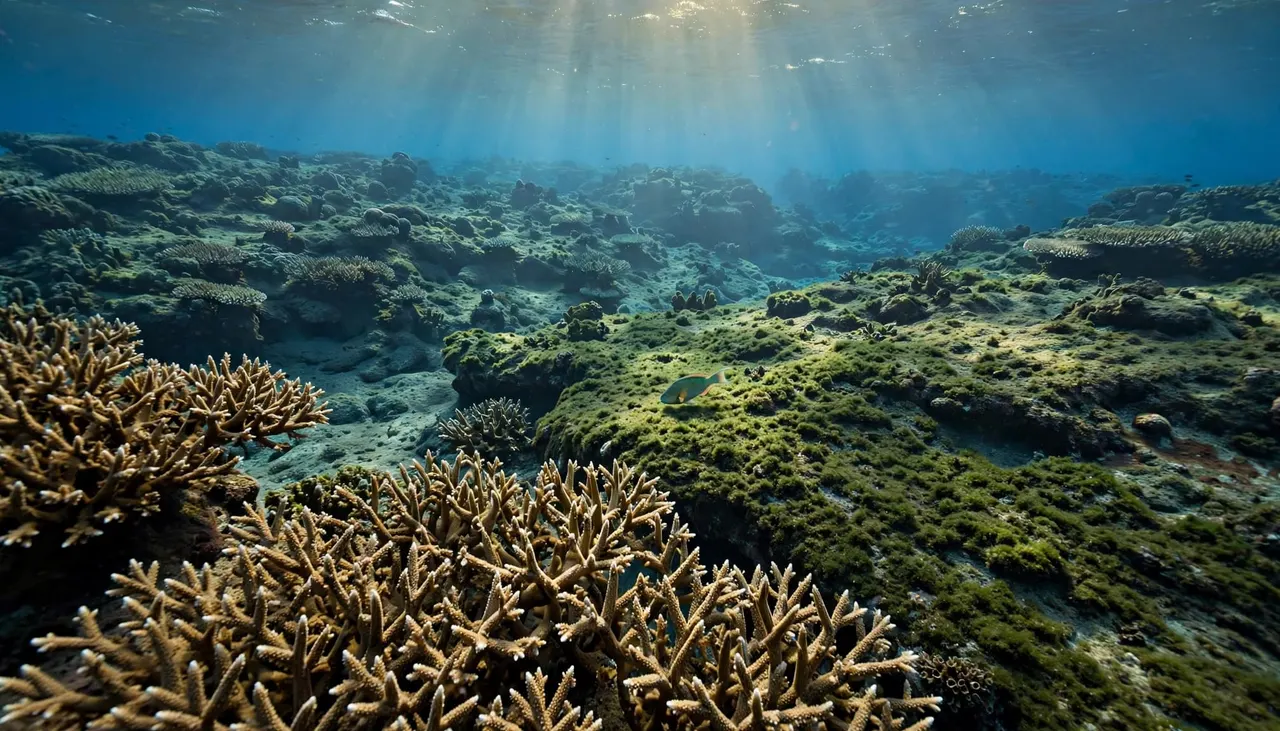
Reef-building corals are animals that build hard skeletons. Meanwhile, algae occupy surfaces throughout the reef, including exposed rock and other available substrate.
That overlap creates competition. Space occupied by one organism isn’t freely available to another, and the balance can change as organisms grow or animals feed.
While snorkeling Oahu reefs, you’re viewing that competition at different scales. A large coral colony catches your eye immediately, but the small patches between colonies also matter. Those surfaces help determine what can establish itself next.
Coral growth involves more than surviving adults
An established colony is only part of a coral population. Young corals also need suitable places to settle and grow.
Therefore, reef recovery depends partly on what happens across the surrounding bottom. Grazing, available surfaces, and environmental conditions all influence the opportunities for new coral.
You won’t see most newly settled corals during an ordinary snorkel. However, knowing they’re there changes how you interpret apparently unoccupied reef surfaces. What looks like background habitat can be important to the reef’s future.
Different Algae Have Different Roles
Visible reef algae aren’t one uniform group
The algae you notice while snorkeling Oahu waters can have different forms. Some appear as short growth close to a surface; others form larger, more obvious structures.
Scientists distinguish groups such as turf algae, macroalgae, and crustose coralline algae. The Hawaii Coral Reef Initiative report includes research on several major algae groups, including green algae and crustose coralline algae.
That variety matters because a single label hides different ecological roles. You can’t interpret every green, brown, or pink patch in the same way.
Even color alone gives you limited information. Underwater light and viewing distance can change how a surface looks.
Coral also has an algae partnership
Some algae live inside coral tissue rather than growing across the surrounding reef. These microscopic partners, commonly called zooxanthellae, use sunlight to produce energy that helps support the coral.
That relationship is different from competition between coral and algae occupying reef surfaces. One concerns a partnership within the animal; the other concerns organisms sharing limited habitat.
Consequently, the phrase “algae versus coral” needs context. Algae can contribute to coral nutrition while other algae compete for reef space nearby.
For your visit, the useful distinction is between algae inside coral and algae growing across the reef around it.
Why Algae-Eating Fish Matter
Feeding changes the competition
Herbivorous reef fish consume algae and other bottom-growing food. As a result, their feeding can influence the amount and type of algae occupying reef surfaces.
When snorkeling Oahu reefs, you may notice fish repeatedly approaching the bottom. Those movements deserve attention, although you shouldn’t assume every approach is feeding or every fish has the same diet.
A 2018 NOAA-hosted research paper describes the strong influence herbivorous fish grazing can have on macroalgae cover. This helps explain why fisheries management belongs in conversations about coral conservation.
Protecting coral habitat involves more than considering the coral itself. The animals that interact with nearby algae also matter.
Hawaii research connects grazing with management
Hawaii introduced herbivore protections at Kahekili on Maui in 2009, following concerns about declining coral cover and recurring macroalgal blooms.
A 2016 study of herbivore protection examined fish and bottom communities over six years. Its focus connects management decisions with changes in the animals and surfaces that shape reef competition.
Kahekili is on Maui, so its findings shouldn’t become a claim about conditions at every Oahu snorkel site. Still, the research offers a concrete Hawaiian example of why grazing receives so much attention.
You can appreciate a colorful fish for its appearance while also recognizing that its feeding may have an ecological role.
Why Grazing Alone Doesn’t Guarantee Coral Recovery
Grazing matters, but coral reefs respond to several pressures at once. Water temperature, water quality, sediment, and physical disturbance can affect coral even where herbivores remain present.
For example, reducing algae doesn’t remove heat stress. Similarly, protecting fish doesn’t repair every source of poor water quality.
Research on herbivore management and coral persistence describes herbivore protection as a potential contribution to reef persistence under suitable circumstances. It doesn’t present that protection as a complete solution.
This distinction helps you avoid an overly simple story. More grazing can influence competition, but the outcome also depends on the broader conditions affecting coral.
Timing matters, too. Fish populations, algae cover, and coral populations don’t necessarily respond at the same speed. A change in one part of the system may precede a visible change elsewhere.
When you hear about a conservation project, separate its immediate goal from its longer-term hopes. Protecting herbivores is a defined action. Coral recovery is an outcome influenced by multiple conditions.
What You Can Learn From a Brief Snorkel
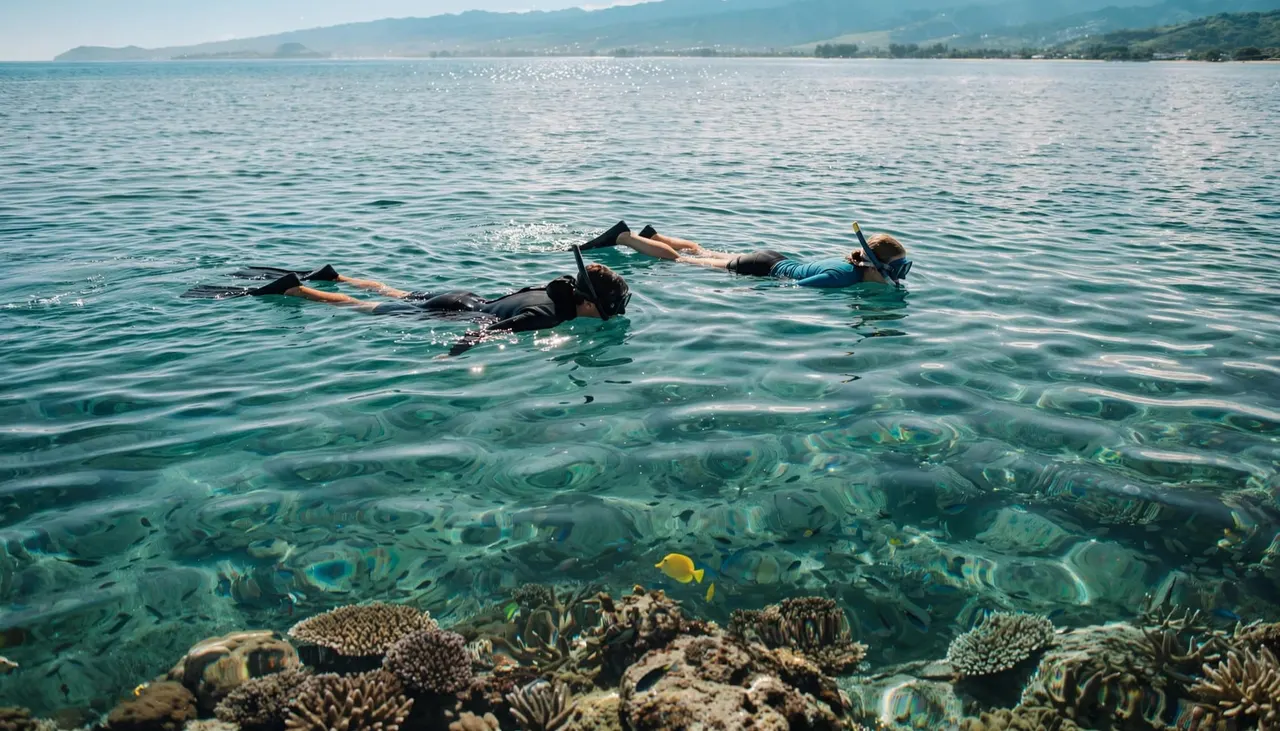
While snorkeling Oahu waters, you get a close view of relationships that are easy to miss from a boat. Coral colonies, algae-covered surfaces, and moving fish share a surprisingly small area.
However, a single encounter can’t establish whether the reef is improving or declining. Scientists need repeated observations and consistent methods to identify those trends.
Even a busy scene can be difficult to interpret. Several fish passing through your view don’t tell you how much grazing occurs across the whole reef. Likewise, one patch of visible algae doesn’t describe conditions beyond that patch.
What your visit can provide is a better understanding of connections. You can recognize that fish use different parts of the habitat and that coral colonies sit within a wider living community.
For families, that changes the conversation after the swim. Instead of remembering only the largest animal, you can discuss how smaller animals interact with the reef.
A fish sighting tells you which animal was present. Repeated scientific surveys help reveal whether its population and habitat are changing.
Explore Waikiki’s Reef With Professional Support
If you’re snorkeling Oahu for the first time, equipment comfort and in-water guidance help you focus on the experience. At Living Ocean Tours, we’re the only tour company on Oahu with professional snorkel guides.
Our Waikiki snorkeling options depart from Kewalo Basin Boat Harbor, minutes from Waikiki. You receive guidance on responsible wildlife viewing, along with support for enjoying your time in the water.
You don’t need to identify every organism to appreciate the reef. Understanding a few relationships gives your visit more meaning without turning your vacation into a biology exam.
For water-loving families, our guided snorkeling tours pair ocean adventure with professional support. When you’re ready to plan a reef outing, CHECK AVAILABILITY for your travel dates.
Our approach centers on observing wildlife without touching, feeding, or chasing it. You get to enjoy the reef while respecting the animals and habitat that make the experience worthwhile.
Frequently Asked Questions About Reef Algae
Does visible algae mean a reef is unhealthy?
No. Algae naturally occur on coral reefs, and different groups have different roles. You need more information than the presence of algae to assess reef condition.
Researchers consider factors such as algae type, coral cover, grazing, and changes over time. A brief visit can’t provide that full picture.
Are coral’s microscopic algae the same as seaweed?
They aren’t the same organisms you usually recognize as seaweed growing on reef surfaces. Coral’s microscopic partners live within its tissue and contribute energy through photosynthesis.
For you, the important distinction is their location and relationship with coral. Internal partners support coral nutrition, while surrounding reef algae participate in competition for space.
Can you recognize a reef’s grazing balance during one trip?
You can observe possible feeding activity, but you can’t measure the reef’s overall grazing balance during a casual swim.
Fish differ in diet, feeding behavior, and habitat use. Your observations become more meaningful when you understand those differences, yet scientists still need structured surveys to evaluate broader patterns.
See the Reef as a Connected Community
When you’re snorkeling Oahu reefs, coral and algae belong to a larger story that includes grazing animals and environmental conditions. Understanding those connections makes even an ordinary fish sighting more interesting.
The strongest takeaway is context. Algae aren’t automatically a warning sign, and grazing alone doesn’t guarantee recovery.
Enjoy the reef as a living community, with each encounter offering a small view of relationships that continue long after your swim.


