
Snorkeling Oahu: What Sea Cucumbers Do on the Reef
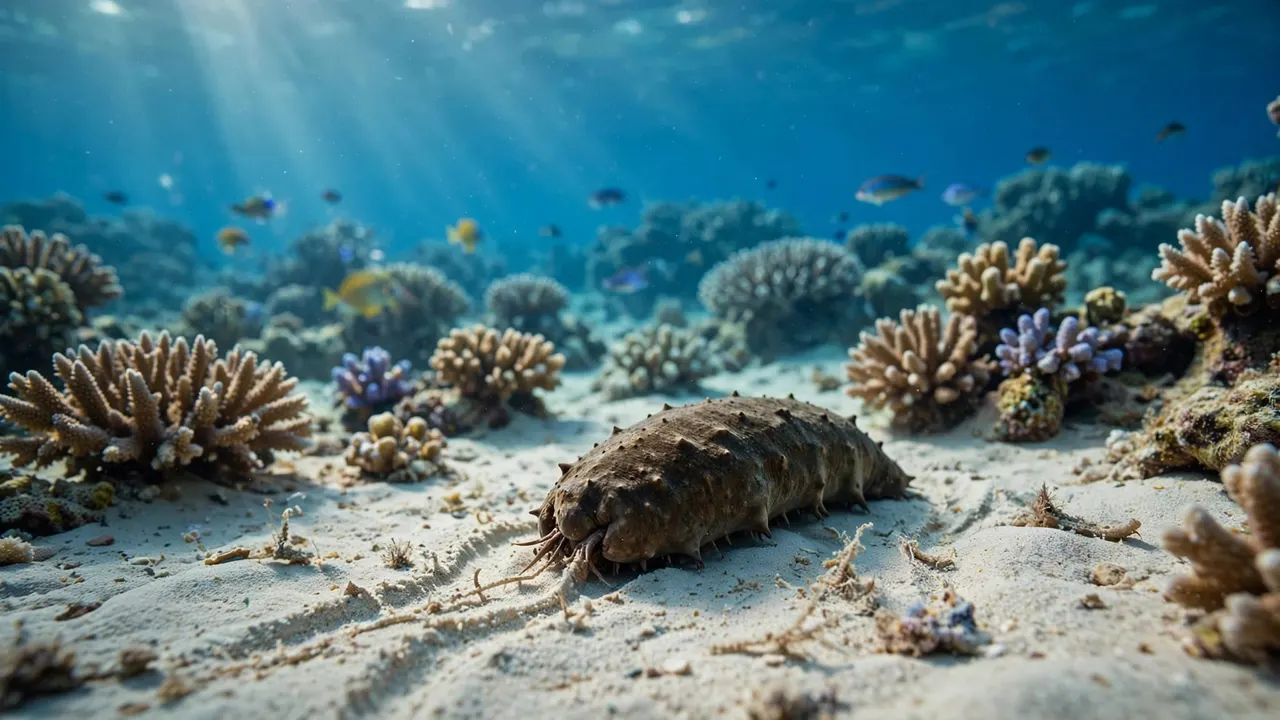
Sea cucumbers help reefs by eating organic material in seabed sediment and moving sand as they feed. When you’re snorkeling Oahu waters, these slow-moving animals reveal an important part of reef life that happens below the colorful fish.
At Living Ocean Tours, we encourage you to notice these smaller reef residents while giving wildlife space. Their sediment processing helps explain why the sandy gaps between coral heads deserve your attention, too.
Start by understanding what you’re looking at, then watch without disturbing the bottom.
Key Takeaways
- Sea cucumbers are animals related to sea stars and sea urchins, rather than plants.
- Many bottom-dwelling sea cucumbers swallow sediment, digest its organic material, and release the remaining grains.
- Their feeding and movement contribute to sediment mixing and nutrient recycling.
- You can observe their behavior without touching them, turning them over, or stirring up sand.
Meet the Animal Behind the Unusual Name
A sea cucumber can resemble a soft cylinder resting on the seabed. However, its simple outline hides a working digestive system and adaptations for life close to the bottom.
Once you recognize that shape, you can look for behavior rather than judging the animal by how little it moves.
A relative of sea stars and sea urchins
Sea cucumbers belong to the echinoderms, the same broad animal group as sea stars and sea urchins. Their elongated bodies look different from those familiar relatives, but the relationship helps you understand their place in reef life.
Many species move using small tube feet, while muscular body movements also help them travel. Their progress can be difficult to notice during a quick swim past.
Instead, pause at a comfortable distance. You might notice a slight change in position or sediment gathered around the animal.
A mouth equipped for gathering food
Feeding tentacles surround a sea cucumber’s mouth. In deposit-feeding species, these tentacles help gather material from the seabed.
Depending on your viewing angle, those movements may be too small to see from the surface. You don’t need to descend or handle the animal to appreciate what it’s doing.
Its position on the sand already gives you useful context: the sediment itself contains food.
How Sea Cucumbers Feed on Reef Sediment
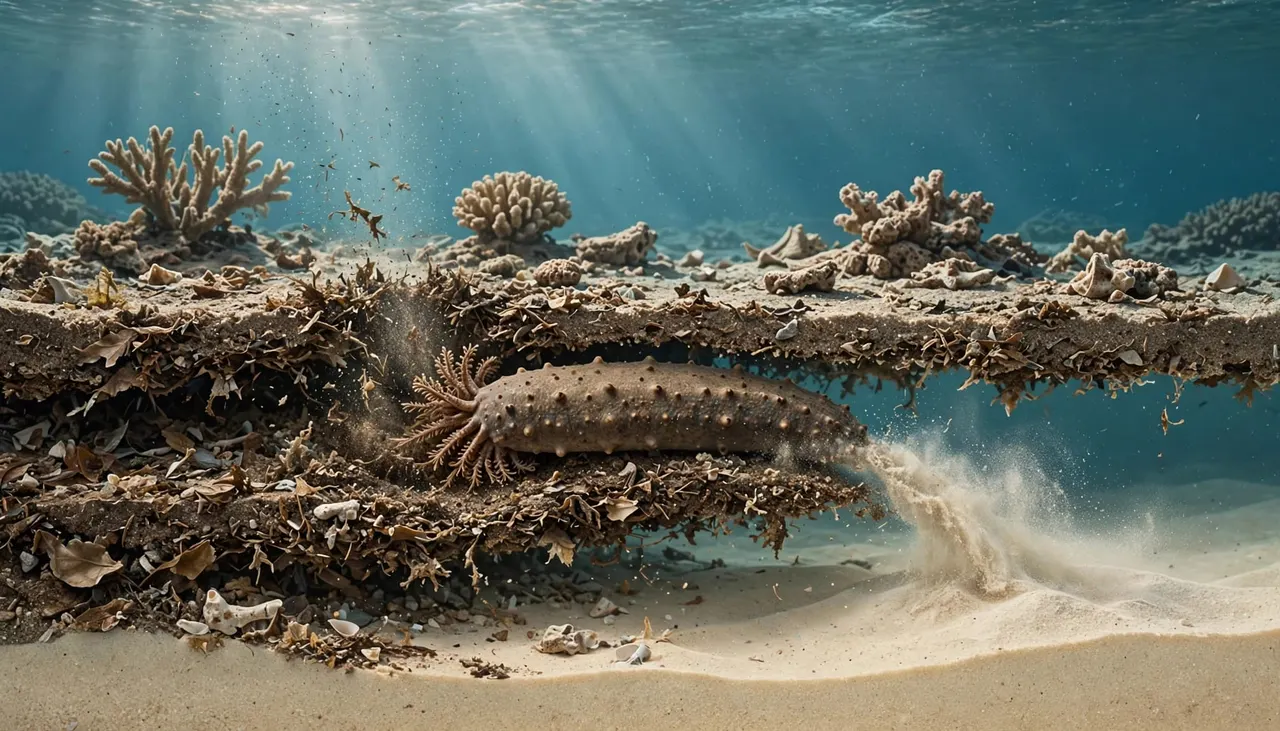
The sand beneath a reef contains more than mineral grains. Small pieces of decaying material and microorganisms provide food for animals adapted to gather them.
A NOAA-hosted sea cucumber review describes deposit feeding, burrowing, and sediment mixing as important parts of their ecological work.
They digest the food mixed into sand
A deposit-feeding sea cucumber takes sediment into its digestive tract and extracts usable organic material. The remaining sediment passes out again.
That process can leave small accumulations or strings of processed sediment nearby. However, a sand pile alone doesn’t identify the animal that produced it. Fish, worms, and other bottom-dwellers also disturb the seabed.
Also, different sea cucumbers feed in different ways. Some capture suspended particles instead, so the sediment-swallowing description doesn’t apply equally to every member of the group.
Their movement rearranges the seabed
As an animal feeds or moves through sediment, it changes the arrangement of grains and organic particles. Scientists call this activity bioturbation, meaning the mixing of sediment by living organisms.
The term sounds technical, but you can understand it through observation. A feeding animal gathers material, passes it through its body, and deposits it elsewhere.
You won’t see every effect during one snorkel session. Much of this work happens slowly, through repeated feeding and movement rather than a dramatic burst of activity.
Why Sediment Processing Matters to a Reef
Sand isn’t empty space between the interesting parts of a reef. It contains living organisms and stores material that moves through the wider ecosystem.
Sea cucumbers participate in that system through feeding, digestion, and movement.
Nutrients continue moving through the food web
When organic material breaks down, nutrients become available for other organisms to use. Sea cucumber feeding interacts with this process rather than simply removing something unwanted.
Research published in Frontiers in Marine Science describes how feeding supports sediment nutrient cycling in organically enriched coastal sediments.
That distinction matters. Calling sea cucumbers “reef cleaners” offers a useful starting point, but it leaves out the recycling involved. The material they consume, digest, and release remains part of the ecosystem.
You can appreciate their role without picturing the seabed becoming spotless. A functioning reef contains waste, decomposition, and organisms that use those resources.
Their contribution has limits
Sea cucumbers don’t make polluted water safe for swimming, remove every contaminant, or prevent coral bleaching. Their ecological role also varies with species and environmental conditions.
The research on coastal sediment processing explains mechanisms that matter across marine environments. It doesn’t establish a measured benefit at every Oahu snorkeling location.
For your visit, the practical takeaway is straightforward: reef health depends partly on animals you might otherwise overlook. A slow-moving bottom-dweller deserves the same respectful attention as a more conspicuous fish.
What to Notice While Snorkeling Oahu
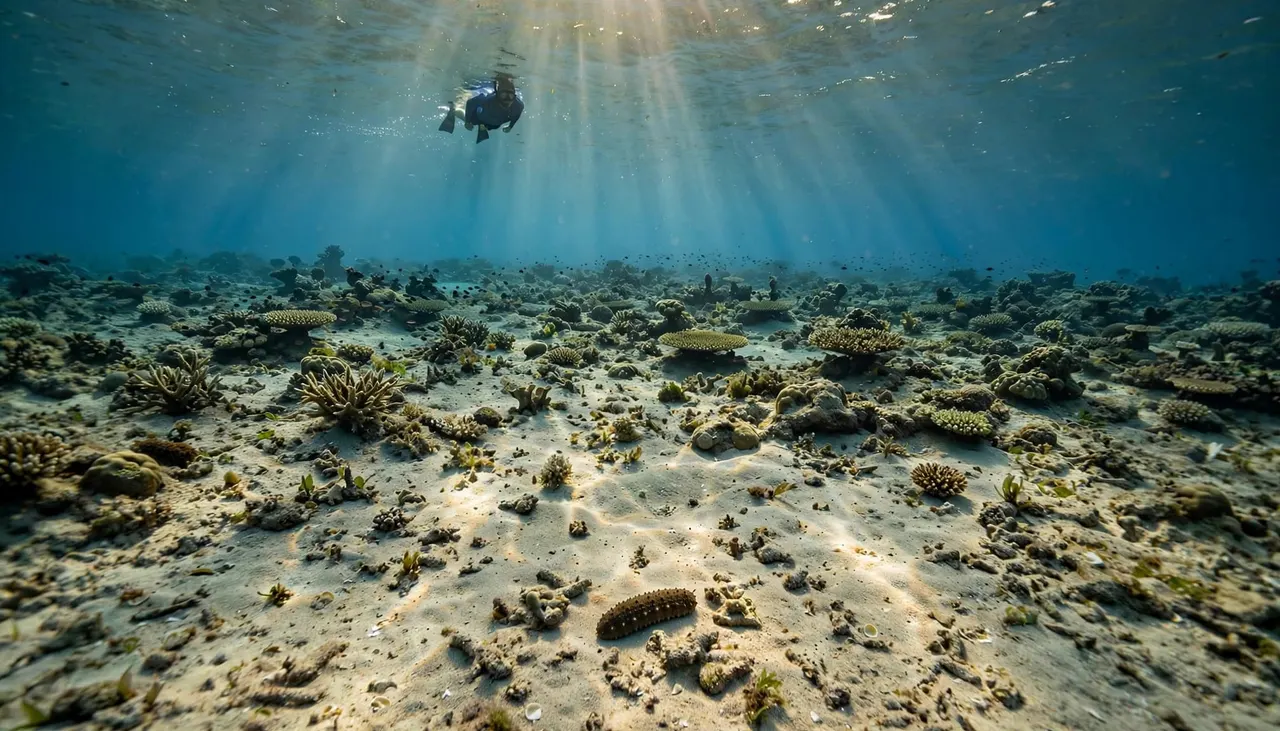
While snorkeling Oahu reefs, give yourself time to observe sandy patches as well as coral formations. Keep your position comfortable and your attention divided between wildlife, your buddy, and the surrounding water.
Watch one small area patiently
Instead of searching continuously for another animal, pause over a patch you can view comfortably from the surface. Notice how the bottom changes between open sand, rubble, and coral.
If you spot a sea cucumber, look for its orientation, nearby sediment, and any gradual movement. Feeding tentacles may be visible, but body position and scale can make small details difficult to distinguish.
A clear observation doesn’t require a close-up. You can still recognize that the animal occupies a feeding habitat and interacts with the sediment around it.
Leave its position and surroundings intact
Don’t pick up a sea cucumber for a photograph or turn it over to inspect its underside. Avoid moving rubble to expose hidden animals, too.
Research examining sea cucumber removal and sediment processes highlights why these animals belong in discussions about seabed ecology. Their value extends beyond what a visitor can see during a brief encounter.
For photographs, use the view your position allows. If getting closer would put your fins near coral or separate you from your group, keep watching from farther away.
The best viewing position leaves the animal, the sediment, and your own swimming position undisturbed.
Keep Your Attention on Safe, Low-Impact Snorkeling
If you’re snorkeling Oahu with children, make “look without touching” the shared rule before entering the water. It applies to sea cucumbers, shells containing animals, fish, and coral alike.
Always snorkel with a buddy, and stay within your swimming ability. A wildlife sighting isn’t a reason to leave your group or swim beyond a comfortable return distance.
Keep your fins clear of the bottom. Strong kicks near sand can reduce visibility, while contact with coral can damage living tissue. If you need to adjust equipment, use your flotation support and stay clear of the reef.
Also, resist the urge to follow an animal while forgetting everything around it. Waves, currents, boats, and other swimmers still require attention.
For families, a simple observation goal works well: notice what an animal does without trying to make it react. That keeps the encounter focused on natural behavior rather than handling.
Explore Waikiki’s Reefs With Our Professional Guides
When you’re snorkeling Oahu with our crew, you get support for both water confidence and respectful wildlife viewing. At Living Ocean Tours, we’re Oahu’s only tour company with professional snorkel guides. Our Oahu ocean tours depart from Kewalo Basin Boat Harbor, minutes from Waikiki.
Our Deluxe Waikiki Snorkeling and Wildlife Cruise combines reef exploration with a boat-mounted waterslide. You can enjoy the bigger adventure while practicing the smaller observation skills that make marine encounters rewarding.
Before entering, share your comfort level with our crew. Then follow the briefing, stay with your group, and leave wildlife undisturbed.
For this family-friendly reef outing, CHECK AVAILABILITY for your preferred date.
Frequently Asked Questions About Sea Cucumbers
Do sea cucumbers eat sand?
Many deposit-feeding sea cucumbers swallow sand or other sediment to obtain the organic material mixed into it. They digest usable food and release the remaining grains. Sand is the material carrying the food, rather than the main nutritional resource.
Should you touch one while snorkeling Oahu?
Leave sea cucumbers where you find them. Handling can disturb the animal, and you don’t need contact to observe its place in the reef ecosystem. Keep your hands to yourself, avoid stirring the bottom, and let its movements happen naturally.
Does seeing one mean the reef is healthy?
One sighting can’t establish the health of an entire reef. Coral condition, water quality, fish communities, and other factors also matter. A sea cucumber shows you one participant in the ecosystem, rather than providing a complete assessment of its condition.
Can you learn anything if it isn’t moving?
Yes. Its location shows you the habitat it occupies, including the surrounding sand, rubble, or reef structure. Slow movement can also be difficult to detect over a short period. Watch patiently, but don’t poke or reposition the animal to produce a response.
Give the Small Reef Residents Your Attention
On your next day snorkeling Oahu waters, spend a little time looking beyond the fish. Sea cucumbers connect the reef’s visible wildlife with the less obvious work happening in its sediment.
Your most useful contribution is undisturbed observation. Keep your fins clear, stay with your buddy, and leave each animal in place.
A quiet moment above the seabed can reveal a reef process you’d otherwise swim straight past.


