
Snorkeling Oahu: Prevent Dehydration on Sunny Days
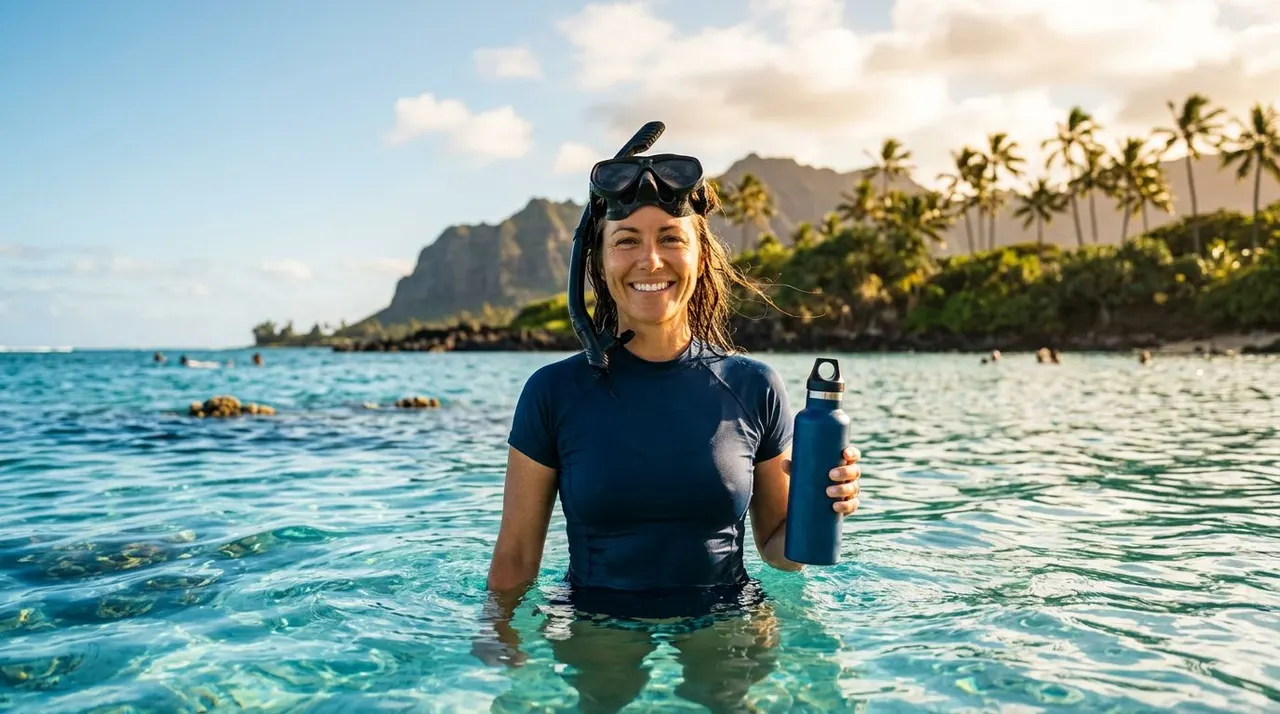
A bright Oahu morning can hide a hydration problem. You may feel comfortable in the water, yet the sun, wind, salt air, and steady swimming can drain fluids before you notice.
If you’re planning snorkeling Oahu, start drinking water before you reach the harbor, then keep sipping during breaks. A refillable bottle, shade, sun-protective clothing, and an attentive guide can keep a fun ocean day from ending with a headache.
Use the plan below to prepare your body, recognize early warning signs, and stay comfortable throughout your ocean adventure.
Why Sunny Oahu Days Can Leave You Dehydrated
Warm weather isn’t the only reason you lose fluids while snorkeling. Your body also works harder when you swim, climb boat ladders, walk across hot sand, and wear a mask, fins, or a snug rash guard.
Wind creates another distraction. A breeze across wet skin can make you feel cool, even while the sun continues heating your body. Because you don’t feel as sweaty in the water, you may underestimate how much fluid you’ve lost.
Salt water adds to the problem in a different way. It can dry your lips and mouth, but drinking seawater makes dehydration worse. Keep your mouth closed while swimming and use fresh water during every break.
The Divers Alert Network guidance on dehydration notes that travelers in hot, humid conditions may need more fluids than the commonly quoted eight cups per day. Your needs depend on your body size, activity level, food intake, weather, and health.
Sun exposure also increases your overall strain. The CDC explains that water, sand, and other bright surfaces can reflect ultraviolet radiation, increasing exposure even when you aren’t standing directly beneath the sun. Read the CDC’s sun exposure guidance for travelers before your trip.
Alcohol can further affect your plan. If you enjoy a cocktail during a boat outing, alternate it with water and avoid treating alcoholic drinks as hydration.
Snorkeling Oahu Starts Before You Board
The easiest time to prevent dehydration is before you arrive at the harbor. If you begin the day thirsty, a short walk through Waikiki, a drive to the marina, and a morning snorkel can quickly catch up with you.
Drink water with breakfast and continue sipping while you get ready. Avoid forcing down a large amount all at once. Smaller amounts spread across the morning are more comfortable and give you a better chance of maintaining steady hydration.
Pack a reusable bottle that closes securely. Choose a size you can carry easily, and confirm that your operator allows personal bottles onboard. A bottle with a wide opening is useful when you need to refill it quickly.
Eat something before leaving. Fruit, yogurt, oatmeal, rice, eggs, or a sandwich can provide energy for swimming. Foods containing water and natural electrolytes can also support your fluid intake, especially when you don’t feel hungry in the heat.
A simple pre-trip routine looks like this:
- Drink water with breakfast instead of waiting until you reach the boat.
- Bring a filled bottle and place it somewhere easy to reach.
- Eat a light meal or snack before putting on your snorkel gear.
- Apply mineral sunscreen to exposed skin and wear a rash guard or other sun-protective layer.
- Tell your guide if you have a medical condition, take medication, or need regular hydration breaks.
Sun protection helps you conserve energy and reduce heat exposure. A long-sleeved UPF shirt, wide-brimmed hat, sunglasses, and time in the shade can make the day easier on your body. You should still apply sunscreen to exposed areas and reapply it according to the product directions.
Recognizing Early Signs of Dehydration Under the Hawaiian Sun
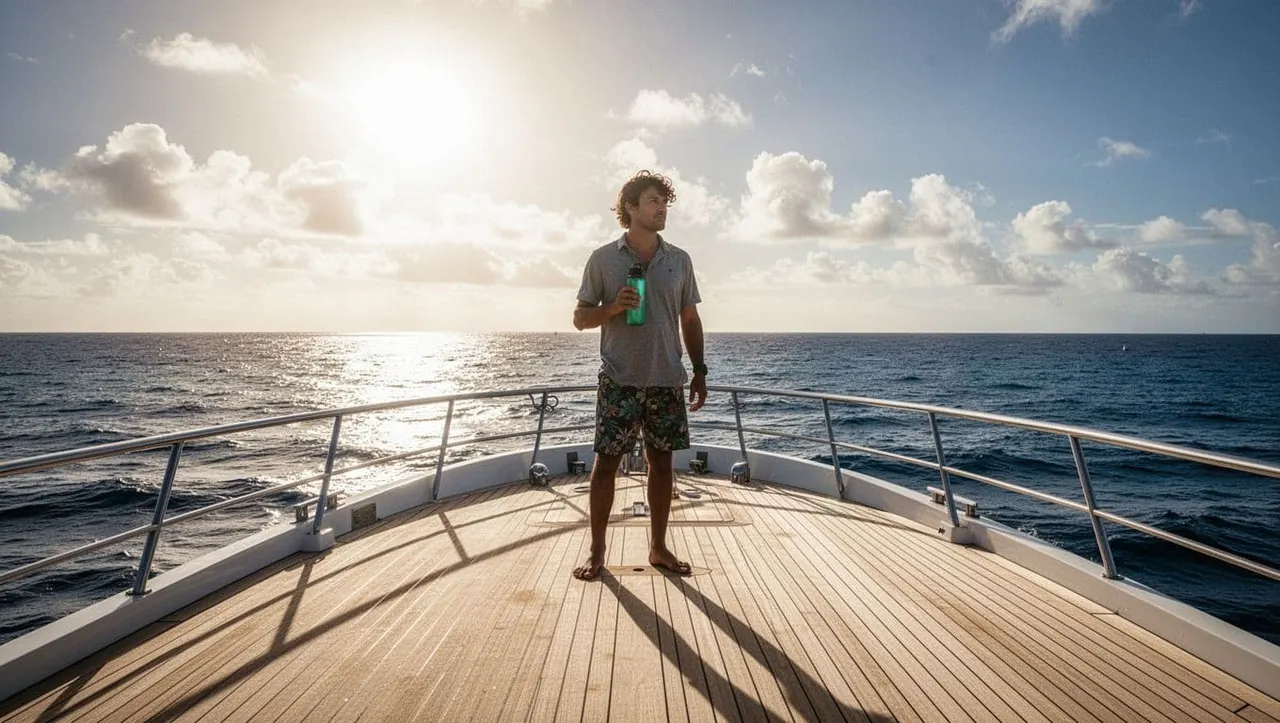
Thirst is useful, but it shouldn’t be your only warning sign. Snorkeling can keep you focused on coral, fish, and turtles while your body sends quieter signals.
Watch for a dry mouth, sticky saliva, headache, unusual fatigue, dizziness, muscle cramps, or urine that becomes darker than usual. Feeling weak when you climb the boat ladder also deserves attention. These symptoms can appear before you feel seriously ill.
If you feel dizzy or unusually tired in the water, signal your guide and leave the water. A short rest is safer than trying to finish one more lap around the reef.
Return to the boat or shore, remove unnecessary gear, sit in a shaded area, and take small sips of cool water. Rest until you feel normal before deciding whether to continue. Don’t hide symptoms because your family or partner is still snorkeling. Your guide needs accurate information to help you safely.
Confusion, fainting, a seizure, severe weakness, hot or flushed skin, or an inability to drink requires urgent medical attention. Call 911 or ask the crew to activate emergency procedures. Never force liquid into someone who is unconscious or having trouble swallowing.
Children may not describe early symptoms clearly. Watch their behavior, energy, face, and willingness to drink. A child who becomes unusually quiet, irritable, sleepy, or unsteady should take a break immediately.
Staying Hydrated During Your Snorkeling Excursion
Plan to drink at every natural pause. You don’t need to gulp water while wearing a snorkel. Instead, take several comfortable sips before entering the water, again when you return to the boat, and during the ride back to the harbor.
Keep your bottle in a shaded, secure location. If the deck has dry storage, use it. A warm bottle is still useful, but cool water may feel more appealing after swimming under the sun.
Boat movement, fins, and wet hands can make drinking awkward. Remove your mask first, sit down, and ask a crew member for help if you need a steady place to pause. Professional guidance matters because you can focus on your breathing and balance instead of rushing through a drink.
If you’re swimming for a longer period or sweating heavily, an electrolyte drink may help replace sodium and other minerals. Choose a lower-sugar option when possible, and use it alongside plain water rather than replacing all your water with sports drinks.
Avoid energy drinks before snorkeling. Their caffeine and high sugar content can make some people feel jittery, nauseated, or uncomfortable in the heat. You should also limit alcohol before swimming because it can affect judgment and coordination.
Shade breaks are part of hydration planning. A covered seat lets you cool down, remove your mask, and drink without standing in direct sun. If the boat offers a shaded deck, use it even when the water looks perfect.
Don’t try to prove your stamina by staying in the water longer than you feel comfortable. Snorkeling is more enjoyable when you return with enough energy to notice the reef, listen to your guide, and respect the animals around you.
Choose a Tour That Makes Hydration Easier
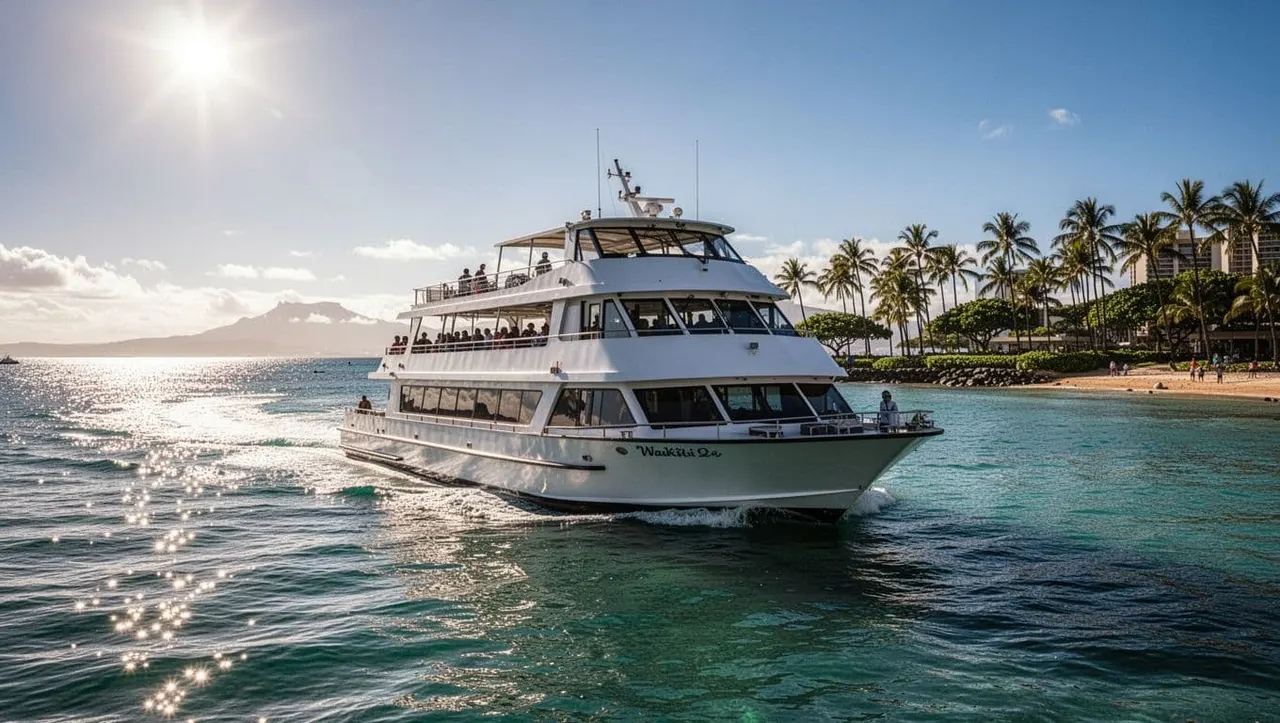
A well-organized tour can remove much of the guesswork from a hot beach or boat day. Living Ocean Tours operates from Kewalo Basin Boat Harbor, just minutes from Waikiki Beach in Honolulu. You can arrive, board, and begin your ocean experience without adding a long transfer across the island.
Living Ocean Tours is the only tour company with professional snorkel guides. That support helps first-time snorkelers, families, and experienced swimmers make better decisions in the water. Guides can explain safe entry, monitor conditions, point out marine life, and help you recognize when it’s time for a break.
The company’s Coast Guard-inspected double-decker vessels, Coral Kai and Lokahi, include shaded seating, onboard restrooms, dry storage, and heavy-duty ladders. Those details matter when you need a comfortable place to sit, store your bottle, or pause between swims.
Lokahi also includes a SeaKeeper stabilization system that reduces rolling on the water. A steadier deck can make it easier to drink, rest, and move around without feeling rushed. The boats provide access to the Waikiki coastline while keeping comfort part of the experience.
You can explore Living Ocean Tours experiences when choosing a guided outing that matches your group. Whichever trip you select, follow the crew’s instructions, drink during breaks, and observe marine life without touching or chasing it.
A guided boat trip also gives you a clear place to stop. You can tell the crew how you feel, return to the shaded deck, and take time to recover before making another decision about swimming.
What to Do If You Feel Dehydrated
Stop swimming as soon as you notice symptoms. Signal the guide, return to the boat, and move into shade. Remove your fins and mask, loosen tight clothing, and sip water slowly.
If you feel nauseated, don’t force a large drink. Take small sips and rest. A crew member can help decide whether you should return to shore or seek medical care.
Severe symptoms require immediate help. Confusion, fainting, trouble breathing, chest pain, seizure, or an inability to keep fluids down is not a problem to manage alone. Ask the crew to call emergency services and follow their instructions.
After the trip, continue drinking water with your meal and take it easy for the rest of the day. Skip alcohol until you feel fully recovered.
Enjoy a Safer, More Comfortable Oahu Snorkel Day
A successful snorkeling Oahu adventure starts before you enter the water. Drink steadily, eat beforehand, protect your skin, use shade, and treat early symptoms as a reason to pause.
Your bottle may seem like a small part of the trip, but it can protect the energy you need for swimming, sightseeing, and appreciating Hawaii’s marine life. With smart preparation and professional guidance, you can enjoy the Pacific without letting dehydration cut your day short.


