
Snorkeling Oahu: What Zooxanthellae Do Inside Coral
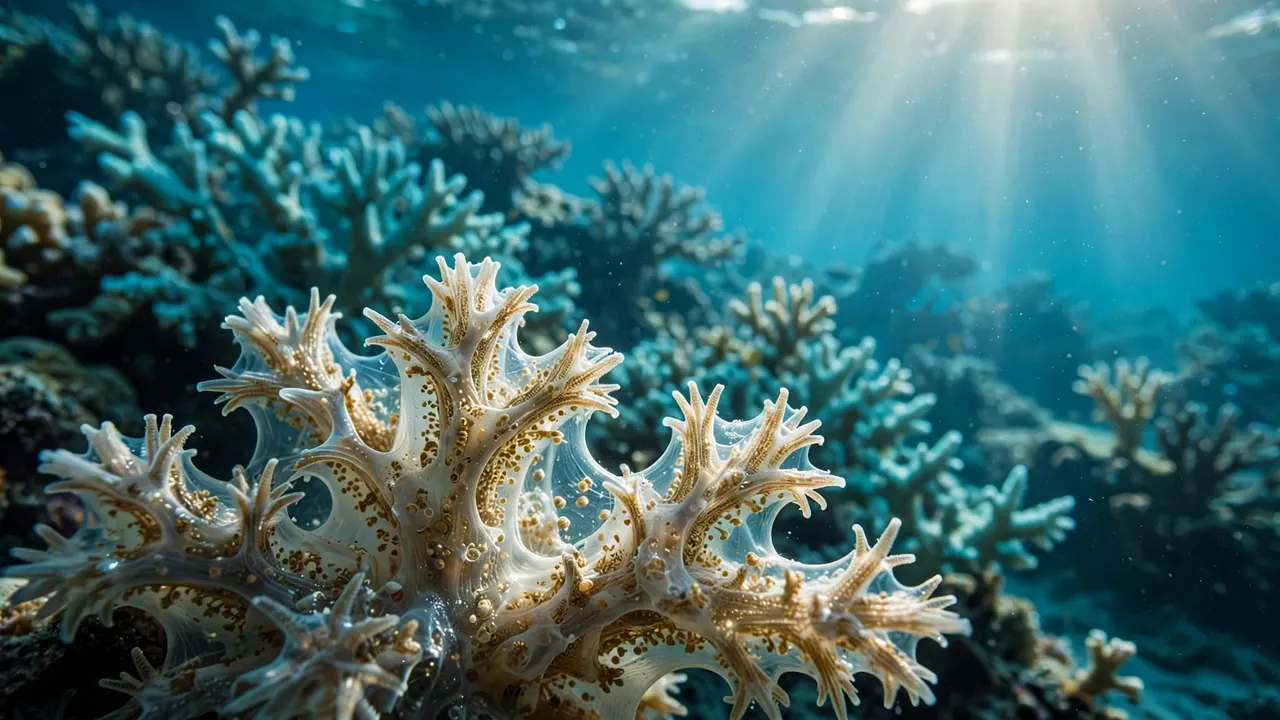
The coral beneath your fins gets much of its food through a partnership you can’t see. When you’re snorkeling Oahu, microscopic algae called zooxanthellae are helping the reef capture sunlight and turn it into usable energy.
At Living Ocean Tours, we help you explore these living communities with respectful observation and professional guidance. Understanding what happens inside coral gives you a better reason to slow down, look closely, and keep your fins clear of the reef.
Begin your reef adventure with Living Ocean Tours
You don’t need a biology background to appreciate Oahu’s reefs. Our professional snorkel guides help you get comfortable with your equipment and understand how to watch marine life without disturbing it.
We’re the only tour company on Oahu with professional snorkel guides. Through our Oahu snorkeling and ocean tours, you can explore Waikiki’s marine environment with a crew that puts safety and responsible viewing first.
At Turtle Canyons, a natural cleaning station, fish remove material from visiting sea turtles. That visible interaction offers another example of how different organisms depend on one another, although it works differently from the partnership inside coral.
For a guided Turtle Canyons visit, you can CHECK AVAILABILITY and plan an ocean outing from Kewalo Basin Boat Harbor.
The coral you see is a living animal colony
Before you understand the algae, you need to recognize their host. The hard coral formations you encounter while snorkeling Oahu contain living animals, often arranged in colonies.
Polyps build the colony
A coral polyp is a small animal with a mouth surrounded by tentacles. In reef-building corals, many connected polyps live together over a calcium carbonate skeleton.
The solid structure can resemble stone, but living tissue covers its surface. That tissue is where the coral’s relationship with zooxanthellae takes place.
As you float above a coral head, you’re looking at both a living community and the mineral framework it has produced.
Coral also catches food
Coral animals can capture small drifting organisms and particles with their tentacles. However, their partnership with photosynthetic algae provides another important source of nutrition.
NOAA’s explanation of coral reef ecosystems describes this relationship in shallow-water, reef-building corals.
That distinction matters: you shouldn’t assume every coral species depends on sunlight in the same way. The relationship discussed here concerns the reef-building corals associated with shallow tropical reefs.
What zooxanthellae do inside coral
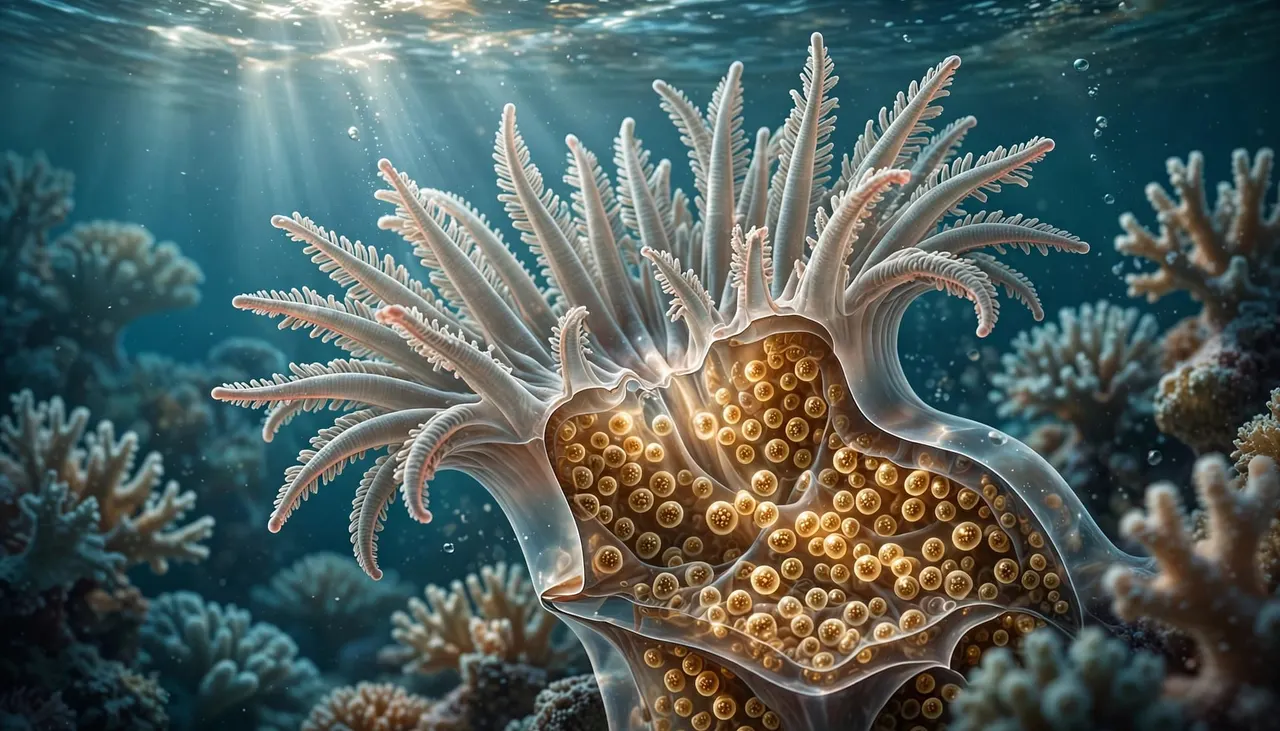
Zooxanthellae are microscopic, photosynthetic algae. You can’t distinguish individual cells through your snorkel mask, but their work affects the coral formations around you.
The algae live within coral tissue
These algae occupy cells within the coral’s inner tissue layer. They aren’t simply a coating growing on the outside of a coral head.
The coral provides a protected place to live and access to materials the algae need. Those include carbon dioxide produced through the coral’s respiration and nutrients associated with its metabolism.
This close arrangement makes exchanging resources possible. The animal and algae function together, even though they remain different organisms.
Photosynthesis supplies usable food
Using sunlight, the algae convert carbon dioxide and water into organic compounds and release oxygen. Some of those compounds pass to the coral and help fuel its activities.
According to NOAA’s zooxanthellae tutorial, the algae also help the coral use materials associated with its wastes.
The exchange supports everyday processes, including maintaining tissue and growing. Meanwhile, the algae benefit from the resources and shelter their host provides.
Zooxanthellae live inside coral tissue, so touching the coral affects the living surface that houses this partnership.
When you’re snorkeling Oahu, that microscopic exchange is happening beneath the surface of many reef-building colonies you pass.
Why sunlight matters to a coral reef
You can understand a reef more clearly when you notice the light reaching it. Photosynthesis depends on available light, so water depth and clarity influence the conditions around coral.
Clear water allows sunlight to penetrate farther. Suspended sediment, on the other hand, can reduce the light reaching the algae. Sediment can also settle onto coral surfaces and create additional stress.
Light doesn’t work independently of temperature or the coral’s condition. The relationship functions within environmental limits, and stronger sunlight doesn’t automatically mean a healthier colony.
The scientific review The engine of the reef examines the photobiology of this coral-algal partnership. It describes a biological system whose performance depends on the surrounding conditions.
For you, the practical takeaway is simple: avoid stirring up the bottom. Careful fin movements help keep sediment out of the water and off nearby coral.
You don’t need to dive closer to see the reef well. Floating steadily above it often gives you a clearer view without disturbing the habitat.
What snorkeling Oahu reveals about coral color
Brown, tan, and golden tones are common on healthy Hawaiian reef-building corals. Those colors may look understated compared with brightly edited underwater photographs.
Zooxanthellae contribute much of that familiar coloration. Coral pigments also affect appearance, so color reflects more than one biological component.
However, color alone isn’t a diagnosis. Species differences, lighting, depth, and your viewing angle can change what you see. A colony that looks pale through surface glare may look different from another angle.
While snorkeling Oahu, compare broad patterns rather than trying to label every light-colored patch. Notice whether you see living tissue, exposed skeleton, or algae growing over a surface, without approaching closely enough to touch it.
You also can’t measure the number or condition of zooxanthellae through a mask. Their presence explains much of the reef’s appearance, but assessing coral health requires more than a quick visual impression.
A naturally brown reef can be full of life. Brightness and photographic appeal aren’t reliable measures of its condition.
What happens when coral loses its algae
The partnership can break down under stress. When coral loses many of its algae, or their photosynthetic pigments decline, its tissue becomes paler and the underlying white skeleton shows through.
Bleaching exposes the white skeleton
Unusually warm water is a major cause of coral bleaching. NOAA explains in its guide to what coral bleaching means that heat stress can cause corals to expel the algae living in their tissues.
Other environmental stresses can also disrupt the relationship. Bleaching describes the loss of coloration associated with that disruption; it doesn’t identify the cause by itself.
Importantly, a bleached coral may still be alive. Its living tissue can remain over the skeleton even when the colony appears white.
Recovery depends on the partnership returning
Without its usual algal partners, coral loses an important source of nutrition. It can become more vulnerable to starvation, disease, and further stress.
If conditions improve, the coral may regain algae and recover. However, prolonged or severe stress can lead to death.
Recovery also takes more than the return of visible color. A coral must rebuild its energy reserves and maintain its tissue while dealing with the effects of the disturbance.
When snorkeling Oahu, you can’t determine a colony’s future by looking at it once. Leave pale coral untouched, just as you would any other coral.
Handling, brushing, or trying to remove anything from a colony adds disturbance. A respectful observer gives living tissue space, regardless of its color.
Protect the partnership while you snorkel
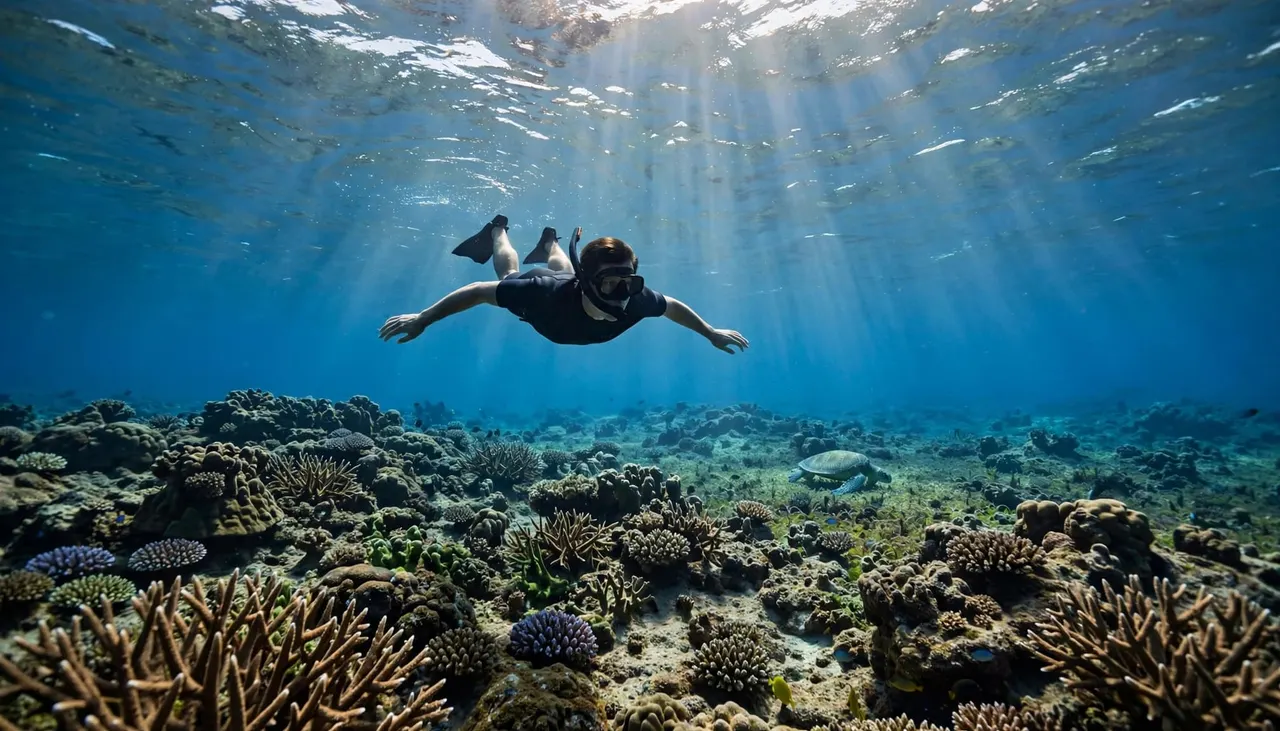
You can’t prevent ocean warming during a single outing. However, you can avoid adding physical damage and unnecessary disturbance to the reef you’re visiting.
The Hawaiian phrase mālama i ke kai, caring for the ocean, fits these practical choices.
Keep your body and equipment clear
Float horizontally when conditions and your comfort allow. Keep your fins above coral, and use small, controlled kicks rather than forceful movements near the bottom.
Never stand on a coral head to adjust your mask. Instead, move away from the reef and use the support or assistance available to you.
Also, secure camera straps and other loose gear. A dangling accessory can scrape coral even when your hands remain clear.
If you’re tired or uncomfortable, signal your guide. Getting help protects you and reduces the chance of accidental contact.
Give wildlife room to behave naturally
Never chase, corner, or touch a sea turtle. Leave its path open, and avoid surrounding it with other swimmers.
At a cleaning station, patient observation lets you see the interaction without interrupting it. Fish and turtles need room to continue their normal behavior.
Sun protection deserves thought, too. A rash guard and shaded breaks can reduce the amount of sunscreen you need. Don’t treat a “reef-safe” label as permission to ignore the product’s ingredients.
For families, explain the no-touch rule before entering the water. Children can enjoy spotting shapes and watching fish while staying beside an attentive adult.
Your most useful habit is observing without interfering, even when an animal or coral formation catches your attention.
Key takeaways for your next reef visit
Keep these ideas in mind when you’re snorkeling Oahu:
- Zooxanthellae live inside coral tissue and use sunlight to produce compounds that help feed their host.
- Coral provides shelter and materials the algae need, creating a two-way biological relationship.
- Bleaching can leave coral alive but weakened because an important source of nutrition has been disrupted.
- Controlled fin movements, clear space around wildlife, and zero coral contact reduce the disturbance you cause.
You don’t need to see the algae themselves to appreciate what they do.
See the reef as a living partnership
The coral beneath your fins contains a working relationship between an animal and microscopic algae. Sunlight helps support that exchange, while environmental stress can break it down.
Understanding the partnership gives your snorkeling experience more depth. Brown coral, white patches, and clear water all become things to notice without making assumptions.
Give the reef space, follow your guide’s instructions, and let its residents continue their day undisturbed. Careful observation brings you closer to understanding coral without touching it.


