
Snorkeling Oahu: A Field Guide to Hawaiian Flagtails
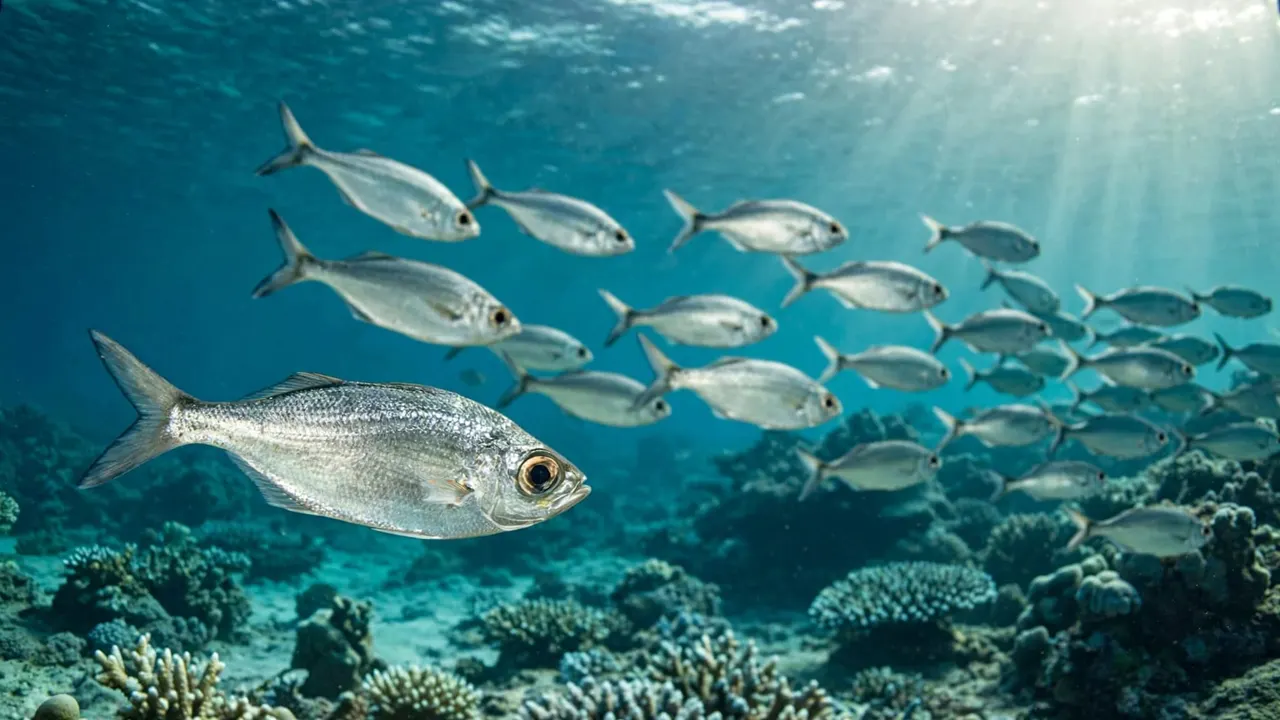
A flash of silver can be easy to overlook when you’re searching for turtles and colorful reef fish. While snorkeling Oahu waters, slowing down gives you a better chance to recognize Hawaiian flagtails and watch their schools move.
At Living Ocean Tours, you have professional snorkel guides in the water to help you feel comfortable and notice more. Patient observation makes a reef visit richer, even before you know every fish’s name.
Start with a few reliable identification clues, then watch where the fish gather and how they respond to your presence.
Recognizing Flagtails While Snorkeling Oahu Reefs
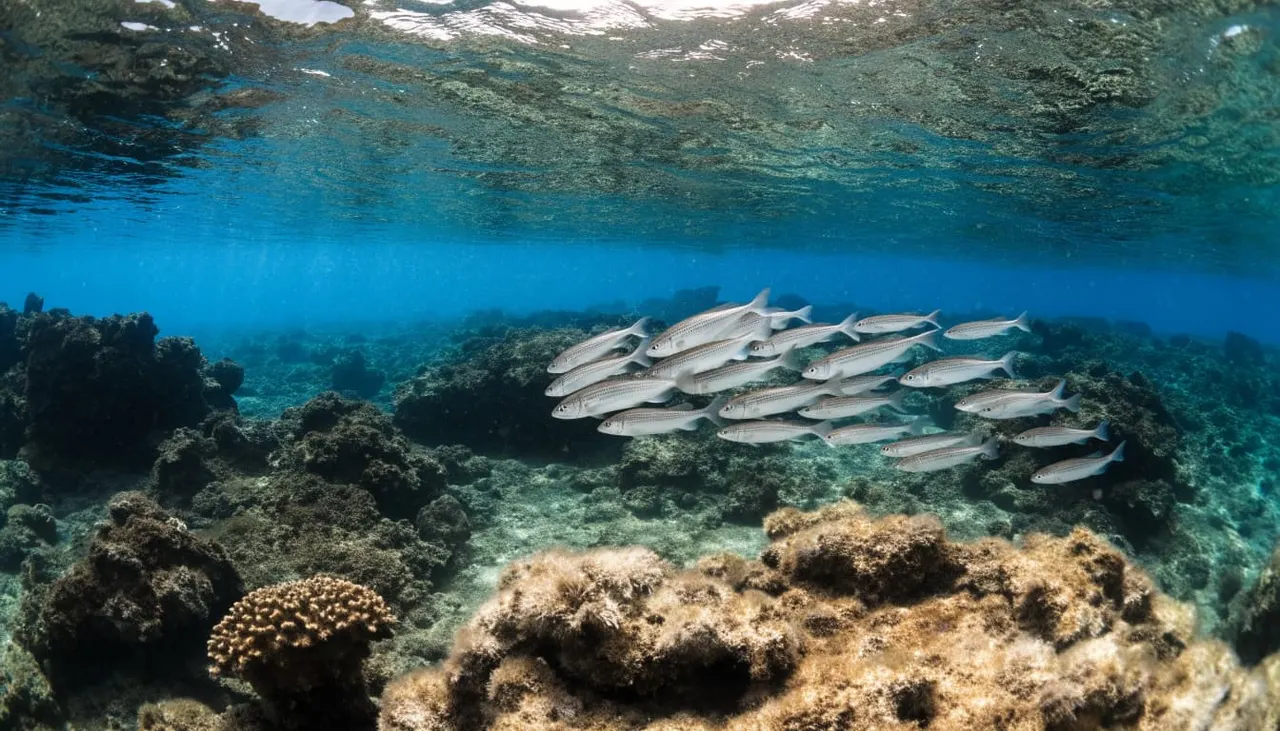
Illustrated view of a shallow reef school.
Look for silver, large eyes, and a forked tail
The Hawaiian flagtail, Kuhlia xenura, has a silvery body, a conspicuous eye, and a forked tail. NOAA’s Hanauma Bay fish guide describes these features and gives a maximum length of one foot.
You don’t need to estimate inches underwater. Instead, look at the whole fish before focusing on details. Notice the eye’s size relative to the head, then follow the body toward the tail.
Sunlight can make silver fish appear bright white or gray. Because their appearance changes with viewing angle, color alone won’t give you a dependable identification.
Use schooling as another clue
Flagtails usually occur in small schools, according to the same NOAA guide. A group of similar-looking silver fish is therefore worth a closer look.
However, schooling isn’t unique to flagtails. Combine behavior with the large eye and forked tail rather than naming every silver school you encounter.
When you’re snorkeling Oahu reefs, stay near your buddy while observing. Let a passing school enter your field of view rather than swimming after it. You can often notice more detail once you stop kicking and settle into a comfortable float.
Two Flagtail Species Share the Name Āholehole
You may hear the Hawaiian name āholehole used for flagtails. That name covers more than one species, so it doesn’t always provide a complete identification.
Hawaiian flagtail: Kuhlia xenura
For this field guide, Hawaiian flagtail refers to Kuhlia xenura. NOAA’s Hanauma Bay guide uses that scientific name alongside āholehole.
Scientific names help you connect a sighting with the right reference. Common names can vary between books and websites, but Kuhlia xenura identifies the fish without that ambiguity.
If you remember only a silver body and schooling behavior, describe those observations to your guide. You don’t need to arrive with a species name.
Reticulated flagtail: Kuhlia sandvicensis
Hawaii also has the reticulated flagtail, Kuhlia sandvicensis. The Hawaiian moon and tide calendar distinguishes the two āholehole species by these names.
Don’t force a species-level identification from a brief glimpse. A clear side-view photograph provides more useful information than a distant image of a moving school.
Your first successful observation can simply be recognizing a likely flagtail and remembering its shape.
Where to Look for Flagtail Habitat on Oahu
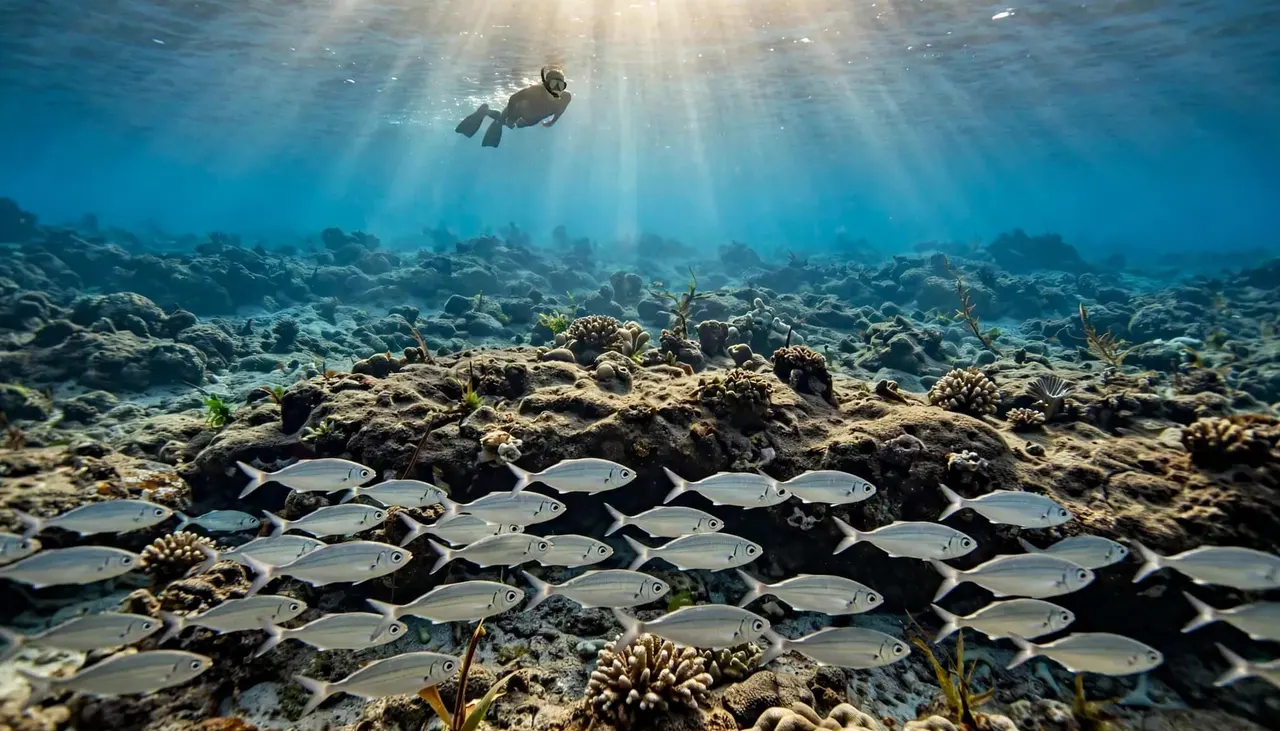
Illustrated view of a snorkeler giving schooling fish space.
Notice rocky shallows and reef flats
Flagtails use more varied habitat than a postcard coral garden might suggest. A study of juvenile flagtail habitat documented juvenile Kuhlia xenura in streams, estuaries, reef flats, rocky shorelines, and tide pools on Hawaii Island.
That study describes Hawaii Island, rather than Oahu sighting locations. Its useful lesson for your swim is to notice habitat variety instead of looking only over coral.
If you’re snorkeling Oahu waters, scan open water beside rock edges as well as the reef below you. Fish can be visible against a sandy background even when they’re difficult to distinguish against dark rock.
Tide pools and stream mouths are habitat examples, not automatic recommendations for entering the water. Shallow water can still contain sharp rock, surge, or poor visibility.
Treat named snorkeling sites as opportunities
Hanauma Bay is a relevant place to learn about flagtails because NOAA’s fish guide includes them among the bay’s fishes. Their inclusion doesn’t promise a sighting on any particular visit.
Along Waikiki’s coast, you can also watch the broader reef community around offshore snorkeling locations. Turtle Canyons is a natural turtle-cleaning station, but a turtle encounter and a flagtail encounter are separate experiences.
Choose your outing for suitable conditions and guided access. Then enjoy the animals present rather than judging the whole swim by one species.
Read the School Before Moving Closer
You can learn plenty without shortening the distance between yourself and a fish. While snorkeling Oahu reefs, watch one patch of water for 20 to 30 seconds before changing position.
Follow direction and spacing
Notice whether the fish hold position, travel together, or repeatedly pass the same rock. Then watch the gaps between individuals.
A school may tighten, spread out, or turn as swimmers approach. Those visible changes are useful observations, but they don’t reveal every reason behind the behavior.
Avoid assigning a dramatic explanation to each movement. You can accurately describe what happened without deciding that the fish were feeding, fleeing, or protecting territory.
For couples and families, compare observations afterward. One person may remember the direction of travel while another noticed the tail shape.
Let the fish choose the distance
Keep your fins controlled and avoid approaching head-on. If a school changes course as you move toward it, stop advancing and give it room.
If fish repeatedly change direction as you approach, backing away gives you a better chance to watch their usual movements.
Don’t block the school between your body and a rock face. Leave open water around it, and resist the temptation to follow fish into narrow gaps.
You gain a more useful view when the animals can continue swimming without adjusting their route around you.
Keep Your Fish Search Safe and Reef-Friendly
Before snorkeling Oahu waters, get comfortable with your equipment and the conditions. A leaking mask or tiring swim makes careful observation difficult.
Adjust your mask before entering, then practice breathing through your snorkel in an appropriate, supervised setting. Tell your guide if you feel uncertain. Swimming ability and ocean experience are separate skills, and flotation doesn’t replace either.
Stay with your buddy and within the area your crew identifies. If you become tired or uncomfortable, signal for assistance rather than continuing your fish search.
Wave surge can push you toward rocks even when the water looks shallow. Also, winter surf can make North Shore locations unsuitable for snorkeling. An appealing fish habitat never outweighs unsafe conditions.
Once you’re in the water, keep your fins clear of coral and avoid standing on the reef. Coral is living habitat, and accidental contact can damage it.
NOAA’s Hawaii wildlife-viewing guidelines advise against touching, chasing, or feeding wildlife. Apply that respectful approach throughout your swim.
If you carry an underwater camera, secure it before entering. Photograph fish at their chosen distance rather than reaching toward them. For a clearer identification image, aim for a side view that includes the head and tail.
Finally, avoid feeding fish to draw them closer. Watching their normal behavior is part of what makes an encounter worthwhile.
Explore Waikiki Reefs With Our In-Water Guides
Our Oahu snorkeling and ocean tours depart from Kewalo Basin Boat Harbor, near Waikiki. You get equipment, instruction, and support before turning your attention to the reef.
At Living Ocean Tours, we’re the only tour company offering professional snorkel guides in the water. That support helps when you’re adjusting equipment, building confidence, or trying to describe a fish you spotted.
Tell your guide what you noticed: body color, eye size, tail shape, and whether the fish traveled in a school. Clear observations are more helpful than a guessed name.
Your outing is an opportunity to explore the reef community, rather than a flagtail sighting guarantee. After swimming, shaded seating, onboard restrooms, and dry storage give you a comfortable place to regroup.
For a guided snorkel outing with time for family fun, you can CHECK AVAILABILITY and choose your departure.
Key Takeaways for Your Flagtail Search
Keep these points in mind when you enter the water:
- Look for a silvery body, a large eye, and a forked tail, then use schooling as a supporting clue.
- Remember that āholehole includes both Hawaiian and reticulated flagtails, so a brief sighting may not reveal the species.
- Watch rocky habitat and reef edges without entering unsafe shallows or chasing fish.
- Give the school space, keep your fins off coral, and describe uncertain sightings to your guide.
A careful observation is worthwhile even when your identification remains incomplete.
Hawaiian Flagtail Questions
How large can Hawaiian flagtails grow?
NOAA’s Hanauma Bay fish guide gives a maximum length of one foot for Kuhlia xenura. You don’t need an exact underwater size estimate to begin identifying one. The large eye, silver body, and forked tail are more practical starting points.
Can you identify every silver school as flagtails?
No. Several kinds of fish school, and silver coloration alone isn’t enough. Observe the body and tail together, then note how the fish move. A clear photograph or a detailed description gives your guide more information than color alone.
Is a flagtail sighting guaranteed on a snorkeling trip?
Flagtail sightings aren’t guaranteed. Your experience depends on the fish present, visibility, and where you can safely swim. A species-focused search can still make the outing rewarding because you learn to notice habitat and behavior across the whole reef community.
Make Your Next Reef Visit More Observant
On your next trip snorkeling Oahu reefs, give a passing silver school a few moments of attention. Look for the large eye and forked tail, then watch its spacing and direction.
You don’t need a perfect identification to enjoy a meaningful wildlife encounter. Give fish room, protect the reef, and let your observations guide the conversation afterward.
The same patient approach that helps you recognize flagtails will help you notice more throughout your swim.


