
Snorkeling Oahu: How Reef Fish Hide From Predators
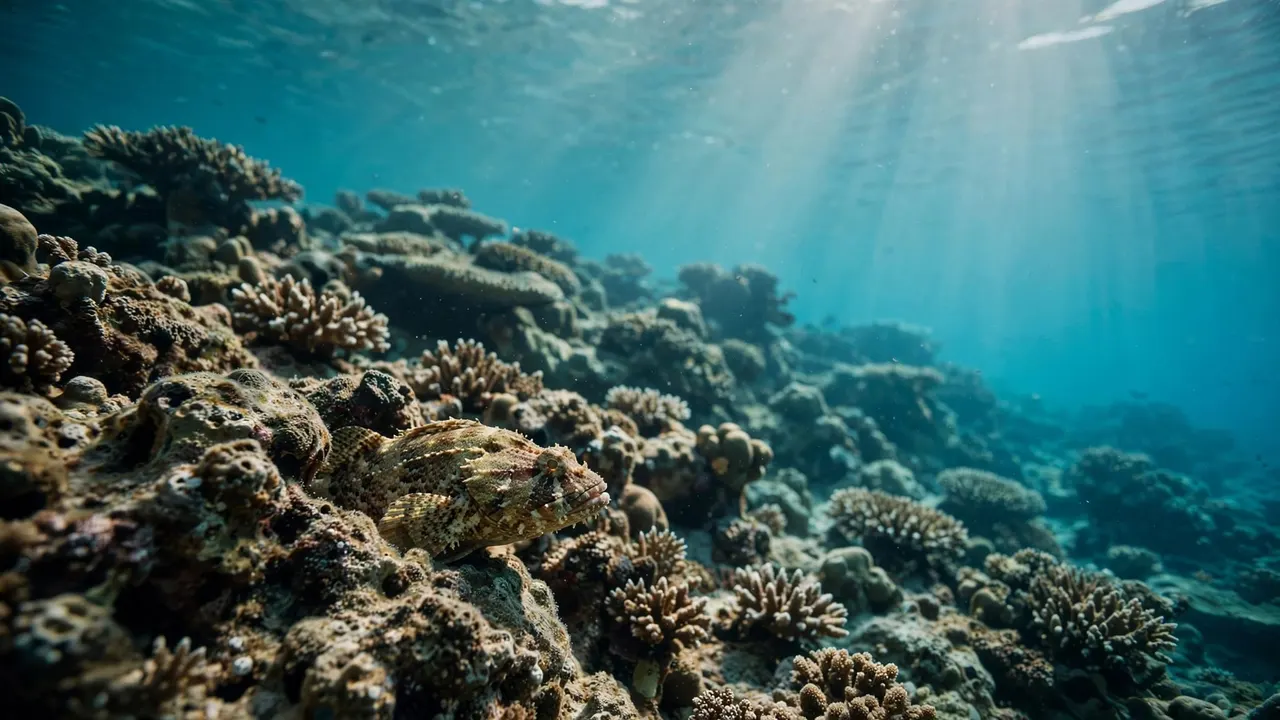
When you’re snorkeling Oahu reefs with us at Living Ocean Tours, the fish you miss can be as interesting as those you notice. Reef fish use color, markings, and their surroundings to make themselves harder to detect.
You don’t need to memorize species to appreciate camouflage; you need time to notice where a fish ends and the reef begins. Start with the background, then watch how a fish’s outline becomes clearer as it moves.
Why a Reef Makes Such Good Cover
A reef gives you a complicated view: coral branches, rock, sand, shadows, and moving water. Within that visual clutter, a fish can become difficult to separate from its surroundings.
Camouflage reduces detection. However, it doesn’t make a fish invisible or guarantee protection from predators. A useful disguise depends on the relationship between the animal and the scene around it.
Matching the Surroundings
Background matching occurs when an animal resembles the colors or textures behind it. On a reef, mottled markings can resemble a patchwork of shaded rock and uneven surfaces.
As you look across a reef, notice differences between exposed areas and sheltered pockets. The same fish can appear obvious against open water yet become harder to distinguish beside a textured background.
You can appreciate this without assigning a camouflage strategy to every species. First observe the contrast, then notice how the fish’s visibility changes.
Breaking Up a Recognizable Shape
Disruptive coloration works differently. Contrasting markings can interfere with the outline that identifies an animal as a separate object.
Instead of seeing one continuous body, you may initially notice disconnected patches. This is why looking for a complete fish silhouette can leave you overlooking part of the scene.
Camouflage is a subject of coral reef ecology study because appearance and habitat work together. For your own observation, the useful starting point is simple: look beyond the brightest colors.
How Patterns Complicate a Fish’s Outline
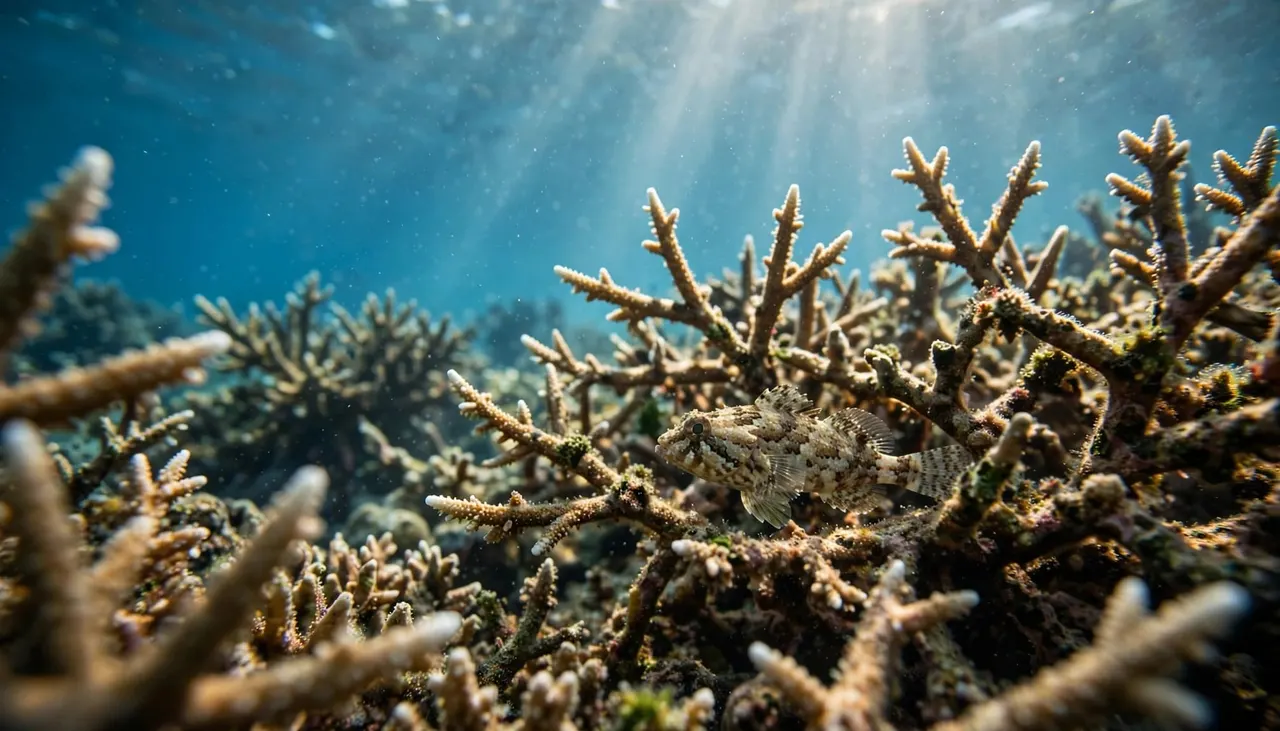
When you’re snorkeling Oahu reefs, stripes and spots are easy to admire. Understanding what they do takes more attention.
A marking doesn’t automatically prove camouflage. Fish coloration can have other functions, so avoid treating every attractive pattern as a predator defense.
Follow the Edge of the Body
Look at where a fish meets its background. Can you follow its back, belly, and tail as one continuous shape?
Strong contrasts within the body can make that task harder. Meanwhile, nearby coral and rock create their own edges. When those features overlap visually, separating the animal from its surroundings becomes less straightforward.
You don’t need to swim closer to investigate. Often, a patient view reveals more than a hurried approach that sends the fish elsewhere.
Treat Camouflage as More Than Color Matching
A 2017 study in the Journal of Experimental Biology found that reef-fish camouflage involves multiple factors affecting detection. Its research on disruptive coloration in reef fish supports a broader view than simply asking whether a fish matches the reef.
For your snorkeling experience, that means looking at the whole scene. Consider the fish’s outline, the pattern behind it, and whether movement makes the animal easier to separate.
You may still see a fish clearly. That doesn’t mean its markings have no defensive value under other viewing conditions.
Why Your Viewing Angle Changes What You Notice
A fish’s appearance isn’t fixed in your view. As you float past, the background behind it changes, and different parts of its body catch the light.
For snorkeling Oahu visitors, this offers a useful observation habit: watch how visibility changes without pursuing the animal.
Compare Reef Backgrounds With Open Water
A patterned fish beside rock presents a different visual scene than the same fish against blue water. Against a busy background, you have many competing edges to sort through.
In open water, the outline may become easier to recognize. However, that comparison tells you about your view at that moment, not everything a predator sees.
Let the fish move naturally between backgrounds. Following it too closely changes the encounter and can interrupt its normal activity.
Notice Light Without Overinterpreting It
Sunlight and shade change the contrast you see underwater. A bright patch of reef can make certain details stand out, while shaded areas conceal others.
Surface ripples also create shifting light across the bottom. As a result, the scene can look different even while you remain in roughly the same place.
Observe those changes rather than trying to explain every one. A single glimpse can’t establish why a particular marking developed or how well it protects a fish.
Movement Can Reveal What Color Conceals
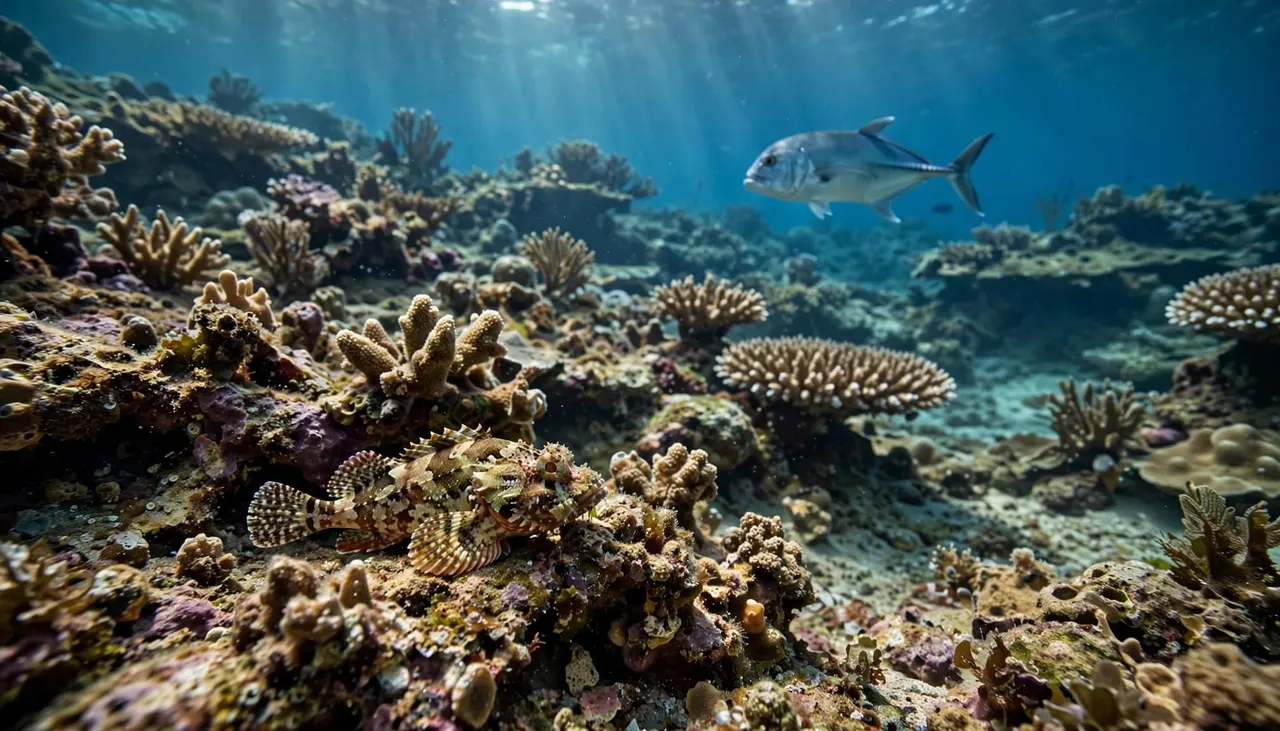
You may notice a fish only after its tail moves. That small motion separates it from nearby reef textures and gives you an outline to follow.
Stillness and shelter can complement camouflage, although hiding behind a rock differs from blending visually with it. Physical cover blocks part of an animal from view. Camouflage makes the visible animal harder to distinguish.
When snorkeling Oahu reefs, notice both processes without confusing them. A fish entering a crevice has changed its location; a fish remaining visible against a similar background presents a camouflage question.
Take a calm pause and observe one patch of reef for 20 to 30 seconds. This is a practical observation exercise, not a scientific threshold.
Watch for a fin moving beside a rock, a shape separating from shadow, or a fish emerging into open water. Then compare what you noticed before and after the movement.
Avoid assigning motives to every change. A fish might move for many reasons, and your brief view won’t reveal them all.
The rewarding part is recognizing that a reef holds more detail than your first glance suggests. You don’t need a dramatic predator encounter to see that.
Look Beyond the Most Colorful Reef Fish
Bright fish attract your attention first. Butterflyfish, yellow tangs, parrotfish, and Hawaii’s state fish, the humuhumunukunukuāpuaʻa, are memorable parts of Oahu’s marine life.
However, a colorful sighting doesn’t establish a camouflage function. You can enjoy identifying fish while keeping your observations separate from explanations you haven’t established.
Use Familiar Fish to Practice Observation
Start with a fish you can easily follow. Watch its route, its distance from the reef, and the backgrounds it passes.
Butterflyfish are often seen in pairs, while parrotfish have recognizable beak-like mouths. Those features help you organize what you’re seeing without requiring a complete identification guide.
Once you’ve followed an obvious fish, return your attention to the surrounding reef. Your eyes may begin picking out smaller movements and less distinct shapes nearby.
Give Less Obvious Shapes Equal Attention
A quiet patch of reef can deserve as much attention as a busy school. Look across rock edges and shaded openings without reaching into them.
You might discover a fish you overlooked, but finding something isn’t the only useful outcome. Sometimes you’ll understand the habitat better simply by observing its structure.
For families, take turns noticing details after returning to the boat. One person may remember a tail movement; another may recall how a pattern looked against rock.
This keeps snorkeling Oahu experiences focused on curiosity rather than collecting a fixed number of sightings. Each outing offers a different view of living habitat.
Observe Without Disturbing the Reef
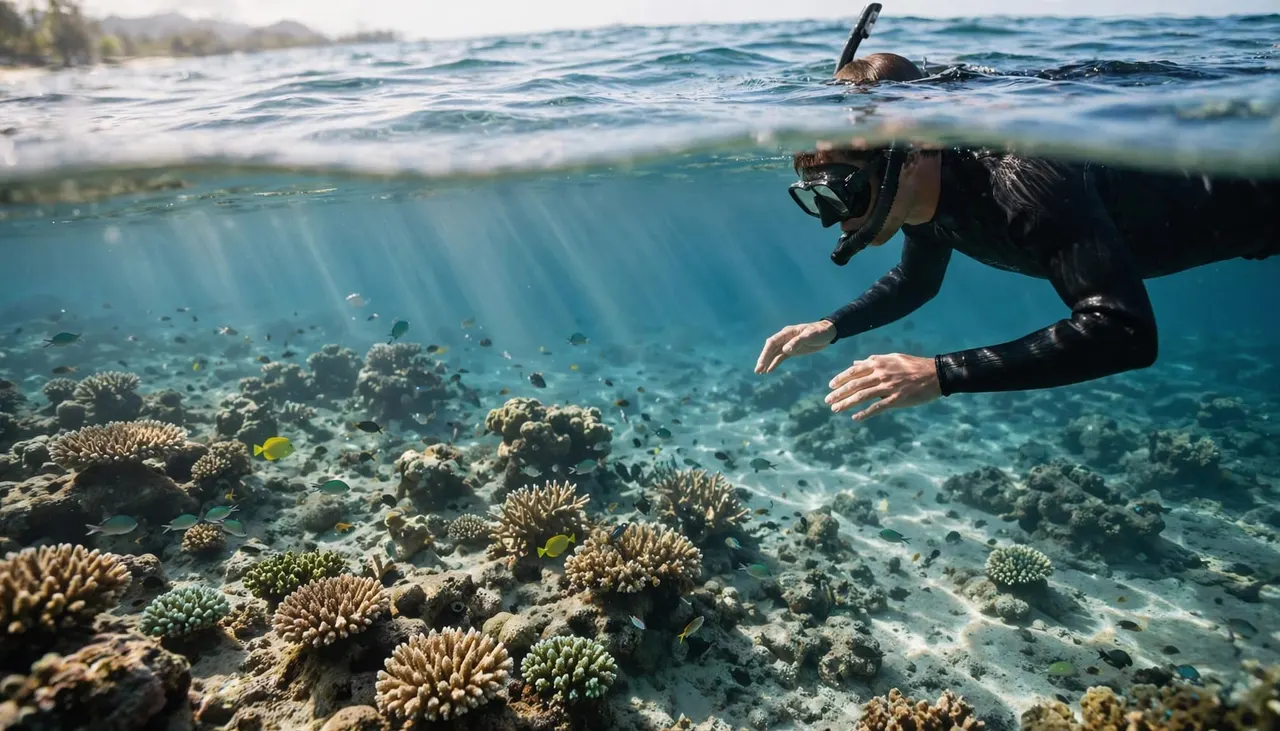
Your observation improves when you give wildlife space. Chasing a fish can replace its normal behavior with a response to your approach.
Keep your hands to yourself, use controlled fin movements, and maintain clearance above coral. Never stand on the reef or hold it for support. Hawaii beach etiquette guidance reinforces the importance of avoiding coral contact.
If your mask needs adjusting, follow your crew’s instructions rather than grabbing the bottom. Also, keep your attention on your position and your group, even when a fish captures your interest.
A fish that disappears after you approach hasn’t necessarily demonstrated camouflage. It may have moved behind physical cover.
That distinction helps you interpret the encounter honestly. It also gives you a reason to slow down before changing your position.
Responsible viewing connects your outing with care for Hawaii’s coastal resources. The reef is living habitat, including the coral animals that create much of its structure.
For couples and families, a useful shared goal is leaving the scene undisturbed. You’ll get a better opportunity to watch natural activity, while giving the next snorkeler the same chance.
Explore Waikiki Reef Habitat With Our Guides
You can bring this patient approach to our Waikiki snorkeling and wildlife experiences. At Living Ocean Tours, our family-friendly outings pair reef exploration with snorkeling gear and knowledgeable guides.
Guidance is especially helpful when you’re learning to manage your equipment and observe marine life at the same time. Listen to your crew’s instructions first, then settle into a pace that lets you notice the reef.
You don’t need to identify every fish to have a meaningful outing. A guide can help you focus your attention, while your own careful observation adds another layer to the experience.
Our approach centers on enjoying wildlife respectfully. Observe rather than touch, and let marine animals choose their movements.
For a guided reef outing, you can CHECK AVAILABILITY and choose an available departure.
Key Takeaways for Spotting Camouflage
- Look at the fish’s outline and background together; matching colors alone don’t explain every camouflage effect.
- Movement can reveal an overlooked fish, while physical shelter can block it from view.
- Give one reef patch patient attention instead of constantly swimming toward the next bright fish.
- Keep fins and hands clear of coral, and let wildlife move without pursuit.
These habits make your observations more useful. They also help you distinguish what you saw from what you assume about a fish’s behavior.
See More by Giving the Reef Time
The fish you initially miss can change how you appreciate a reef. When you’re snorkeling Oahu waters, color is only one part of the scene.
Notice outlines, compare backgrounds, and give movement time to reveal hidden shapes. Above all, practice patient observation without disturbing wildlife.
Your next memorable sighting may begin with a small movement beside a rock you nearly passed.


