
Snorkeling Oahu: How to Use a Relaxed Flutter Kick
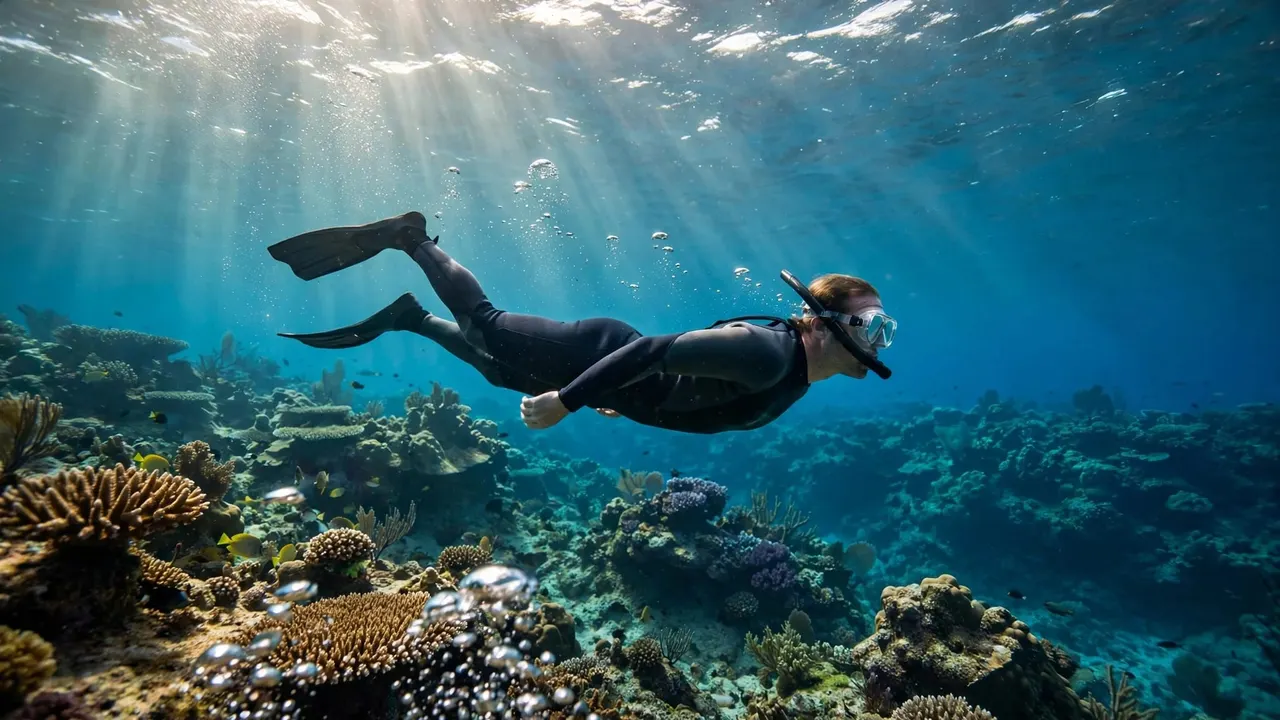
If your fins splash more than you move, slow down before you kick harder. Snorkeling in Oahu is easier to appreciate when you have time to settle into your gear and find a comfortable rhythm.
Living Ocean Tours supplies gear and knowledgeable guides for snorkeling at Waikiki’s Turtle Canyons, so you can ask for help before heading farther out. Start with small, controlled movements, then practice the body position and kicking cues below with your guide.
A Relaxed Flutter Kick for Snorkeling Oahu
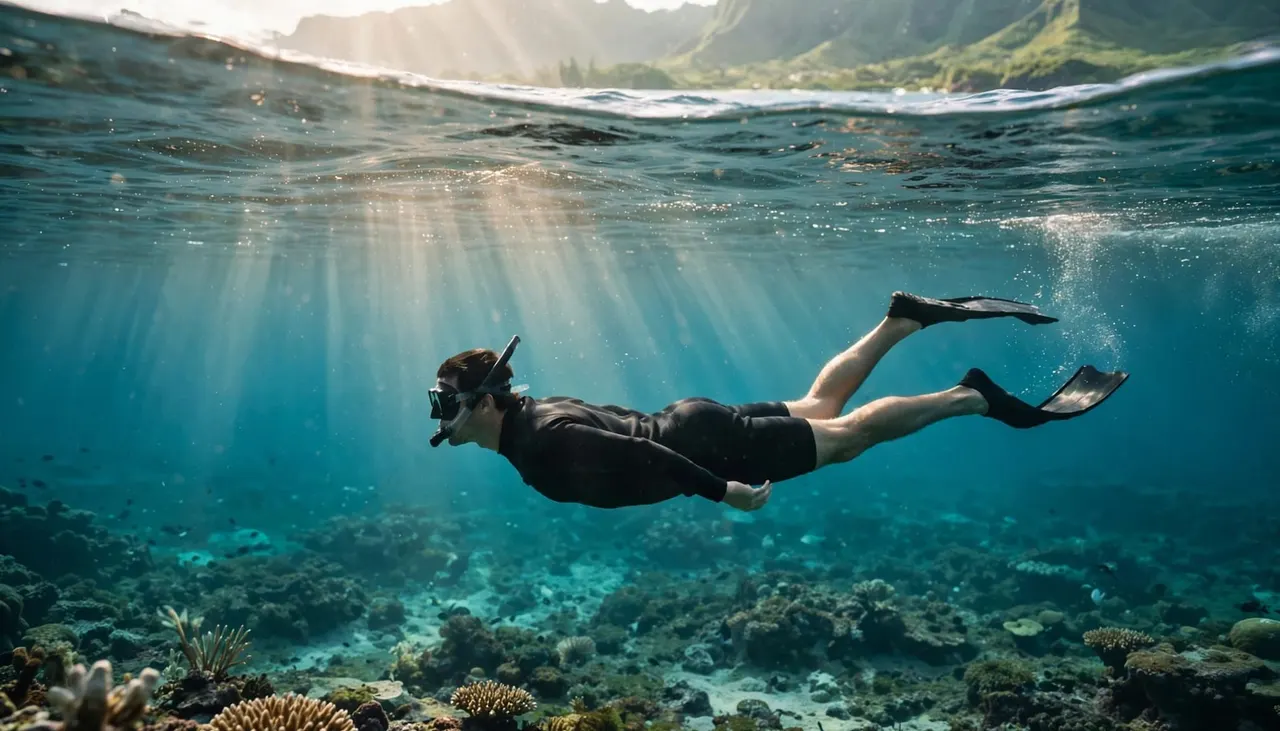
Treat these cues as a starting point. Your guide can watch your position and suggest adjustments suited to your equipment and the day’s conditions.
Let your hips start the movement
Aim to float face-down with your body close to horizontal. Look toward the reef beneath you rather than holding your head high to watch the horizon.
Next, try alternating small movements through your hips. Keep your legs comfortably long, with a slight bend in your knees. Avoid locking them straight or pulling your knees toward your chest.
Let one leg move down as the other moves up. Start gently, then ask your guide whether your kick looks controlled. You don’t need a racing rhythm to practice this movement.
Keep your ankles comfortable
Try letting your ankles stay loose rather than forcing your toes into a rigid point. Allow your fins to follow the movement of your legs.
Keep the kick compact at first. Picture your feet traveling within a narrow space behind you, rather than making wide scissor movements.
Also, let your arms rest comfortably when you’re moving forward. If you keep paddling with your hands, pause and ask your guide to check your balance. Work on one adjustment at a time so you can notice what feels different.
Check Your Gear Before Changing Your Kick
A frustrating first attempt deserves an equipment check before you spend the whole outing correcting your technique.
Ask for a fin-fit check
Your fins should feel secure without painful pressure. Tell the crew if a heel slips, a strap rubs, or your toes feel squeezed. Don’t wait until you’re away from the boat to mention discomfort.
Before entering, ask how to adjust your particular fins and how the crew wants you to use the ladder. Follow their instructions rather than walking around the deck in fins.
Once you’re in the water, try a few gentle movements near the designated entry area. Report any slipping or rubbing immediately.
Settle your mask and flotation
Ask the crew to check your mask if it leaks repeatedly. Keep hair clear of the skirt, and avoid tightening the strap more and more without checking the fit.
Discuss flotation options before entering, too. Explain your swimming ability honestly, including any anxiety about open water.
A flotation device doesn’t replace swimming ability, supervision, or attention to conditions. Ask how to use the equipment provided and how to signal for assistance. Then practice those instructions while your guide is nearby.
Practice Before You Swim Toward the Reef
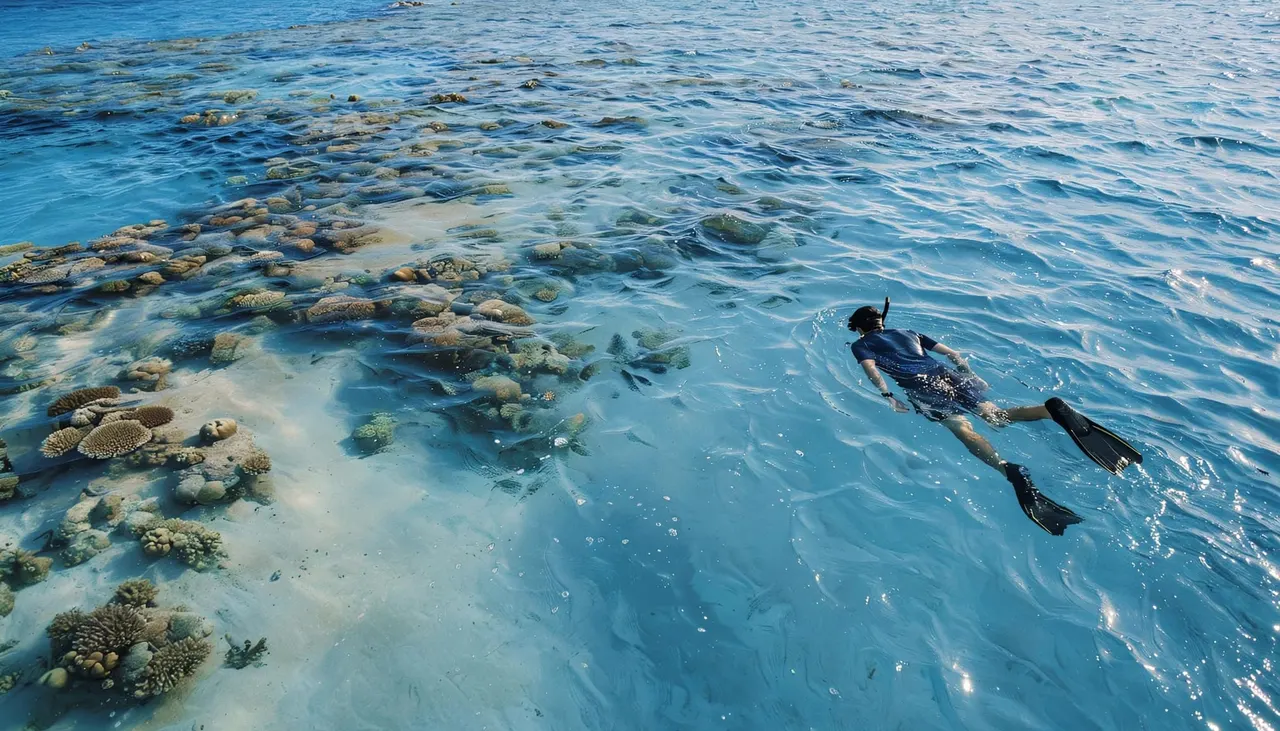
Before you explore the snorkeling Oahu offers, spend a little time getting comfortable with the basics. A supervised pool session can give you somewhere to practice without open-ocean distractions.
Start with your face in the water and practice breathing normally through your snorkel. Stay within your depth and have someone supervising. If you’re uncomfortable, lift your face and stop.
For kicking practice, follow this simple sequence with an instructor or guide:
- Establish a comfortable floating position before adding leg movements.
- Try a few small alternating kicks without paddling your hands.
- Pause, check your breathing, and ask for feedback before continuing.
Keep each attempt short enough that you can concentrate on the movement. There’s no need to turn practice into an endurance test.
At the snorkel site, repeat the process in the area your guide designates. Stay close until you’re comfortable using your gear and following instructions.
For couples and families, allow each person their own pace. Someone who learns quickly shouldn’t pressure a hesitant partner or child to move farther out. Agree on a clear way to pause together before entering.
Correct the Kick Habits That Feel Awkward
When your movement feels clumsy, ask your guide to watch you briefly. Describe what you’re feeling instead of guessing which part needs fixing.
Replace bicycle movements with smaller motions
If your knees keep coming forward toward your stomach, try lengthening your legs slightly. Then restart with a smaller movement at the hips.
Don’t force perfectly straight legs. Aim for a comfortable, soft bend rather than a large pedal-like motion.
Your guide can help you judge whether the change suits your position. Meanwhile, keep your attention on staying with the group. Practicing technique shouldn’t distract you from the briefing, the route, or other swimmers around you.
Reduce splashing without forcing your legs downward
If your fins repeatedly slap the surface, try a smaller kick. Ask your guide to check your overall floating position before pressing your legs deeper.
Avoid making a sudden, exaggerated adjustment. Instead, change one thing, try a few movements, and reassess.
Keep some space between your fins and the person behind you. If the group bunches together, slow down and follow your guide’s directions. A crowded moment is a good time to pause practice and concentrate on your surroundings.
Match Your Breathing to a Comfortable Pace
Use your breathing as a check on how you’re feeling. You should never feel obligated to keep moving because everyone else appears comfortable.
Practice normal breathing through your snorkel before swimming away from the entry area. Don’t hold your breath to extend a swim or compete with another person.
If you start breathing hard, stop trying to refine your kick. Signal your guide, use your flotation as instructed, and request help returning or resting.
Chest discomfort, dizziness, unusual breathlessness, or sudden weakness call for immediate attention. Exit the water with assistance and seek medical help when appropriate.
Also, don’t push through repeated coughing or water entering your snorkel. Ask for help checking the equipment and reviewing its use.
If you’re working hard but aren’t making progress, alert your guide. A technique adjustment isn’t a substitute for help with changing conditions.
During a comfortable pause, keep track of the boat, your buddy, and the group. Looking at fish shouldn’t mean losing awareness of where you are.
Give Oahu’s Reef and Wildlife Room
When snorkeling Oahu waters, follow the briefing about where to swim and where to stay clear. Keep enough space below you that neither your body nor your fins touch the reef.
If the water becomes too shallow, follow your guide toward an appropriate route. Don’t stand on coral to adjust your mask or rest.
Hawaii’s Department of Land and Natural Resources discusses viewing reefs without harming their ecosystems in its Hā’ena State Park Master Plan. Although that park is on Kauai, the message offers a useful reminder: observe the reef without disturbing it.
At Turtle Canyons, you may see Hawaiian green sea turtles near a natural cleaning station. Watch without touching, chasing, or blocking their movement. Wildlife encounters vary, so don’t turn a sighting into a race.
If a turtle moves away, let it go. Follow your guide’s wildlife-viewing instructions rather than leaving the group for a closer look.
Finally, avoid practicing wide kicks over coral or near other snorkelers. Choose the practice area your guide recommends, then leave the reef undisturbed while you observe.
Get Personal Guidance With Living Ocean Tours
For the snorkeling Oahu visitors often picture, with reef life beneath them and Waikiki nearby, consider Living Ocean Tours’ guided Oahu snorkeling excursions.
Its published tour information includes snorkeling at Turtle Canyons, supplied gear, and knowledgeable guides. The company describes its snorkeling experiences as suitable for all skill levels.
Still, discuss your own needs before booking. Tell the crew about limited swimming experience, nervous children, or difficulty using a mask and snorkel. Ask what participation requires rather than assuming every outing suits every guest.
During instruction, request a demonstration of the flutter kick. Then ask the guide to watch your first attempt and give you one adjustment to practice. That individual feedback gives you something concrete to work on.
If Turtle Canyons is your preferred outing, CHECK AVAILABILITY for your travel dates. Choose a departure that gives you time to arrive, ask questions, and get comfortable with the equipment.
You can also browse the company’s available departures below.
Key Takeaways for Your First Practice
- Begin with a comfortable floating position, then try small alternating movements with softly bent knees.
- Ask your guide to check fin fit and watch your kick instead of correcting several things at once.
- Stay with your buddy and group, leave wildlife undisturbed, and request help whenever your breathing or comfort changes.
Frequently Asked Questions
Should you keep your knees completely straight?
Try keeping them comfortably long with a slight bend. Avoid forcing them rigid or bringing them far forward in a bicycle motion.
Because you can’t easily watch your own legs while snorkeling, ask your guide for feedback. A brief observation is more useful than repeatedly guessing what your kick looks like.
Should you keep kicking when you feel tired?
Stop practicing and signal for help. Follow your guide’s instructions for resting with flotation or returning to the boat.
Don’t treat tiredness as something to overcome by kicking harder. If you also experience dizziness, chest discomfort, or unusual breathlessness, alert the crew immediately and leave the water with assistance.
Enjoy the View at Your Own Pace
Approach snorkeling Oahu waters with time to settle into your gear and practice a compact kick. Use personal feedback to guide your adjustments, and keep your attention on the group and conditions.
You don’t need to perfect every movement on your first outing. A comfortable pace leaves you room to observe the reef while respecting your limits and the wildlife around you.


