
Snorkeling Oahu: Waialae Beach Entry and Reef Conditions
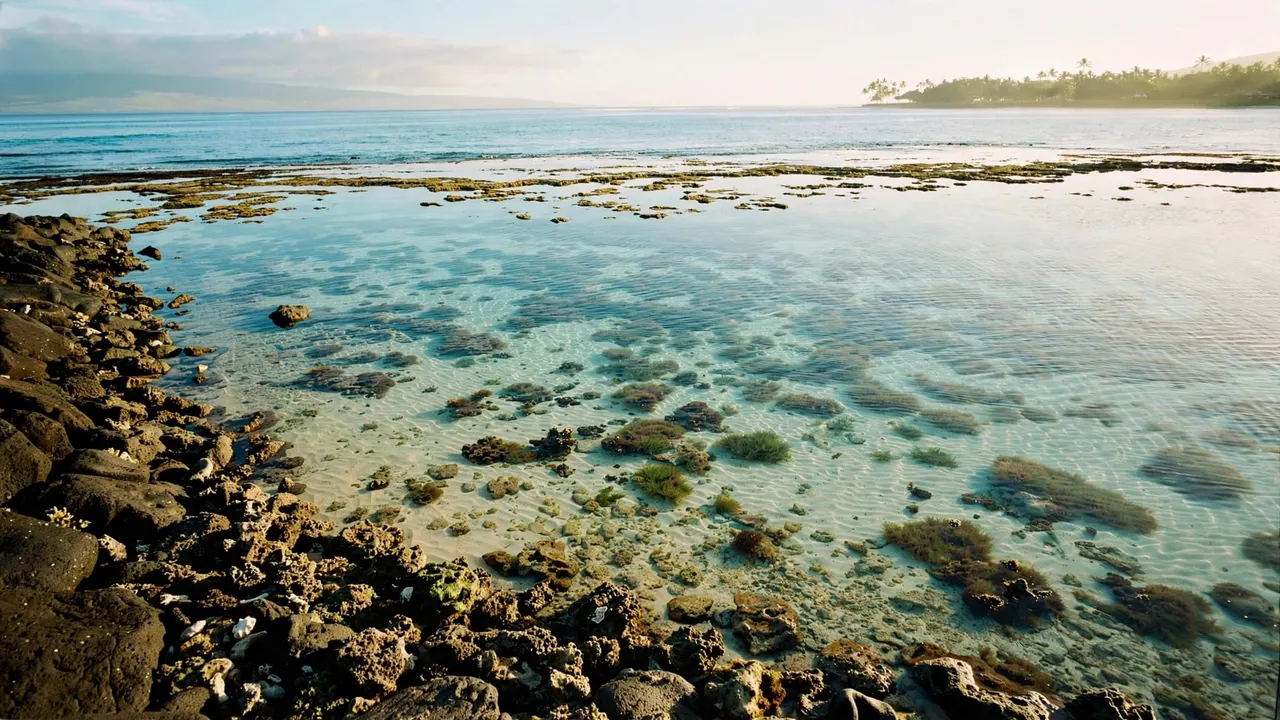
A calm-looking shoreline can still have an awkward snorkeling entry. If you’re snorkeling Oahu, Waialae Beach Park deserves a careful look before you put on your fins.
Living Ocean Tours offers a guided alternative near Waikiki, while Waialae appeals to visitors who want an independent beach stop. However, its shallow, rocky nearshore makes today’s conditions more important than its inviting appearance.
Start by assessing the shoreline, your return route, and the comfort level of everyone in your group.
Key Takeaways for Your Waialae Visit
- Waialae’s nearshore includes shallow, rocky areas with sand and coral rubble, so entry requires careful footing and clear visibility.
- Don’t assume you have lifeguard supervision, dependable underwater clarity, or an established snorkeling route.
- Check surf, wind, posted warnings, and water quality before entering. If conditions or your exit are uncertain, enjoy the beach instead.
For beginners and families, a guided outing can provide instruction and in-water support without asking you to assess an unfamiliar shore entry alone.
What to Expect When Snorkeling Oahu at Waialae
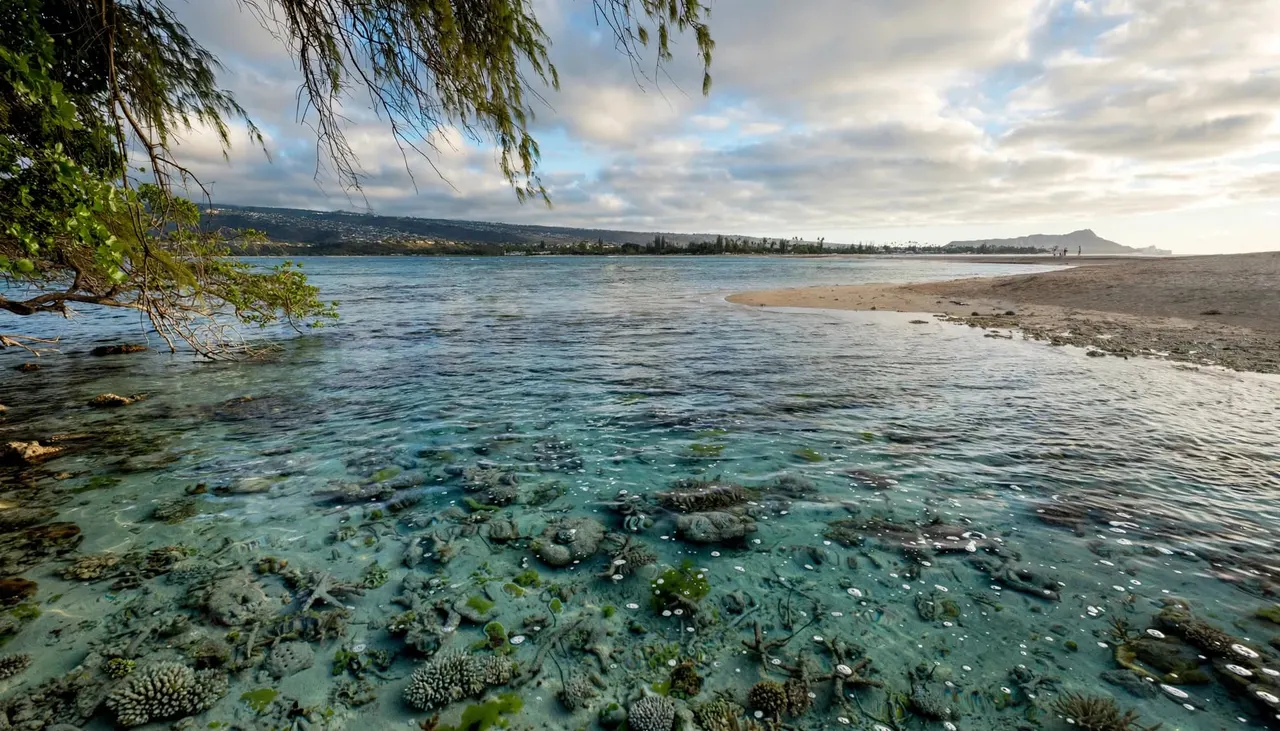
A Kahala Shoreline With Uneven Underwater Terrain
Waialae Beach Park is in Kahala on Oahu’s south shore. Its beach setting makes a pleasant stop, but a convenient shoreline doesn’t automatically give you an easy swimming area.
The nearshore combines shallow water, rocky footing, sand, and coral rubble. Consequently, you should assess the bottom before committing to an entry.
Don’t plan around a fixed depth or guaranteed visibility. What you can comfortably see and avoid on arrival matters more than an attractive beach photograph.
A Conditional Snorkeling Stop
Waialae is a conditional choice for snorkeling rather than a dependable destination for every visitor. Shallow reef terrain can limit swimming space and make entry uncomfortable.
If you’re a confident ocean swimmer, evaluate the beach with an experienced buddy. Beginners should avoid using an unfamiliar rocky shoreline as their first equipment practice area.
You can also keep this stop entirely on land. A beach visit remains worthwhile when the water doesn’t suit your abilities.
How to Assess Your Entry and Exit
Identify Usable Footing Before Getting Wet
Walk along the shore and look at the bottom through the water. A sandy-looking patch needs closer inspection because rocks or rubble may sit beneath it.
Don’t follow another snorkeler blindly. Their experience, equipment, and intended route may differ from yours.
Instead, identify where you would enter and where you would return. Watch several wave sets, then check whether moving water repeatedly covers or disturbs that area.
Hawaii Ocean Safety’s snorkeling safety guidance recommends assessing the water before entering and avoiding dangerous conditions. Where a lifeguard is available, ask about local hazards.
Keep Your Return Within Your Abilities
Enter slowly only after you can see your footing and assess the conditions. Water shoes can protect your feet, but they don’t make unstable rubble or rough water safe.
Avoid walking in fins across uneven ground. Put them on where you can maintain balance without standing on coral or drifting into rocks.
Stay close enough to your chosen exit that returning remains comfortable. Leave the water before fatigue makes the same entry feel harder.
If waves, visibility, or moving water prevent you from judging a usable return, postpone snorkeling. You shouldn’t need an improvised escape route after entering.
Reef Conditions: Clearance and Visibility Matter
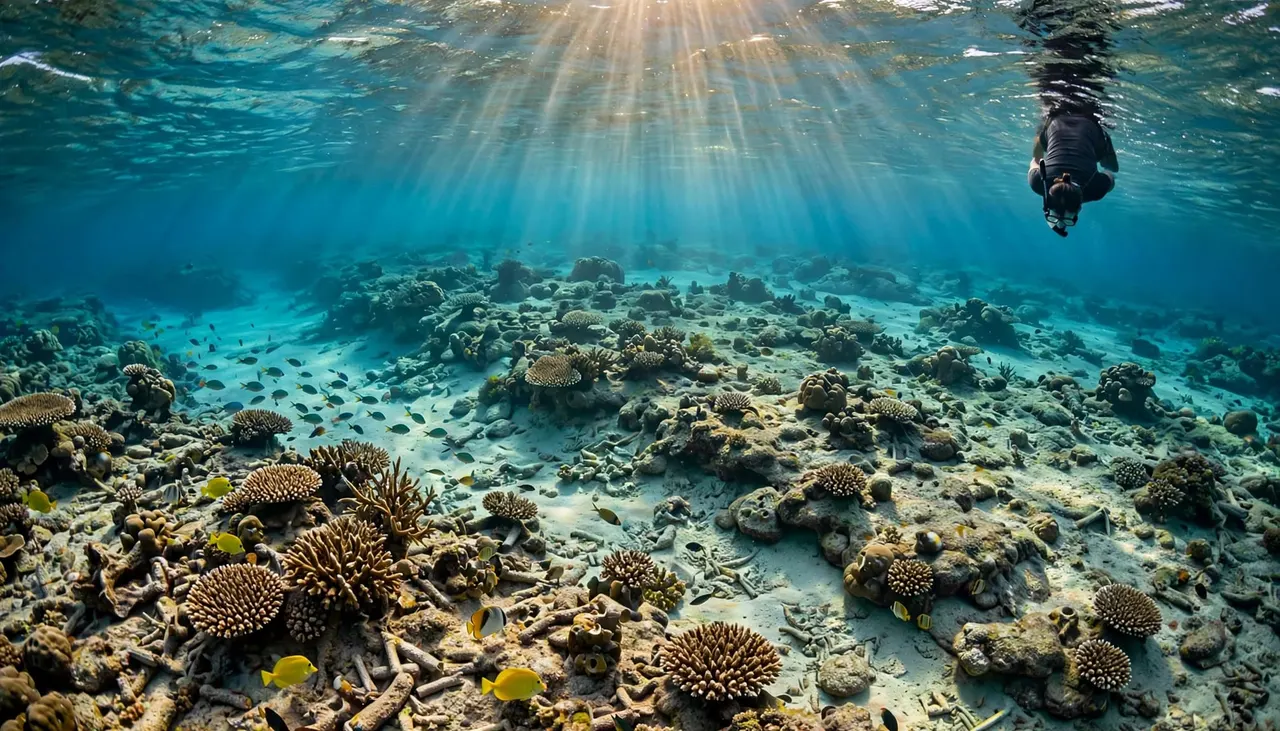
Shallow Water Can Leave Little Room to Move
Shallow water doesn’t automatically make snorkeling easier. You still need clearance beneath your body and fins, especially when waves lift and lower you.
At Waialae, rocky nearshore terrain makes that clearance worth checking carefully. Don’t cross an area where you would need to stand, push off the bottom, or scrape your fins.
Tide changes can alter available clearance. However, there isn’t one tide stage you should treat as universally safe here.
Stay at the surface and avoid chasing fish into tight spaces. If you can’t turn comfortably without contacting the bottom, choose another area or end the swim.
Clear Water Helps You Make Better Decisions
Visibility affects more than the quality of your underwater photographs. You need to see obstacles, track your buddy, and recognize your return direction.
Wind, wave action, and runoff can reduce clarity. Therefore, judge the water you see rather than expecting the same experience as someone else’s visit.
Don’t assume snorkeling will improve farther offshore. A longer swim adds distance to your return without guaranteeing clearer water.
Observe any wildlife without touching, feeding, or following it. If a turtle appears, give it room to move and surface naturally.
Check Weather and Warning Signs Before Entering
Read the Forecast for This Shoreline
When snorkeling Oahu, check conditions for the side of the island you actually plan to visit. A favorable report elsewhere doesn’t establish suitable conditions at Waialae.
Review surf, wind, and weather before leaving, then reassess at the beach. Morning may offer lighter winds, but an early arrival isn’t a safety guarantee.
Watch the shoreline for several minutes. Repeated breaking waves, increasing chop, or obvious difficulty among swimmers are reasons to reconsider.
After rain, pay attention to discolored water and possible runoff. Check current advisories rather than assuming that sunshine means water quality has recovered.
Treat Uncertainty as a Reason to Stay Ashore
Read every posted warning before approaching the water. Hawaii Ocean Safety’s guide to beach warning signs explains how officials communicate hazards.
Don’t assume someone is supervising your entry because another beach has a lifeguard tower. Confirm any available coverage locally.
If you can’t see your footing or assess your return route, you don’t have enough information to choose an entry.
Avoid setting a universal wave-height cutoff for this beach. Wave period, direction, wind, and your swimming ability also affect the decision.
If conditions deteriorate during your visit, change plans promptly. Waiting for one brief calm pause doesn’t resolve a persistent hazard.
Pack for Comfort and Plan Around Your Group
If snorkeling Oahu is new to you, practice with your mask and snorkel in a controlled setting first. Your first lesson shouldn’t happen while you’re balancing over unfamiliar rocks.
Bring a well-fitting mask, appropriate fins, sun protection, and drinking water. A rash guard reduces sun exposure, while suitable flotation can add support. However, equipment doesn’t replace swimming ability or a buddy.
For families, assess the least experienced person’s needs before deciding whether anyone enters. Children need close, active adult supervision, and a shallow beach isn’t automatically suitable for them.
Couples should agree on a simple plan before entering: stay together, keep the exit visible, and return when either person feels uncomfortable. Don’t split up to follow different fish.
Keep towels and dry clothing accessible for your return. Also, leave valuables secure rather than expecting someone in the water to watch belongings onshore.
Choose Guided Support Near Waikiki
Living Ocean Tours departs from Kewalo Basin Boat Harbor, minutes from Waikiki. You can compare its guided Waikiki snorkeling options if independent shore entry doesn’t suit your group.
The company describes itself as Honolulu’s only tour company with professional snorkel guides. That in-water support gives you someone to signal when a mask leaks or you need help adjusting equipment.
You receive gear and instruction, along with shaded seating, onboard restrooms, dry storage, and sturdy ladders for water entry and return. These features are useful when your group has mixed experience.
Tell the crew about swimming confidence and any concerns before entering. Guided snorkeling still takes place in the ocean, so conditions and wildlife sightings vary.
The crew’s approach also emphasizes observing marine life without touching it. You can enjoy the reef while keeping your attention on comfortable swimming and respectful wildlife viewing.
If you’d prefer professional guidance instead of evaluating Waialae’s entry yourself, check available departures before planning your ocean day.
Frequently Asked Questions About Waialae Snorkeling
Is Waialae Beach Park Suitable for Beginners?
Don’t treat Waialae as a guaranteed beginner snorkeling location. Its shallow, rocky nearshore can complicate footing and reduce swimming clearance. If you’re unfamiliar with ocean snorkeling, choose instruction and supervised practice instead of learning at an uncertain shore entry.
Can You Count on Seeing Turtles?
You shouldn’t plan a Waialae visit around a guaranteed turtle encounter. Wildlife moves freely, and visibility affects what you can observe. If you do encounter a turtle, keep your distance and let it choose its direction.
Do You Need Water Shoes?
Water shoes can help protect your feet around rocks and rubble. However, they don’t solve poor visibility, rough water, or unstable footing. Avoid stepping on coral, and don’t enter an area merely because your feet are covered.
Is Morning Always the Best Time?
Morning can bring lighter winds, but it doesn’t guarantee suitable snorkeling. Check the forecast, warnings, visibility, and shoreline when you arrive. If the water isn’t appropriate, an early start still gives you time to change your plans.
Make Conditions Your Deciding Factor
You’ll get more out of snorkeling Oahu when you choose water that matches your abilities. At Waialae, that means checking footing, reef clearance, visibility, and your return before entering.
Keep your plan flexible rather than forcing a swim at a particular beach. Whether you stay ashore or choose guided support, a comfortable decision makes your ocean day more enjoyable.


