
Snorkeling Oahu: A Hawaiian Nudibranch Field Guide
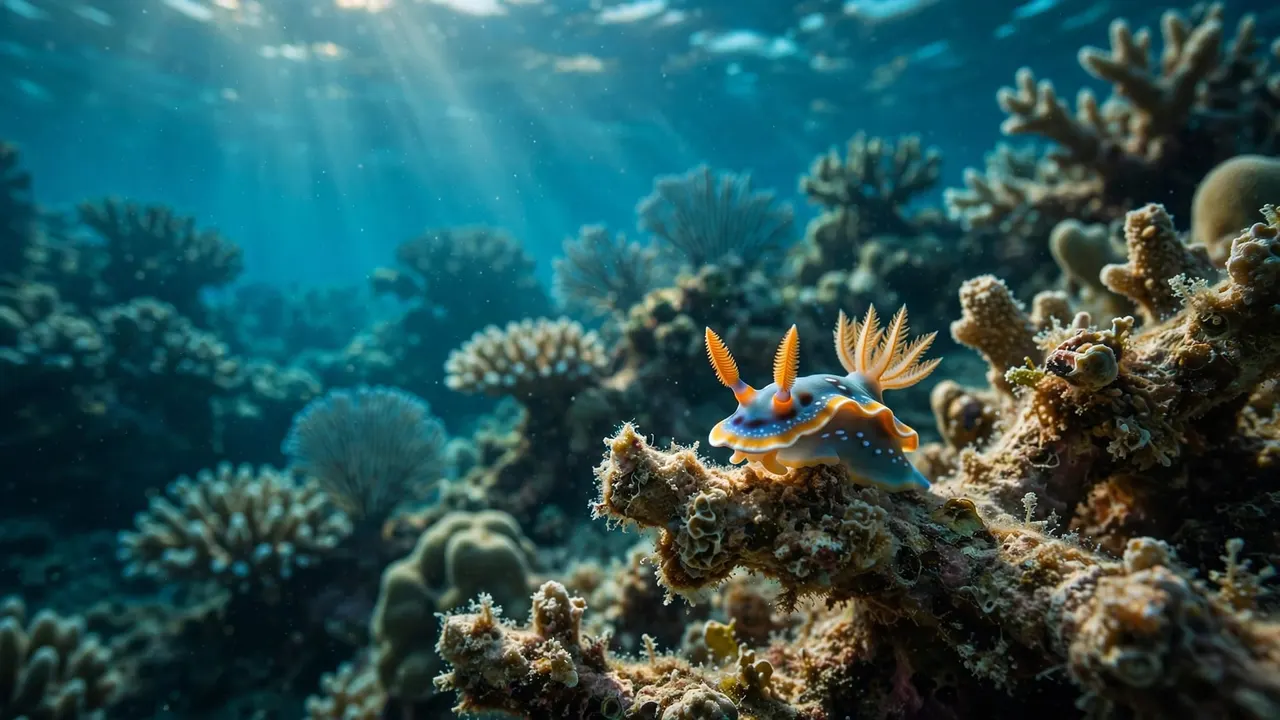
Your most memorable reef discovery might be smaller than your thumbnail. While snorkeling Oahu’s reefs, you could spot a nudibranch, a shell-less sea slug with striking colors and unusual shapes.
You can explore offshore reefs with Living Ocean Tours, but finding these small animals takes patient observation and suitable conditions. Start by learning what to notice, where to look, and how to search without disturbing the reef.
What to notice while snorkeling Oahu
Recognize the basic body features
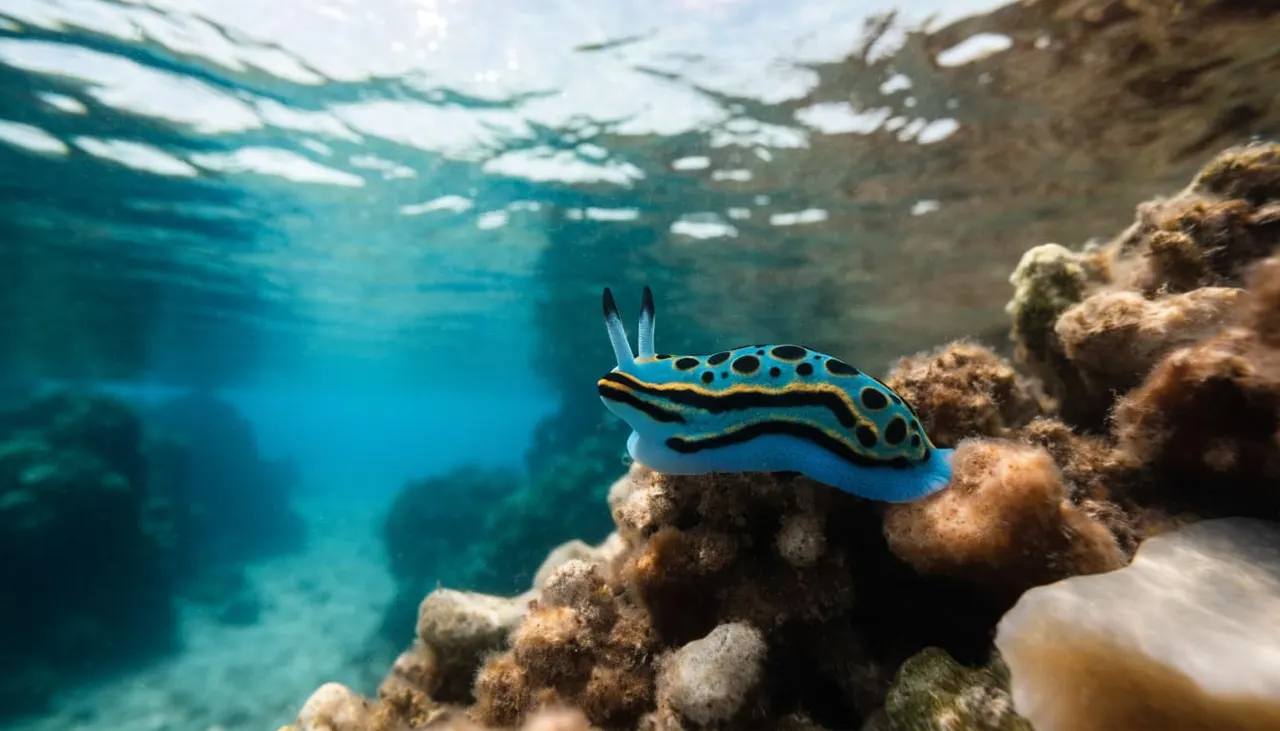
Nudibranchs are marine mollusks that lack an external shell as adults. Their name refers to “naked gills,” although those breathing structures don’t look identical across the group.
Look for a soft body moving across the bottom. Many species have two sensory structures, called rhinophores, near the head. These help the animal detect chemical cues in the water.
Some nudibranchs have a feathery gill cluster toward the rear. Others carry fingerlike projections called cerata. The Australian Museum’s sea slug terminology guide helps you distinguish nudibranchs from other sea slugs.
Separate a discovery from an identification
A colorful patch might be a slug, sponge, flatworm, or algae. First, watch for movement and a recognizable body outline.
Then notice the rhinophores, body edge, and any visible breathing structures. Color helps narrow possibilities, but it doesn’t confirm a species.
Keep an unfamiliar animal labeled “unidentified sea slug” until you have enough evidence. That’s more useful than attaching a confident name to a blurry photograph.
Hawaiian nudibranchs with documented Oahu records
You don’t need an exhaustive checklist before entering the water. A few documented species give you a starting point for comparing photographs afterward.
These historical records show that particular species have occurred around Oahu.
| Species | Recorded Oahu location | First reported Hawaii record |
|---|---|---|
| Halgerda terramtuentis | Ala Moana | February 1962 |
| Glossodoris rufomarginata | Hanauma Bay | May 1965 |
| Ceratosoma tenue | Off Barber’s Point | January 1965 |
These records aren’t directions to reliable viewing spots. They don’t establish current abundance, snorkeling depth, or the likelihood of an encounter today.
When comparing candidates, Halgerda terramtuentis has a distinctive yellow-orange ridge pattern with pale spots. Glossodoris rufomarginata has a speckled body and an orange-brown mantle margin. Still, similar-looking animals require closer comparison.
Older references can also use different names. For example, Kay and Young reported Ceratosoma tenue under the name Ceratosoma cornigerum.
You can trace published work through the Sea Slugs of Hawaii bibliography. Use records to guide your learning rather than build a must-see list.
Most importantly, don’t assume every bright sea slug belongs to one of these species. Hawaiian waters support many forms, and this short selection isn’t a complete inventory.
Search small reef patches without disturbing them
Scan visible surfaces slowly
When snorkeling Oahu’s shallow reefs, look at the bottom’s texture rather than only the fish above it. Exposed rock, algae-covered surfaces, and coral rubble can hold small animals.
Choose a patch you can observe comfortably from the surface. Pause long enough to separate living shapes from shadows and uneven rock.
Look along visible edges and into openings you can see without approaching closely. Your goal is to notice an animal already in view, not expose hidden habitat.
Never overturn rocks or lift rubble. Those surfaces support animals you may not recognize, and moving them can damage their shelter.
Keep your search within snorkeling limits
Many nudibranchs are small enough to disappear against the reef. Depth, glare, surge, and suspended particles can make them difficult to distinguish.
If the bottom is too far away, enjoy the larger reef scene instead. Don’t make repeated breath-hold dives or swim beyond your group to chase a possible sighting.
A guide may help you interpret something visible, but no guide can guarantee a nudibranch encounter.
A recorded species location tells you where an animal has been found, not where you’ll find it on your next swim.
Choose reef access around conditions, not sightings
Shore snorkeling gives you flexibility
If you’re snorkeling Oahu independently, choose a legal access point with manageable entry and exit conditions. Go with a buddy, and keep your return route clear.
Hanauma Bay offers a protected marine setting, but you still need to follow current reservation and access requirements. A historical nudibranch record there doesn’t promise a sighting.
North Shore sites around Pupukea require an honest assessment of swell and surge. Large surf can make a familiar-looking shoreline unsuitable for snorkeling.
Before entering anywhere, ask a lifeguard about conditions when one is available. Skip the swim if you can’t identify a comfortable exit.
Boat access reduces some planning demands
A guided offshore outing gives you an organized entry plan and crew instructions. That can help when your family has mixed swimming confidence.
Turtle Canyons, off Waikiki, is known for Hawaiian green sea turtles visiting cleaning-station habitat. Treat smaller reef discoveries as a bonus rather than the reason to expect that particular destination.
Boat access doesn’t remove wind, current, or visibility concerns. Follow the captain’s assessment, stay within the swimming area, and return when instructed.
Photograph features that help with identification
When snorkeling Oahu with a camera, your first task is staying aware of your position. A close-up isn’t worth drifting into coral or losing track of your buddy.
Take a wider photograph first. It can show the animal’s body outline and its surroundings, even when a detailed image proves difficult.
Then, if conditions allow, photograph the head and rear structures without closing the distance enough to disturb the animal. Avoid relying on one tightly cropped image that hides useful features.
Record the location, date, and approximate depth if you can estimate it reliably. Also note whether the animal was on exposed rock, algae, or another visible surface.
Natural light changes color underwater, so compare shape and markings as well as hue. Never reposition a nudibranch for a better angle.
Afterward, compare your images with a photographic guide to Hawaiian nudibranchs. That collection focuses on animals found in water 25 feet deep or less, but it isn’t an Oahu sighting forecast.
If key structures remain unclear, keep the identification provisional.
Protect the reef while watching its smallest residents
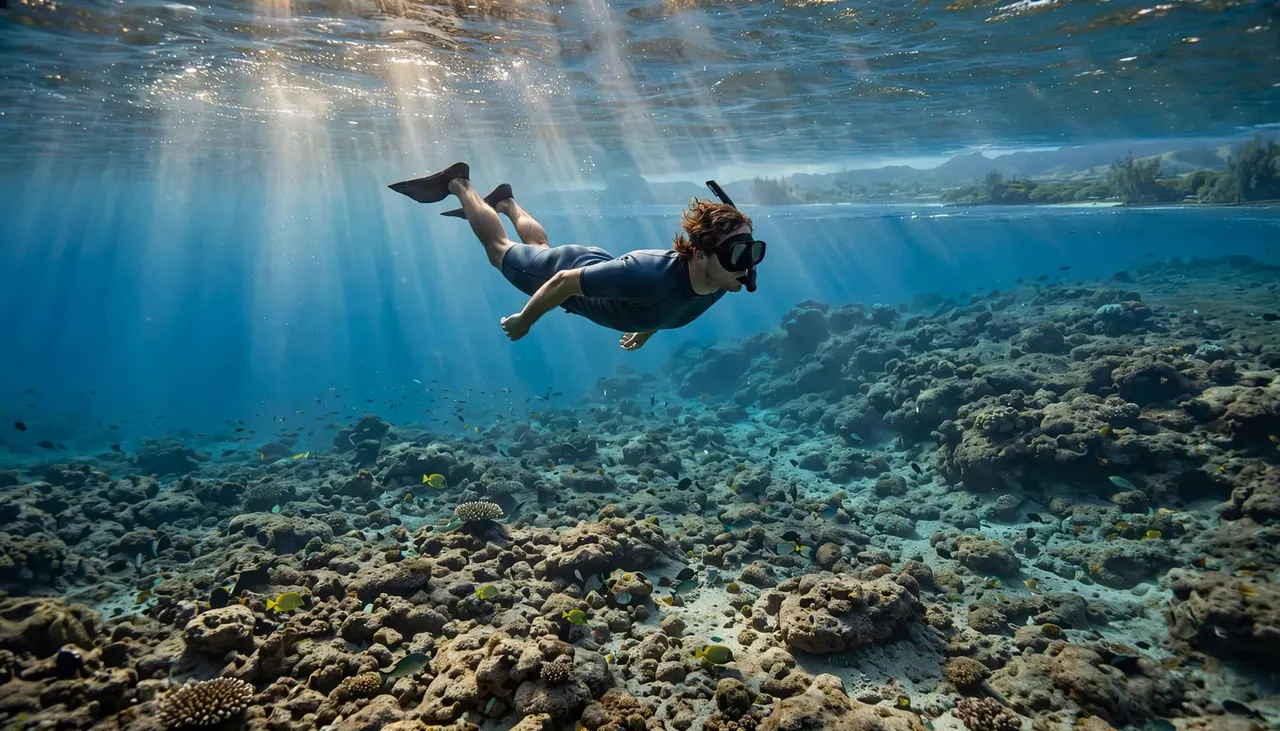
Your fins, camera, and body need clearance above the bottom. Even a gentle fin kick can stir sediment or strike coral.
If your mask needs adjusting, move over open water or use appropriate flotation support. Don’t stand on coral or grab the reef to hold position.
Observe nudibranchs without touching, collecting, or feeding them. Their vivid appearance gives you no reliable information about whether handling is safe.
The same approach protects larger wildlife. Let turtles travel and surface freely, and avoid following an animal that moves away.
For sun protection, a rash guard reduces the amount of exposed skin needing sunscreen. Check sunscreen ingredients rather than relying only on a “reef-safe” label. The Maui Nui Marine Resource Council’s reef-friendly snorkeling guidance offers practical advice that also applies to respectful reef visits on Oahu.
Leave shells, rocks, and other habitat material where you find them. Your observation should leave the reef unchanged.
Get comfortable with Living Ocean Tours
For families snorkeling Oahu together, equipment support can make the reef easier to enjoy. Living Ocean Tours departs from Kewalo Basin Boat Harbor, minutes from Waikiki.
The company describes itself as Oahu’s only tour operator with professional snorkel guides in the water with guests. You can ask for help with mask fit, flotation, and keeping your fins clear of coral.
Its Coast Guard-inspected double-decker vessels, Coral Kai and Lokahi, offer shaded seating, restrooms, dry storage, and sturdy boarding ladders. Those comforts give you somewhere to rest before and after your swim.
Tell the crew about swimming nerves, seasickness, or a child who needs extra time before entering. Guided support helps with preparation, but you still need to follow instructions and respect your own limits.
Book for a comfortable, guided reef experience rather than a promised nudibranch sighting. Fish, turtles when present, and the surrounding habitat offer plenty to observe while you watch for smaller discoveries.
Key takeaways for your nudibranch search
- Choose calm, manageable conditions before choosing a target animal.
- Watch visible reef surfaces slowly without lifting rocks or touching wildlife.
- Photograph body features and record location details before naming a species.
- Treat historical records as learning resources, not guaranteed viewing locations.
- Keep your search within your swimming ability, your group’s boundaries, and the day’s visibility.
Frequently asked questions
Can you see nudibranchs while snorkeling?
Yes, some occur in shallow water, but sightings depend on visibility, habitat, and careful observation. Many are too small or too well concealed to notice from the surface.
You can have an excellent reef outing without finding one. Enjoy the fish and habitat while keeping an eye out for smaller movement below.
Can you identify a Hawaiian nudibranch by color?
Color is a useful clue, but it isn’t enough by itself. Similar markings, underwater lighting, and incomplete photographs can lead to mistakes.
Compare body shape, rhinophores, gills or cerata, and mantle edges. If those features aren’t visible, leave the species name uncertain.
Make your next reef discovery a careful one
A slow, comfortable float gives you more opportunity to notice small reef residents than a hurried search. When snorkeling Oahu, keep observation ahead of identification and let conditions set your limits.
Whether you find a nudibranch or spend the outing watching fish, leave every animal and reef surface untouched. The rewarding discovery is one you can enjoy without changing its home.


