
Snorkeling Oahu: How Coral Shapes Create Reef Habitats
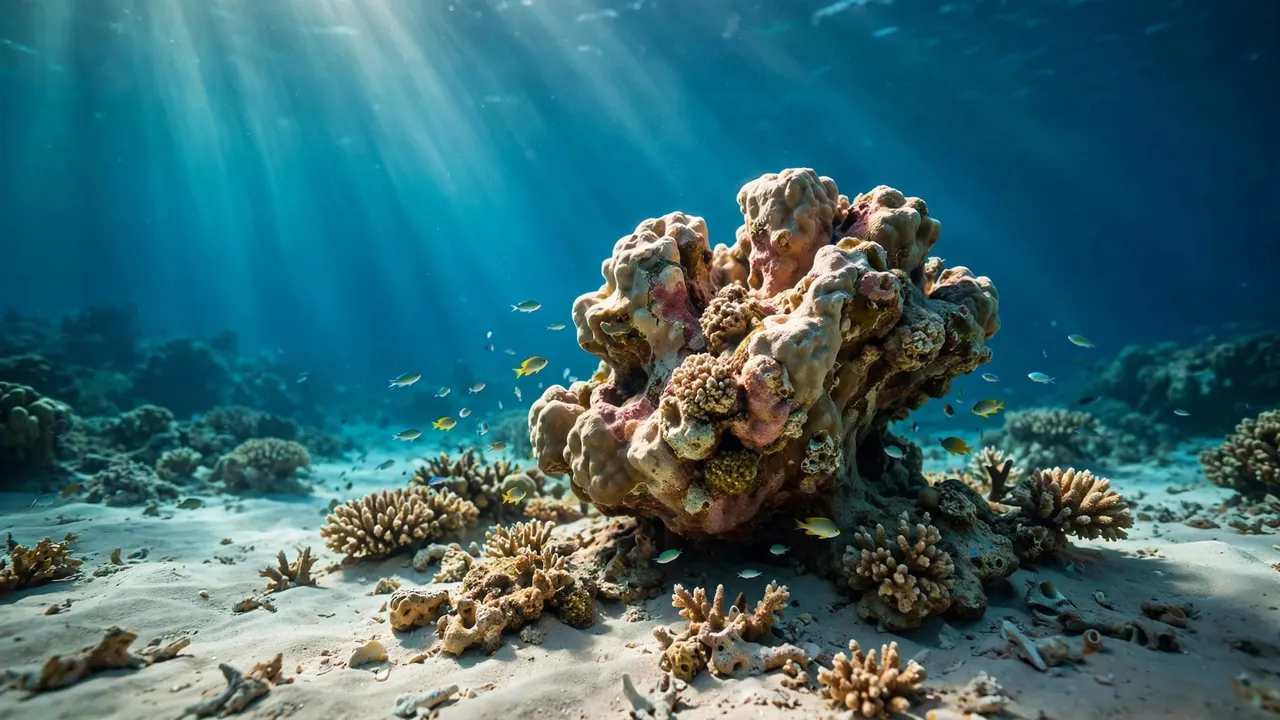
A reef looks like one colorful stretch of seafloor until you pause above it. Then you notice rounded coral heads, low-growing patches, open sand, and fish moving between them. When snorkeling Oahu’s reefs, those changes in shape can tell you where to look and where to give the bottom extra room.
Living Ocean Tours takes guests from Kewalo Basin Boat Harbor near Waikiki to offshore snorkeling areas. Whether you go by boat or enter from shore, a closer look at the reef makes the swim more rewarding. Start with the coral’s shape, then watch what happens around it.
Start with the living structure beneath you
Tiny animals build large colonies
The hard shapes you see underwater come from coral polyps, small animals that live together in colonies. As many reef-building corals grow, their calcium-carbonate skeletons add to the solid structure beneath the living surface. That process takes time, which is one reason a broken colony can’t simply be put back as it was.
Sunlight matters, too. Many shallow-water corals live with microscopic algae that help provide food through photosynthesis. Depth, water clarity, and conditions at a site all affect the environment around them. A bright patch and a shaded ledge may sit only a short swim apart, yet look quite different through your mask.
NOAA’s shallow-water habitat atlas describes reefs as habitat for a wide range of marine organisms. The atlas covers the Northwestern Hawaiian Islands, rather than your particular Oahu snorkel site, but that broad relationship is easy to appreciate when you watch life around a reef.
Look past color
Color catches your attention first. Shape gives you a better sense of the space. Look for a raised outline against the sand, a low surface spread across rock, or a gap between separate colonies. You don’t need to identify a coral species to notice those features.
Also remember that every hard-looking surface isn’t living coral. Rock, old reef framework, and algae can share the same view. Keep your distance rather than reaching down to check a texture.
Reading coral growth forms while snorkeling Oahu
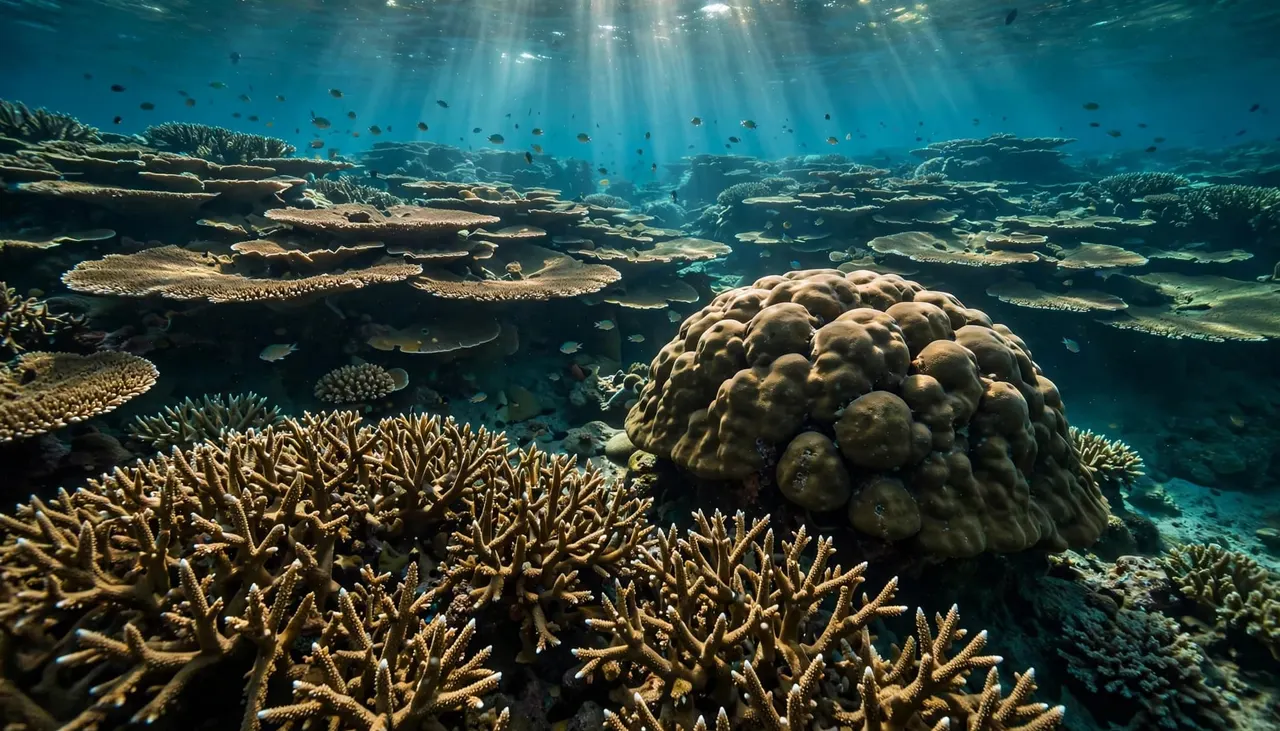
Corals can grow in different outlines. Rounded colonies, upright growth, and flatter forms change how much space sits above and around a patch of reef. You won’t find every form at every Oahu site, and an outline alone won’t tell you which animals live there.
Rounded and low-growing forms
A rounded coral head rises clearly from the surrounding bottom. From the surface, its curved edge can help you pick out the boundary between coral, rock, and nearby sand. A low-growing colony is easier to overlook because it follows the surface beneath it.
That difference matters when you’re choosing a route. A patch that appears flat from several feet away may still be living coral. Stay high enough to float over it without brushing the surface with your fins.
Upright and spreading forms
Where upright growth is present, look at the spaces between its projections rather than trying to swim closer. Broad or spreading growth creates a different outline and may leave shaded space beneath an edge where the reef’s shape allows it.
These are ways to read structure, not promises about which fish you’ll see. Float still and watch how animals use the area in front of you. If you move from one coral shape to the next too quickly, you’ll miss the paths fish take between them.
Reef zones add another layer to the view
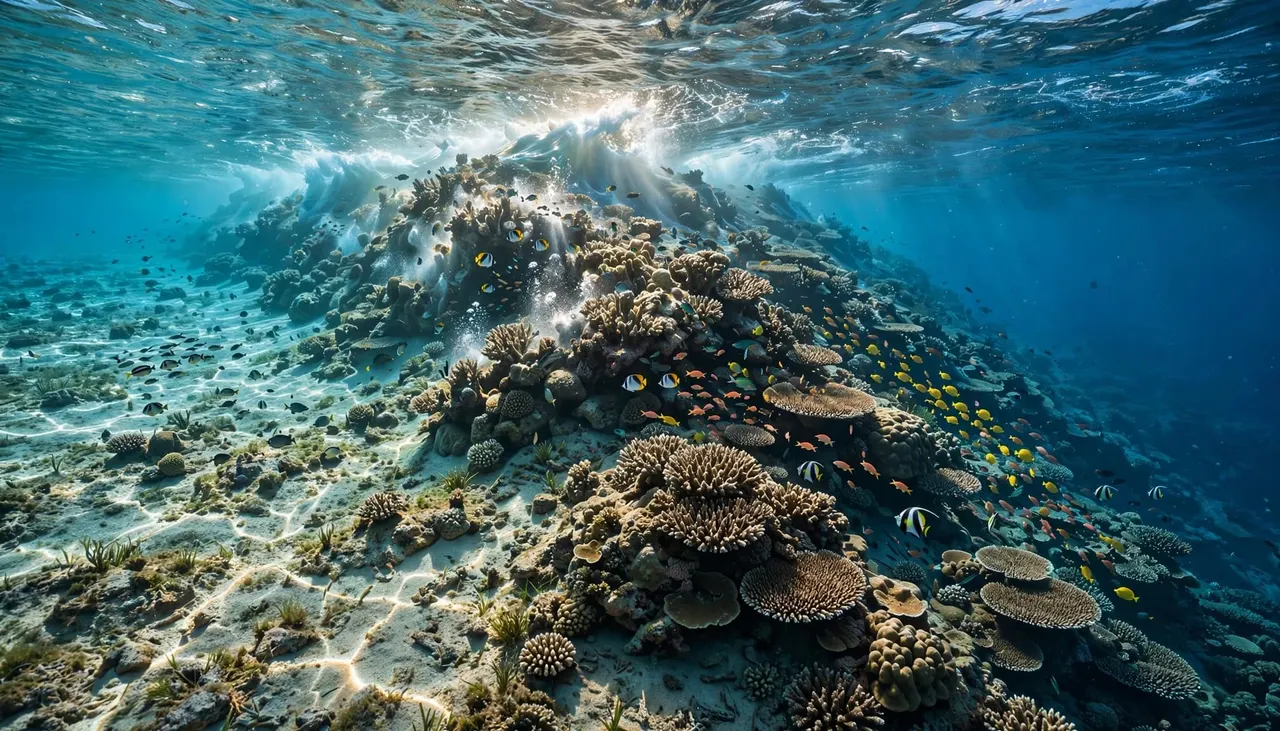
Coral shape is only part of a habitat. Water depth, wave exposure, hard bottom, and sandy openings also change what you see. A Hawaiian reef chapter describing reef zones names the reef flat, reef crest, and outer or fore reef. Those terms are useful, but don’t assume every Oahu snorkeling site follows one neat pattern.
Shallow areas and exposed edges
A reef flat can be shallow enough that your fins pose a risk even while you’re floating. Near a wave-washed edge, water movement may make it hard to hold a comfortable position. Neither area is a good place to stand on coral or push through a tight gap.
Before entering, watch several waves. Check for a clear route back as well as a clear route out. If the water is too shallow for you to float above the reef, choose another path.
Slopes, sand, and open water
Farther from a shallow edge, the bottom may slope away or break into patches separated by sand. That change gives you a broader view of the reef’s outline. It doesn’t make the water automatically easier: current, visibility, and distance from your exit still matter.
A sandy channel can give you room to stop and adjust your mask without reaching for coral. First make sure it’s deep enough and that you can remain in your planned swimming area.
Let fish show you how they use the reef
Watch one patch before moving on
Pick a section you can see comfortably and float above it for 20 to 30 seconds. Notice whether fish cross open sand, pause near a reef edge, or return to the same surface. You may learn more from one repeated route than from following a bright fish across the whole site.
Parrotfish, for example, graze on reef surfaces. Watch from a distance if you see one feeding. When a fish changes direction sharply as you approach, give it more space and let its usual activity resume.
Compare neighboring spaces
During a single snorkeling Oahu outing, you may pass a coral head, a rocky patch, and a sandy opening within minutes. Pause long enough at each to see the differences. Are fish moving through the open area or staying near an edge? Can you see algae on a surface they visit?
Don’t draw a conclusion from one brief sighting. Light, moving water, and your own position affect what you can see. Patient observation gives you a better view without crowding wildlife.
Choose a site that fits your swimming skills
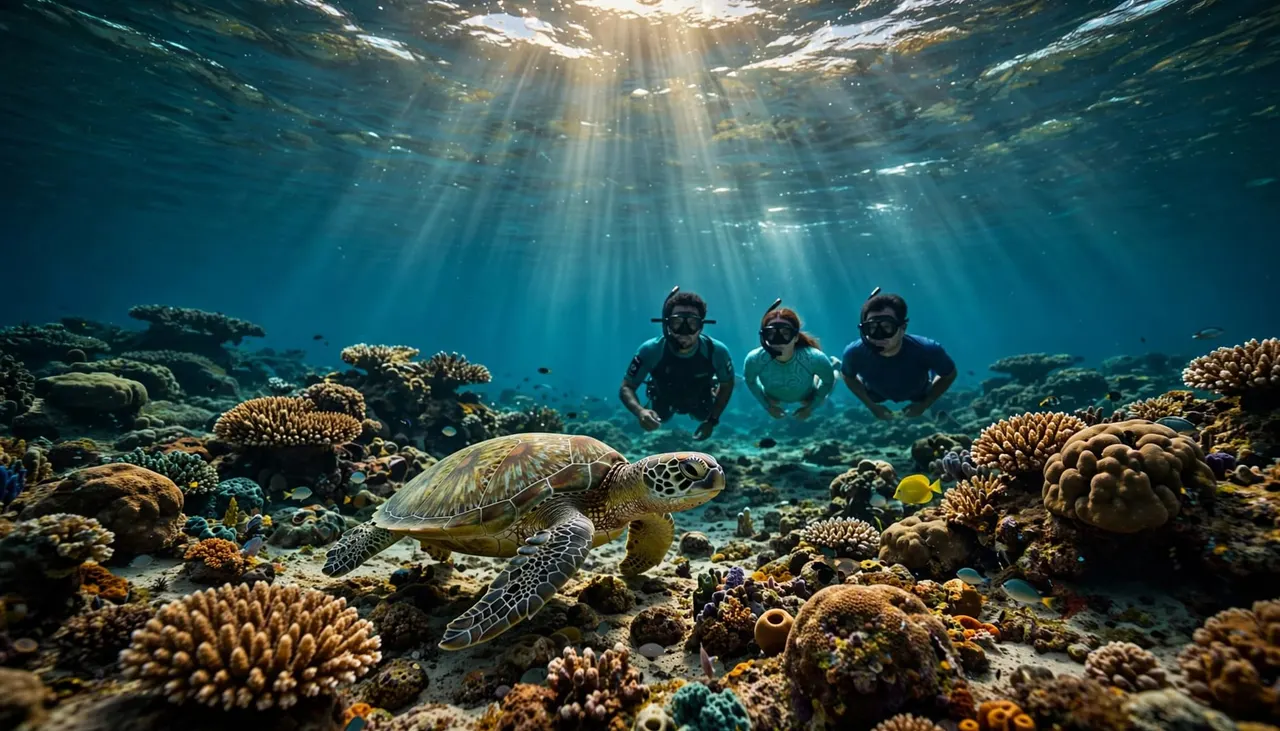
The reef you can enjoy safely is a better choice than one that looks dramatic in a photo. Think about how you’ll enter, where you’ll float, and how you’ll get out before deciding how much reef you want to explore.
Boat access near Waikiki
A guided boat outing can take you to an offshore snorkeling area without a rocky shore entry. You still need to listen to the crew’s briefing and stay within the designated area. Conditions can change the plan, even on a bright day.
For beginners, a known route back to the boat can make it easier to relax and observe. Ask about flotation support before entering if you’d like it. When snorkeling Oahu with family members of different abilities, everyone’s comfort should shape the choice.
Shore entry at Hanauma Bay or Pupukea
Hanauma Bay is a managed shoreline destination where you need to plan around visitor access and reservations. On the North Shore, Pupukea’s Shark’s Cove and Three Tables call for close attention to surf and the entry route. Favorable conditions at one site don’t tell you what another will be like.
At either shore location, watch the water before putting on your fins. Skip a shallow crossing that would force you to stand on reef. If the route out looks difficult, find a more suitable place to swim.
See Waikiki’s reef with in-water guidance
Living Ocean Tours offers boat-based trips from Kewalo Basin Boat Harbor, minutes from Waikiki. The company describes itself as the only tour company with professional snorkel guides. Its crew can help you with gear, water entry, and respectful wildlife viewing while you explore the reef.
You can browse Living Ocean Tours’ guided ocean trips to find an outing that suits your group. The double-decker vessels provide shade, restrooms, dry storage, and ladders for getting back aboard. Those comforts matter when younger swimmers or first-time snorkelers need a break.
Turtle Canyons rewards an unhurried look
The Turtle Canyons Snorkel Excursion visits a reef area Living Ocean Tours describes as a Hawaiian green sea turtle cleaning station. A turtle sighting is possible, never guaranteed. While you wait, notice the reef below you: the coral outlines, open patches, and smaller fish are part of the experience.
Give any turtle an open path and let it decide where to swim. Your guide’s directions will help you keep a comfortable distance from both the animal and the bottom.
Leave the habitat as you found it
Give coral room beneath your fins
Coral is living habitat, including the patch that looks sturdy enough to hold your weight. Stay horizontal, keep your knees and fins clear, and resist the urge to steady yourself on the bottom. If you need a rest, use appropriate flotation or return to the boat or shore.
Shallow water calls for more clearance, not a shorter distance from the reef. A fin kick can reach farther down than you expect. When a safe route crosses sand, use it instead of passing over coral with barely enough water beneath you.
Keep wildlife encounters on its terms
Don’t feed fish, chase turtles, or block an animal’s route. Give it space to continue feeding or swimming. You can check NOAA’s Coral Reef Conservation Program for more on protecting reef ecosystems.
The same restraint improves your view. Fish often resume their movements when you stop approaching. During snorkeling Oahu trips, a few quiet minutes above one reef patch can be more memorable than a hurried swim across many.
Key Takeaways
- Coral colonies grow in different shapes, but shape alone won’t tell you which wildlife you’ll find.
- Depth, waves, and sandy gaps affect your route as much as the coral beneath you.
- Float above the reef, watch fish patiently, and leave turtles a clear path.
- Choose guided or shore-entry snorkeling based on today’s conditions and your group’s swimming comfort.
Frequently Asked Questions
Can you identify coral species by shape alone?
Usually, no. Several corals can share a similar outline, and the view from the surface may hide useful details. Enjoy the shapes you can see without touching a colony to inspect it. A knowledgeable guide can help you understand the reef in front of you.
Is a shallow reef safer for beginners?
Shallow water doesn’t guarantee an easy swim. Waves can move you toward hard surfaces, and your fins need room above living coral. Look for manageable conditions, a clear exit, and enough depth to float comfortably. Use flotation support if it helps you keep off the bottom.
Will you see turtles at every offshore reef?
No. Hawaiian green sea turtles are wild animals, and their movements vary. Turtle Canyons is known for cleaning-station habitat, but a visit can’t promise a sighting. Watch the coral and reef fish while you wait, and give any turtle you encounter plenty of room.
A better view begins when you slow down
That stretch of colorful seafloor in front of you holds more than one kind of space. Coral outlines, sandy breaks, and moving water all shape your view.
When snorkeling Oahu’s reefs, stay high above the bottom and watch one area long enough to see how life moves through it. You’ll notice more while leaving the habitat undisturbed.


