
Snorkeling Oahu’s Reefs When You Wear Hearing Aids

A hearing aid can make the boat briefing easier to follow, but it usually shouldn’t follow you into the water. If you’re snorkeling Oahu’s reefs, the safest plan starts before you put on your mask: know when you’ll remove your devices, where they’ll stay dry, and how you’ll communicate without them.
Living Ocean Tours offers guided snorkeling trips near Waikiki, so you can discuss your hearing needs with the crew before leaving Kewalo Basin Boat Harbor. A little planning lets you focus on the reef instead of worrying about a lost hearing aid or a missed instruction.
Can you snorkel with hearing aids?
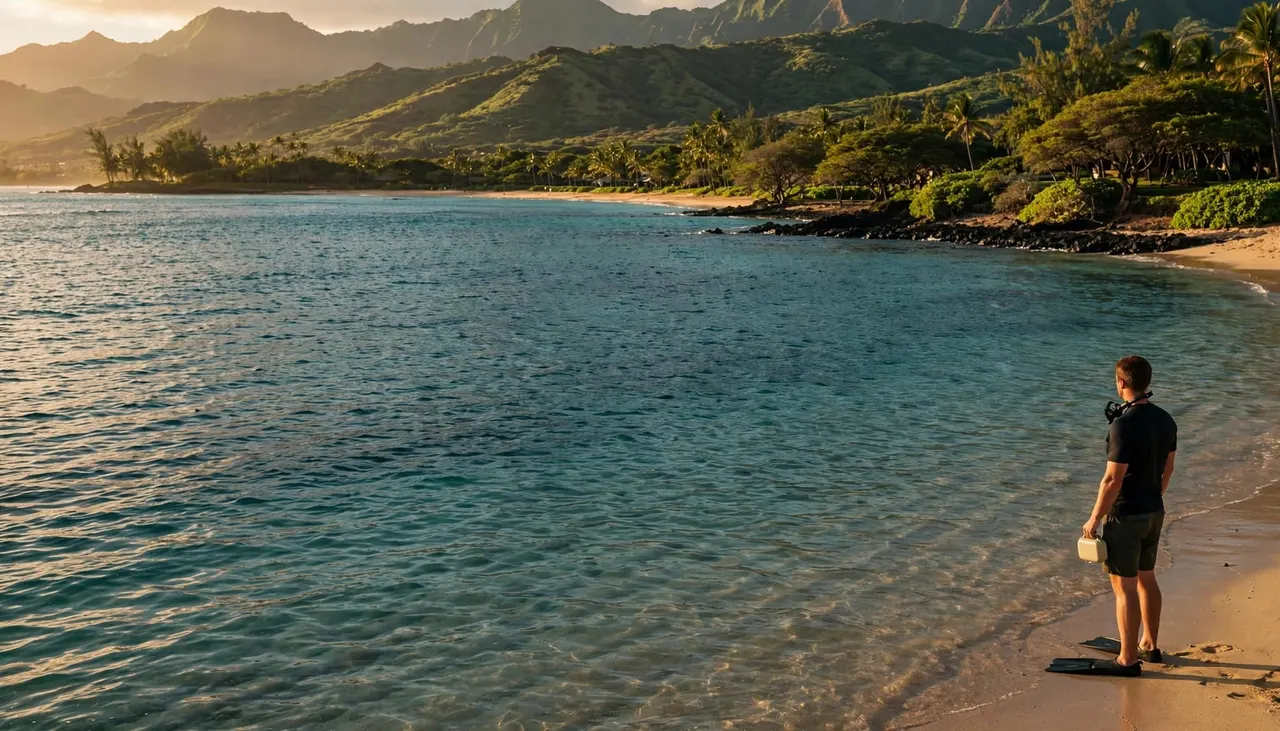
In most cases, you should remove your hearing aids before entering the ocean. Saltwater, waves, and an unexpected dunk can expose them to more water than everyday moisture protection allows.
Check what your exact model permits
Water-resistant doesn’t automatically mean swim-safe. For example, the Phonak Naída L-UP user guide describes that model as water-resistant, not waterproof. Don’t assume a different hearing aid with a similar appearance has the same protection.
Some products have different limits. Phonak says its Audéo Life devices can tolerate submersion in fresh water, pool water, or saltwater up to 50 centimeters (1.64 feet). Those Audéo Life water-limit details aren’t blanket approval for snorkeling, where you could dip deeper or spend longer in the water. Check your model’s instructions and ask your hearing-care professional if you’re unsure.
Separate hearing from swimming
You can wear your hearing aids for check-in, the ride, and the safety briefing. Then remove them before you approach the swim entry point, while your hands and equipment are still dry. If a crew member gives instructions after that, ask them to face you or use the signals you’ve agreed on.
Don’t rely on a loose pocket, an open bag, or a companion holding your devices beside the water. Decide on storage before departure, especially if you’ll be helping children with their gear.
Protect your hearing aids before the boat ride
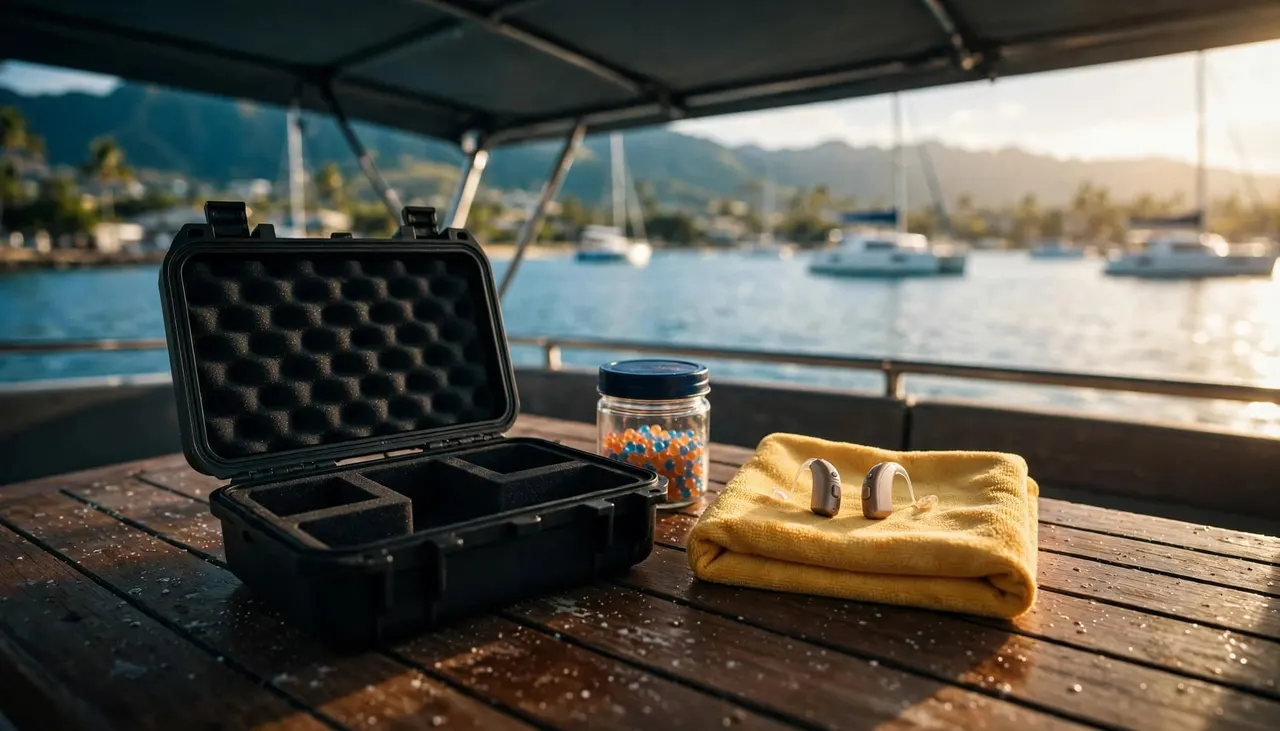
A boat has spray, wet towels, and people moving between seats. Even when dry storage is available, you still need a secure place for a small, expensive device.
Pack for storage, not underwater use
Bring a labeled, rigid hearing-aid case and place it inside a water-resistant pouch or dry bag. Keep that bag away from drinks, sunscreen, and damp swimwear. If your hearing aids use disposable batteries, follow your manufacturer’s storage instructions; if they’re rechargeable, protect the charger from spray too.
A clean microfiber cloth and your usual drying container are useful after the outing. Neither turns a wet hearing aid into a working one on demand. Keep your backup glasses or other communication essentials with a companion if you’ll need them while your aids are stored.
Have a wet-device plan
If a device gets splashed or submerged, take it out of use and follow your model’s care instructions. Don’t test it repeatedly, apply high heat, or put it straight into a charger. Tell your hearing-care provider if saltwater reached the device or it stops working normally.
Before your trip, save the manufacturer’s instructions on your phone or ask your audiologist what to do after accidental saltwater exposure. You’ll have a clear answer when you need it, rather than guessing on a moving boat.
Make communication clear before entering the water
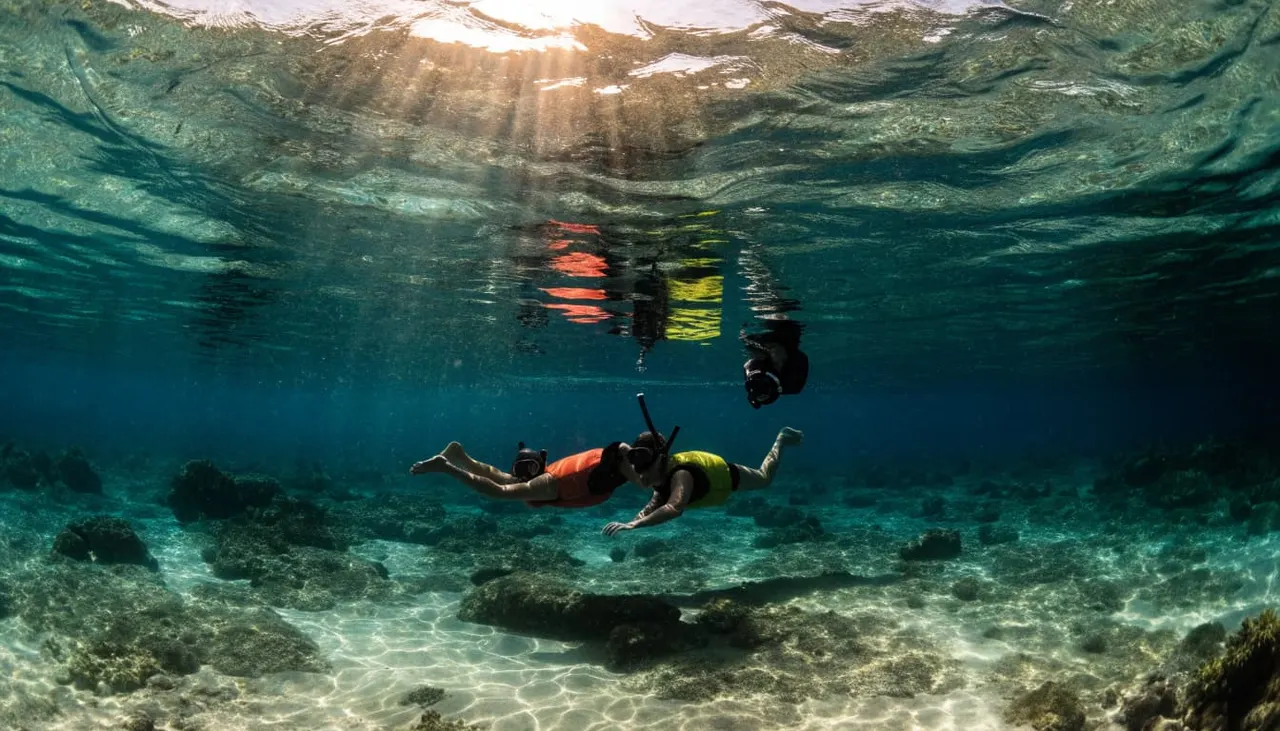
When snorkeling Oahu’s waters without your hearing aids, you may miss a shouted instruction over wind and waves. Agree on a visual plan before anyone enters the ocean.
Tell the crew what helps you understand
During the briefing, explain whether you read lips, prefer a face-to-face demonstration, or need a companion to repeat instructions. Ask the guide to show you the swim boundary, reboarding ladder, and signal for help. Repeat the essentials back while you’re still wearing your aids.
Also ask how the guide will get your attention in the water. Don’t assume a crew member knows what you can hear once your devices are off. A direct conversation is more useful than a general request to “speak louder.”
Agree on signals with your buddy
Pick simple signals for “I’m okay,” “I need help,” and “I want to return.” Confirm them with the guide because the crew’s established signals take priority. Your buddy should stay within easy sight and know not to swim ahead while you’re looking underwater.
If you lose sight of the guide or boat, lift your head, steady your breathing, and look around. Signal as instructed instead of choosing a distant vessel or swimming toward shore. When you’re tired or uncomfortable, tell the guide early and return while you still have energy.
A signal you agree on while wearing your hearing aids is far more useful than an instruction you cannot hear after entering the water.
Choose a Waikiki trip that fits your group
Living Ocean Tours departs from Kewalo Basin Boat Harbor near Waikiki. Its Coast Guard-inspected double-decker boats have shaded seating, restrooms, dry storage, and sturdy ladders. The company says it’s the only tour operator with professional snorkel guides in the water with guests. That support is useful when you want to confirm instructions face-to-face before swimming.
You can browse its guided Oahu ocean tours and ask which outing suits your swimming comfort, hearing needs, and group. Confirm the day’s communication plan directly with the crew rather than assuming a particular accommodation is available.
Turtle Canyons for a guided reef swim
The Turtle Canyons Snorkel Excursion visits a natural cleaning-station area where Hawaiian green sea turtles may appear. Living Ocean Tours reports a 95% turtle-sighting rate, but no wildlife encounter is guaranteed. You get gear, instruction, and in-water guidance, which can help you settle your mask and flotation before looking for turtles.
If that sounds like your kind of reef day, CHECK AVAILABILITY for the Turtle Canyons trip. Tell the crew about your hearing aids before booking if you need to confirm a particular communication arrangement.
A deluxe cruise for families who want more play
The Deluxe Waikiki Snorkeling and Wildlife Cruise adds a waterslide, water trampoline, and floating lily pad to its reef visit. If your group has different comfort levels, discuss who plans to snorkel and who prefers the other activities. Remove your hearing aids before any water play, not only before snorkeling.
The Lokahi has a SeaKeeper stabilization system that reduces boat roll. Still, sea conditions vary, so ask about the forecast if anyone in your group is concerned about the ride. You can CHECK AVAILABILITY once you’ve chosen a suitable day.
Let conditions guide your time in the water
A bright morning doesn’t guarantee an easy swim. Wind, surface chop, and current can change how well you see your buddy or the guide. When snorkeling Oahu’s reefs, set a short, comfortable route and keep checking your position above the surface.
Start with the crew’s swim boundary
Hawaii Ocean Safety’s snorkeling guidance recommends checking conditions, preparing equipment, and snorkeling with a buddy. Before entering, find out where you’ll swim and how you’ll return. Test your mask and snorkel near the entry point, then ask for help if anything leaks or feels loose.
Use flotation if it helps you stay relaxed. You can take a break or remain aboard if conditions don’t suit you. A guided trip provides support, but you still need to be honest about your swimming ability.
Watch the reef without touching it
Keep your fins above coral and give turtles a clear path. If you need to fix your mask, move to open water or use approved flotation rather than standing on the reef. Observe wildlife without chasing, touching, or crowding it.
Staying close to your group also helps you notice visual instructions. Look up regularly, especially when a turtle draws everyone’s attention in a different direction.
Decide between a boat trip and a beach snorkel
A guided boat excursion gives you a briefing, a defined swim area, and people to ask for help. It also means planning where your hearing aids will stay while you’re offshore. Ask about storage and reboarding before you reserve, because those details matter as much as the reef stop.
At a beach, you control when to enter and leave. However, you must judge conditions, safeguard your devices, and arrange a capable buddy yourself. Choose a lifeguarded beach and talk to the lifeguard before swimming, as Hawaii’s beach safety guidance advises. A calm-looking shoreline isn’t proof that the water is safe that day.
If this is your first time snorkeling without hearing aids, practice your signals and mask routine in a calm setting before heading farther out. Your first few minutes in the water should be about comfortable breathing and staying oriented, not reaching a particular spot.
Key takeaways for guests who wear hearing aids
- Check your exact hearing-aid model’s water guidance; remove conventional devices before you swim.
- Store your aids in a secure case away from spray, wet gear, and heat.
- Agree on visual signals, swim boundaries, and the return route while you can hear the briefing.
- Stay with a buddy, look up often, and ask for help before you become tired.
- Give turtles and coral space, even when a wildlife sighting pulls your attention away from the group.
Frequently asked questions
Can you wear waterproof hearing aids while snorkeling Oahu?
Don’t rely on a product label alone. Water limits differ by model, and snorkeling can involve saltwater, splashes, repeated submersion, and depths beyond a product’s stated limit. Read your device’s instructions and ask your hearing-care professional before considering any water exposure. Removing your aids is the simpler plan for most guests.
How will you hear the guide without your devices?
You may not hear spoken instructions clearly once you’re in the water. Before entry, ask for a face-to-face briefing and agree on visual signals with the guide and your buddy. Stay where you can see them, lift your head regularly, and signal early when you need assistance.
What if you decide not to swim?
You can tell the crew that you’re staying aboard or returning early. Check the tour’s participation arrangements before booking if deck time matters to you. On the day, follow crew directions rather than entering the water because others in your group are going in.
Leave the hearing aids dry and the reef undisturbed
Snorkeling Oahu’s reefs can be a comfortable part of your trip when your devices, buddy, and crew each have a clear place in the plan. Protect your hearing aids before you enter, agree on signals while you can hear the briefing, and choose a swim that fits the conditions.
The best view is one you can enjoy calmly, with your buddy in sight and enough energy to return when you’re ready.


